CrossFit Mobility Guide: How to Master the Movements
Mobility is the unsung hero of CrossFit. While strength, power, and conditioning dominate highlight reels, the truth is that without mobility, you’ll never unlock your full potential. Mobility allows you to squat deeper, overhead press safely, and transition between movements fluidly. For CrossFit athletes, whether beginners or veterans, improving mobility isn’t just about preventing injury. It’s about mastering the movements that define the sport.

Why Mobility Matters in CrossFit
CrossFit demands a wide range of motion across multiple joints. Think about:
- Squats: require hip and ankle mobility
- Overhead lifts: demand shoulder and thoracic spine mobility
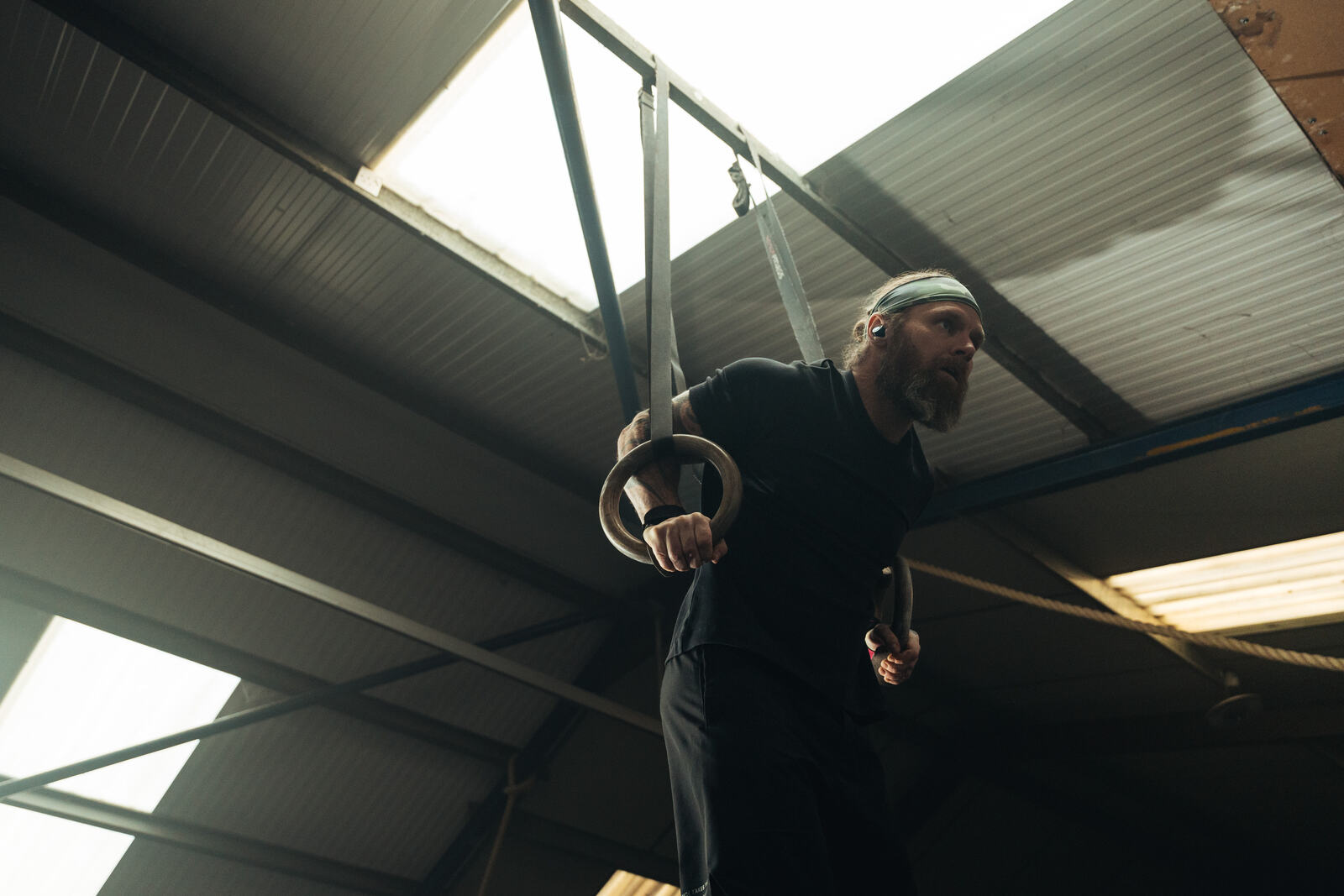
- Gymnastics: hinges on wrist, shoulder, and hip flexibility
Lacking mobility in even one of these areas creates compensation, limits strength potential, and increases injury risk.
Mobility vs Flexibility
Before diving into drills, let’s clear up a common misconception.
- Flexibility is the ability of a muscle to lengthen.
- Mobility is the ability of a joint to move actively through its range of motion.
CrossFitters don’t just need flexibility; they need mobility, where strength and control exist at end ranges. That’s what enables a clean overhead squat or efficient kipping pull-up.
Assessing Your Current Mobility
You can’t improve what you don’t measure. Three simple self-tests reveal where you stand:
- Overhead Squat Test – Hold a PVC pipe overhead and squat. Do your heels stay down? Does your torso collapse forward?
- Wall Ankle Test – Stand with toes 5 inches from a wall and try to touch your knee to it without lifting your heel.
- Shoulder Flexion Test – Lie flat on your back and reach arms overhead. Do they touch the floor without your ribs flaring?
Note where you struggle; that’s where to focus first.
Key Mobility Areas for CrossFit
1. Ankles (Squats, Running, Box Jumps)
Tight ankles limit squat depth and running efficiency.
Drill:
- Knee-to-wall mobilisations (3 sets of 10 reps per side)
2. Hips (Squats, Lunges, Olympic Lifts)
Restricted hips prevent deep squats and explosive power.
Drill:
- 90/90 hip rotations (3 sets of 8 reps per side)
3. Thoracic Spine (Overhead Movements, Olympic Lifts)
A stiff upper back forces shoulders to compensate.
Drill:
- Foam roller thoracic extensions (3 sets of 10 reps)
4. Shoulders (Pull-ups, Overhead Presses, Snatches)
Shoulder mobility is critical for both lifting and gymnastics.
Drill:
- Banded shoulder dislocates (3 sets of 10)
5. Wrists (Handstands, Cleans, Front Squats)
Wrist pain is common without proper mobility.
Drill:
- Quadruped wrist rocks (3 sets of 15)
Structuring Mobility Work
Mobility doesn’t have to take hours. Add 10–15 minutes at the start or end of your session:
- Pre-workout: Dynamic mobility to prep joints (e.g. hip openers before squats)
- Post-workout: Static stretches and longer holds for recovery
Sample Pre-Squat Routine (10 minutes):
- Ankle mobilisations – 2 mins
- 90/90 hip rotations – 2 mins
- Thoracic extensions – 2 mins
- Banded shoulder dislocates – 2 mins
- Air squats – 2 mins
Progression: From Basics to Mastery
Mobility, like strength, improves gradually. Track it just as you would your lifts or WOD times.
- Record baseline tests monthly
- Add small increments (e.g. deeper squat, more overhead control)
- Pair mobility with strength work: e.g. pause squats at depth, overhead holds with light weight
Mobility Mistakes to Avoid
- Only stretching when you’re injured
- Ignoring weak points (e.g. wrists)
- Overstretching without control: flexibility without strength is unstable
- Skipping consistency: 10 mins daily beats 1 hour weekly
The Payoff: Movement Mastery
Mobility doesn’t just reduce pain and protect joints. It makes CrossFit movements smoother, stronger, and more efficient. That’s the difference between grinding through a squat snatch and flowing through it with confidence.
With consistent mobility training, athletes unlock new potential in lifts, gymnastics, and endurance work.
Key Takeaways
- Mobility is about control at end ranges, not just flexibility
- Assess your weak points with simple tests
- Prioritise ankles, hips, thoracic spine, shoulders, and wrists
- Structure short daily mobility sessions around training
- Treat mobility progress like strength training: measurable and consistent
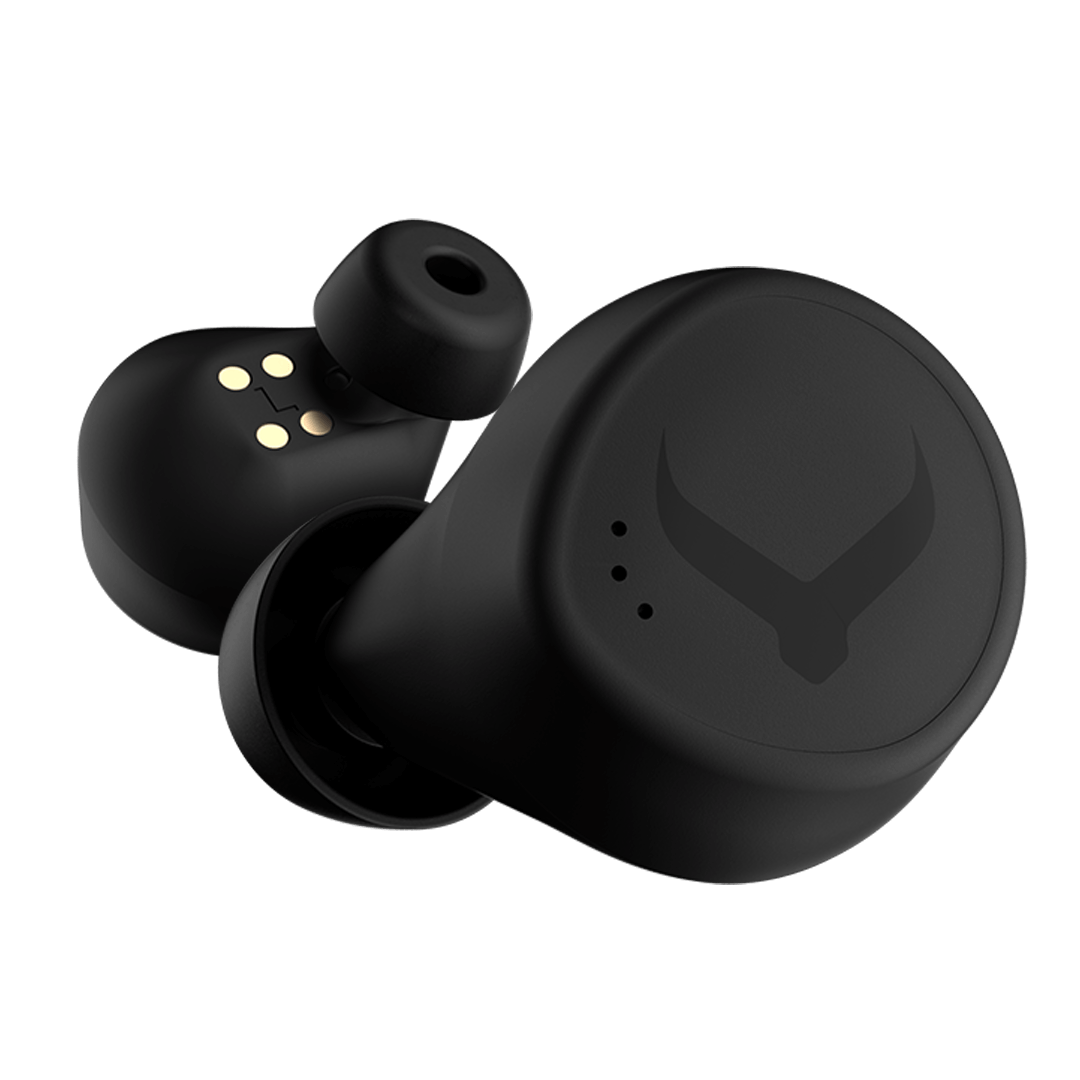
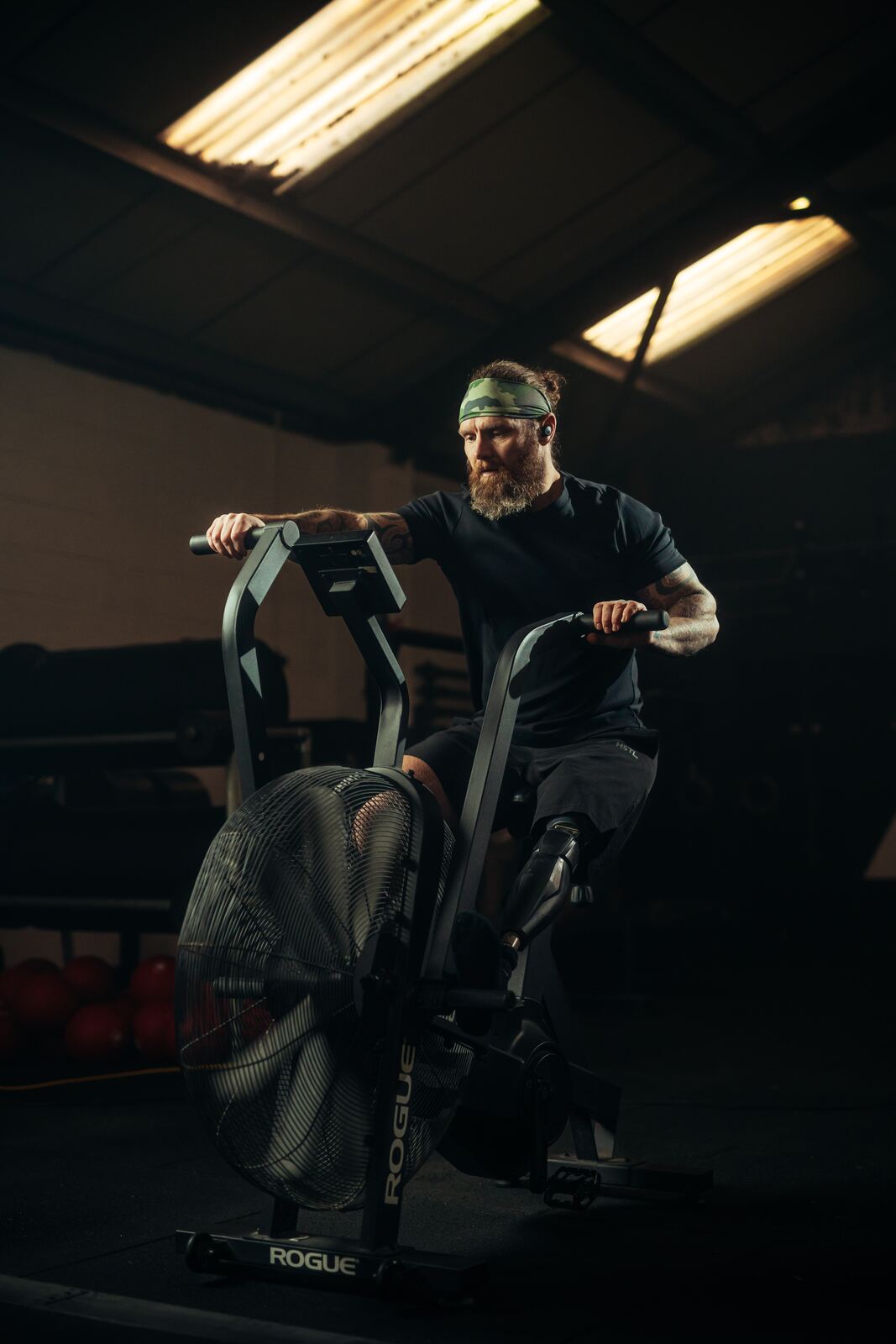
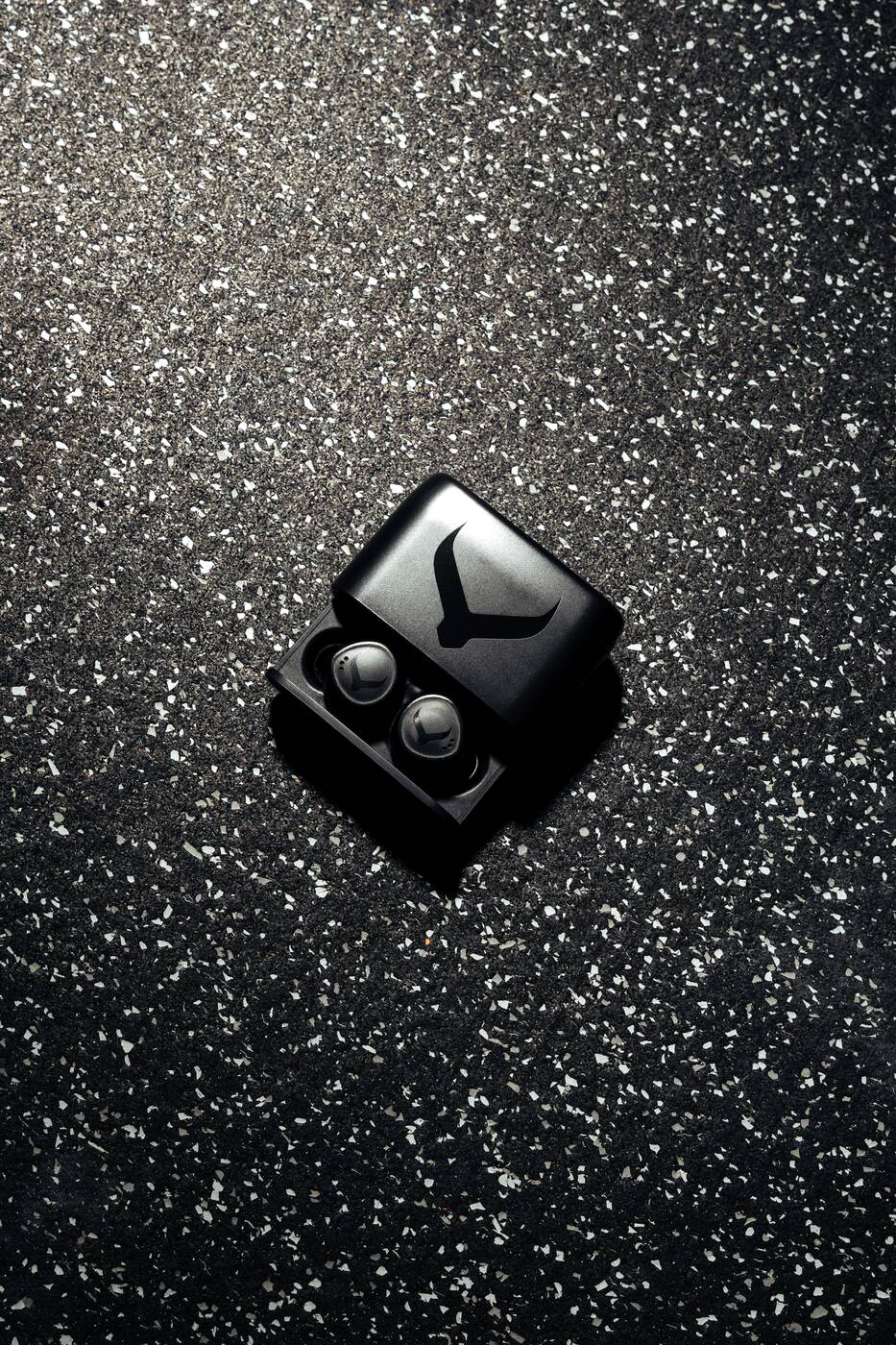
Introducing the ultimate workout earbuds.



















.jpg)


.jpg)



.avif)
.avif)