Best Durable Earbuds for Sport: What Actually Survives the Gym in 2026
Most sports earbuds don't fail because of poor sound; they fail because of sweat, drops, and cheap cases. This guide breaks down the real durability specifications that matter for athletic use: IP68 waterproofing, impact-resistant housing, and corrosion-resistant charging contacts. Whether you're tired of replacing earbuds every few months or want to understand what separates genuinely rugged earbuds from ones that just look the part, here's what to look for, and why the best durable earbuds for sport are often the most cost-effective choice over time.


The best durable earbuds are not the most expensive earbuds on the market. They’re the ones engineered around the specific failure modes of athletic use, and built to a specification that prevents each one.
If you’ve gone through two or three pairs of earbuds in a training year, you’re not alone. The standard sports earbuds market is full of products that survive the specification sheet but fail in the gym bag. This guide breaks down why earbuds fail, what genuine durability looks like, and how to find a pair that actually lasts.
Why Most Sports Earbuds Don’t Last
Earbuds fail in specific, predictable ways. Understanding the failure modes helps you identify products built to prevent them, and spot the ones built to be replaced.
Sweat and Moisture Ingress
Sweat is the number one killer of sports earbuds, and it’s more damaging than most athletes realise. Unlike fresh water, sweat is a saline and acidic solution that corrodes speaker driver diaphragms, oxidises internal circuitry, and destroys charging contacts. IPX4 earbuds may survive casual gym use for months before this degradation becomes audible. IP68 earbuds seal against this entirely.
Physical Impact and Drop Damage
Earbuds fall. They drop from ears during transitions between exercises, they’re knocked off benches, they tumble from pockets. Consumer-grade earbud housing uses thin plastic with minimal internal component protection. A single drop onto a hard gym floor from ear height can crack housings or dislodge drivers.
Genuine impact-resistant earbuds use reinforced polymer or composite housing with internal component dampening. The structural difference is real and measurable in drop testing; look for manufacturers who publish this data.
Case and Hinge Failure
The charging case is often the first component to fail, and it’s rarely discussed in earbud reviews. Hinge mechanisms opened and closed hundreds of times per month fatigue and crack. Charging contacts corrode. Magnetic closures weaken. A durable earbud ecosystem means a durable case, not just durable earbuds.
What the Best Durable Earbuds Actually Specify
These are the specifications that genuinely predict durability under athletic use:
- IP68 certification: full dust-tight and deep waterproof protection; the only rating that addresses sweat corrosion under daily training conditions
- Impact-resistant housing: reinforced materials tested to withstand drops from ear height or above; ask for drop test specifications
- Corrosion-resistant charging contacts: gold-plated or sealed contacts that resist the saline chemistry of sweat exposure
- Sealed driver architecture: the speaker driver is the most acoustically sensitive component; premium durability earbuds seal it separately from the housing
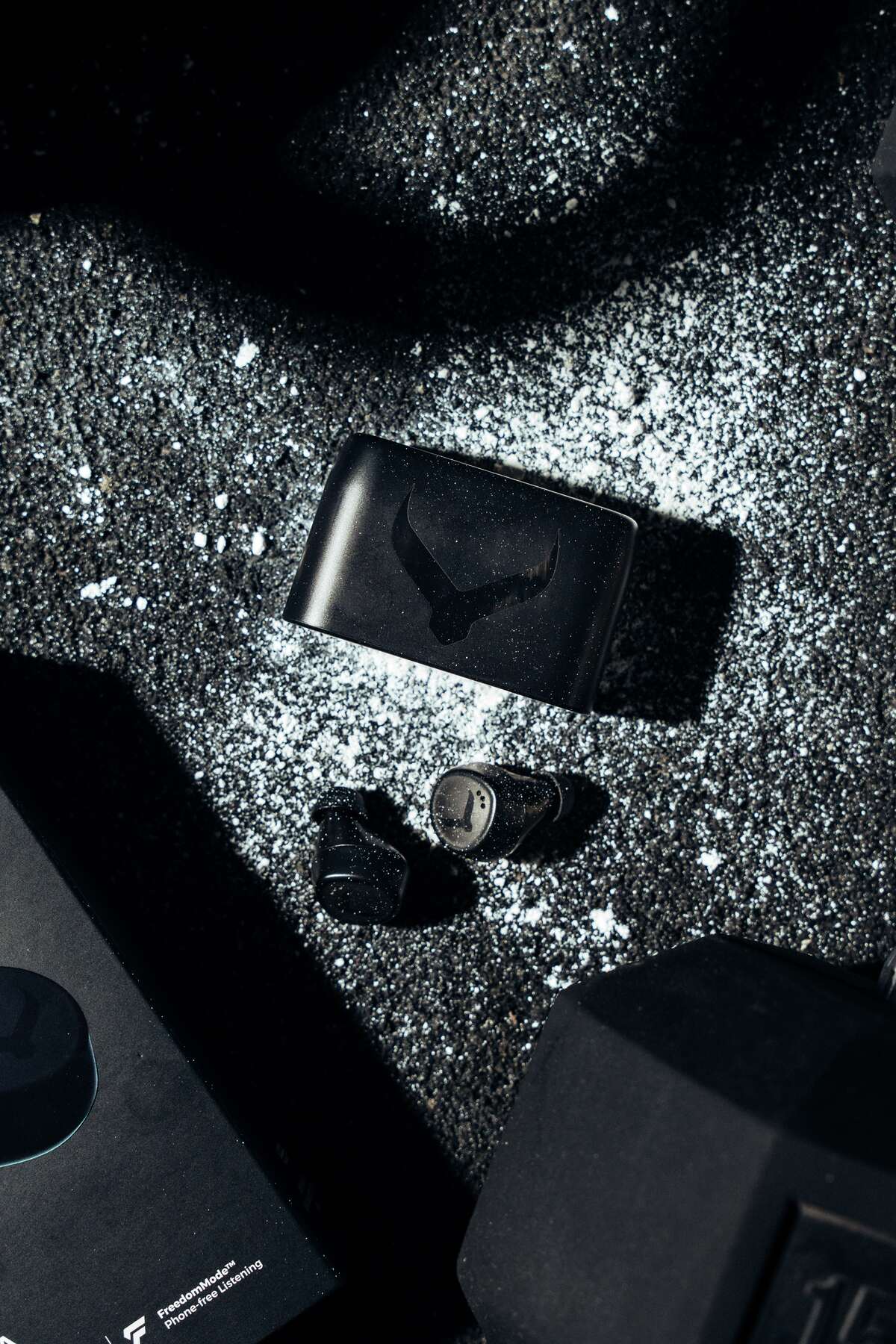
- Robust case construction: durable hinge, protected charging pins, and strong closure mechanism that survives daily gym bag abuse
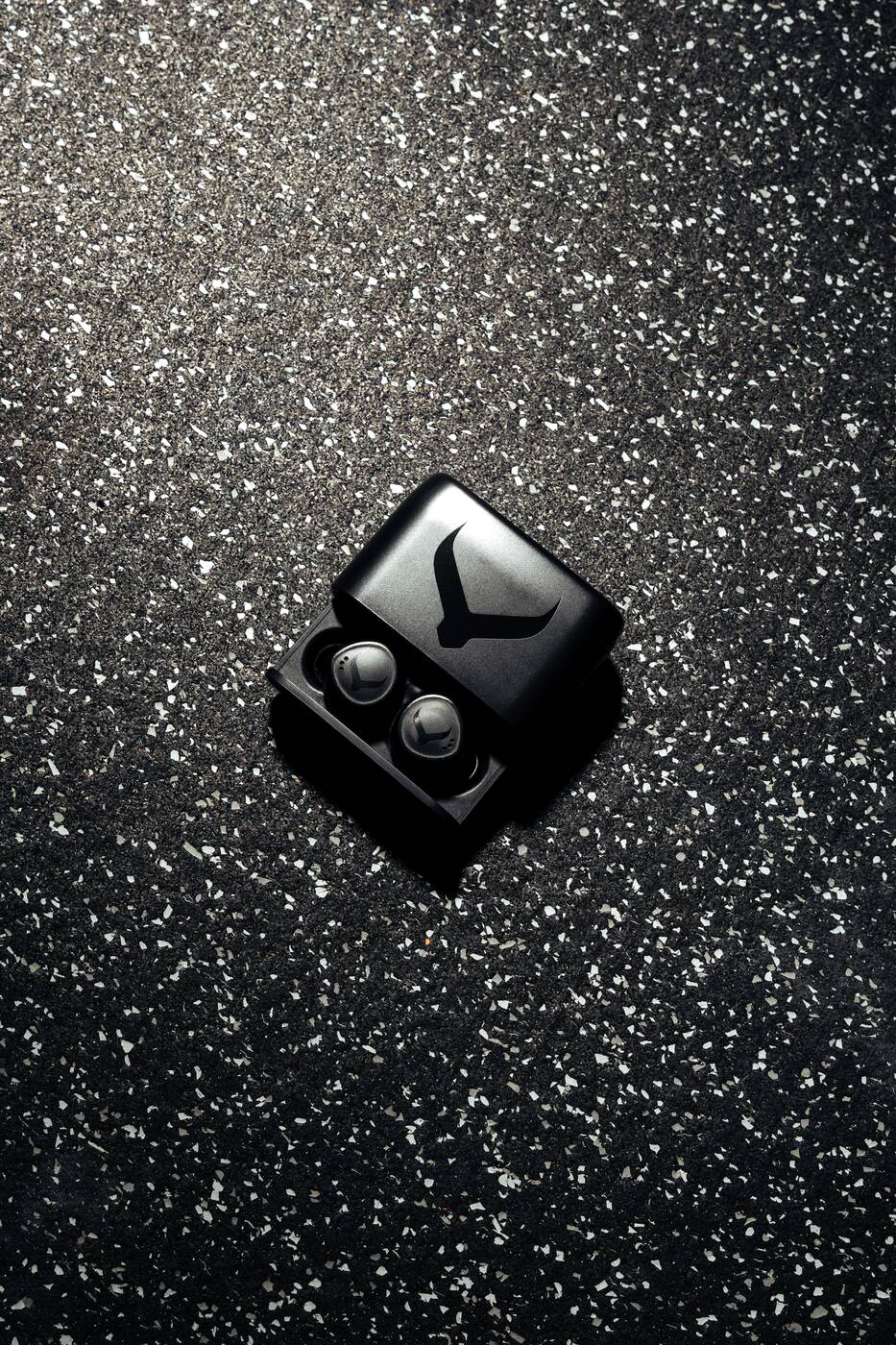
Tzuka’s durable earbuds are built to address all five failure modes with IP68 certification, impact-resistant housing, and a case designed for daily training environments. View the full specification at tzuka.com.

The Real Cost of Cheap Earbuds
The per-year cost of cheap earbuds is higher than most athletes realise. A £30 pair replaced every four months costs £90 per year. A £150 pair of IP68-rated, impact-resistant earbuds lasting three years costs £50 per year. The durability premium pays for itself inside 18 months for any athlete training regularly.
Beyond cost, degraded earbuds produce degraded audio. Sweat ingress into driver housings reduces sound quality gradually and imperceptibly; athletes often don’t realise how much quality has been lost until they try a fresh pair. The performance case for durability is as strong as the financial one.
Invest once, train for years. Explore Tzuka’s durable earbuds at tzuka.com.
How to Extend the Life of the Best Durable Earbuds
Even well-built earbuds benefit from proper maintenance:
- Wipe down after every session: remove sweat from housing, grilles, and charging contacts immediately after use
- Air-dry before casing: storing damp earbuds in the case accelerates internal corrosion
- Clean charging contacts monthly: a dry cotton bud removes build-up that causes intermittent charging failure
- Avoid extreme temperatures: hot cars and cold cars both degrade battery chemistry and housing adhesives
- Store in the case: physical protection from impact and dust between sessions
Frequently Asked Questions
What makes earbuds truly durable for sport?
The best durable earbuds for sport share four characteristics: IP68 waterproofing, impact-resistant housing, corrosion-resistant charging infrastructure, and robust case construction. Look for manufacturers who publish specific drop test and IP certification data; durability claims without test data are marketing, not engineering.
Are rugged earbuds worth the premium?
Yes, for regular athletes. Rugged earbuds with IP68 protection consistently outlast lower-rated alternatives in active training environments. The per-year cost over two to three years is typically lower than replacing cheaper earbuds annually.
Why do my earbuds keep cutting out after training?
Cutting out is usually caused by moisture damage to internal circuitry from sweat ingress, Bluetooth signal interference, or battery degradation. If your earbuds are under six months old and cutting out primarily during or after training, sweat ingress is the most likely cause, particularly if rated below IPX7.
Do durable sport earbuds sound worse than premium consumer earbuds?
No, at the premium level. Audio quality and durability are not competing objectives when both are engineered from the ground up. The trade-off exists only in cheap earbuds that sacrifice build quality for acoustic performance. Purpose-built athletic earbuds at the premium tier deliver both.
How often should I replace sport earbuds?
IP68-rated earbuds used daily for athletic training should last 2–3 years with proper care. Lower-rated earbuds in the same conditions typically last 6–12 months before noticeable audio or performance degradation. Replacement frequency is almost entirely determined by waterproofing standard and build quality.

Conclusion
The best durable earbuds for sport are not the ones with the best marketing. They’re the ones with IP68 certification, verified impact resistance, and a build quality designed for the actual demands of daily athletic training. Find them, buy them once, and stop replacing earbuds on a quarterly cycle.
Built to last through every session. Secure your Tzuka durable earbuds, IP68 rated, impact tested, designed for athletes.
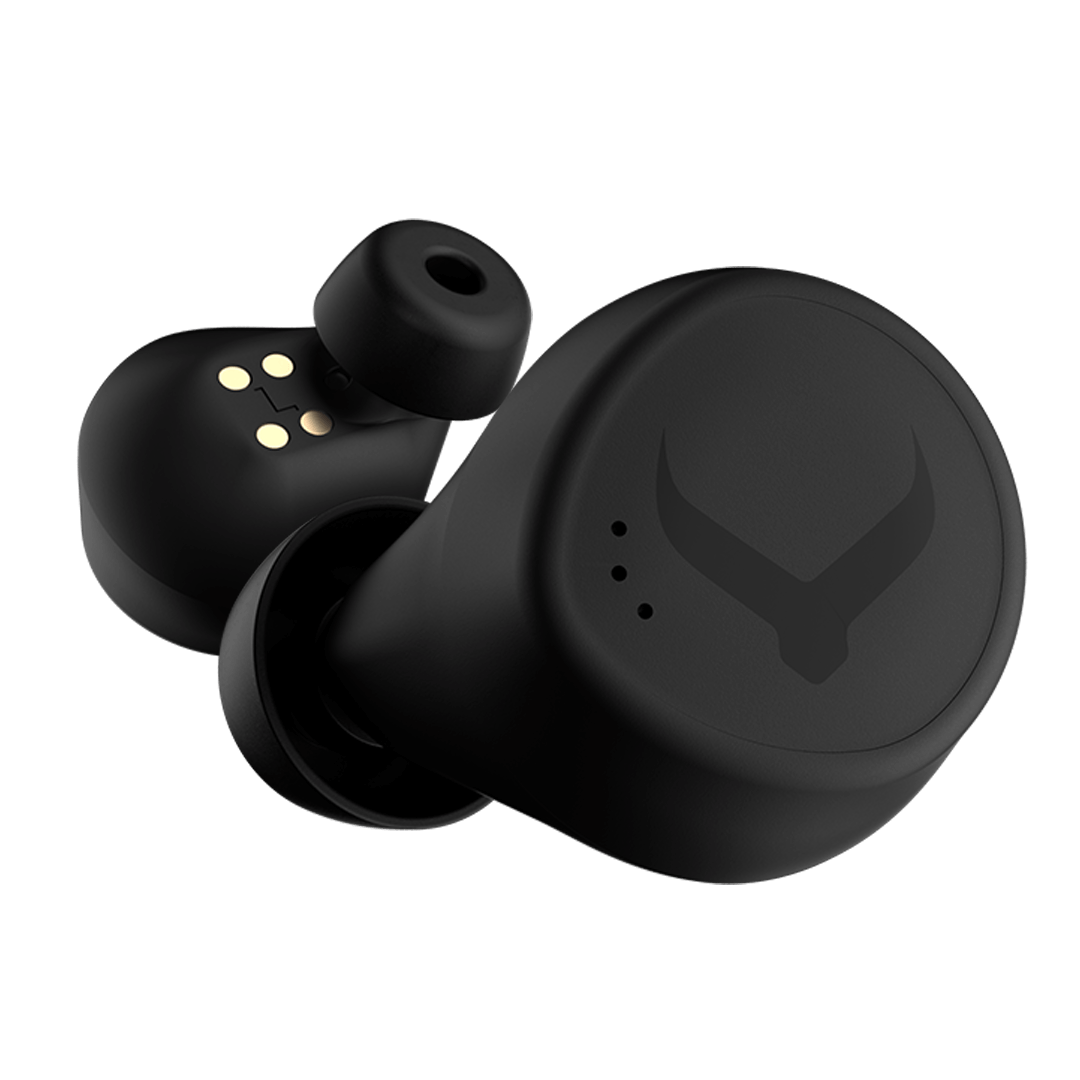
Introducing the ultimate workout earbuds.















.jpg)


.jpg)

.avif)
.avif)