HYROX Earbuds: What the Sport Demands and What Actually Delivers
HYROX earbuds are a category of their own. With eight functional stations, 1km runs in between, and sessions of 60 to 120 minutes, the sport exposes every weakness in standard sports earbuds, from fit failures on the sled push to Bluetooth dropout in packed venues. HYROX forbids headphones in competition, so this guide covers the four specifications that matter for the training block that gets you to the start line: IP68 waterproofing, secure fit retention, 3+ hour battery life and offline music storage.
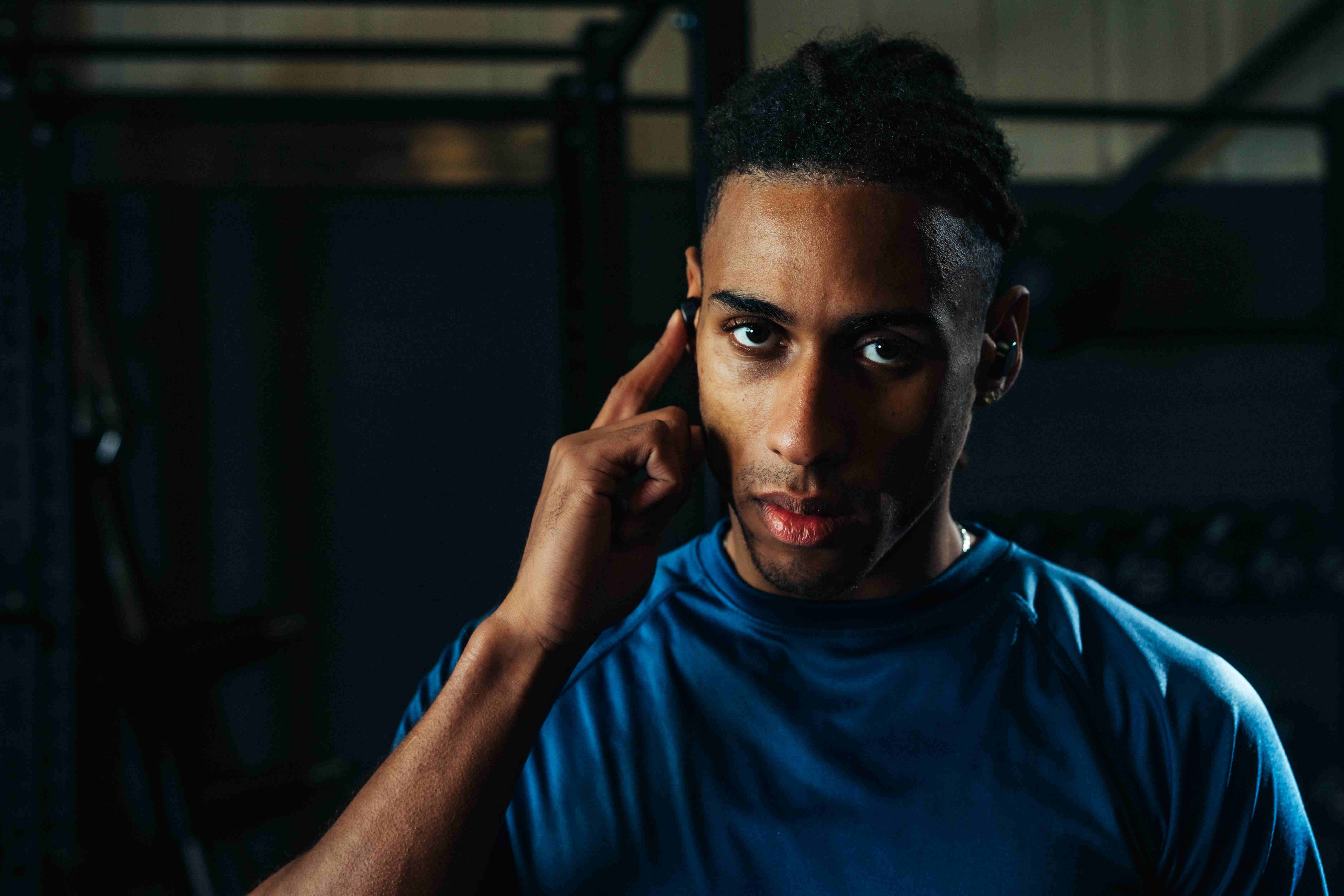

HYROX earbuds are a category of their own. This isn’t a sport where you can get away with standard running earbuds, gym earbuds, or consumer Bluetooth products dressed up in a sports case. HYROX has specific, compounding demands that expose every weakness in under-engineered audio kit, usually somewhere between the ski erg and the sled push.
With over 550,000 athletes competing globally in the 2024/25 season and participation projected to exceed 1 million in 2026, HYROX is the fastest-growing mass-participation fitness event in the world. As the sport matures, so does the need for gear, including audio, built specifically for its demands. This guide breaks down exactly what those demands are and what to look for.
One rule to get straight before anything else: HYROX prohibits headphones and ear plugs during competition. The Season 26/27 rulebook lists both under forbidden items, and the permitted-kit list is a closed allowlist, so there is no bone conduction or open-ear exception. Everything below is about the training that gets you to the start line, and the warm-up area before your wave. Your earbuds come out before you enter the start tunnel.
What HYROX Actually Does to Your Earbuds
HYROX is eight functional workout stations separated by 1km runs, repeated eight times. The movement variety is what makes it uniquely demanding on earbuds: you’re not just running, and you’re not just lifting. You’re doing both, at high intensity, for 60 to 120 continuous minutes.
The result is a set of earbud demands that very few products are genuinely built to meet:
- Maximum sweat output from station one, sustained across the full event
- Multi-directional movement: sled pushes, ski erg, burpee broad jumps, sandbag lunges all challenge fit retention differently
- Duration of 60–120 minutes at race intensity: recreational athletes need earbuds that outlast a two-hour effort
- Bluetooth congestion at large events: HYROX London 2025 had 40,000 athletes in one venue
- Transition zone handling: earbuds are put in and taken out between movement types; case and housing must survive repeated handling
Fit: Why Standard Earbuds Fail at HYROX
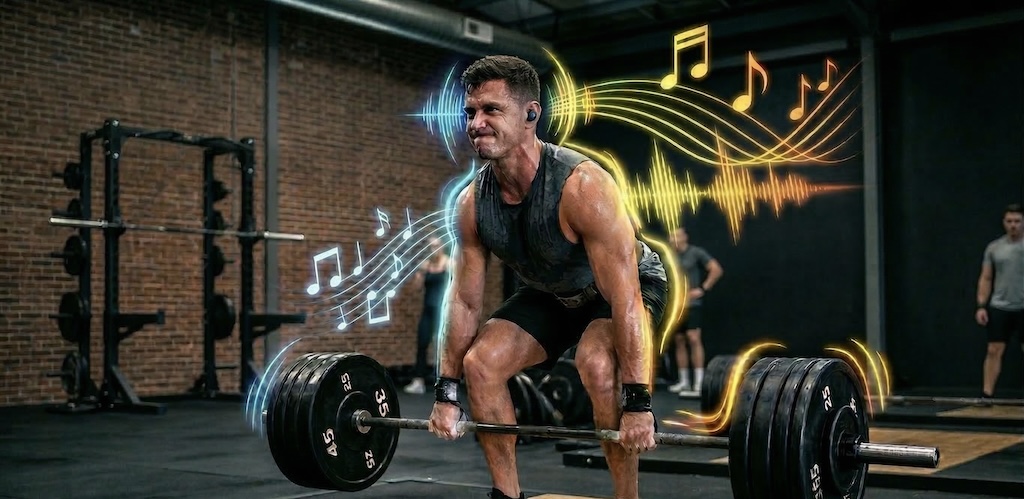
The sled push is the defining HYROX challenge, and the one that exposes earbud fit failures most brutally. At maximum effort, your upper body is engaged, your head is down, and you’re generating the kind of full-body vibration that dislodges standard in-ear earbuds within seconds.
HYROX earbuds need a physical retention system: a wing tip, fin, or hook that anchors the device against the ear cartilage. Standard friction-based fit is simply not engineered for this level of physical demand.
IP68 Waterproofing: Not Optional for HYROX
A full HYROX race at competitive effort produces sweat output equivalent to sustained high-intensity training for 60–120 minutes. IPX4 and IPX5 earbuds degrade under this exposure over repeated race and training cycles. IP68 earbuds seal against sweat saturation entirely.

The Bluetooth Problem at HYROX Events
Large HYROX events create one of the densest wireless environments in sport. Every athlete is wearing a smartwatch, heart rate monitor, and often a phone in a running vest. Every spectator has a phone. Bluetooth signal congestion in a venue with 40,000 people is severe.
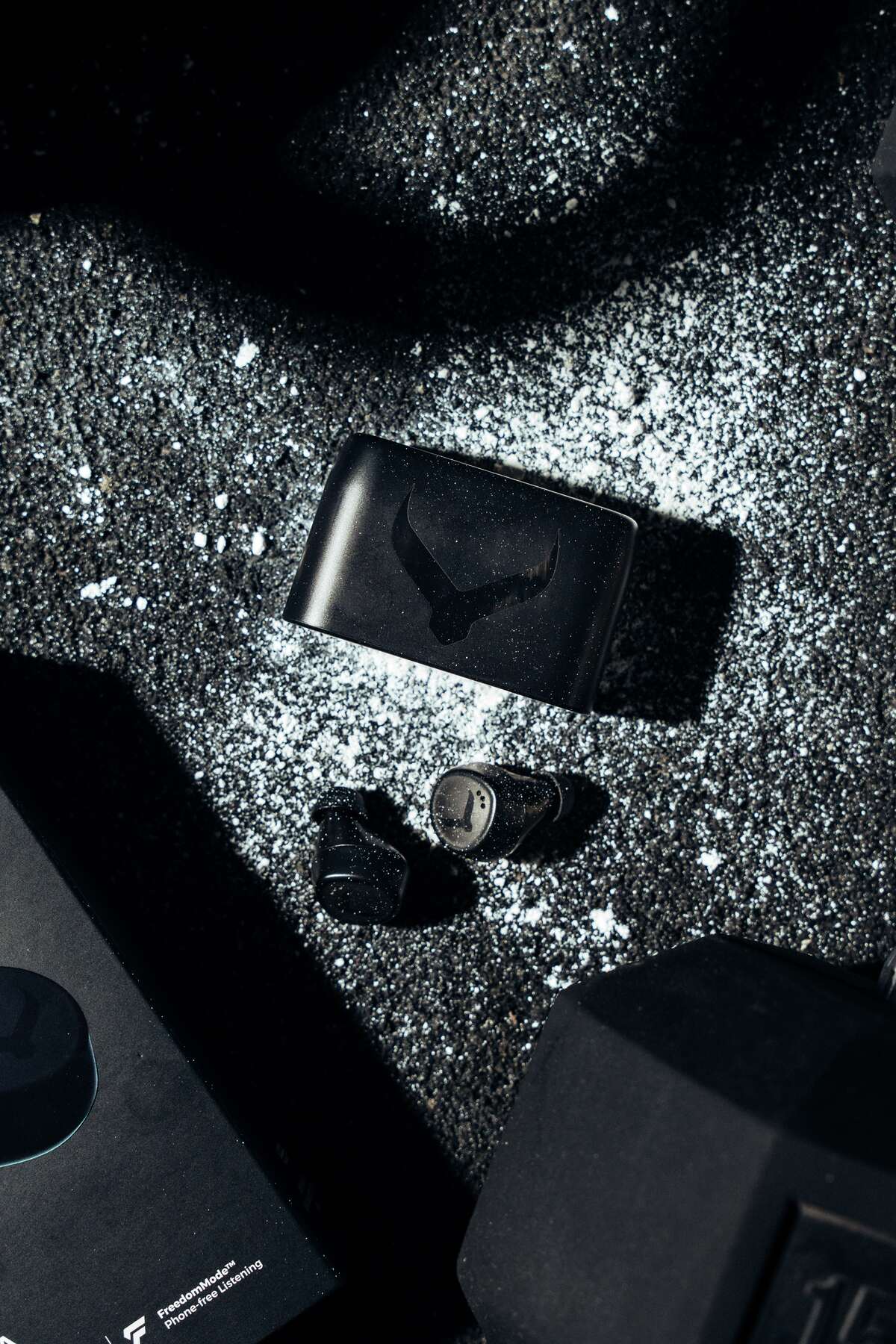
Athletes who stream music from a phone face real dropout risk in this environment. The solution is offline music storage. Tzuka’s FreedomMode™ earbuds store up to 1,000 songs onboard: no phone, no streaming, no Bluetooth source required at all. You set your playlist at home and it plays regardless of what is happening wirelessly around you.
Train without wireless risk. Explore Tzuka HYROX earbuds at tzuka.com.
The HYROX Earbuds Checklist: What Every Spec Must Survive
Here is the specification standard that HYROX training earbuds should meet:
- IP68 waterproofing: mandatory for race-level sweat output across 60–120 minutes
- Secure fit retention: wing tip, fin, or hook design; not friction-only
- 3+ hour battery life: covers a full simulation session plus warm-up for all athlete categories
- Offline music storage: removes Bluetooth dependency in crowded gyms and event warm-up areas
- Impact-resistant housing: repeated handling, gym floors and incidental contact must not damage earbuds
- Lightweight build: under 8g per earbud to minimise ear fatigue across long sessions
Training and Race Morning: How to Use HYROX Earbuds
In training: use earbuds that hold up to the conditions you are rehearsing. Simulation sessions, compromised runs and station circuits are where fit, sweat resistance and battery actually get tested. Training with one reliable pair means you are never troubleshooting kit instead of working.
On race morning: earbuds belong in the warm-up area only. Use them to run your usual activation routine and settle your head, then take them out and put them in your bag before you go to the start tunnel. They are forbidden items once you are racing, and prohibited kit is confiscated.
What carries into the race instead: the cadence you drilled. If you have trained your run turnover and station rhythm to tempo, that pacing is internalised by race day and does not need a soundtrack to hold.
For a complete HYROX preparation guide including training structure and station-by-station strategy, see our HYROX training resources at tzuka.com.
Frequently Asked Questions
What earbuds are best for HYROX?
HYROX earbuds should combine IP68 waterproofing, a secure fit retention system, 3+ hour battery life, and offline music storage. Purpose-built HYROX earbuds, like Tzuka’s, address all four demands in a single product designed specifically for functional fitness racing.
Do earbuds fall out during HYROX stations?
Standard in-ear earbuds frequently dislodge during high-intensity HYROX stations, particularly sled pushes and burpee broad jumps. Earbuds with a wing tip, fin, or ear hook retention system stay put through every station in a full simulation session. Fit design is the single most important earbud specification for HYROX athletes.
Can I use AirPods for HYROX?
AirPods lack a physical retention system, carry a modest IPX4 rating, and rely entirely on iPhone connectivity. They are unsuitable for serious HYROX training. The risk of losing them during a sled push or ski erg at race intensity is high.
Can you wear earbuds during a HYROX race?
No. HYROX lists headphones and ear plugs as forbidden items in its Season 26/27 rulebook, and anything not on the permitted-kit list is prohibited by default. There is no exception for bone conduction or open-ear designs. Earbuds are for training and for the warm-up area before your wave, not for the race itself.
Is Bluetooth reliable in busy gyms and event venues?
Bluetooth is unreliable wherever wireless congestion is high, which includes packed boxes, class sessions and event warm-up areas. Athletes streaming from a phone face genuine dropout risk. Earbuds with offline storage bypass the problem entirely.
What battery life do HYROX earbuds need?
A minimum of 3–4 hours covers all HYROX athlete categories from elite (under 60 minutes) to recreational (over 120 minutes), including warm-up time. Charge the night before any long session.

Conclusion
HYROX earbuds are not a marketing category; they’re a genuine engineering challenge. The sport’s unique combination of sustained aerobic effort, high-intensity functional stations, and crowded race environments exposes the limitations of standard sports earbuds in ways other sports do not.
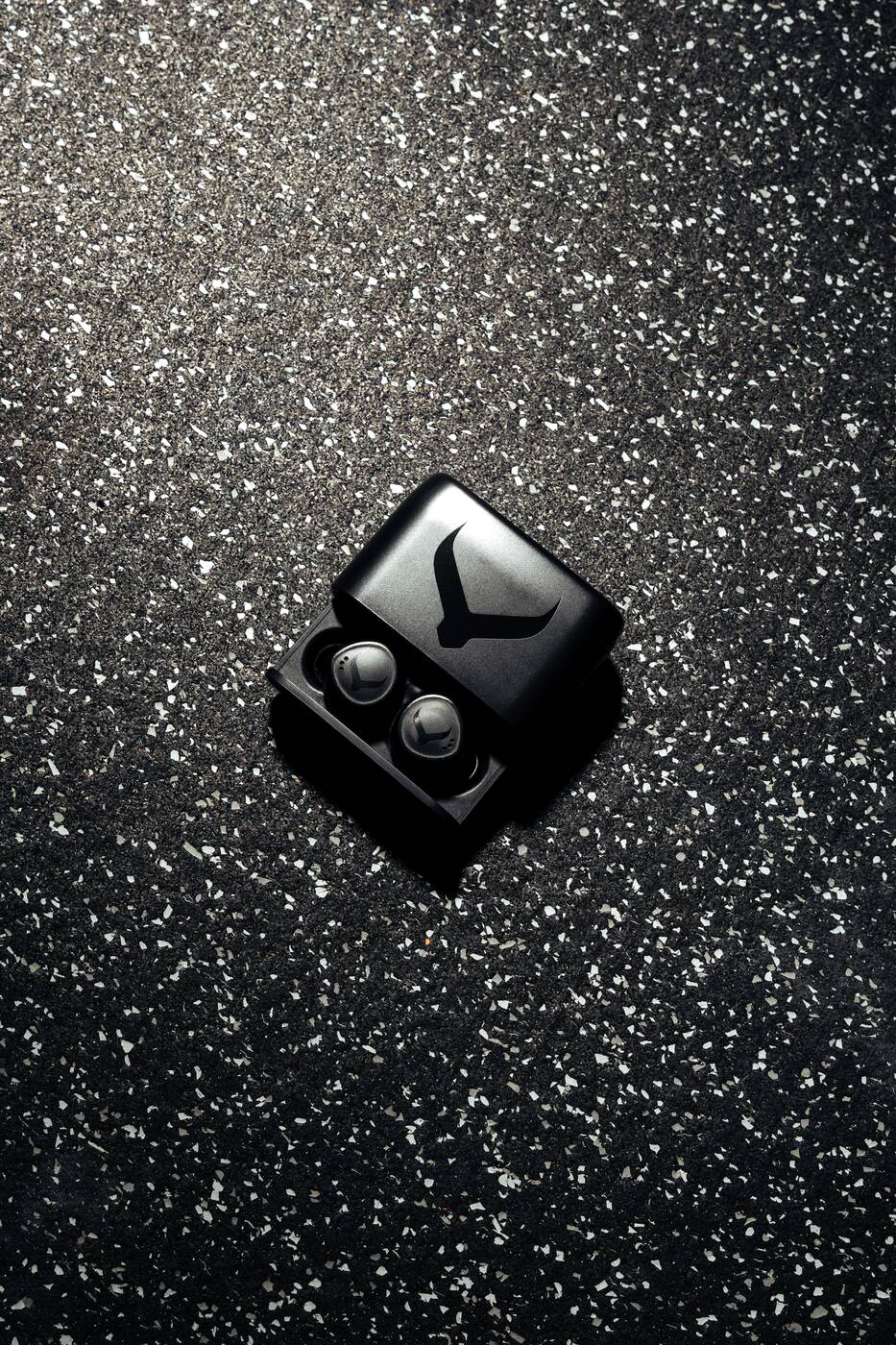
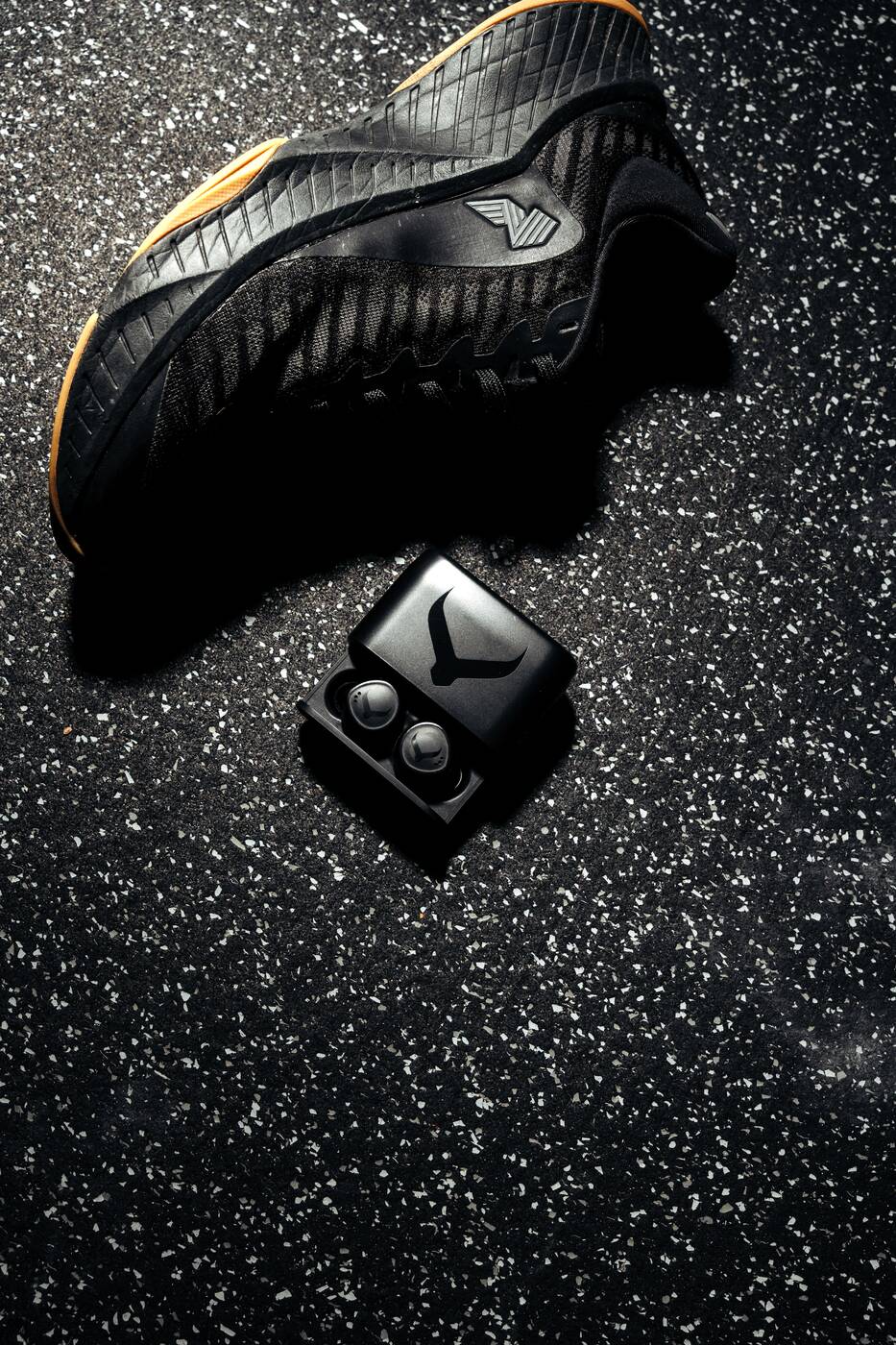
Tzuka’s HYROX earbuds are built specifically for this sport, from the fit architecture to the IP68 rating to the FreedomMode™ offline storage that removes Bluetooth risk from every session entirely.
Train for every station. Secure your Tzuka HYROX earbuds, built for the work that gets you to the start line.
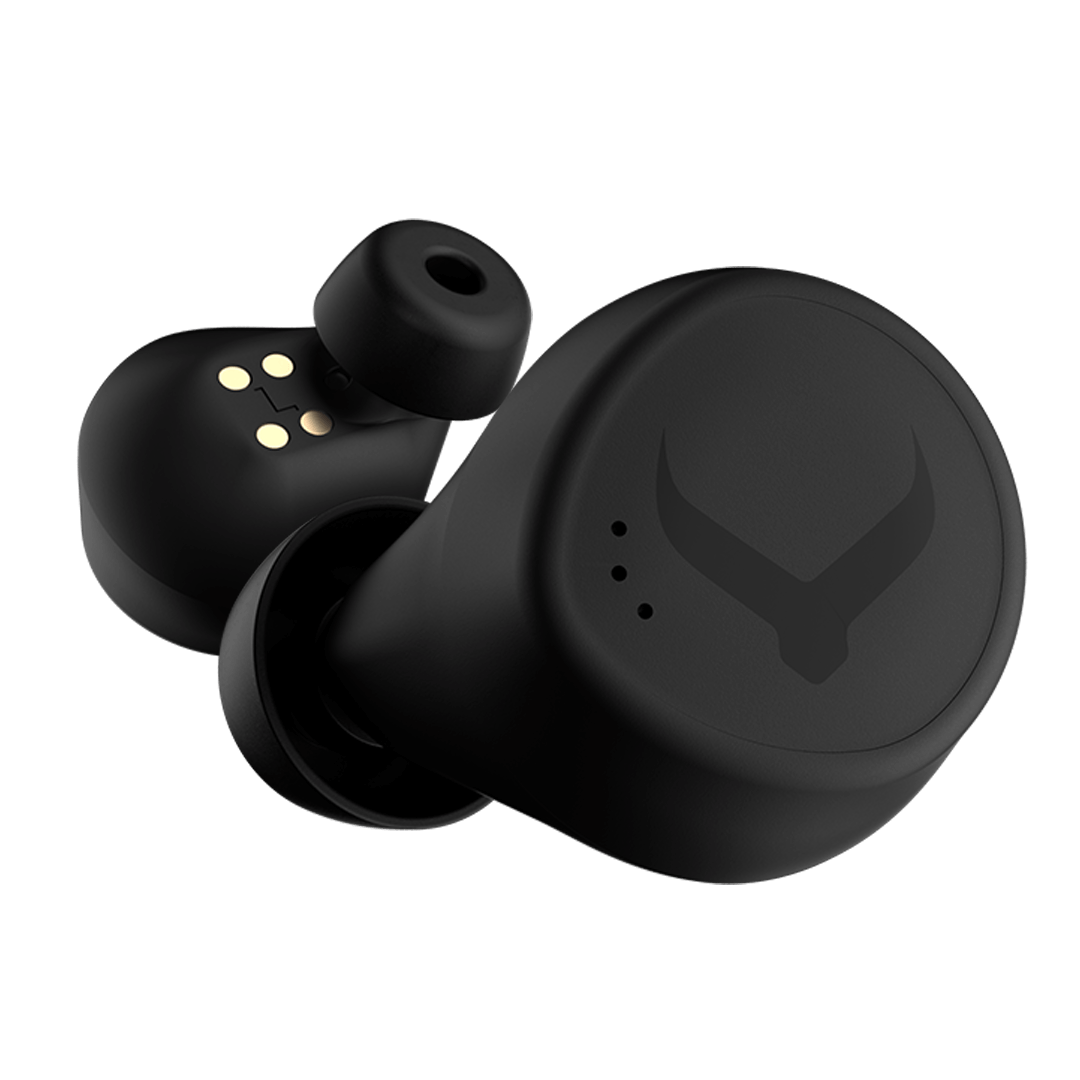
Introducing the ultimate workout earbuds.

















.jpg)


.jpg)


.avif)
.avif)