Tzuka vs Sony WF-SP900 is a comparison more athletes are making in 2026, and it starts with one question: can your earbuds play music without a phone anywhere near you?
The WF-SP900 was one of the first true wireless earbuds with local music storage. Sony has since discontinued it, which leaves anyone who trains phone-free with a decision: hunt down ageing stock, or move to current hardware.
This guide compares both on storage, battery, waterproofing and availability, so you can decide which pair earns a place in your kit bag.
Why Compare Tzuka With the Sony WF-SP900?
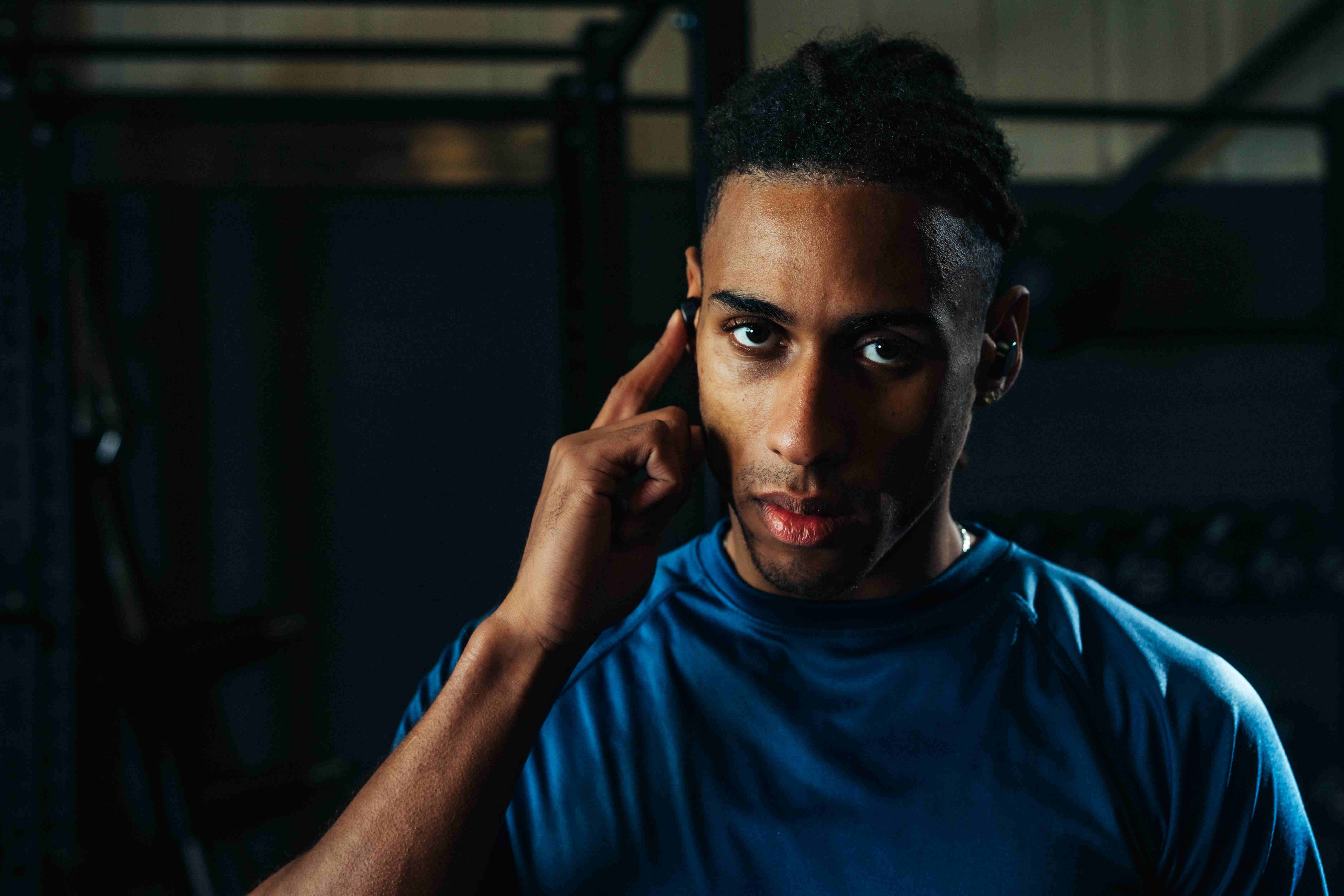
When Sony launched the WF-SP900 in October 2018, it proved something the audio industry had largely ignored: athletes want earbuds that store music on the device itself, not just another Bluetooth accessory. Its 4GB of onboard memory held roughly 920 songs, according to Sony's official specifications.
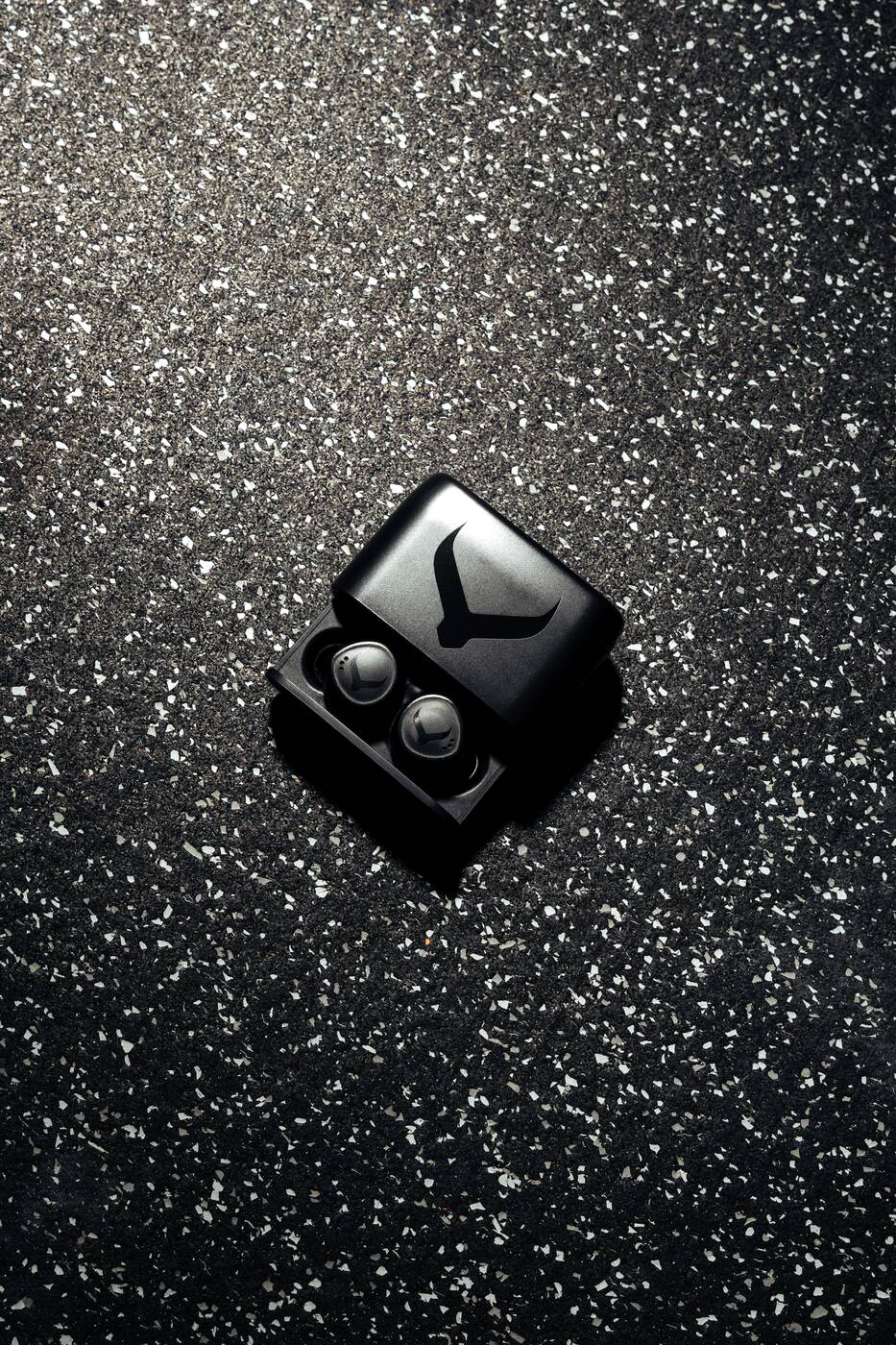
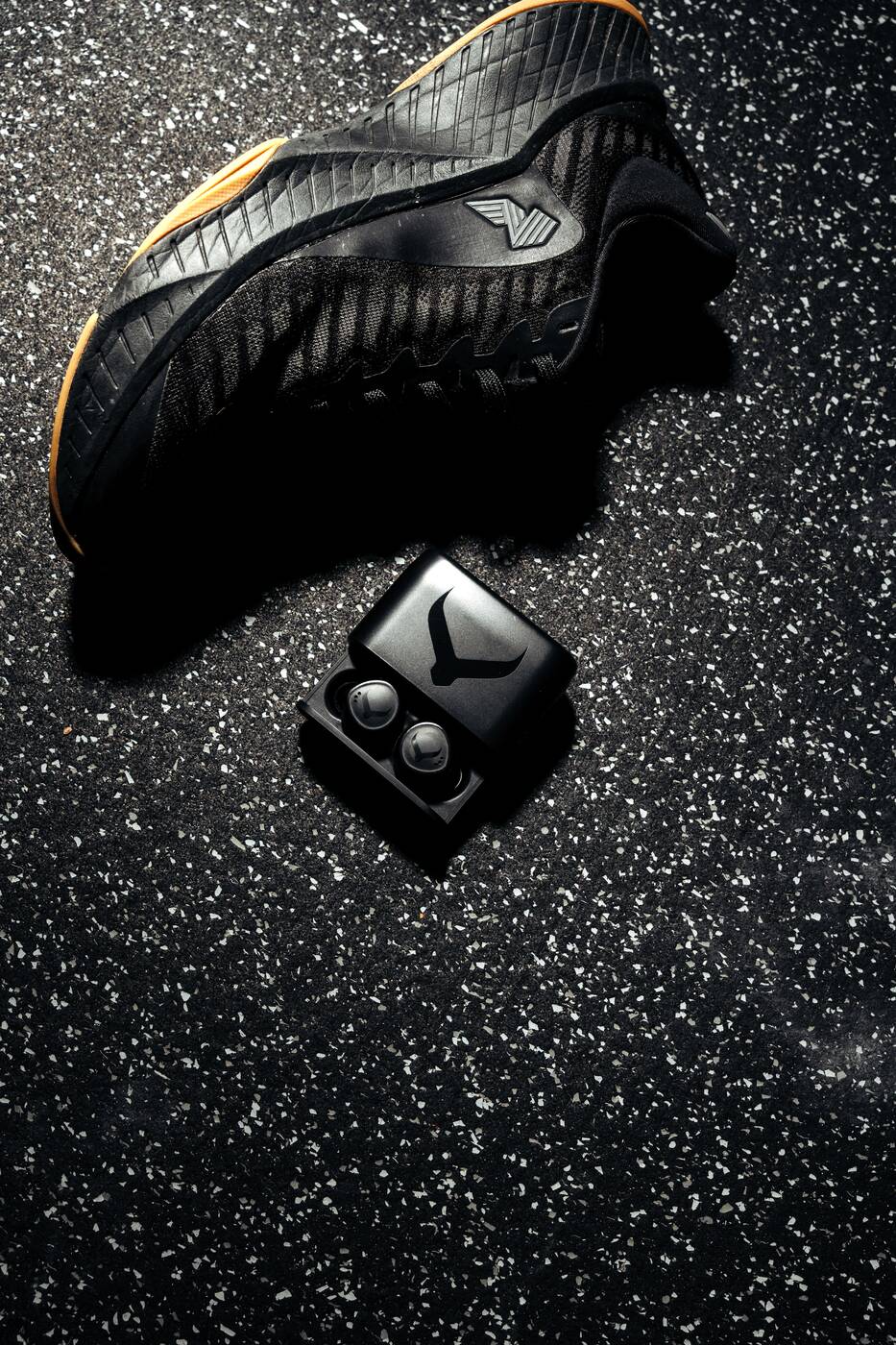
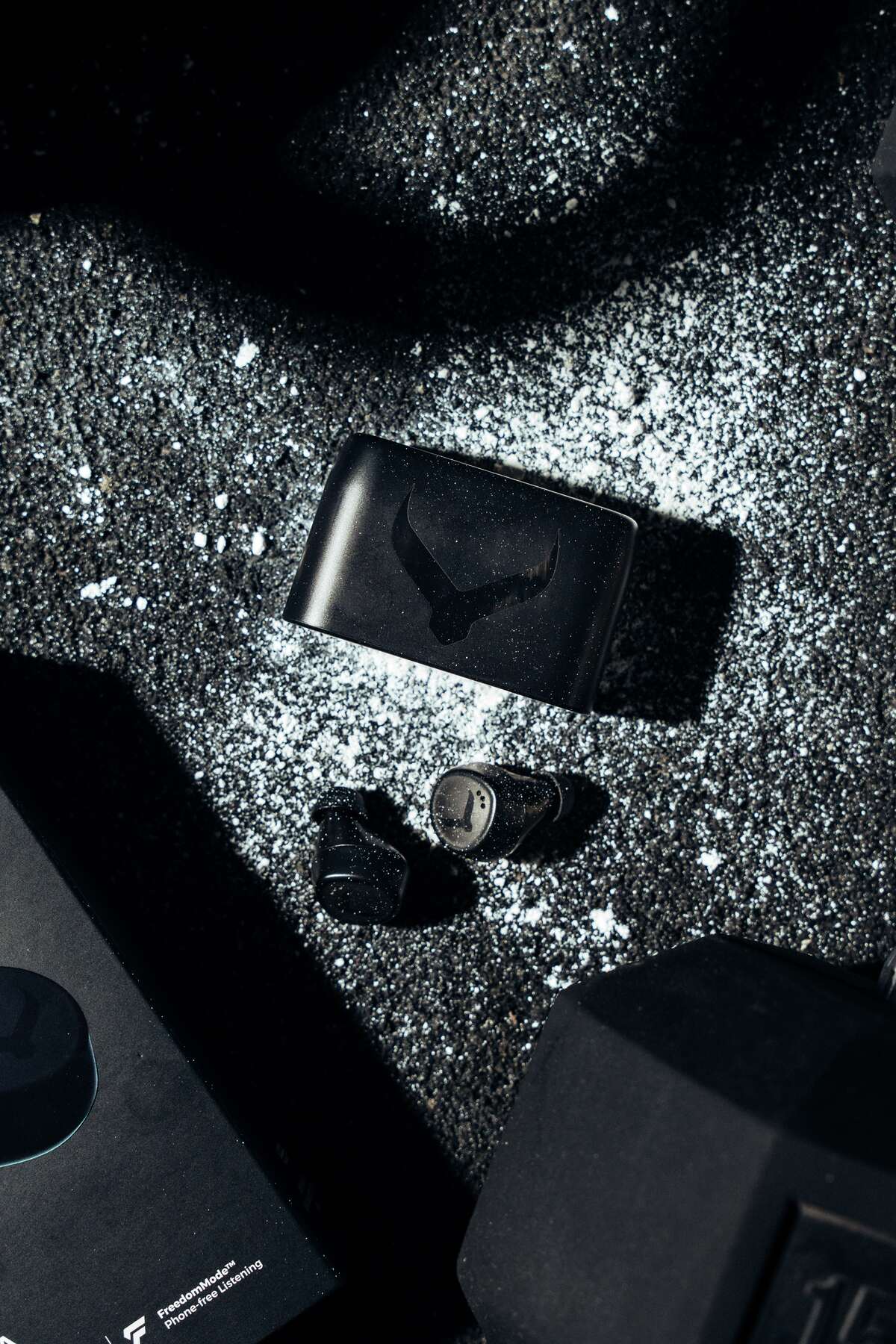
The Tzuka TZ7 Ultra is a current-generation take on the same idea. Its FreedomMode™ stores up to 1,000 songs directly on the earbuds, loaded over a simple wireless sync: no phone, no app, no signal required.
These are two of the very few names that matter if you want genuinely phone-free audio. The difference is that only one of them is still being made.
Spec Comparison: Storage, Battery and Waterproofing
Here is how the two stack up on the numbers that matter for training:
Onboard storage
Sony WF-SP900: 4GB (approx. 920 songs)
Tzuka TZ7 Ultra: Up to 1,000 songs
Battery life
Sony WF-SP900: 3 hrs Bluetooth / 6 hrs offline (12 / 21 hrs with case)
Tzuka TZ7 Ultra: Up to 60 hours
Water resistance
Sony WF-SP900: IPX5/8, swim-rated to 2m, fresh and salt water
Tzuka TZ7 Ultra: IP68, sealed against dust and water
Availability in 2026
Sony WF-SP900: Discontinued, secondhand only
Tzuka TZ7 Ultra: In production
Music storage
On capacity alone this is close to a tie. Sony's 4GB holds around 920 tracks; the TZ7 Ultra holds up to 1,000. Either is weeks of varied playlists. Storage stopped being the differentiator years ago; battery and availability are where the gap opens.
Battery life
This is where the eight-year design gap shows. The WF-SP900 manages 3 hours over Bluetooth or 6 hours playing offline, with the charging case stretching that to 12 and 21 hours respectively. The TZ7 Ultra delivers up to 60 hours of battery life, nearly three times the Sony system's best case, case included. For a full training week without thinking about a charger, that difference is decisive.
Durability and waterproofing
Credit where it's due: the WF-SP900 was built for swimmers, rated IPX5/8 for submersion to 2 metres in fresh and salt water. If open-water swimming is your only sport, that spec was genuinely impressive.
The TZ7 Ultra takes a broader approach: an IP68 rating that seals the electronics against both dust and water (sweat, chalk, rain and gym-floor abuse), plus noise cancelling for training in loud environments. For functional fitness rather than lane swimming, it's the more complete tool.
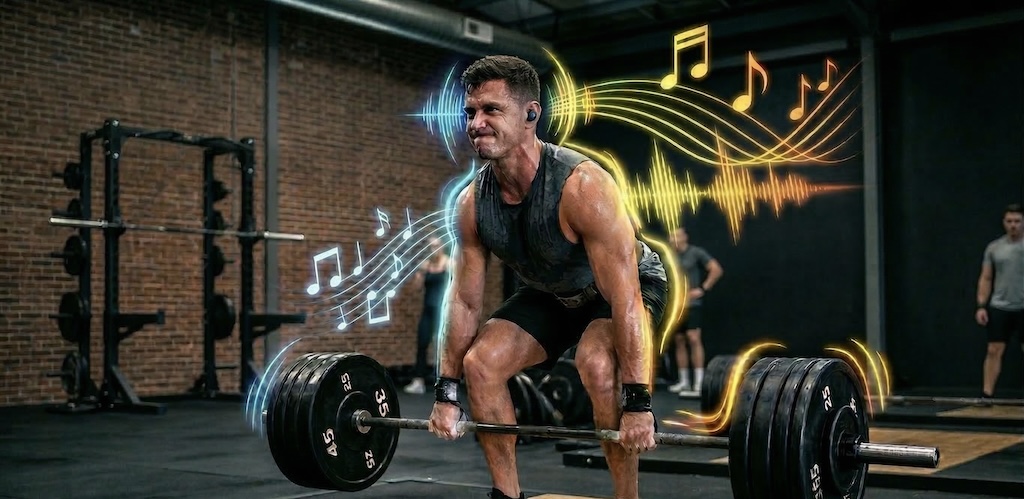
Curious what 1,000 songs onboard feels like mid-session? Explore the TZ7 Ultra, phone-free earbuds built for functional fitness athletes.
The Catch: Sony Discontinued the WF-SP900
Sony's own product pages now list the WF-SP900 as discontinued. New units stopped shipping years ago; what remains is secondhand stock. That matters for three reasons:
- Lithium batteries degrade with age: a 2018-era unit has lost real capacity before you even unbox it.
- Secondhand units carry no manufacturer warranty.
- Long-term software and app support is uncertain for any discontinued product.
A great spec sheet can't fix availability. Recommending the WF-SP900 in 2026 means recommending an ageing, unsupported product.
Choosing Earbuds With Built-In Storage in 2026
If the WF-SP900 proved the category, the buying checklist for earbuds with built-in storage 2026 has since matured. Our guide to how earbuds with built-in MP3 storage work covers the mechanics in depth. The short version:
- Capacity: around 1,000 songs is the practical benchmark for varied training playlists.
- Sealing: IP68 matters more on storage earbuds: the onboard memory and processor are sensitive components.
- Battery: offline playback draws more power, so look well beyond the 5–6 hour standard of older models.
- Dual-mode: the best earbuds with local music storage still pair to your phone over Bluetooth when you want them to.
And if you're building a fully screen-free routine, our phone-free workout earbuds guide covers how athletes structure sessions without a phone at all.
FAQ
Is the Sony WF-SP900 still available in 2026?
Not as a new product. Sony launched the WF-SP900 in October 2018 and has since discontinued it; its official product pages confirm the status. You can still find secondhand units on resale marketplaces, but expect degraded battery capacity and no manufacturer warranty on those purchases.
How many songs can Tzuka earbuds store?
The Tzuka TZ7 Ultra stores up to 1,000 songs onboard using FreedomMode™. You load your library once over a simple wireless sync, then train with zero phone dependency: no streaming, no signal, no Bluetooth source needed for playback.
Do offline storage earbuds still connect to Bluetooth?
Yes. Most current earbuds with local music storage, including the TZ7 Ultra, are dual-mode: standalone offline playback when you train, standard Bluetooth pairing when you want your phone. You switch based on the session, which makes them strictly more versatile than Bluetooth-only earbuds.
Which is better for swimming?
On paper, the Sony WF-SP900's IPX5/8 rating (submersion to 2 metres in fresh and salt water) made it a purpose-built swimming earbud. The TZ7 Ultra's IP68 rating seals against dust and water for hard training environments. Open-water swimmers should weigh the risk of ageing secondhand Sony hardware against current alternatives.
Final Verdict: Tzuka vs Sony WF-SP900

Sony deserves real credit: the WF-SP900 proved that athletes want their music on the earbuds, not on a phone strapped to an armband. But a comparison in 2026 is one-sided in practice. One product is discontinued, secondhand-only, with 2018-era battery life. The other is in production, UK-made, with up to 60 hours of battery, 1,000 songs of onboard storage, IP68 sealing and noise cancelling.
In the Tzuka vs Sony WF-SP900 matchup, the honest verdict is this: the WF-SP900 was ahead of its time. The TZ7 Ultra is of its time.
Ready to train phone-free? Explore the TZ7 Ultra at tzuka.com and load your first 1,000 songs before your next session.
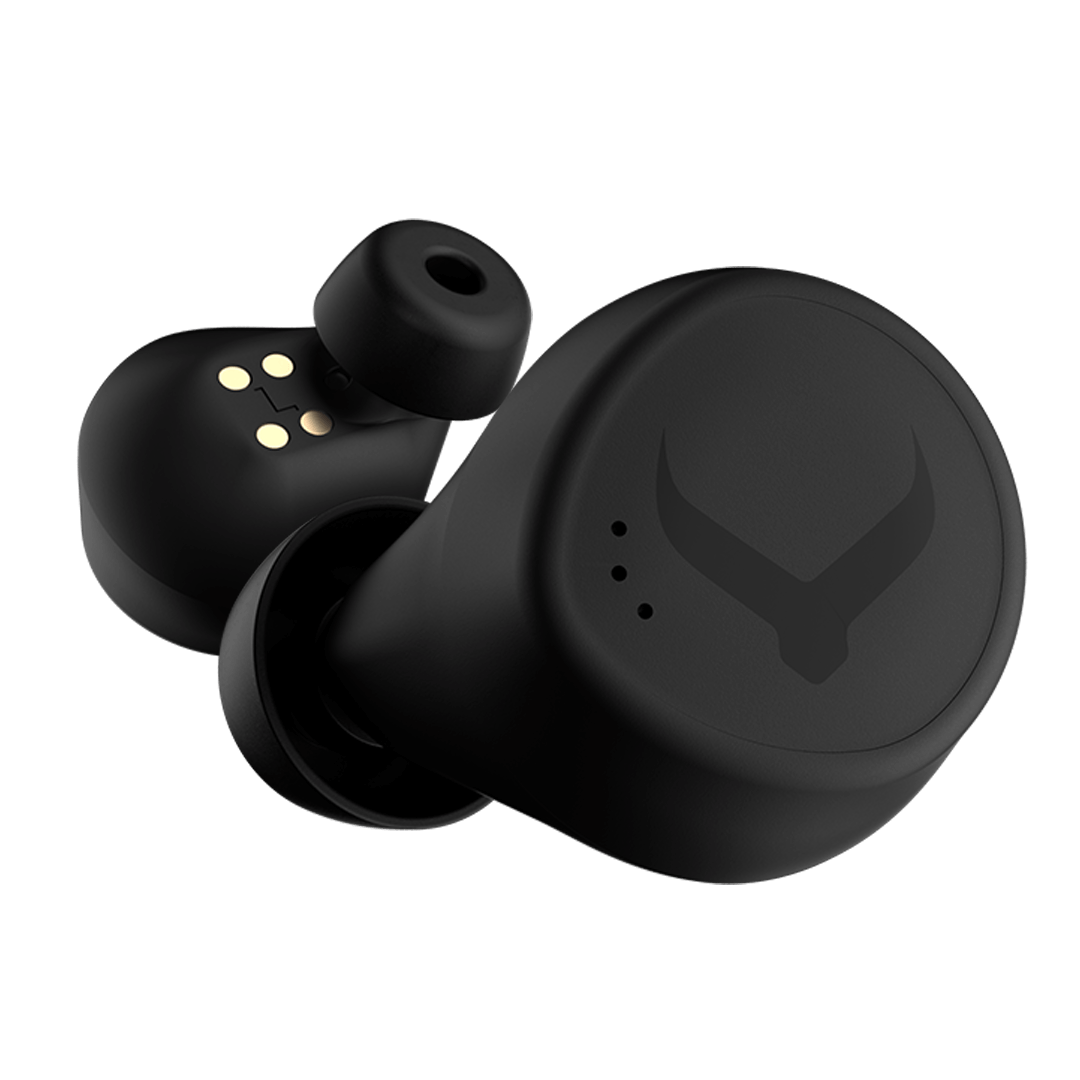
Introducing the ultimate workout earbuds.











.jpg)


.jpg)


.avif)
.avif)