

Want to deadlift 180kg and run a sub-20 5K in the same week? That's the promise of hybrid athlete training, and it's reshaping how serious lifters and runners structure their year. A 2024 Strava report logged a 47% year-on-year rise in users combining strength sessions with runs in the same week. This guide covers what hybrid training actually is, why concurrent strength-and-endurance work doesn't kill your gains, how to build a weekly split, and how to slot in a HYROX training plan or functional fitness workout without burning out.
What Is Hybrid Athlete Training?
Hybrid athlete training combines strength and endurance development inside the same training block, usually structured around running, lifting, and a competitive event such as HYROX, CrossFit, or Spartan racing.
The goal isn't to be world-class at one discipline. It's to be excellent at both, capable of squatting heavy and finishing a half-marathon without falling apart. Think Nick Bare, Fergus Crawley, or any HYROX Pro Doubles athlete.
Hybrid vs CrossFit vs Triathlon
- CrossFit: mixed-modal at high intensity, mostly short
- Triathlon: three endurance disciplines, no heavy strength focus
- Hybrid: explicit dual goal of heavy strength and long-format endurance
The Science: Why Concurrent Training Works
For decades, the "interference effect", first described by Robert Hickson in 1980, was used to argue that lifting and running together cancels both adaptations.
More recent reviews from the National Strength and Conditioning Association [opens in new tab] tell a more nuanced story: interference is real but small, and almost entirely manageable through smart periodisation, session order, and recovery.
Key principles:
- Separate strength and endurance sessions by 6+ hours when possible
- Lift before you run if the day's priority is strength
- Keep most running volume in Zone 2 (60–70% max HR)
- Cap high-intensity intervals at 1–2 sessions per week
Athletes who fail at concurrent training usually treat it like two separate plans glued together, not a single integrated programme.
Building Your Weekly Hybrid Athlete Training Split

A workable template for an intermediate hybrid athlete:
- Monday: Heavy Lower Lift (squat focus)
- Tuesday: Zone 2 Run, 45–60 min
- Wednesday: Heavy Upper Lift (press + pull)
- Thursday: Threshold Run or Functional Fitness Workout
- Friday: Posterior Chain Lift (deadlift + accessories)
- Saturday: Long Run (60–90 min, conversational)
- Sunday: Active recovery or full rest
This is the same skeleton most successful HYROX age-groupers follow. For a fully periodised version, see our 12-week HYROX training plan.
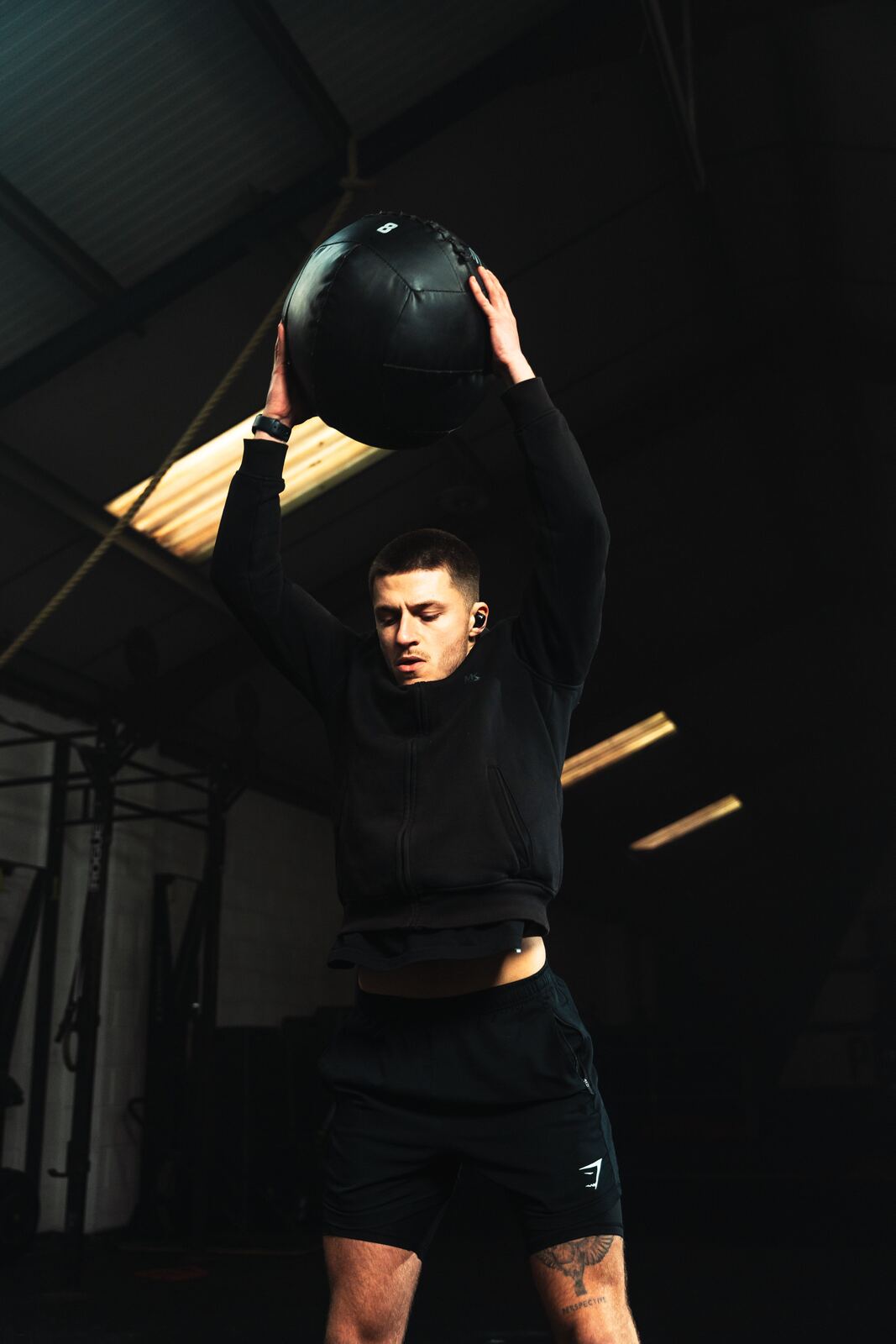
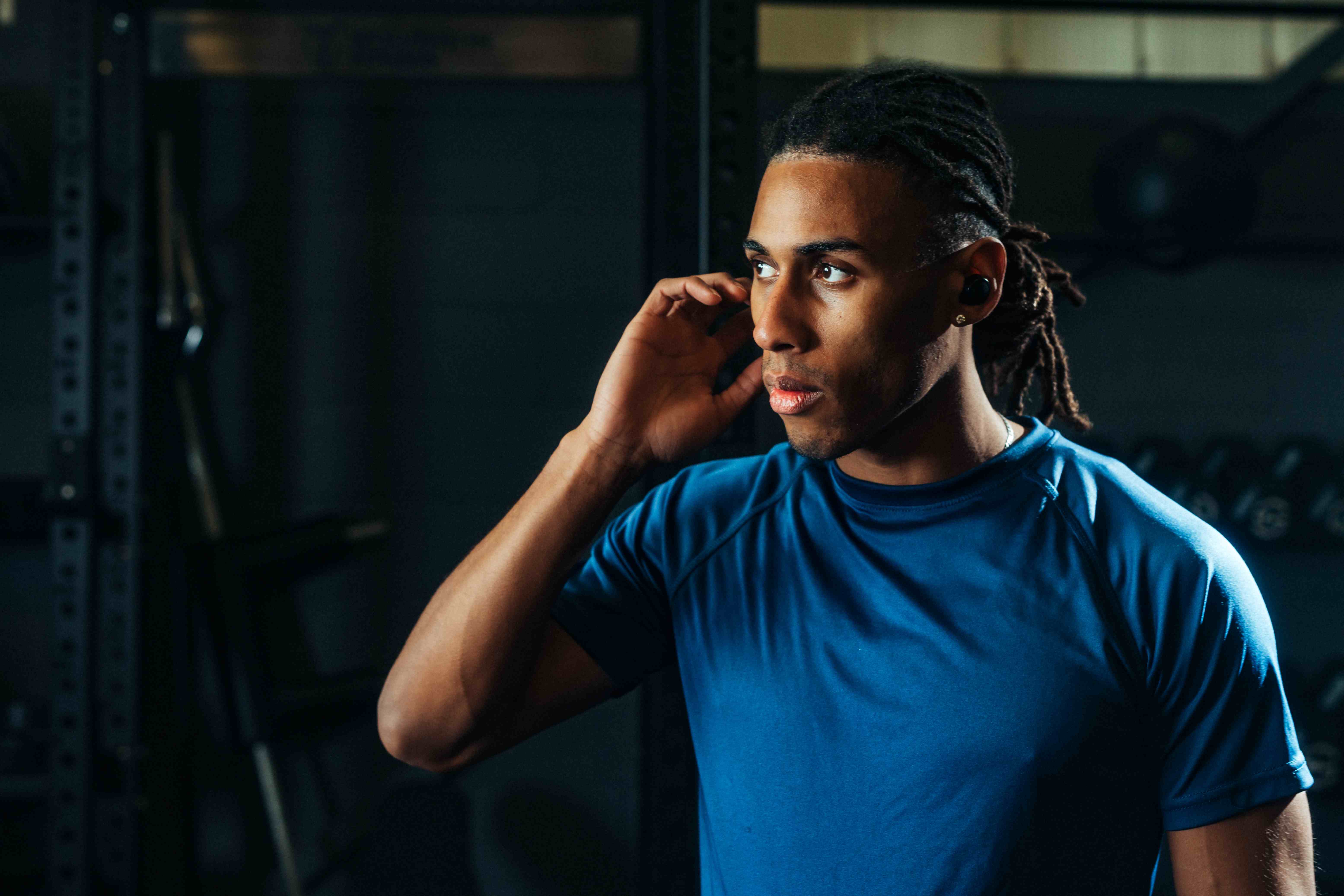
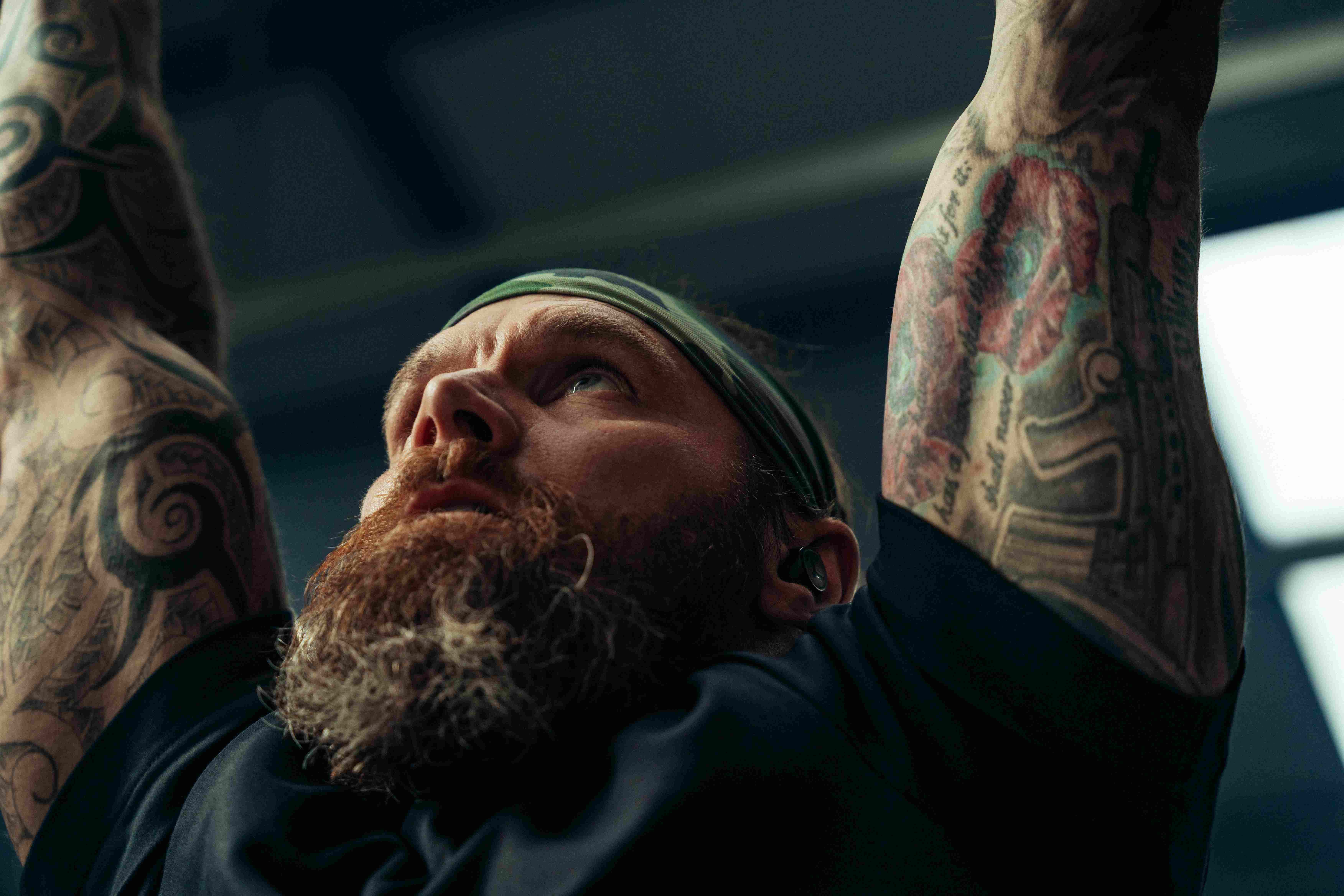
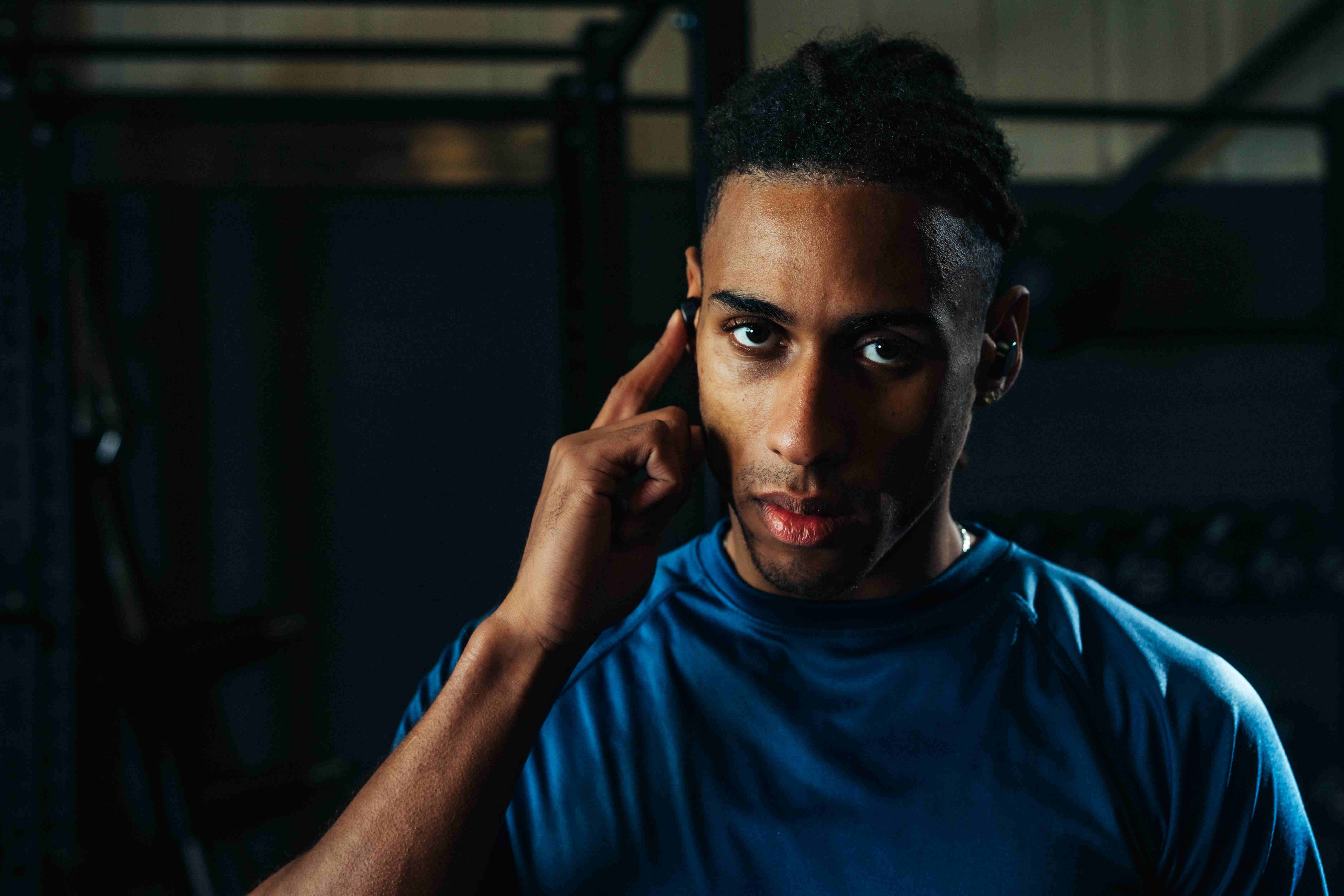
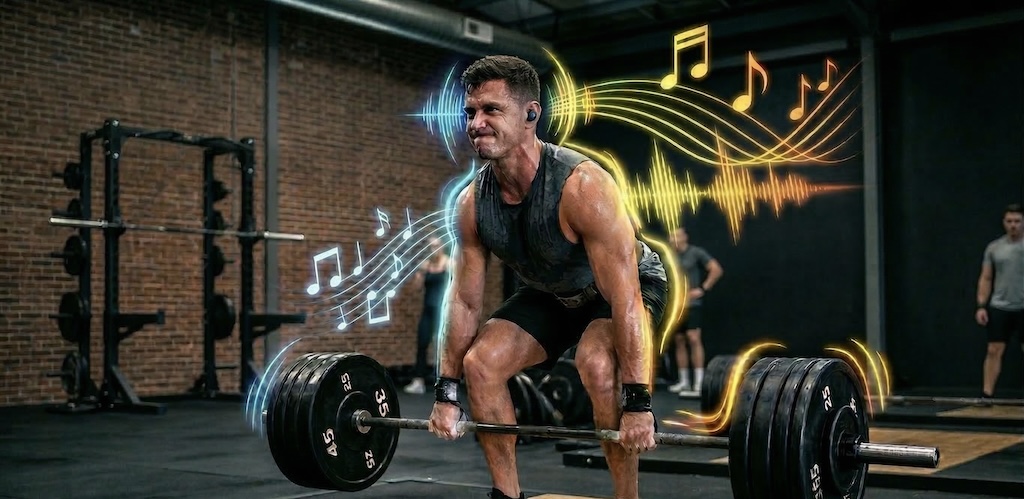
Mid-article tip: Hybrid athletes are increasingly ditching the phone during sessions; pockets mid-burpee broad jump are a death sentence for an iPhone. Earbuds with onboard music storage let you train without one. See our guide to training without your phone.
HYROX Training Plan Essentials
A solid HYROX training plan has four non-negotiable layers:
1. Aerobic base
60–70% of your running volume in Zone 2. This builds the engine that powers the 8 × 1km runs in a HYROX race.
2. Strength endurance
Sub-maximal lifts at 60–75% 1RM for 8–15 reps: kettlebell swings, walking lunges, sandbag carries. Built for repeatability under fatigue.
3. Race-specific stations
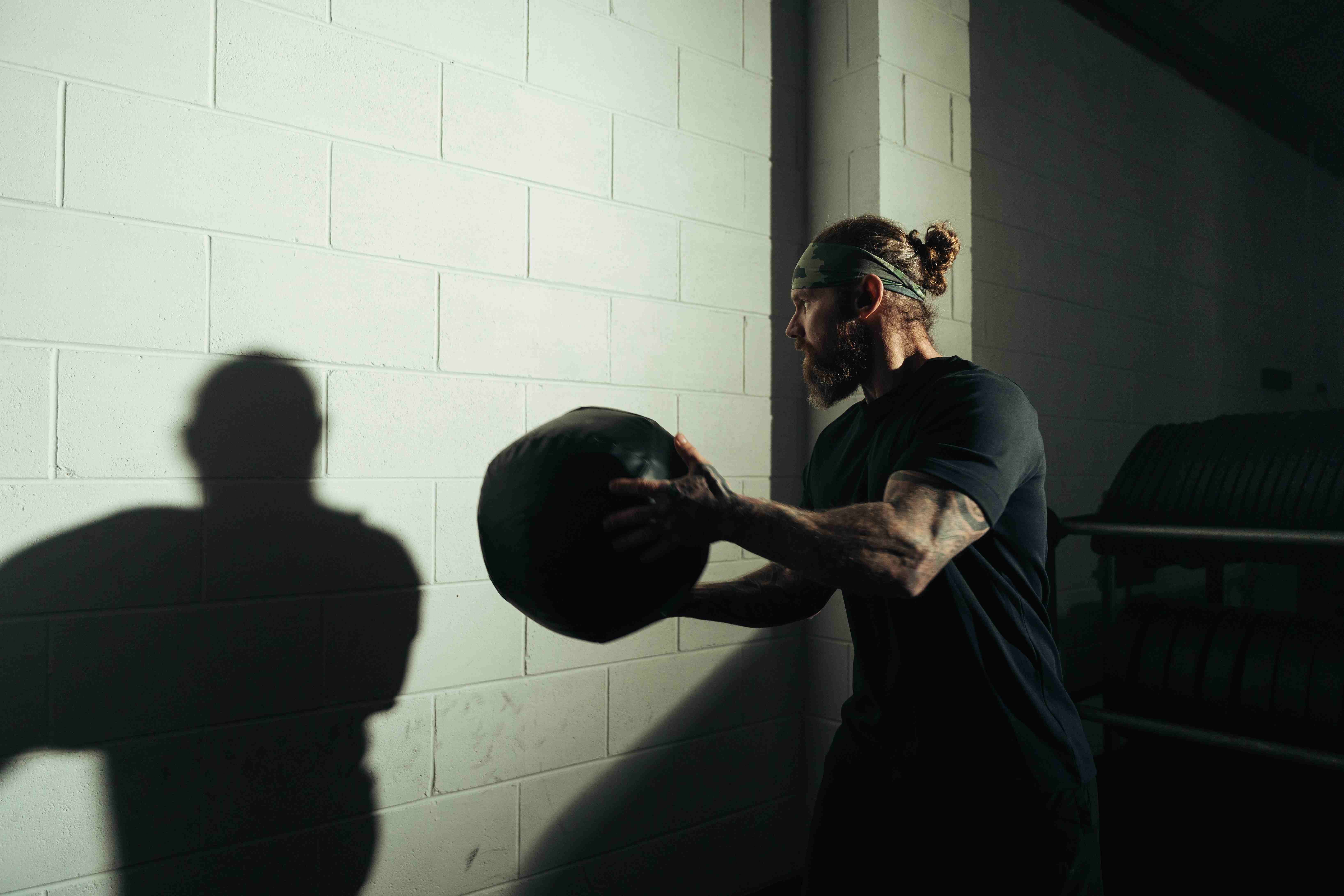
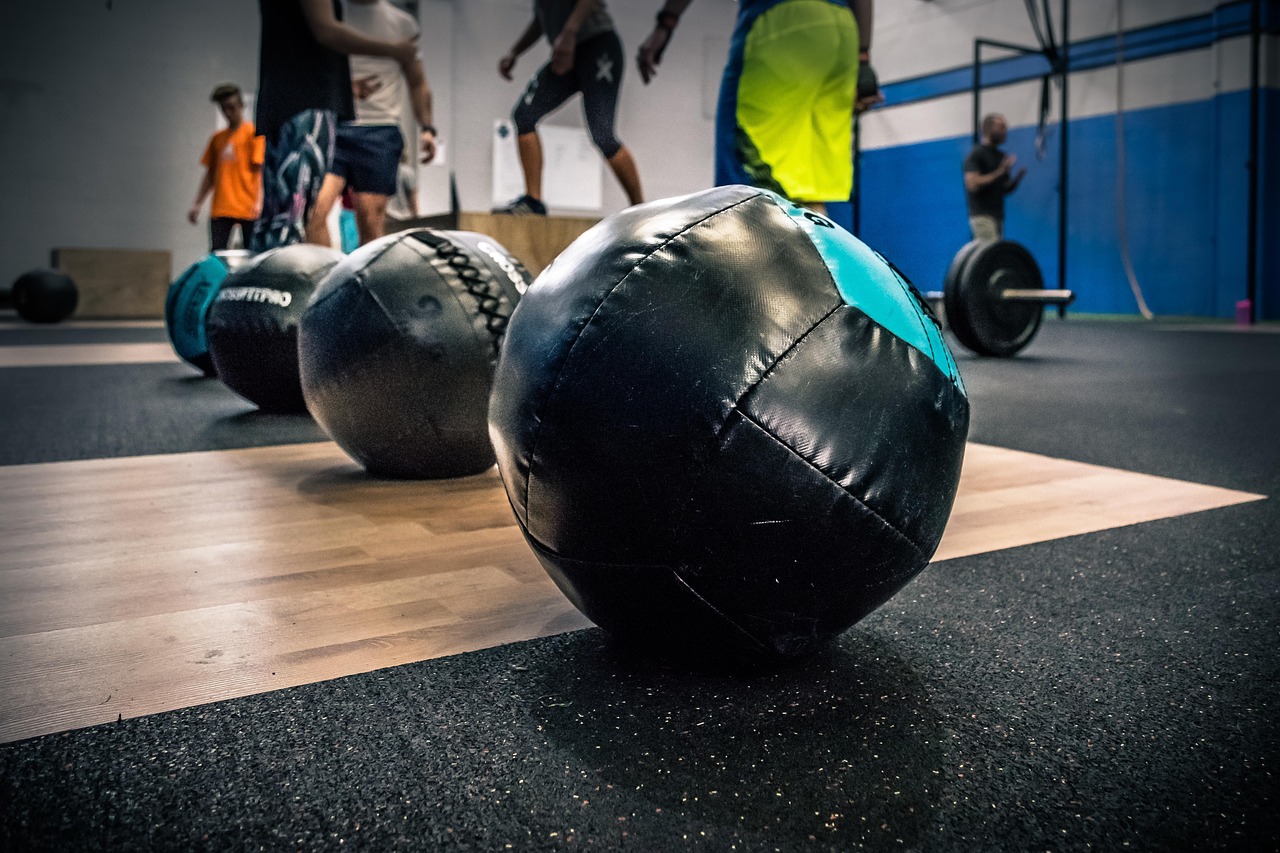
Sled push/pull, burpee broad jumps, wall balls, rowing, farmer carries. Train them in compound circuits, not in isolation.
4. Mixed-modal threshold work
This is where a functional fitness workout earns its keep. Example: 5 rounds of 400m run + 20 wall balls + 15 burpee broad jumps. It mimics race intensity and trains the nervous system to switch modes quickly.
According to HYROX official data [opens in new tab], the average men's Open finisher sits around 1:30:00; beating it requires consistent functional fitness conditioning.
Recovery, Sleep, and Tracking Progress
Hybrid training fails on under-recovery, not under-training.
- Sleep 7.5–9 hours, non-negotiable
- Eat 1.6–2.0g protein per kg bodyweight
- Track HRV weekly: drops > 10% mean back off
- Deload every 4–6 weeks: drop volume 40%, hold intensity
A 2023 British Journal of Sports Medicine [opens in new tab] review confirmed sleep is the single highest-leverage recovery variable for concurrent-training athletes.
Frequently Asked Questions
How many days a week should a hybrid athlete train?
Most hybrid athletes train 5–6 days per week, typically 3 strength sessions and 3–4 cardio sessions. Beginners should start at 4 days and add a session every 2–3 weeks once sleep, soreness and HRV stay green. Quality beats total count.
Can you build muscle while training for HYROX?
Yes: eat a slight caloric surplus, progress compound lifts twice weekly, and keep running mostly in Zone 2. Concurrent training reduces hypertrophy gains by roughly 10–15% versus pure lifting, not 100%. Plenty of room to grow muscle and run fast.
What's the best functional fitness workout for hybrid athletes?
A 5-round circuit of 400m run, 20 wall balls, 15 burpee broad jumps and 200m sled push covers running, strength endurance, and race conditioning in 25–35 minutes. Scales cleanly: drop reps for beginners, add rounds for advanced.
Do I need a coach for a HYROX training plan?
Not initially. A structured 12-week HYROX training plan will get most beginners to a sub-90-minute finish without 1:1 coaching. Coaches add value once you're chasing sub-75 minutes or competing in Pro Doubles, where pacing and station execution become the limiter.
How long to become a competitive hybrid athlete?
Expect 12–18 months of consistent training to reach intermediate hybrid status: 1.5x bodyweight squat, sub-22 5K, and a sub-90 HYROX. Elite levels typically take 3–5 years of structured concurrent training plus a sport background.
Conclusion
Hybrid athlete training is no longer fringe; it's the fastest-growing performance category in fitness, and the science has caught up enough to do it right. Build your aerobic base, lift heavy 2–3x weekly, layer in race-specific functional fitness work, and respect recovery. A structured HYROX training plan gives the framework; consistency gives the result.
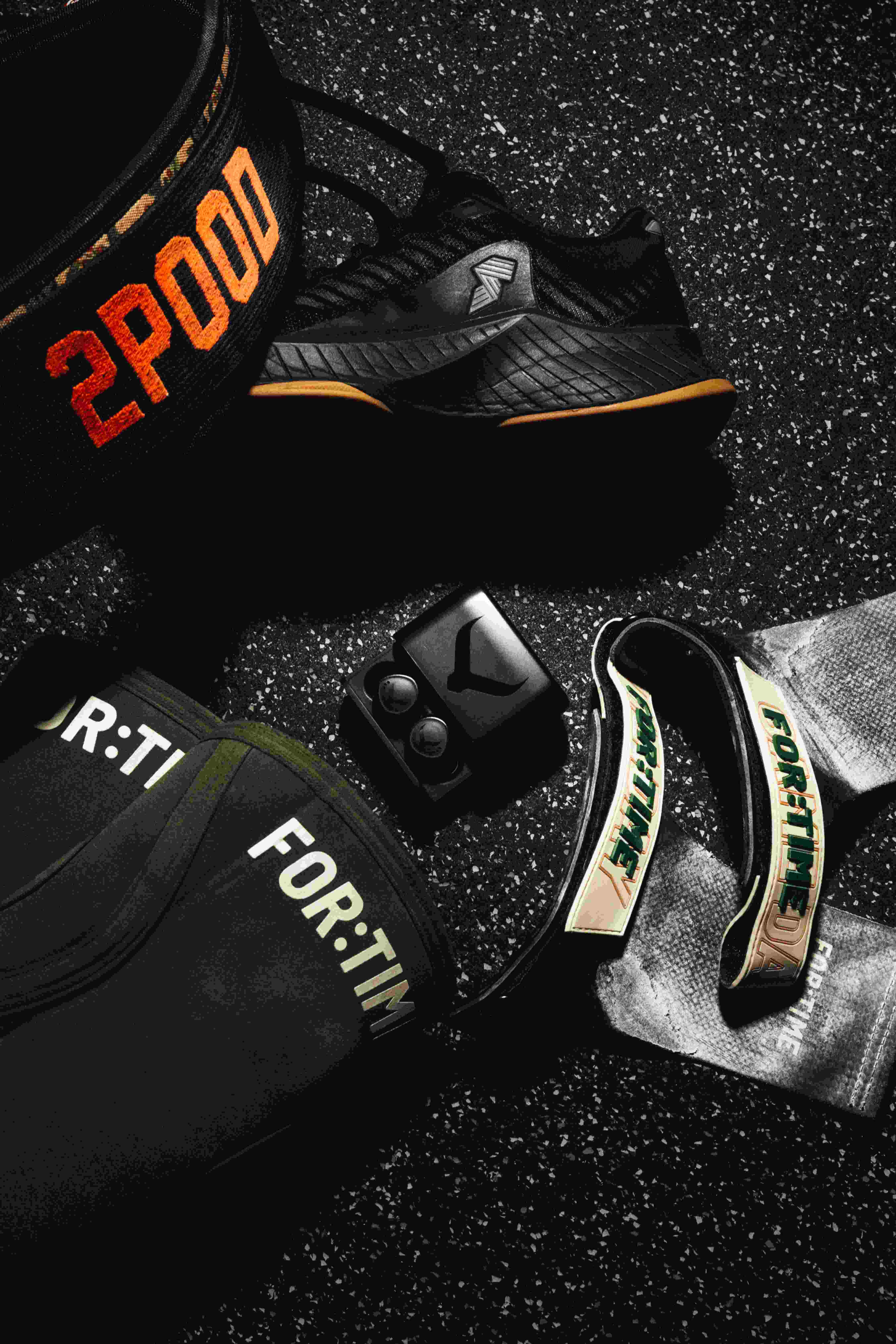
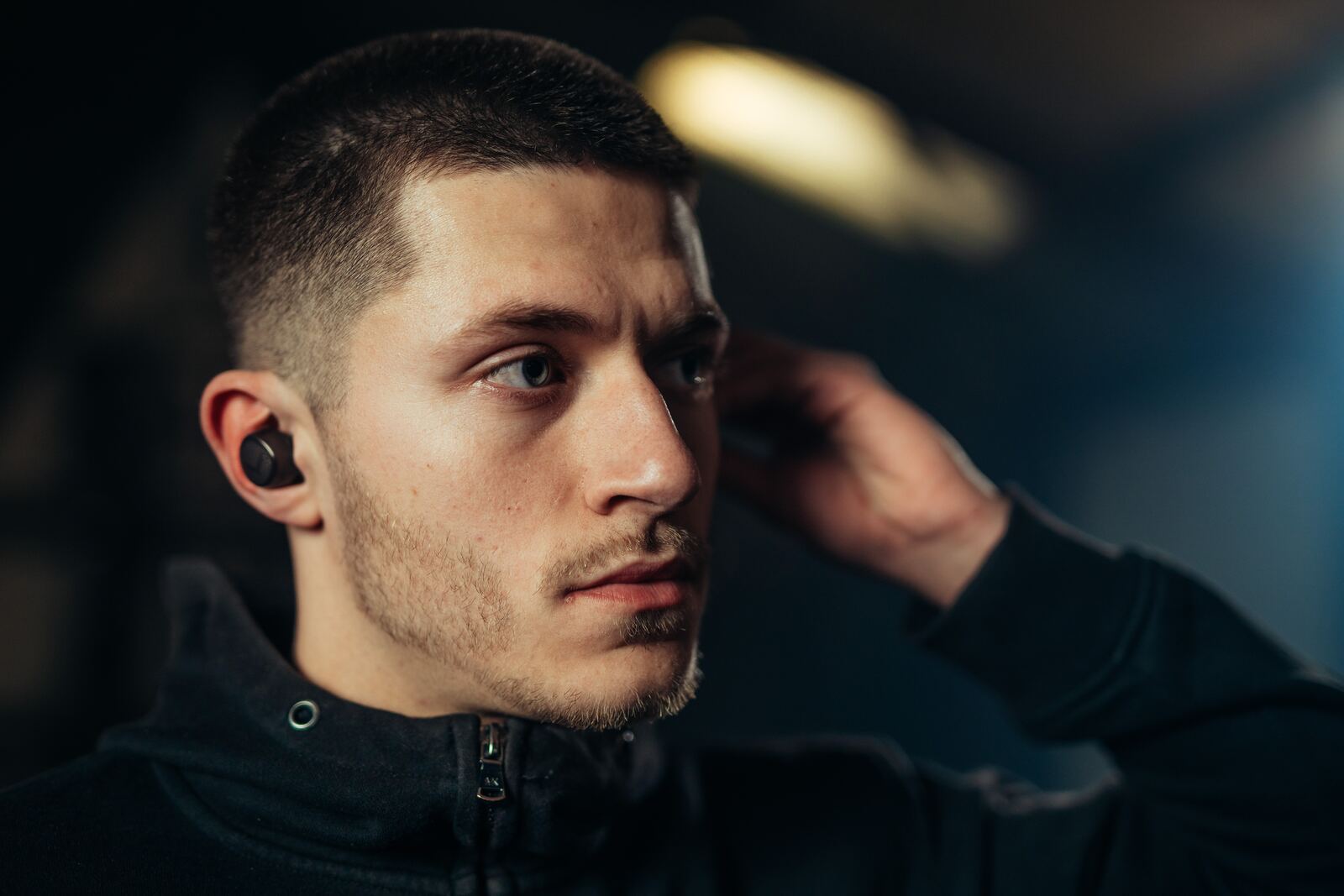
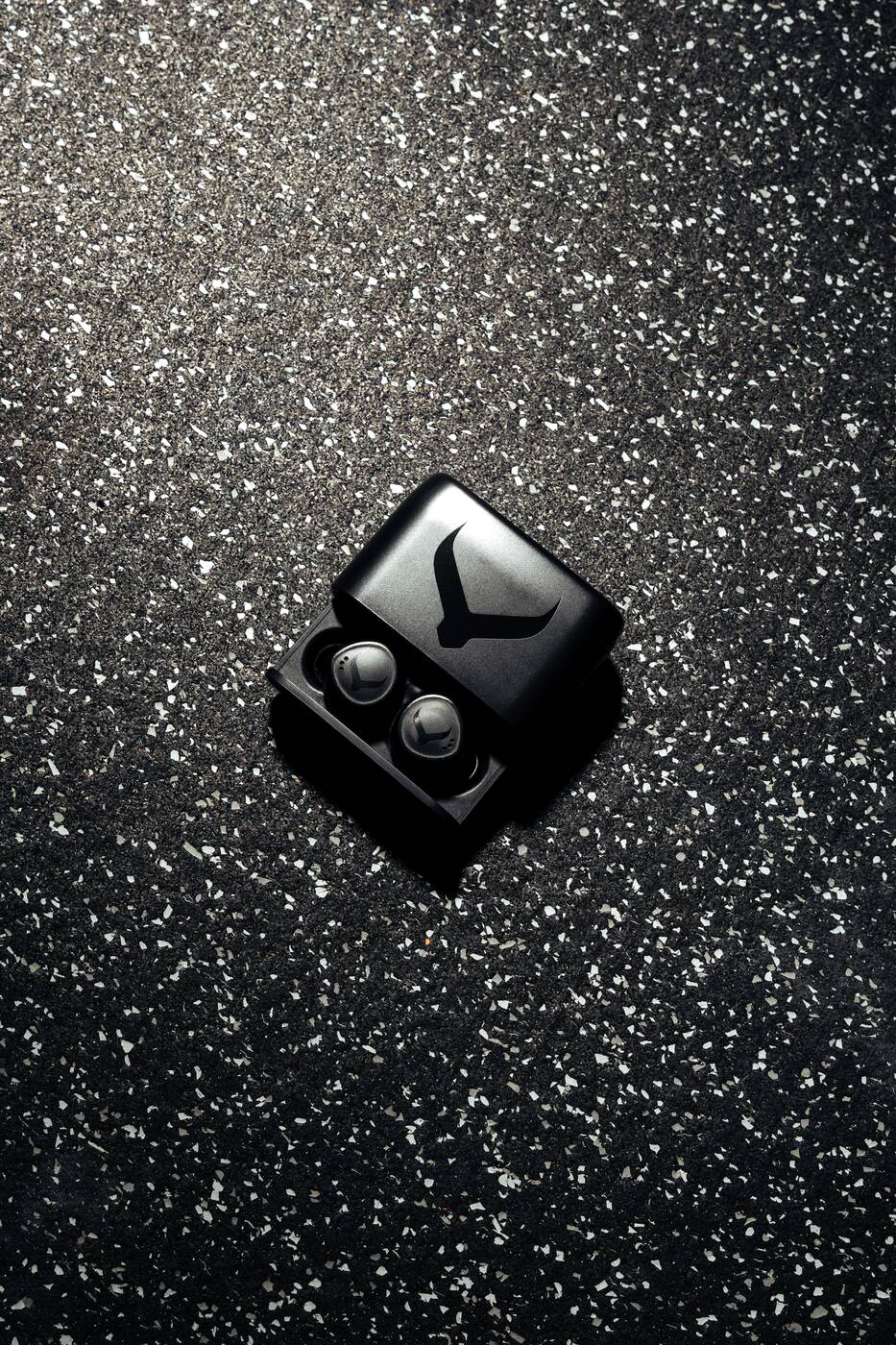
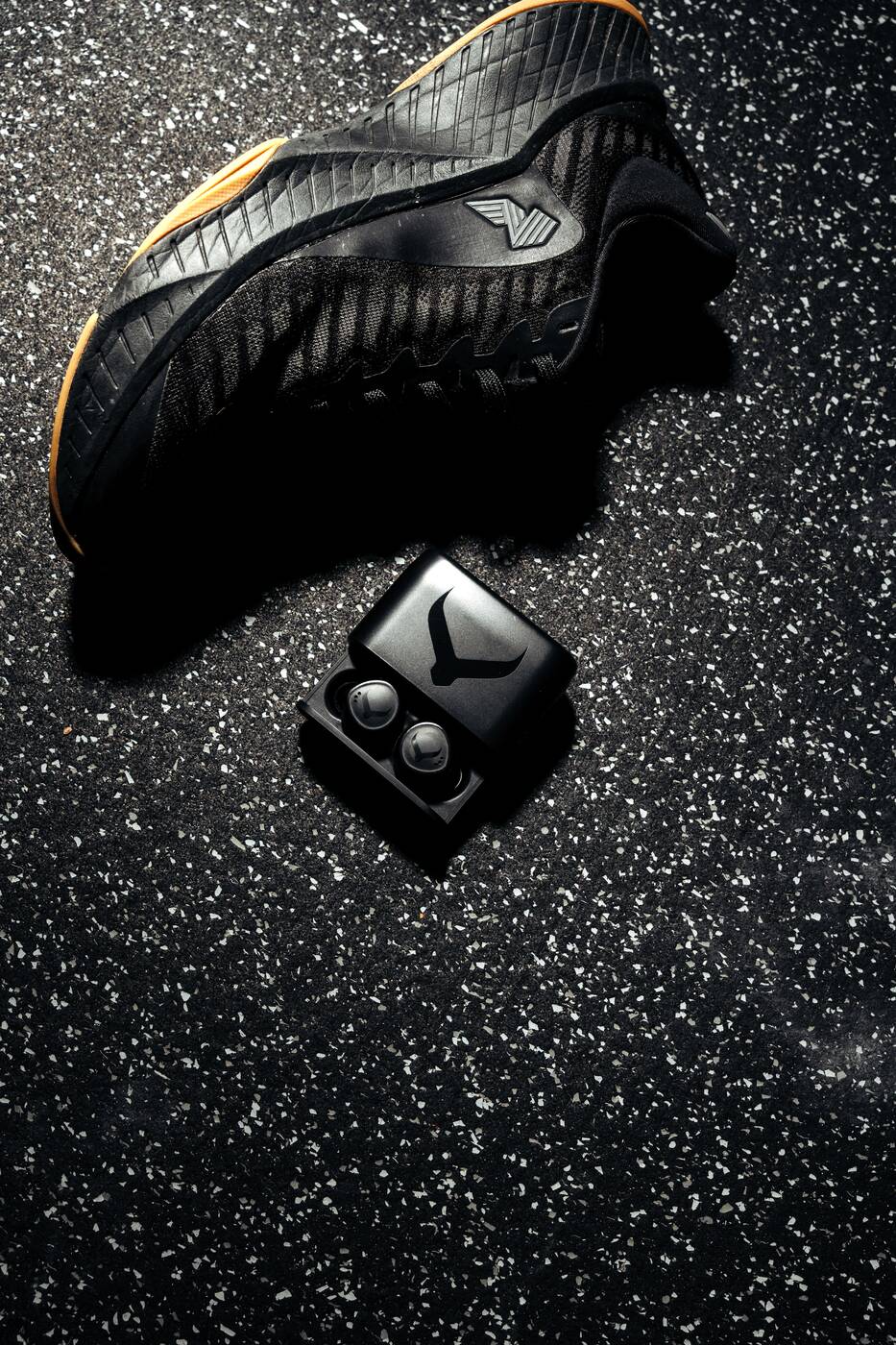
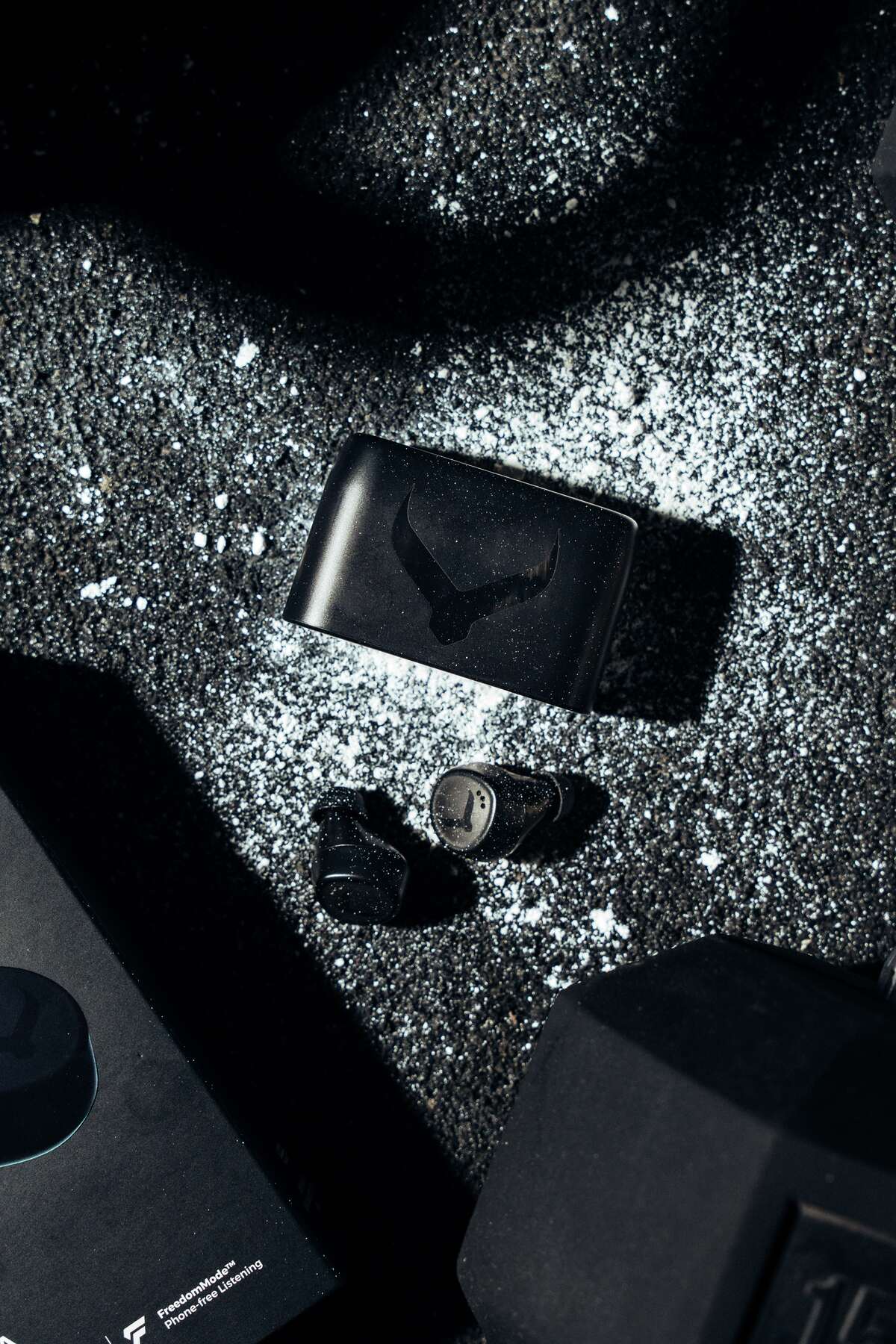
Ready to train without your phone holding you back? Tzuka earbuds load your full training playlist directly onto the buds: IP68-rated, no signal drops, no pocket required. Built for sled pushes, burpee broad jumps, and athletes who refuse to let tech be the weak link.
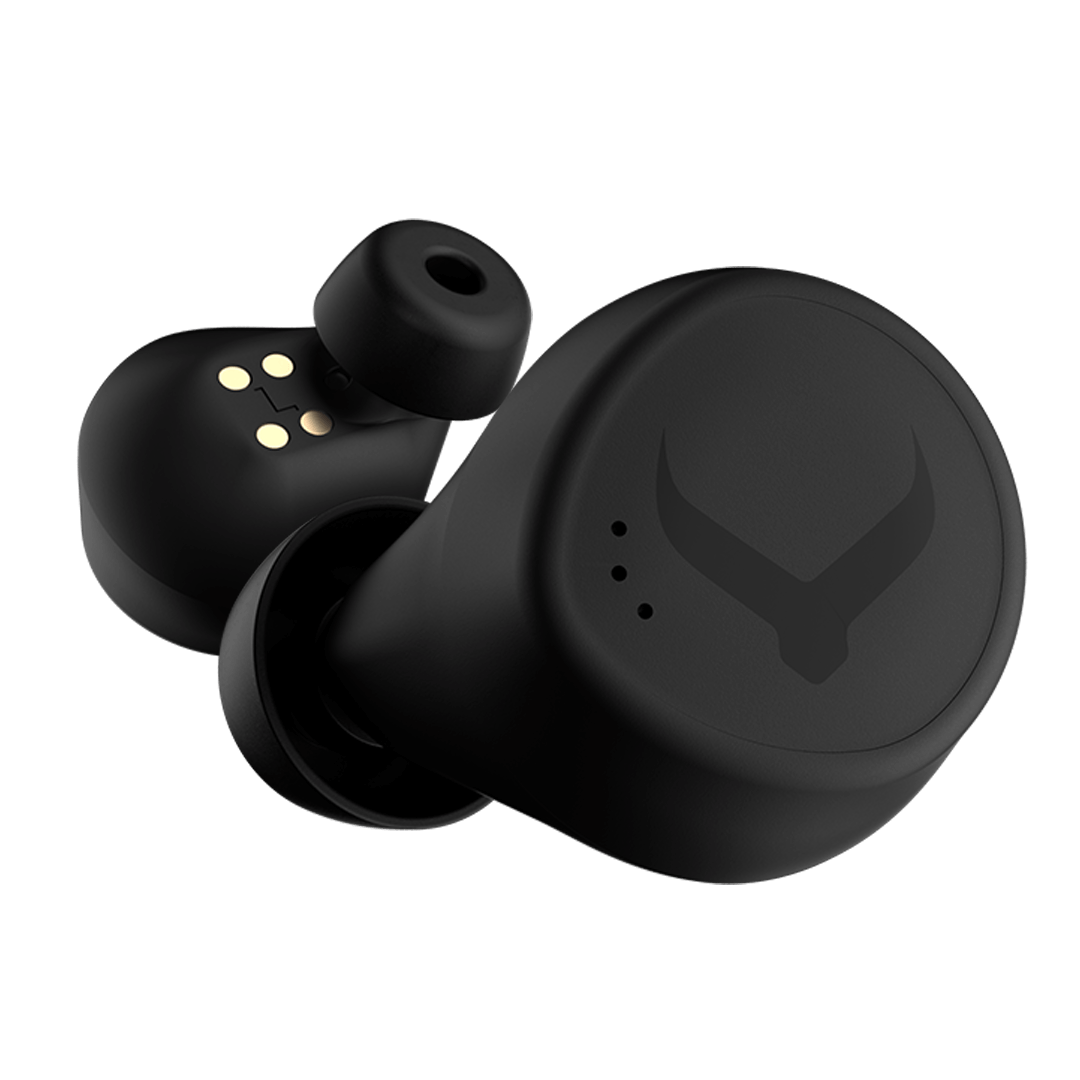
Introducing the ultimate workout earbuds.












.jpg)


.jpg)


.avif)
.avif)