Why Your Earbuds Keep Breaking (And What to Do About It)
Most workout earbuds die within 12 months: sweat, drops, case hinges and battery wear quietly finish them off. This guide breaks down the five failure modes that actually kill earbuds, the specifications that prove durability (not the marketing), and what indestructible earbuds genuinely look like for hybrid athletes who train hard and train often.


If you train hard, you've probably gone through three or four pairs of earbuds in the last two years. Sweat, impact, case-hinge stress and battery wear quietly kill most workout earbuds within 12 months, and the industry's replacement cycle is happy to sell you the next pair. Earbuds that don't break exist, but the specs that matter aren't the ones marketers lead with. This guide breaks down the five failure modes that actually finish workout earbuds, the specifications worth paying for, and how to spot indestructible earbuds before you buy them.
How Most Workout Earbuds Actually Fail

There's a depressingly consistent pattern in earbud death. Five failure modes account for almost every premature break, and almost none of them get airtime in product reviews.
Sweat Ingress
Sweat is more corrosive than fresh water. It carries salt, lactic acid and skin oils that degrade adhesives, seals and electrical contacts over months of daily use. An IPX4 rating handles light splashes, but sustained sweat will eventually defeat it. IP67 or IP68 is the realistic minimum for any athlete training more than three times a week.
Impact and Drop Damage
Earbuds get dropped on rubber matting, gym floors, race-day concrete and trail rocks. Most consumer earbuds use brittle ABS plastic housings that crack on the first hard fall. Genuinely impact-resistant workout earbuds use reinforced polycarbonate or fibre-impregnated polymer that absorbs shock without fracturing.
Case Hinge Failure
The charging case sees more wear than the earbuds themselves, opened and closed dozens of times a day, dropped into gym bags, sat on by accident. Cheap plastic hinges fail within months. Quality cases use metal pivot pins or reinforced polymer hinges with documented cycle ratings.
Battery Cycle Degradation
Lithium-ion batteries lose capacity with every charge cycle. Most consumer-grade workout earbuds use cells rated for under 300 full cycles, which means after 12–18 months of daily charging, your battery life is half what it was on day one. Premium athletic earbuds use higher-grade cells with 500+ cycles before significant degradation.
Charging Port and Contact Wear
USB-C ports, magnetic connectors and contact pins all suffer from repeated insertion. Cheap connectors corrode, bend or lose tension. Reinforced ports with gold-plated contacts last considerably longer; you just rarely see this on the spec sheet.
What Earbuds That Don't Break Actually Specify (IP68, MIL-STD, Cycle-Tested)
The marketing copy on most workout earbuds emphasises sound quality, ANC, and battery life. None of those tell you whether the earbuds will survive your training programme. Look for these specs instead:
- IP68 waterproofing: full dust protection plus continuous submersion (per IEC 60529 standard)
- Documented drop testing: drops from at least 1.5m onto hard surfaces, repeatedly, with published results
- Reinforced housing material: polycarbonate or fibre-reinforced polymer, not standard ABS
- Replaceable ear tips and wing fins: fit components wear fastest; replaceable parts mean longer earbud life
- Battery cycle rating: 500+ cycles before significant capacity loss
- Robust case design: metal hinges or rated polymer hinges, drop-rated case housing
If a manufacturer doesn't publish these numbers, that itself is a signal. Premium athletic earbuds publish them; consumer-grade earbuds avoid them.
The Real Cost of Disposable Earbuds
The maths on cheap workout earbuds is brutal. A £40 pair that lasts eight months means £60 per year, every year you train. Over five years, you've spent £300 on six pairs of earbuds, each one disrupting your training when it failed mid-session.
A £200 pair engineered to last 3–4 years costs £50–67 per year, and survives the workouts the cheap ones quit on.
The hidden cost is bigger. The world generates more than 60 million tonnes of e-waste annually, and consumer audio is one of the fastest-growing categories within it [VERIFY against latest UN Global E-waste Monitor figures before publishing]. Every disposable pair contributes lithium, rare-earth metals and plastic to landfill rather than to your next training cycle.
Indestructible Earbuds: What the Strongest Specs Look Like
A genuinely indestructible earbud isn't just IP-rated; it's engineered as a complete system. Look for:
- Housing: the strongest impact resistant workout earbuds use drop-tested polycarbonate or fibre-reinforced polymer, not generic ABS
- Sealing: sonic-welded seams, not glued (glue degrades; welds don't)
- Wing tips and ear hooks: silicone over nickel-titanium alloy, the same memory metal used in surgical instruments and high-end bike spokes
- Charging case: aluminium or impact-grade polymer with metal hinge pins
- Cabling and contacts: gold-plated with reinforced strain relief
- Battery: documented 500+ cycle rating, ideally with degradation testing published
Brands serious about durability will tell you exactly what they've tested and how. Vague claims about rugged earbuds or "built tough" kit without published numbers are usually marketing rather than engineering.
How Tzuka Approaches Durability
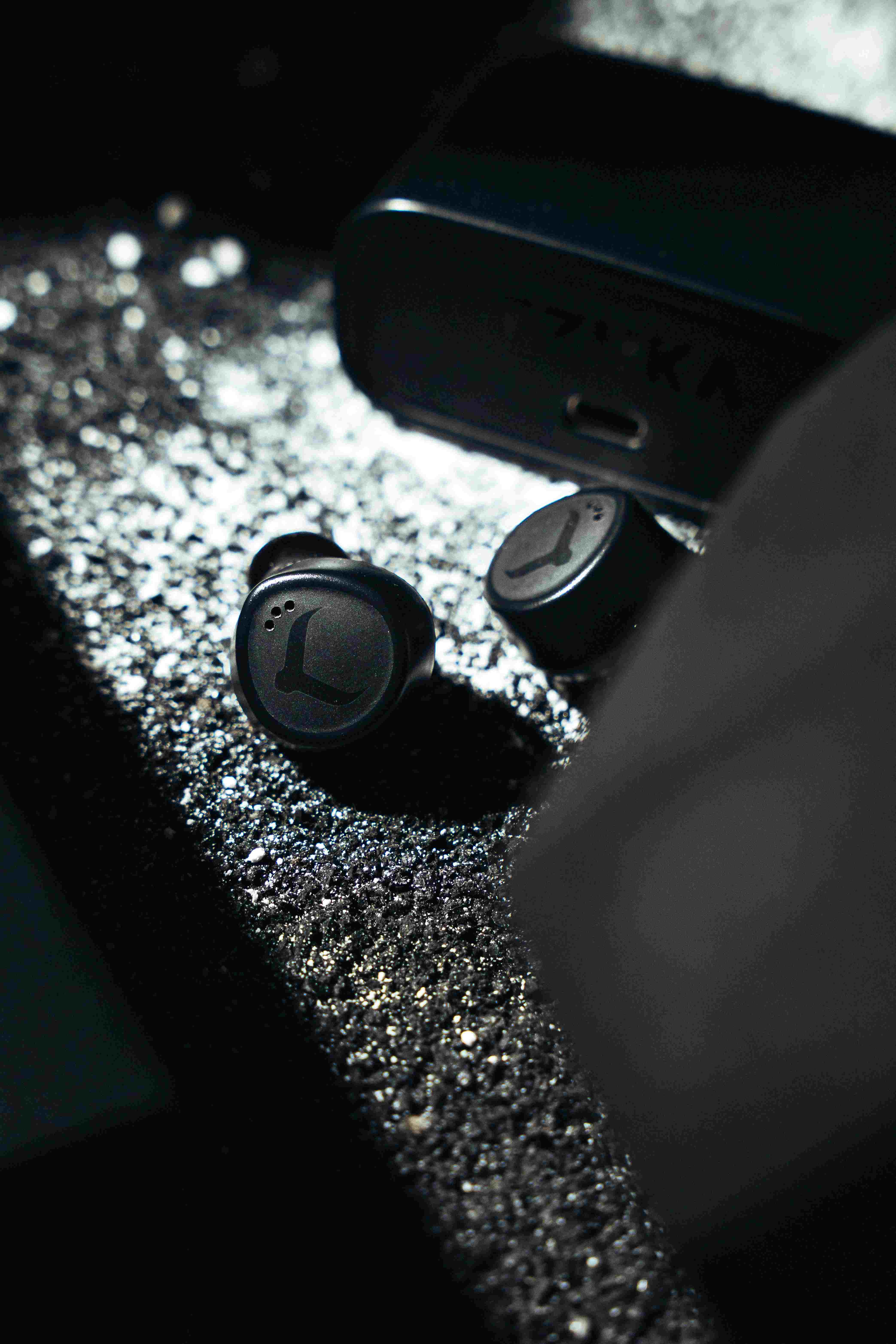
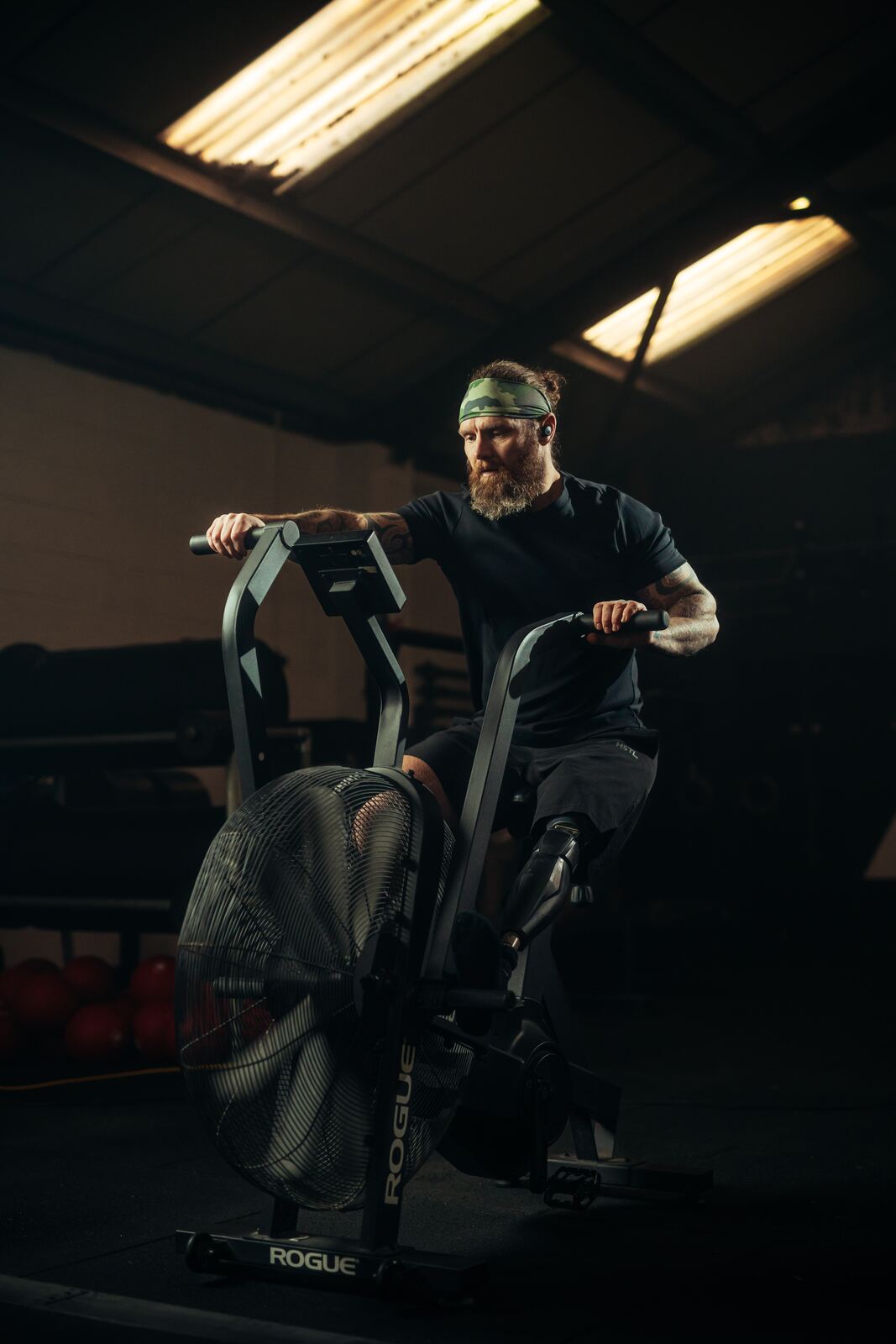
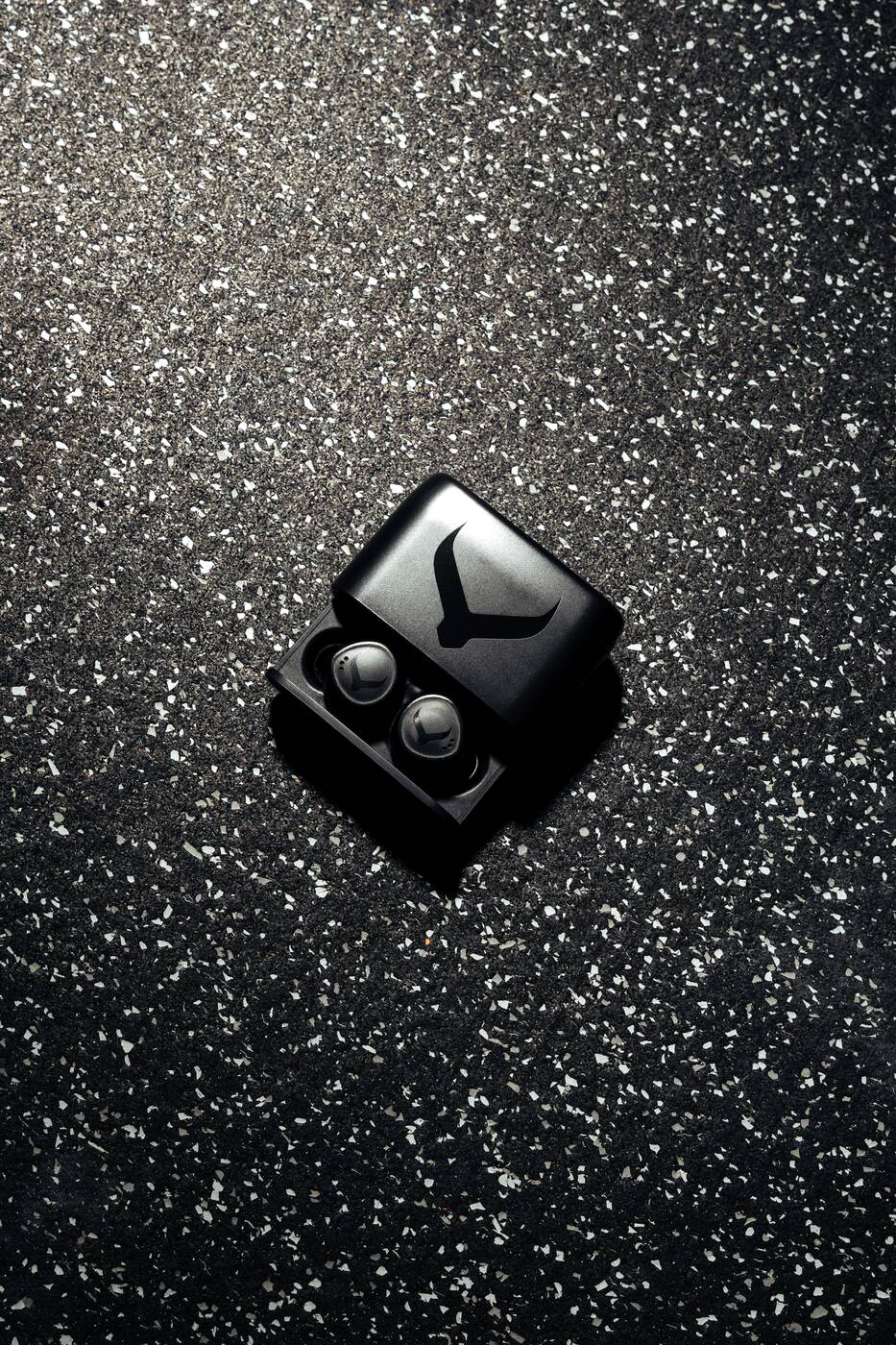
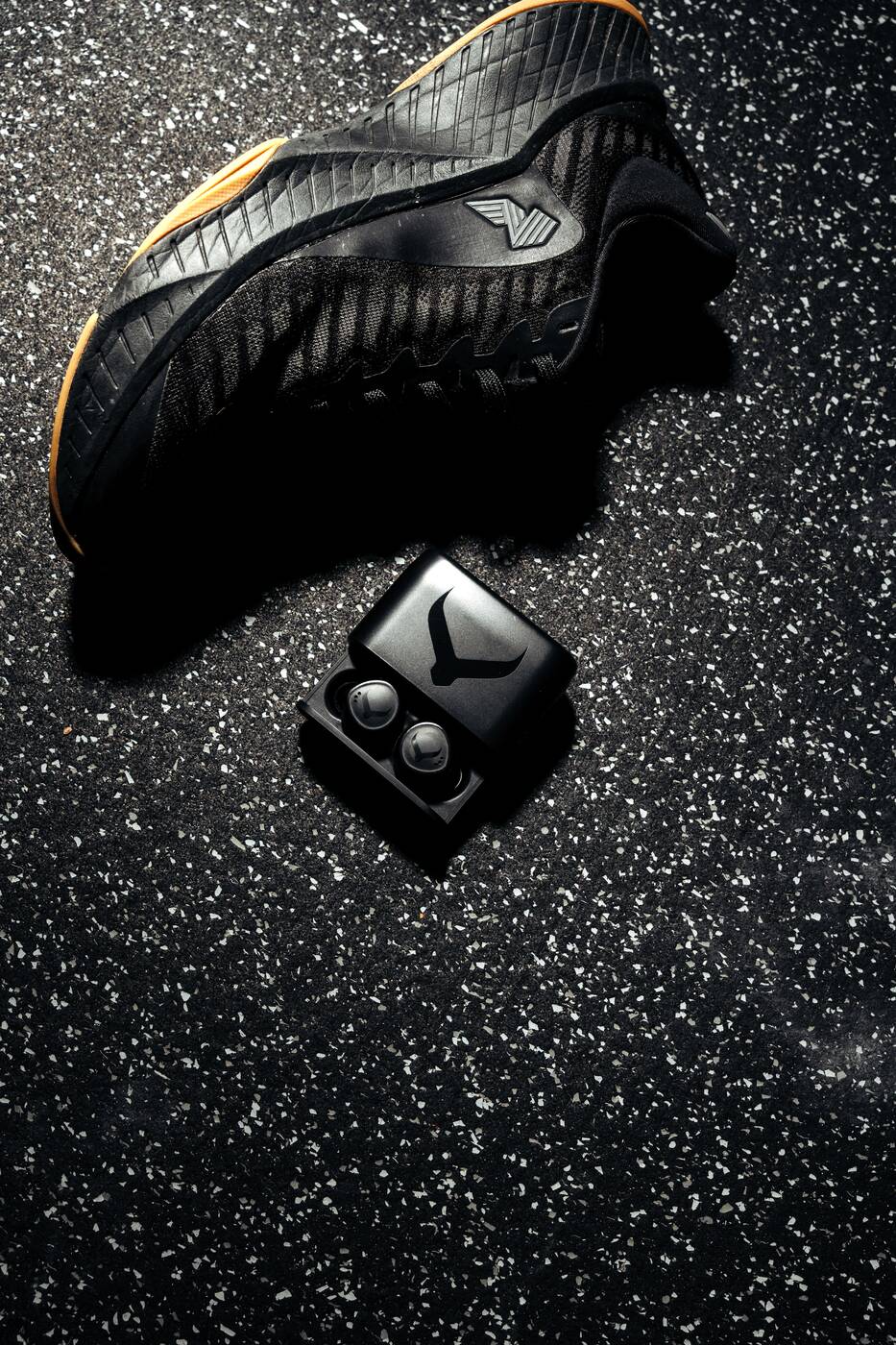
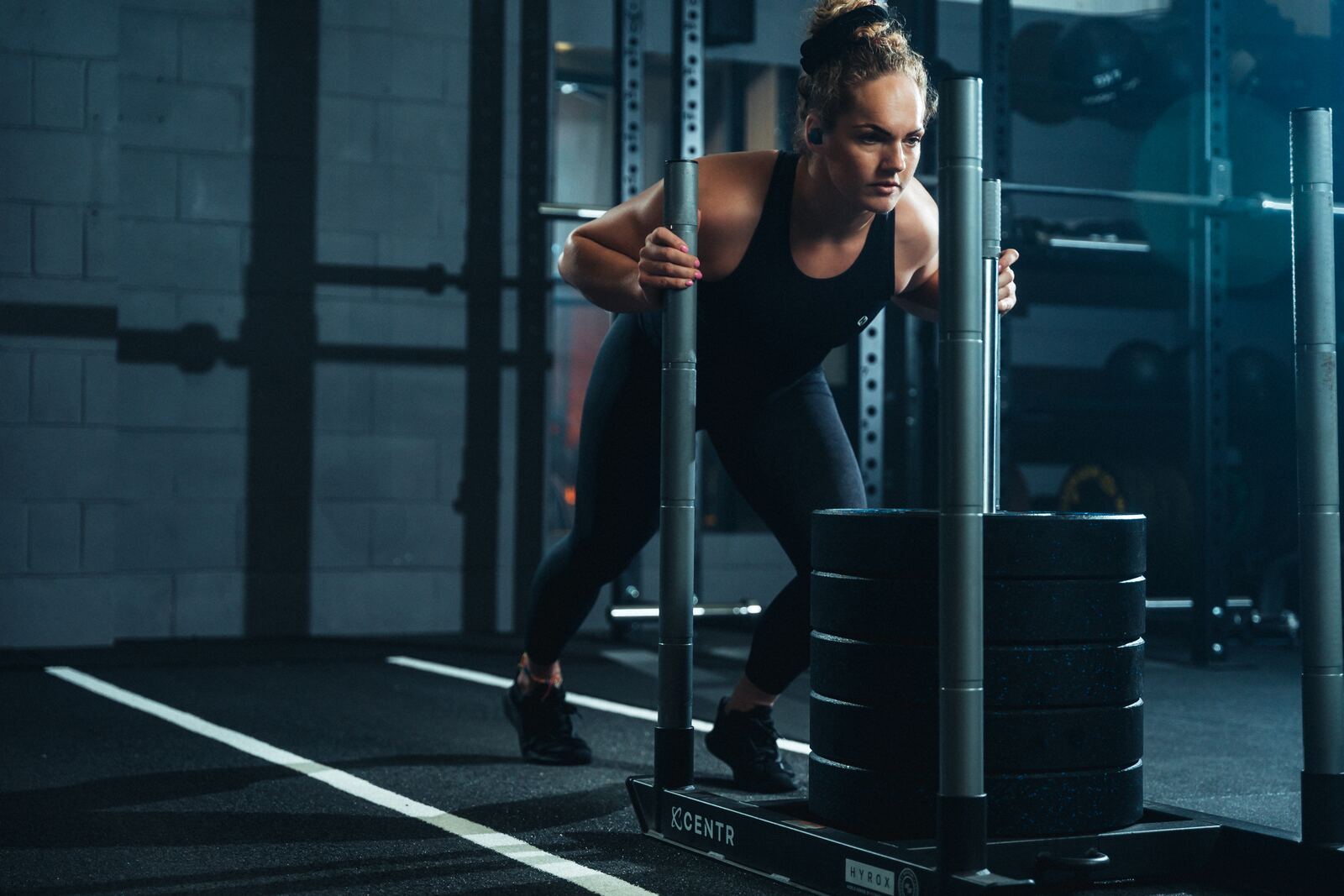
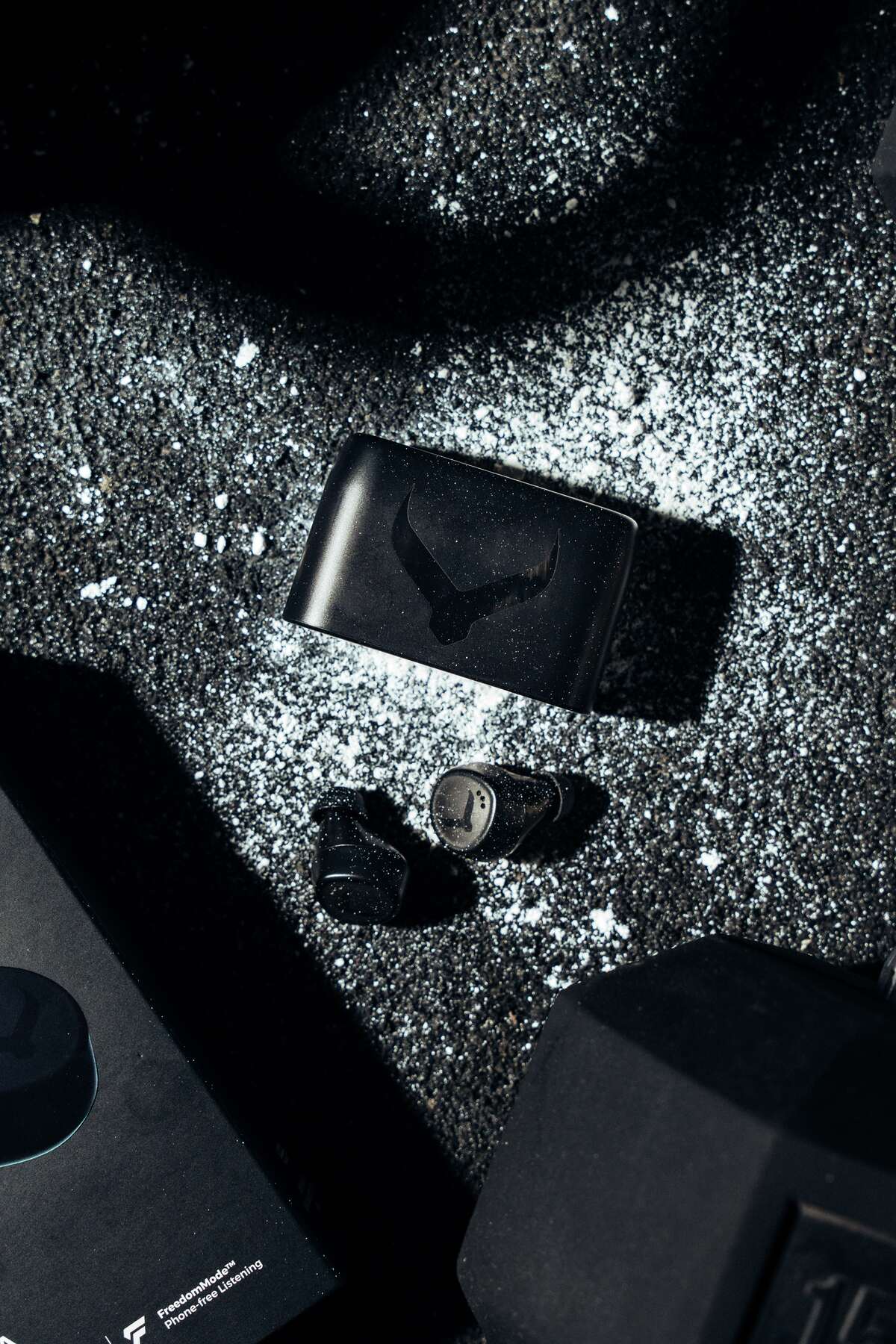
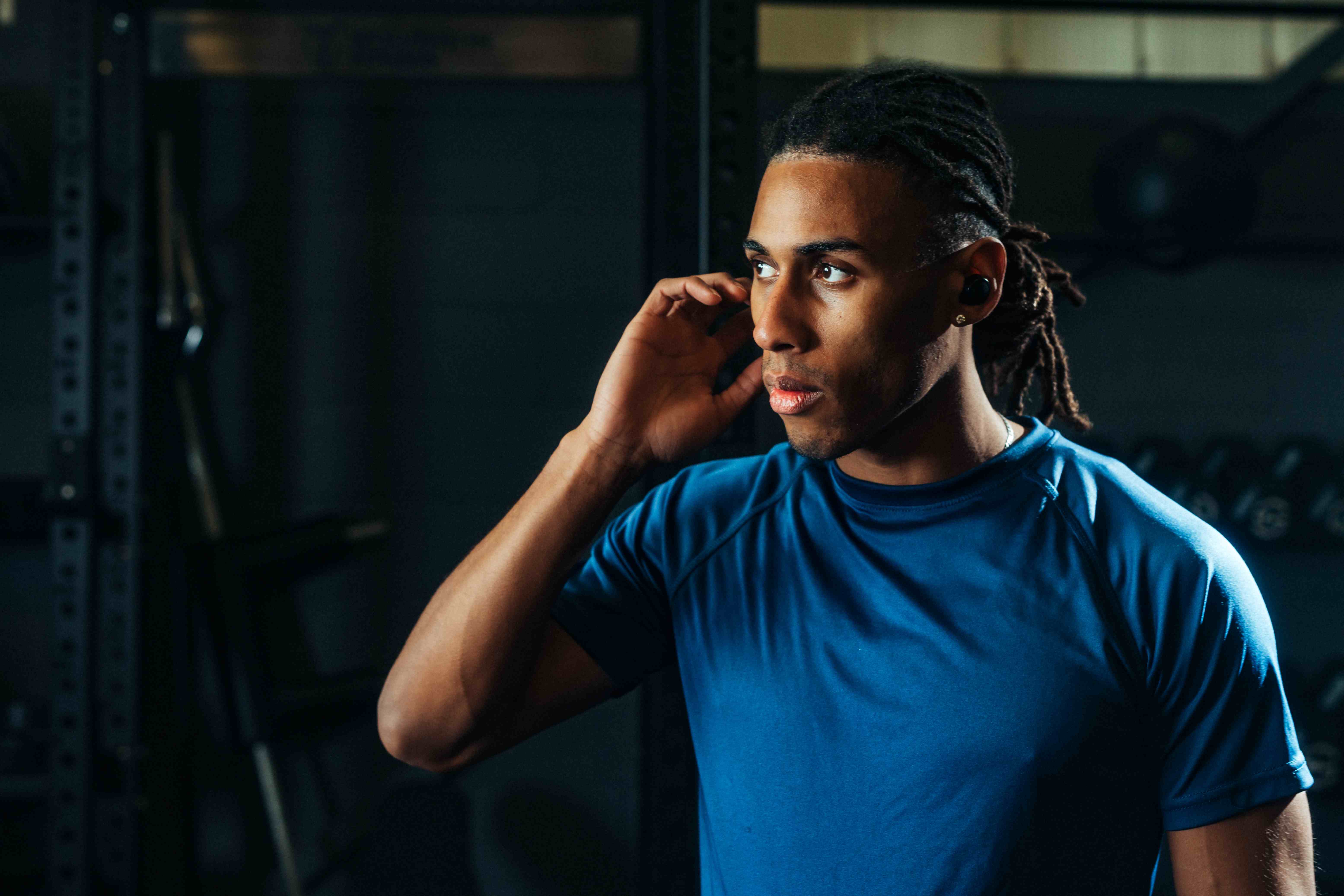
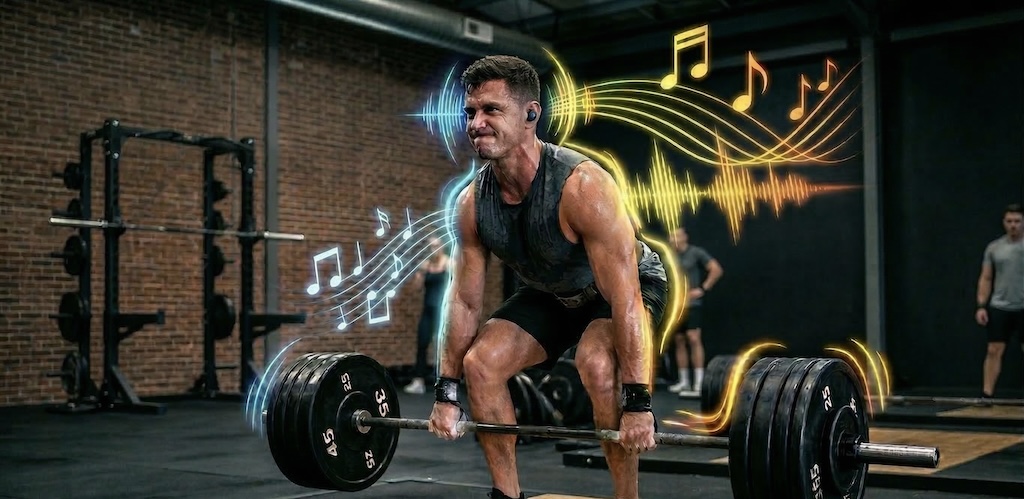
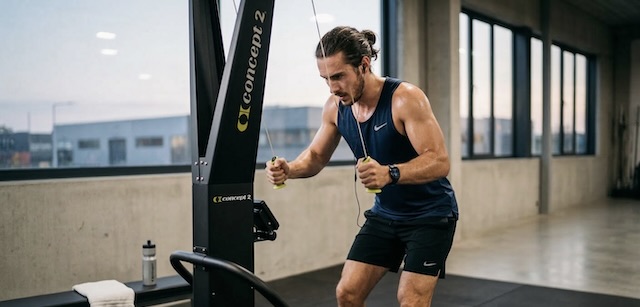
Tzuka earbuds are designed for hybrid athletes who put their kit through intense workouts: HYROX, CrossFit, functional fitness, sweat-soaked gym sessions, all-weather training. Built to be indestructible, they survive what kills consumer-grade earbuds: sustained sweat ingress, repeated drops onto rubber matting, and the daily punishment of serious training.
The patented FreedomMode™ stores up to 1,000 songs directly on the earbuds, so you can leave your phone in the locker and train uninterrupted by Bluetooth dropouts. Indestructibility plus phone independence, built for athletes who don't compromise on their training kit.
Explore the spec and the design philosophy at tzuka.com.
How to Make Earbuds That Don't Break Last Even Longer
Even the best-built earbuds last longer with proper care. A few habits:
- Wipe sweat off after every session: don't leave sweat to dry on or inside the earbuds
- Air-dry before storing: sweat residue inside a closed case accelerates corrosion
- Clean ear tips weekly: earwax and skin oils degrade silicone faster than most realise
- Don't leave them on charge unnecessarily: sitting at 100% for long periods stresses the battery; 30–80% is the storage sweet spot
- Replace ear tips every 3–6 months: fresh tips restore fit and stop earbuds slipping out, which causes the drops that lead to breaks
These habits won't save a poorly-built earbud, but they'll add 6–12 months of life to a good one.
Frequently Asked Questions
Why do my earbuds keep breaking?
Most workout earbuds fail through one of five mechanisms: sweat ingress, impact damage, case hinge wear, battery cycle degradation, or charging port failure. Cheap earbuds with low IP ratings (under IP67) and standard plastic housings rarely survive 12 months of serious training, regardless of how careful you are. Earbuds that don't break are engineered to defeat all five failure modes from the start, not patch over them.
Are expensive earbuds more durable?
Not automatically. Price is a poor proxy for durability. What matters is the published specifications: IP rating, housing material, drop testing, battery cycle rating. Some £80 athletic earbuds outlast £250 consumer earbuds because they're engineered for sweat and impact, rather than premium audio.
What IP rating do I need for workouts?
IP55 is the realistic minimum; IP68 is ideal. IP67 covers full dust protection plus immersion to 1m for 30 minutes, sufficient for most gym workouts. IP68 adds continuous submersion capability, useful for outdoor athletes training in heavy rain, open water, or extreme sweat conditions.
Can broken earbuds be repaired?
Most consumer earbuds are sealed units designed for replacement, not repair. A small but growing category of repairable earbuds lets you swap battery, drivers and case components separately. For most current earbuds, repair isn't economically viable; choosing genuinely durable earbuds upfront avoids the question entirely.
How long should workout earbuds last?
Quality athletic earbuds engineered for hybrid training should last 3–4 years of daily use before battery degradation forces replacement. Cheap earbuds typically fail within 6–18 months, usually from sweat ingress or case hinge failure, not battery wear. If your earbuds keep dying within a year, the problem is the earbuds, not your training.
Conclusion: Buy Once, Train for Years
The earbuds that don't break aren't the cheapest, loudest or prettiest. They're the ones engineered with sweat ingress, impact resistance and battery longevity as core requirements, not afterthoughts. Check the specifications. Demand published numbers. Treat your earbuds like training kit, not a fashion accessory. For a structured breakdown of which specific models pass the test, see our guide to the best durable earbuds for sport.
For hybrid athletes who train hard and train often, indestructible earbuds aren't a luxury; they're the only kit that lasts as long as your training cycle does.
Train without compromise. Secure your Tzuka indestructible earbuds, built for athletes who don't break their kit before it breaks them.
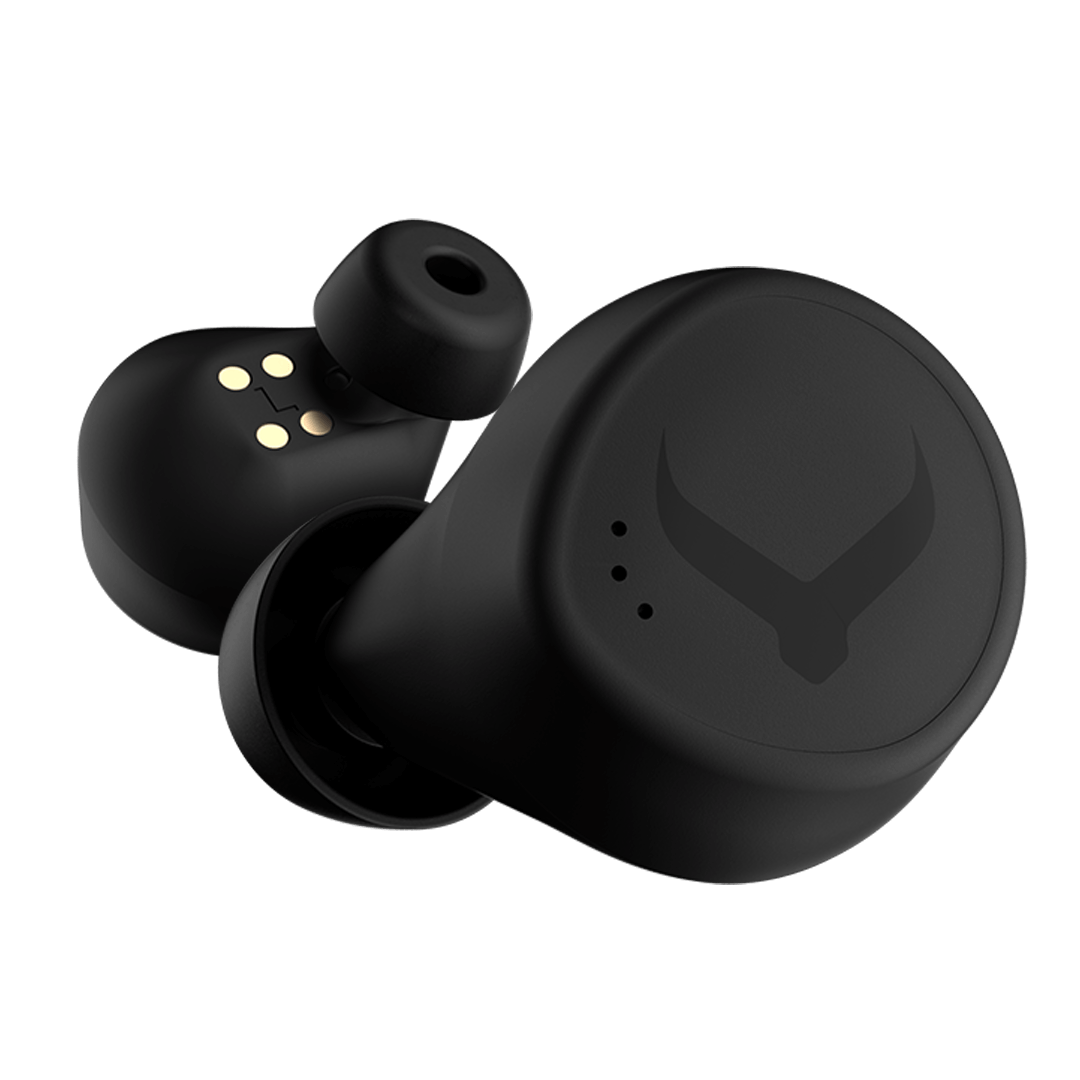
Introducing the ultimate workout earbuds.


















.jpg)


.jpg)

.avif)
.avif)