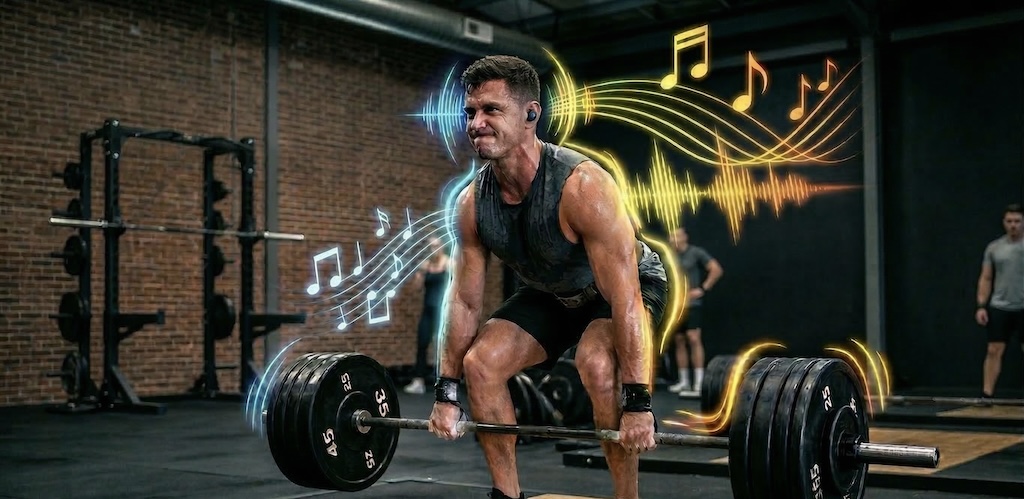

When it comes to functional fitness (whether CrossFit, Hyrox, or hybrid training), the connection between exercise and music goes far beyond motivation. The right soundtrack can improve endurance, increase strength output, enhance focus, and even reduce perceived exertion. In this guide, we'll explore the science behind exercise and music, how to use it effectively, and why athletes swear by it during high-intensity sessions.
Why Exercise and Music Matter Together
Functional fitness involves complex, full-body movements, high-intensity intervals, and often, long sessions. Combining exercise and music can:
- Elevate mood and motivation → Harder sessions feel easier
- Synchronise movement → Faster rowing strokes, better kettlebell swings
- Reduce perceived effort → You push harder while feeling less fatigued
- Increase adherence → Workouts are more enjoyable, so athletes train consistently
The right music can turn a tough WOD into a session where everything clicks. Rhythm, tempo, and familiarity all make a real difference in your training.
The Science Behind Exercise and Music
Research shows that listening to music during workouts can improve performance in several ways:
- Tempo synchronisation: Matching your movement to the beat improves efficiency
- Dopamine release: Music stimulates pleasure centres in the brain, improving mood and reducing fatigue perception
- Focus & flow state: Music can help athletes block distractions, especially during long Hyrox races or intense CrossFit WODs
Key takeaway: The relationship between exercise and music isn't just motivational; it's a genuine performance enhancer.
Best Music Strategies for Exercise and Functional Fitness
1. Tempo-Based Training
- High tempo (120–140 BPM): Ideal for high-intensity intervals and metcons
- Moderate tempo (100–120 BPM): Best for warm-ups or moderate-effort runs
- Slow tempo (60–100 BPM): Useful for cooldowns, mobility work, or active recovery
2. Familiar vs Novel Tracks
- Familiar songs reduce cognitive load, letting you move instinctively
- New tracks can spark excitement and increase focus during tough sessions
3. Playlists for Different Training Phases
- Warm-up: High-energy tracks that gradually ramp intensity
- Main session: Beats that match movement tempo for optimal rhythm
- Cooldown: Calm, slower tracks for recovery and relaxation
Many athletes design their entire playlist to match each part of the session. It's a small adjustment with a huge performance impact.
Exercise and Music: CrossFit vs Hyrox
While both functional fitness formats benefit from the exercise and music connection, their application differs:
CrossFit: Best for short, intense intervals, AMRAPs, and metcons. High-tempo music improves speed and coordination during explosive movements.
Hyrox: Best for long runs, station transitions, and pacing. Steady tempo tracks help maintain rhythm and reduce perceived exertion over 60–90 minutes.
**EMAIL BLOCK (Mid-article):**Train without distractions, maximise your rhythm, and focus fully. Join the Tzuka waiting list for exclusive early access to earbuds built for functional fitness athletes.
How to Implement Exercise and Music Safely
- Volume: Loud enough to motivate but safe for hearing and awareness of surroundings
- Headphone choice: Secure, sweat-proof options are best for CrossFit and Hyrox
- Avoid over-reliance: Music enhances performance, but athletes should still train without it occasionally to maintain focus and internal pacing
The best athletes can hit peak performance both with and without music. Earbuds are just a tool, but a properly designed tool makes training seamless.
Building a Functional Fitness Playlist
- Start with tempo segmentation: Assign tracks to warm-up, main session, and cooldown
- Mix familiar favourites with motivational new songs
- Test in training: Adjust tempo and order based on session performance and mental focus
- Update regularly: Keeps your brain engaged and prevents adaptation
The Psychological Edge of Exercise and Music
Music helps athletes overcome mental fatigue, which is often the biggest limiter in functional fitness:
- Keeps focus during repeated high-intensity intervals
- Masks discomfort, particularly in long Hyrox races
- Encourages consistency in training, which leads to better results over time
The connection between exercise and music doesn't just make you feel good; it actually changes how your brain perceives effort. That's where the real gains come from.
Summary: Exercise and Music as a Performance Tool
Integrating exercise and music strategically can:
- Improve rhythm and efficiency
- Reduce perceived exertion
- Boost mental resilience and focus
- Increase training consistency
Whether you're aiming for a PR in a CrossFit WOD or completing a Hyrox race, the right soundtrack can make every session more effective.

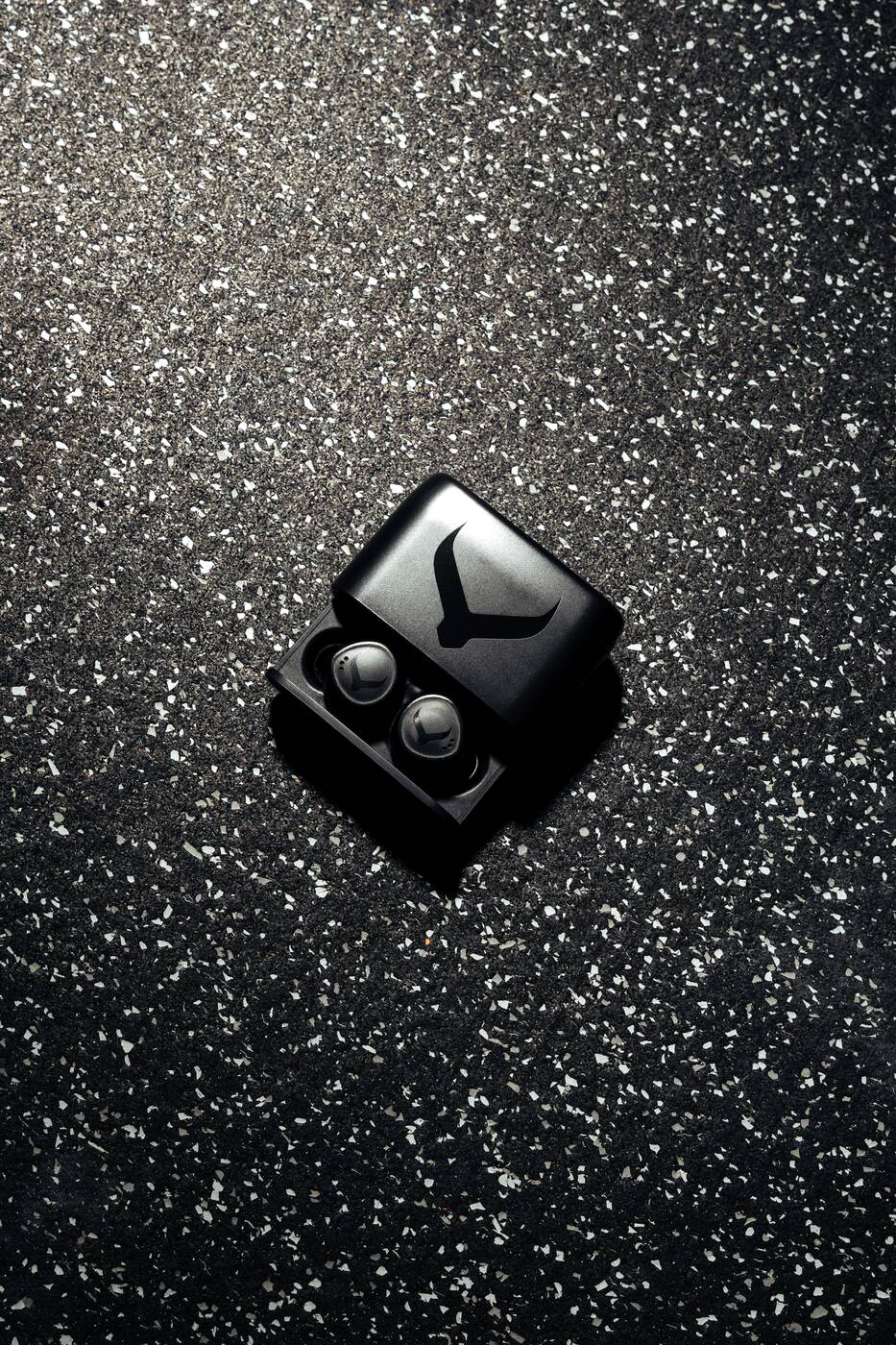
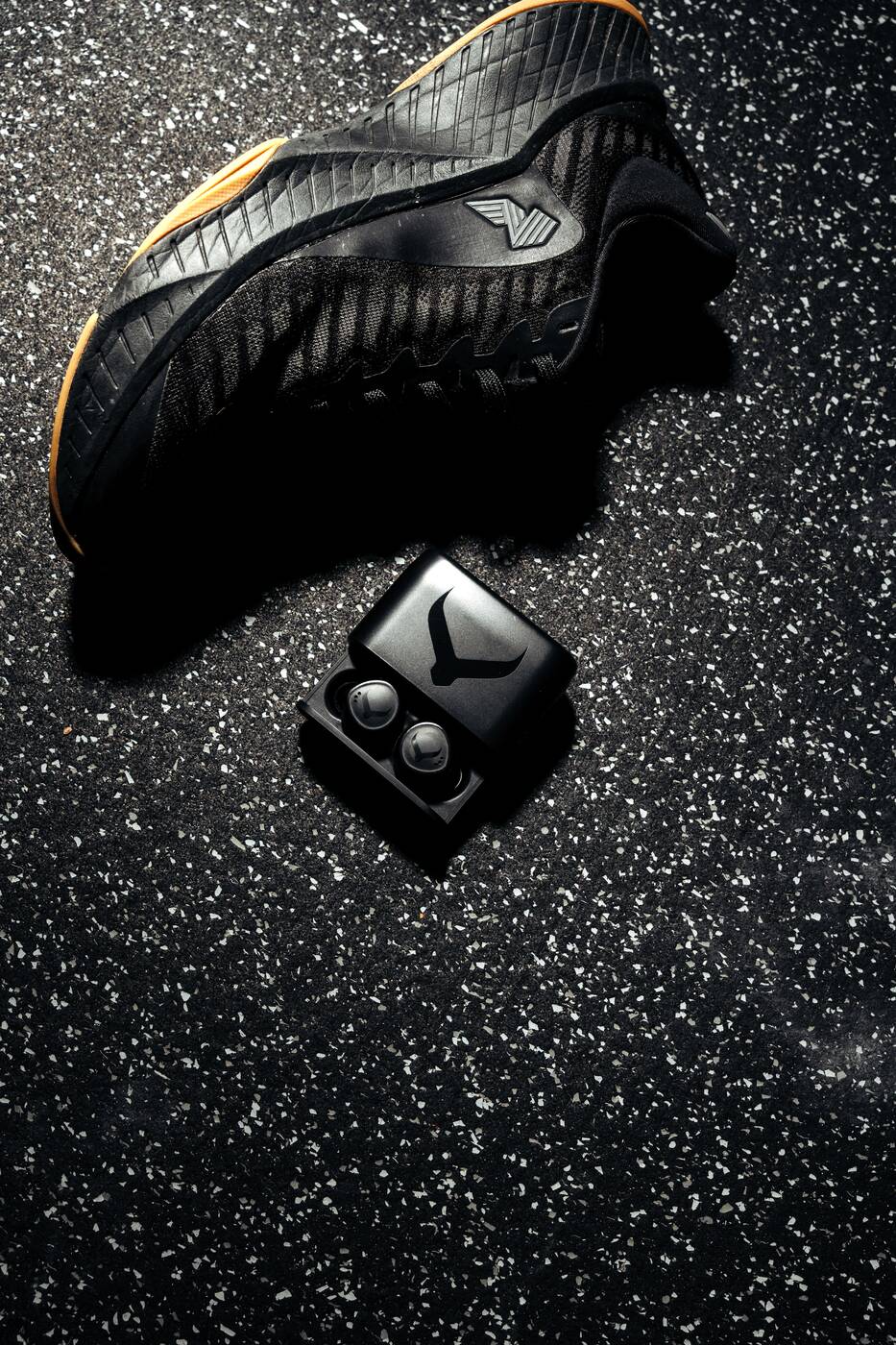
Introducing the ultimate workout earbuds.























.jpg)


.jpg)




.avif)
.avif)