
The best music for HYROX training isn't a luxury; it's a performance tool. Eight gruelling functional stations and eight 1km runs will test your engine, your grip and your willpower, and the right playlist can lift you through the moments your legs want to quit. Research from Brunel University found that well-matched music can extend endurance by as much as 15% [opens in new tab]. In this guide, we'll build station-by-station training playlists, explain the BPM science behind them, and show you how to train phone-free so nothing breaks your focus between now and race day. (Worth knowing up front: HYROX bans headphones in competition, so this is about training smarter, not race-day audio.)
Why the Right Music Matters for HYROX Performance
HYROX is a race of attrition. Unlike a single-effort sprint, it stacks aerobic and strength demands on top of each other for 60–90 minutes. Mental fatigue arrives long before muscular failure, and that's exactly where music earns its place.
As Tzuka's guide to exercise and music explains, a 20-year research programme led by Dr Costas Karageorghis at Brunel University found that synchronous music, music whose tempo matches your movement, reduces perceived exertion by up to 12% and extends voluntary endurance by up to 15% [opens in new tab], a real edge across a race this long and varied.
Best Music for HYROX Training: Matching BPM to Effort
BPM (beats per minute) is your most useful lever. The principle behind the best music for HYROX training is simple: align track tempo with the cadence of the work in front of you.
Running Segments (160–180 BPM)
Your eight 1km runs are where races are decided. Higher-tempo tracks in the 160–180 BPM range encourage a quick, consistent cadence and help you hold pace under fatigue.
Strength Stations (130–150 BPM)
Sled push, sled pull, farmer's carry and sandbag lunges reward controlled, rhythmic power. Tracks in the 130–150 BPM range keep you driving without rushing your mechanics.
Grind Stations (140–160 BPM)
Wall balls, burpee broad jumps, rowing and ski erg are repetitive and brutal. Driving, percussive tracks in the 140–160 BPM range help you lock into a rhythm and keep the reps ticking.
Station-by-Station HYROX Playlist Guide
HYROX runs the same eight stations in the same order at every event [opens in new tab], so build your training playlist around the sequence you'll race. Here's a tempo-matched structure:
- Ski Erg: steady, driving track (140–150 BPM) to settle into rhythm early.
- Sled Push: heavy, powerful track (130–140 BPM) for grinding effort.
- Sled Pull: same low-and-strong energy; save your big anthems for later.
- Burpee Broad Jumps: uptempo, relentless (150–160 BPM) to fight the fatigue.
- Rowing: consistent mid-tempo (140 BPM) to hold a smooth stroke rate.
- Farmer's Carry: punchy, motivating track to distract from grip fatigue.
- Sandbag Lunges: your favourite hype track; this is the mental low point.
- Wall Balls: your biggest anthem for the final station and the line.

Slot high-tempo running tracks between each station so every training transition lifts your cadence.
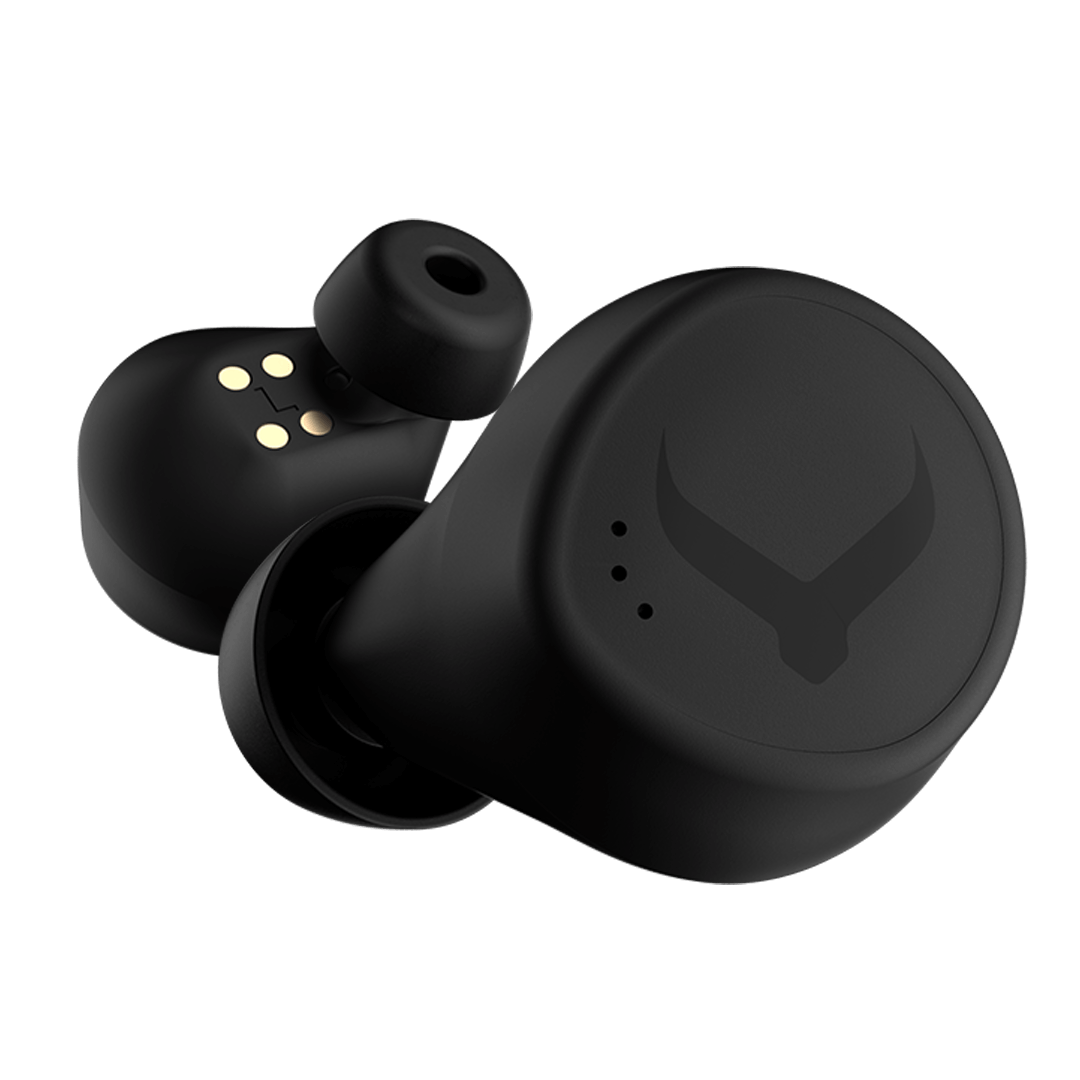
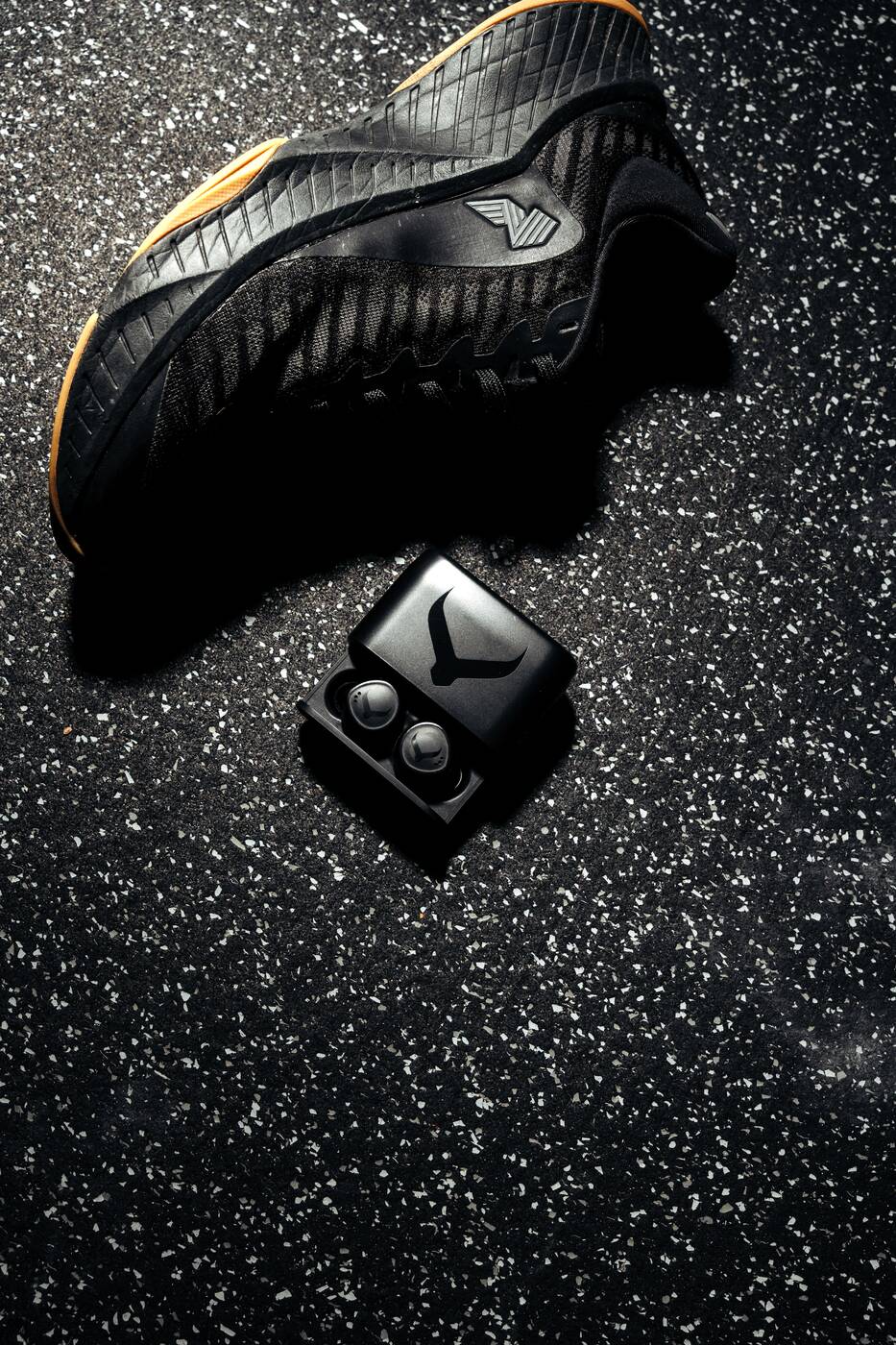
Want music built for this kind of training? Tzuka's TZ7 Ultra earbuds for functional fitness athletes are designed for exactly what HYROX throws at you.
How to Train Phone-Free for HYROX
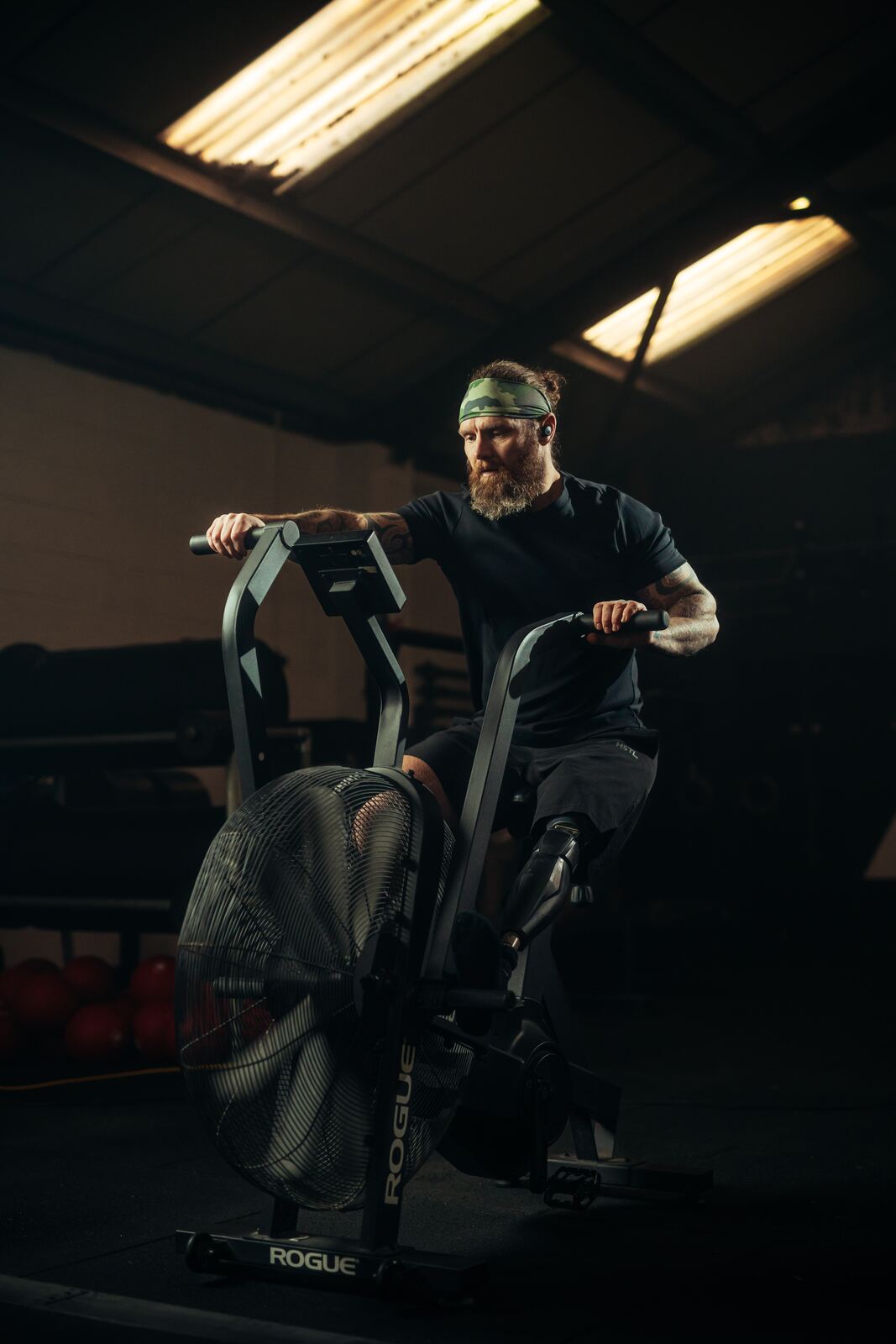
You can't wear headphones in a HYROX race, but the months of training that get you there are different. That's where workout music offline earns its place, in a packed functional-fitness gym.
High-intensity gyms are a brutal environment for Bluetooth: dense metal framing and competing devices cause dropouts mid-set. The fix is an offline music player for gym use that lives entirely in your ears.
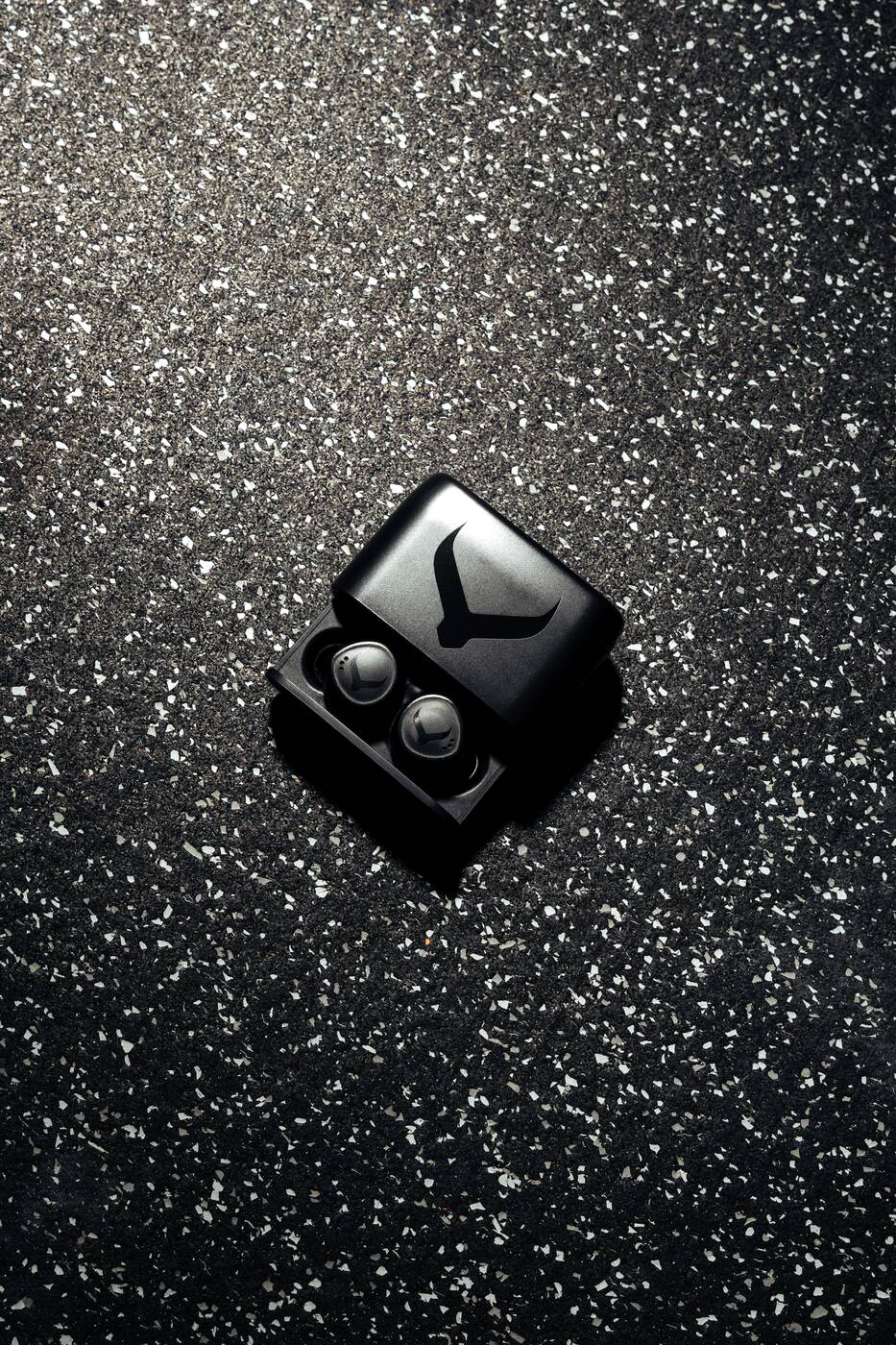
Tzuka's FreedomMode™ earbuds store up to 1,000 songs (60 hours across four playlists). You sync your training playlist once at home and your music travels with you: no streaming, no app, no Bluetooth tether. They're IP68 waterproof to 2m with patented impact resistance, so sweat and drops don't end the session.

Final Takeaways
The best music for HYROX training is built, not stumbled upon. Match your BPM to the effort, structure your training playlist around the eight stations, and use higher-tempo running tracks to lift every transition. With endurance gains of up to 15% on the line in training, your playlist is worth preparing as carefully as your programme. Headphones come off on race day, but the rhythm you drilled stays.
Make your training count by going phone-free: load your playlist onto Tzuka's FreedomMode™ TZ7 Ultra earbuds and pre-order the TZ7 Ultra so your music is ready before your next session.
Frequently Asked Questions
What is the best music for HYROX?
The ideal HYROX playlist is tempo-matched to each phase of the race: 160–180 BPM tracks for your 1km runs, 130–150 BPM for strength stations like the sled and farmer's carry, and 140–160 BPM for grind stations like wall balls. Matching tempo to effort has been shown to reduce perceived exertion and extend endurance.
What BPM should HYROX running music be?
Aim for 160–180 BPM for your running segments. Higher-tempo tracks encourage a quicker, more consistent cadence and help you hold race pace even when your legs are pre-fatigued from the previous station. Many runners find tracks around 170–180 BPM ideal for sustaining turnover under load.
Can you wear headphones during a HYROX race?
No. HYROX official rules prohibit headphones during competition so athletes can hear officials and stay safe in a crowded venue [opens in new tab]. Music is a training tool, not a race-day one: use it to rehearse your station rhythm and pacing in the weeks before, then race on internalised cadence. Always check your event's current rulebook.
How do I listen to music without my phone at the gym?
Use an offline music player for gym sessions, earbuds with built-in storage like Tzuka's FreedomMode™ buds. You sync your playlist once, then train without carrying a phone at all. No streaming connection, no Bluetooth source and no notifications interrupting your sets.
Introducing the ultimate workout earbuds.























.jpg)


.jpg)





.avif)
.avif)