The 6 Most Durable Earbuds for Training in 2026
Most "rugged" earbuds are ordinary earbuds with a higher IP number on the box. This comparison ranks six genuinely durable earbuds on what manufacturers actually publish: IP rating for the buds and the case separately, military drop and environmental testing, battery per earbud rather than total with case, and what each one gives up to get there. Every specification here comes from the manufacturer's own documentation or a published hands-on review.

If you have replaced earbuds more than once in a training year, you already know the category's dirty secret: durability is the specification brands talk about most and engineer for least. A higher IP number on the box costs a manufacturer very little. Surviving three years of sweat, chalk and gym floors costs them a redesign.
This is a comparison of six earbuds that genuinely try. They are ranked on what the manufacturers publish and what independent reviewers have measured, not on a marketing adjective. If you want the underlying criteria rather than a shortlist, our guide to the best durable earbuds for sport explains what to look for and why.
How these were ranked
Four criteria, weighted in this order:
- Ingress protection, buds and case separately. Almost every brand quotes the buds and stays quiet about the case. The case holds the charging pins, so a case rated lower than the buds is a real weakness.
- Impact and environmental testing. The IP standard contains no drop test, which is why genuinely impact resistant workout earbuds are far rarer than the marketing suggests. Anything a brand can show beyond the IP rating, whether that is a military standard or its own immersion testing, counts here.
- Battery per earbud. Not the total with the case. What matters is how long a bud runs in your ear before it dies.
- What it costs you. Every durable design gives something up. Where that is, and whether it matters, is part of the ranking.
Specifications below come from manufacturer documentation or published hands-on reviews. Where a figure is not published, it is not stated.
1. Tzuka TZ7 Ultra
IP68 · 7 hours per earbud · 4GB onboard storage · patented impact resistance · UK designed and manufactured
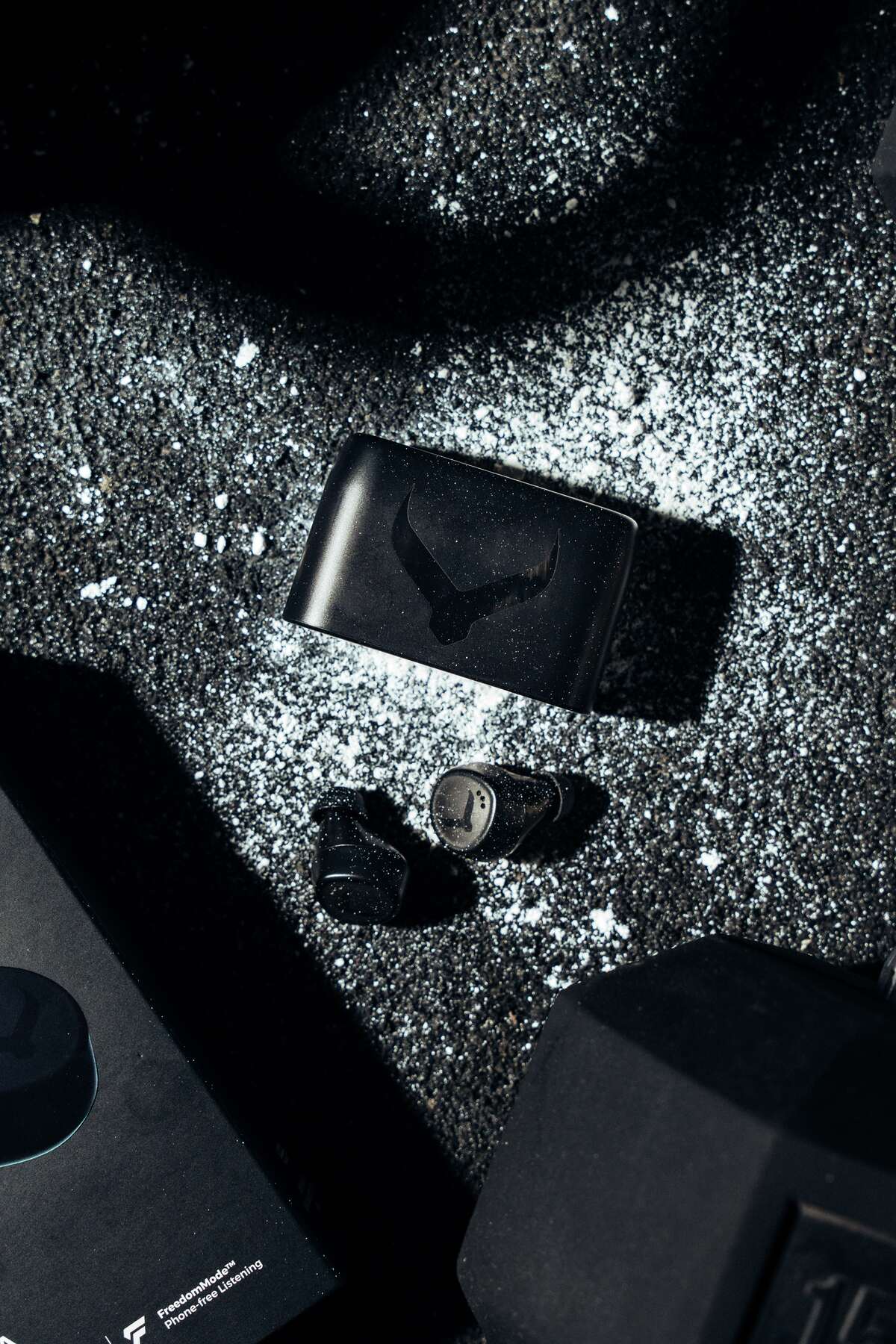
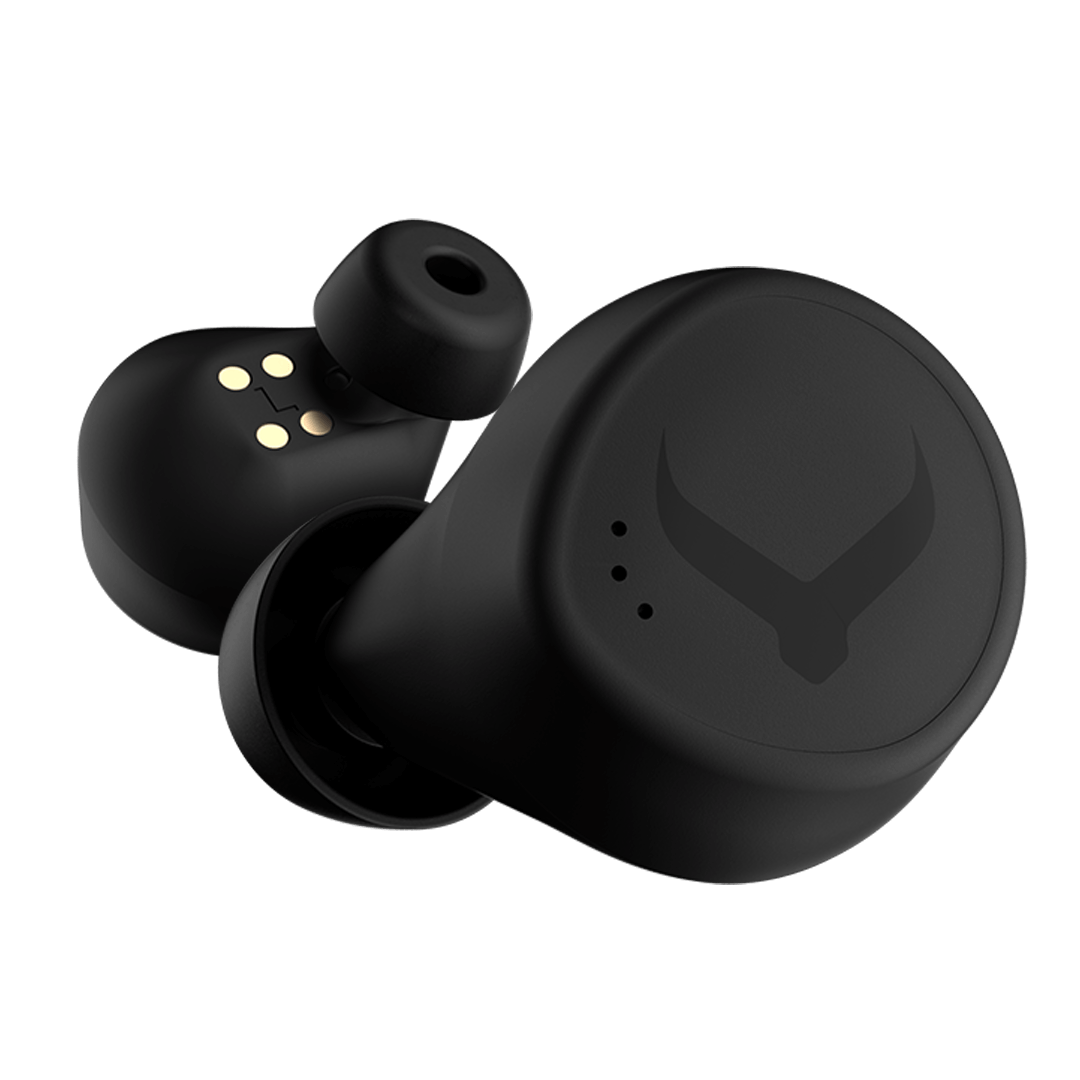
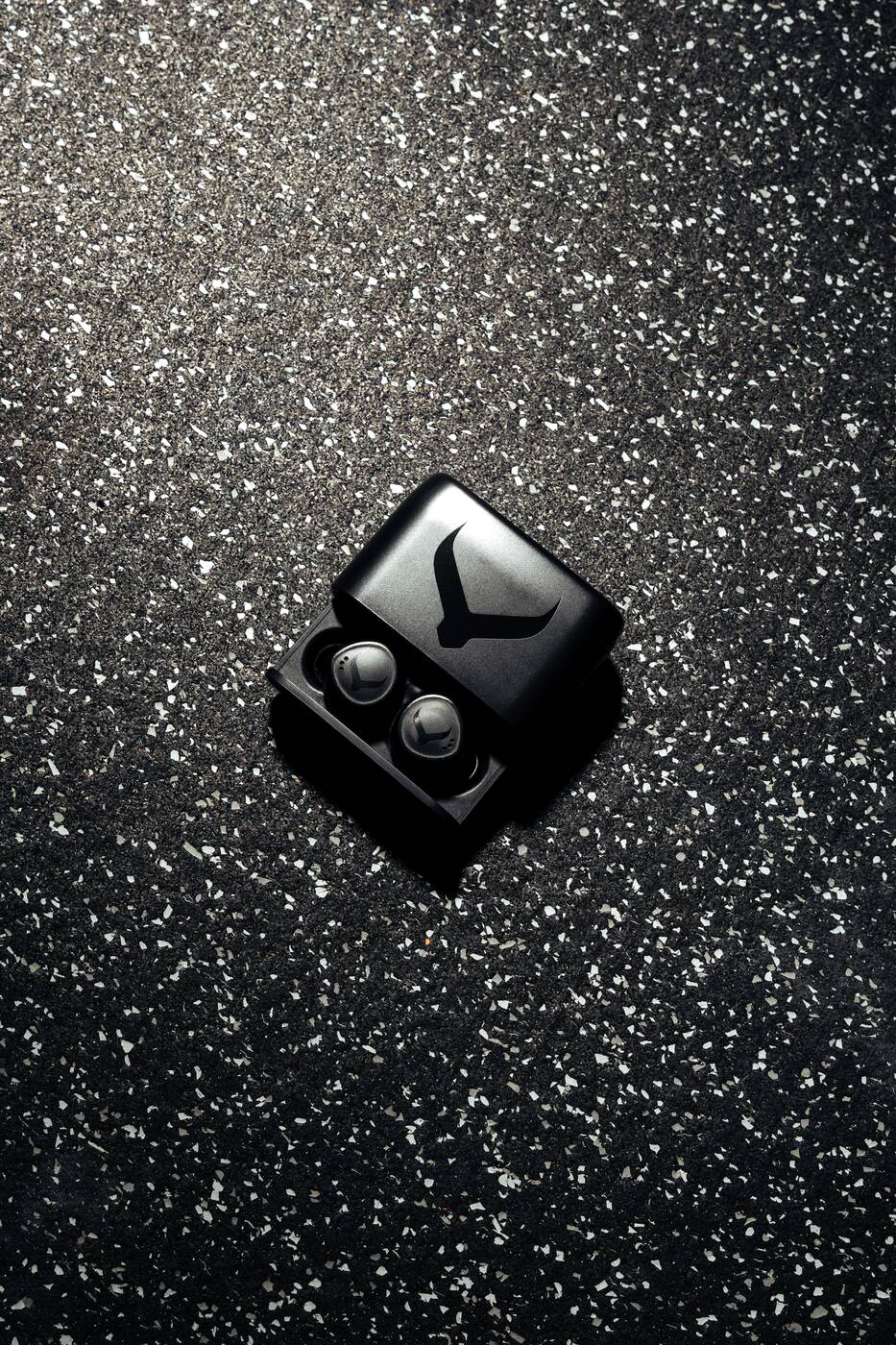
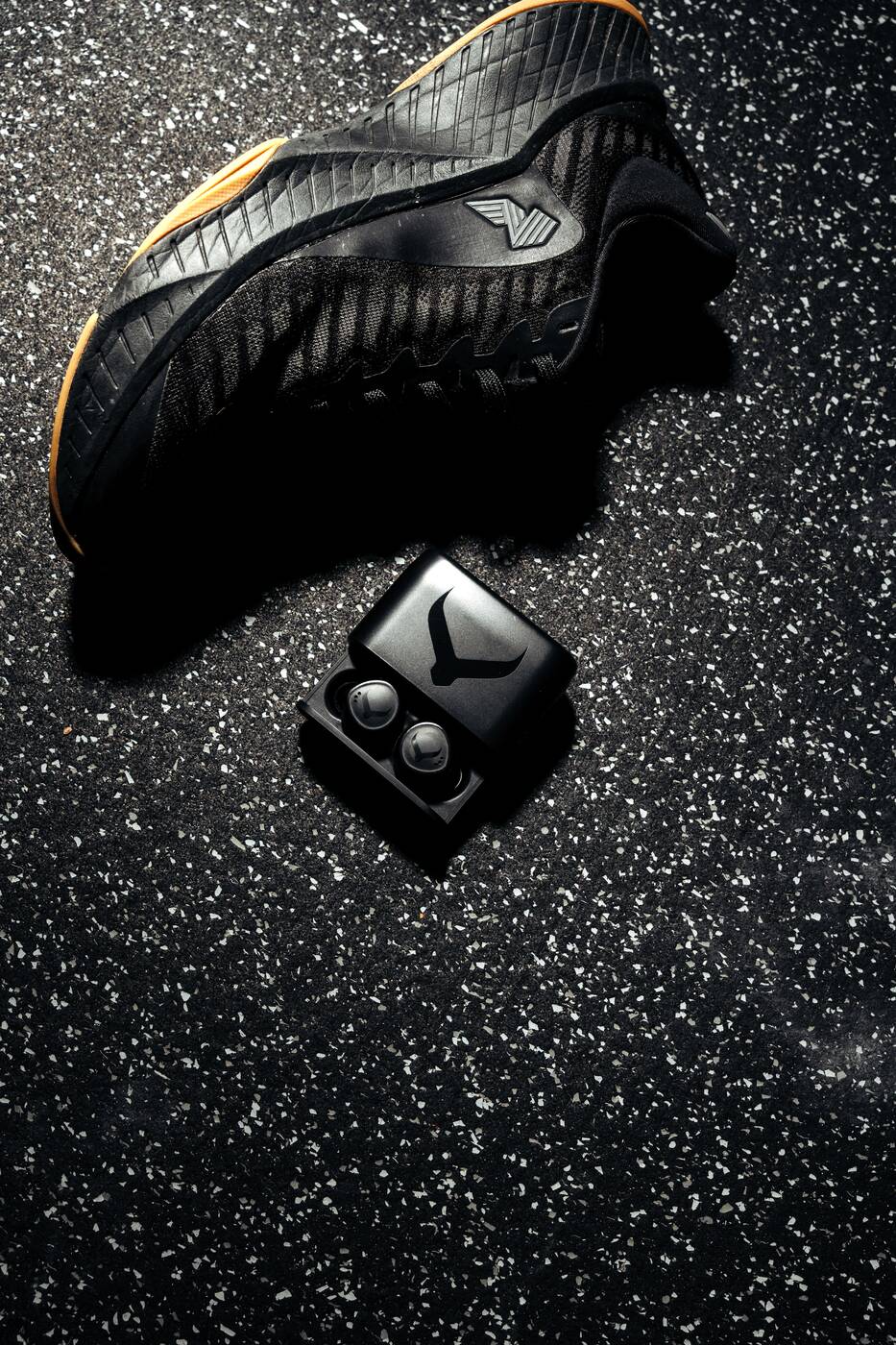
The TZ7 Ultra is the only earbud in this comparison built around impact as a first-order engineering problem rather than a marketing claim. Its internals are held in a patented encapsulation process that fills the voids around the components, so a drop spreads shock energy through the body instead of concentrating it on solder joints and PCB edges. Three patents cover that durability work.
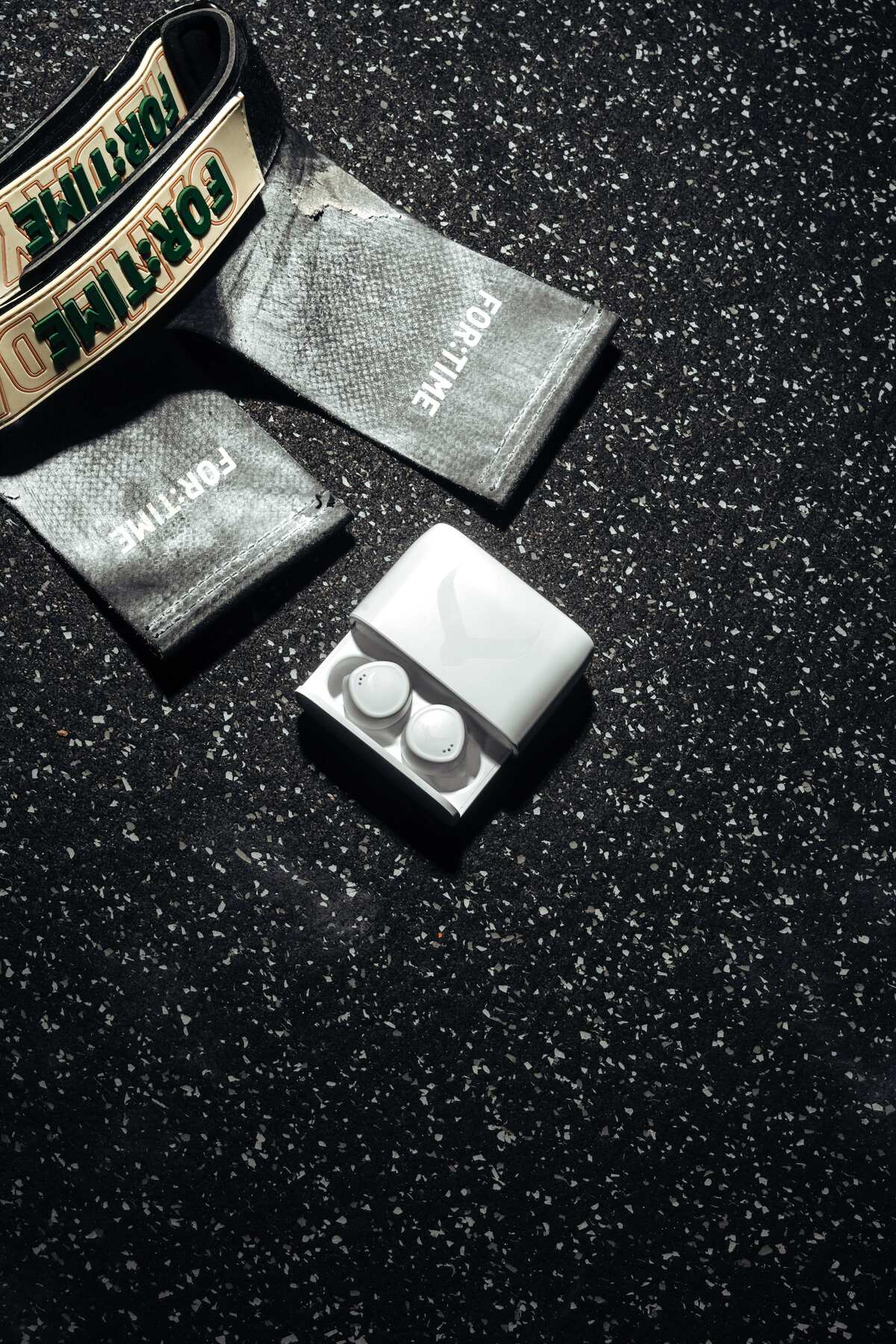
On water, it is IP68 rated, and it has survived seven days fully submerged in fresh water, in salt water and in chlorinated water. That last detail matters more than it sounds: the IP standard is tested in clean water only, and sweat is a saline, mildly acidic solution. Salt and chlorine testing is the closer analogue to what a training year actually does to a seal.
It is also the only true wireless earbud here with both onboard music storage and Bluetooth. 4GB holds around 1,000 songs, so the phone stays in the locker and there is no wireless link to drop when you walk away from your bag.
What it costs you: the TZ7 Ultra is on its first production run and available to reserve rather than sitting on a shelf. If you need earbuds this afternoon, it is not the answer.
2. Jabra Elite 8 Active Gen 2
IP68 buds · IP54 case · MIL-STD-810H · 8 hours per earbud with ANC on, 14 hours off · 5g per bud
Jabra markets these as the world's toughest earbuds, and the specification sheet does more to back that up than most. IP68 on the buds, plus MIL-STD-810H, the US military environmental testing standard that covers shock, temperature extremes and humidity. Battery is genuinely strong: 14 hours per earbud with adaptive noise cancellation off, 8 with it on, and 56 hours total with the case.
At 5g per bud they are among the lightest here, which matters on long sessions.
What it costs you: the case is only IP54. That is dust-protected and splash-resistant, not sealed. Given that charging pins live in the case and chalk dust is the thing that ruins them, it is the weak point in an otherwise excellent product. There is also no onboard storage, so the phone comes with you.
3. Shokz OpenSwim Pro
IP68 to 2 metres · 32GB onboard storage · 9 hours Bluetooth, 6 hours MP3 mode · 27.3g · bone conduction
The most water-capable product in this comparison by some distance, and the only one designed from the start to work when wet. IP68 to two metres, 32GB of onboard storage holding roughly 8,000 tracks, and both Bluetooth 5.4 and a standalone MP3 mode. US list price $229.95.
Durability-wise, a sealed bone conduction band has fewer failure points than a two-piece earbud plus case: no charging case hinge, no case pins, nothing small to lose on a gym floor.
What it costs you: bass, and therefore drive. Bone conduction transmits low frequencies through skull tissue poorly, and output falls away sharply below roughly 100Hz. In a gym running its own sound system at 85 to 95dB, open ears mean you hear the room rather than your playlist. We go through the full trade-off in bone conduction vs in-ear.
4. JBL Endurance Peak 3
IP68 (1.5m for 30 minutes) · around 8 hours 45 minutes per earbud measured · ear-hook fit · US list price $109.95
The value pick, and a genuinely tough one. IP68 on the buds, an ear-hook design with removable stabilisers that reviewers found stayed put through cartwheels, and close to nine hours of measured battery per earbud, which is better than most products costing twice as much.
What it costs you: the charging case is not waterproof, so the buds have to be dried before they go back in, which is exactly the step people skip. There is also no active noise cancellation, and both the buds and the case are bulky.
5. Shokz OpenRun Pro 2
IP55 · 12 hours battery · bone conduction · open ear
The default choice for a lot of runners, and included here because durability is not only about sealing. A one-piece band with no case and no loose parts removes several failure modes at once, and 12 hours of battery covers any single session you are likely to do.
What it costs you: IP55 is the weakest rating in this list. It is dust-protected and resistant to low-pressure water jets, but it is not immersion rated and it is not dust-tight. For road running that is fine. For a chalk-heavy box or a two-hour sweat session it is under-specified, and sweat ingress at the transducer boundary is a documented failure point on bone conduction bands.
6. Beats Powerbeats Pro 2
IPX4 · 10 hours per earbud · 8.7g per bud · Apple H2 chip · heart rate sensing · US list price $249.99
Included because it is the earbud most athletes actually own, and because the honest answer is that it is the least durable product on this list despite being close to the most expensive.
The strengths are real: 10 hours per earbud is the best raw figure here, the ear-hook fit is excellent under movement, the H2 chip and adaptive ANC are genuinely good, and on-board heart rate sensing is a feature nothing else here offers.
What it costs you: IPX4. That is splash resistance from any direction and nothing else. It is not dust tested, which matters in a chalk environment, and it is not immersion rated. At 8.7g per bud they are also the heaviest here. If your training is heavy-sweat and indoors, this is a product that will work well and then, at some point, stop.
What actually kills earbuds
Across every product above, the failure modes are the same four, and only two of them appear on a spec sheet:
- Impact. Earbuds fall out during burpees and land on rubber flooring from head height. No IP digit covers this, which is why the words indestructible earbuds and rugged earbuds mean nothing on their own.
- Sweat, not water. Saline and mildly acidic, it corrodes contacts and creeps along seams. A product can pass its water test in a lab and still fail after six months of real training.
- The charging case. Hinges fatigue, magnets weaken, chalk gets into the pins. Two of the six products here have a case rated below the buds.
- Age. IP certification is performed on a new unit. Seals age, adhesives creep, vents clog. A two-year-old IPX7 product is not IPX7 any more.
Our guide to waterproof earbuds for training breaks down what each IP digit is actually tested for, and earbuds that don't break covers the impact side in detail.
How to choose from this list
- Heavy indoor training, chalk, drops: Tzuka TZ7 Ultra or Jabra Elite 8 Active Gen 2. Check the case rating before you decide.
- Swimming and open water: Shokz OpenSwim Pro. It is the only product here designed for it.
- Road running with traffic: Shokz OpenRun Pro 2, for awareness rather than durability.
- Best value that still survives: JBL Endurance Peak 3, if you will actually dry the buds before casing them.
- Apple ecosystem, moderate sweat: Powerbeats Pro 2, understanding the IPX4 ceiling.
- Training without a phone: Tzuka TZ7 Ultra or Shokz OpenSwim Pro. Nothing else here stores its own music, and if that is your priority, start with our ranked top 5 earphones with onboard storage instead.
- CrossFit specifically: see our ranked top 5 CrossFit earbuds, where chalk and impact weigh more heavily than they do here.
The economics
A £180 pair that lasts three years costs £60 a year. A £120 pair that lasts nine months costs £160 a year. The durability premium pays for itself well inside two years for anyone training four or more times a week, and that calculation ignores the three separate occasions on which the cheap option died mid-session.
FAQ
What are the most durable earbuds you can buy?
On published specifications, the strongest combinations are IP68 on both the buds and the case, plus evidence of testing beyond the IP standard: either a military environmental standard such as MIL-STD-810H, or the manufacturer's own impact and immersion testing. Very few products publish all of it.
Are indestructible earbuds actually a thing?
No, and any brand using the word without test data behind it is marketing. What exists is a spread: products engineered against specific failure modes, and products that added a rubber finish. The useful question is which failure modes a manufacturer has actually addressed.
Do rugged earbuds sound worse?
Not at the premium tier. The trade-off is real in cheap products that spend their budget on the shell, but sealing and impact resistance do not inherently compromise acoustic design. The genuine trade-off in this list is with bone conduction, which loses bass by physics rather than by cost-cutting.
Is IP68 enough on its own?
No. IP68 covers dust and immersion in clean water. It says nothing about impact, nothing about sweat chemistry, and nothing about the charging case unless the manufacturer rates that separately. Check all three.
How long should sport earbuds last?
An IP68 product with a sealed case and real impact engineering should give two to three years of daily training. Products rated IPX4 to IPX5 in the same conditions typically show audio degradation or charging faults inside 12 months.
Built for the training that destroys everything else: IP68, seven days submerged in fresh, salt and chlorinated water, impact resistance protected by three patents, and 1,000 songs on board. Reserve your TZ7 Ultra.
Introducing the ultimate workout earbuds.




















.jpg)


.jpg)



.avif)
.avif)