Phone Distraction During Workouts: What It Actually Costs You
Phone distraction during workouts is usually framed as a willpower problem. It is not. The phone is doing three specific things to your training, all of them measurable: it stretches your rest periods, it leaves attention residue on the next set, and it adds an unplanned stressor to a session that was already a planned one. This is the case for distraction-free training, and how to actually do it.


There is a version of this argument that is moralising and unhelpful: put your phone away, be present, screens are bad. Ignore that version.
The useful version is narrower and better evidenced. Phone distraction during workouts is doing three specific things to your training, all of them measurable, and none of them about willpower.
1. It stretches your rest periods
This is the least discussed and the most consequential.
A programmed 90 second rest between sets is a training variable. It determines the metabolic stress of the session and, in conditioning work, the entire training effect. Check a message between sets and 90 seconds becomes 150. Do that eight times in a session and you have added ten minutes and changed the stimulus you were trying to create.
The athlete believes they did the prescribed session. They did a different, easier one.
This is the single clearest mechanism by which phones degrade training, and it requires no psychology at all to explain. It is arithmetic.
2. Attention residue
There is a well replicated finding in cognitive psychology, most associated with Sophie Leroy's work, that switching tasks leaves residue: a portion of attention stays with the previous task for some time after you have moved on. Performance on the new task is measurably worse.
Applied to a gym, glancing at a work email between sets does not cost you the four seconds of reading. It costs you some fraction of the attention available for the next set, for minutes afterwards. On a heavy compound lift or a complex movement, that is a technique and safety issue as well as a performance one.
The mere presence of a phone appears to matter too. Studies on what has been called "brain drain" have found reduced available cognitive capacity when a phone is simply visible and within reach, even switched off and untouched. The effect sizes are debated and replication has been mixed, so treat this one as suggestive rather than settled. The rest period arithmetic above does not need it.
3. The stress response
Training is a deliberate stressor. You apply it, then recover, and adapt. That model assumes the stressor is the training.
Notifications introduce a second, unplanned stressor into the middle of the first. Anticipation of interruption is associated with elevated arousal and, in several studies, elevated cortisol. The evidence base here is smaller and noisier than the attention literature, so it is worth being careful about how strongly it is stated. But the direction is consistent, and the practical logic is sound: a session interrupted by a difficult work message is not the same session as one that was not.
For athletes already managing high training loads, adding an unmanaged psychological stressor into the recovery window is not neutral.
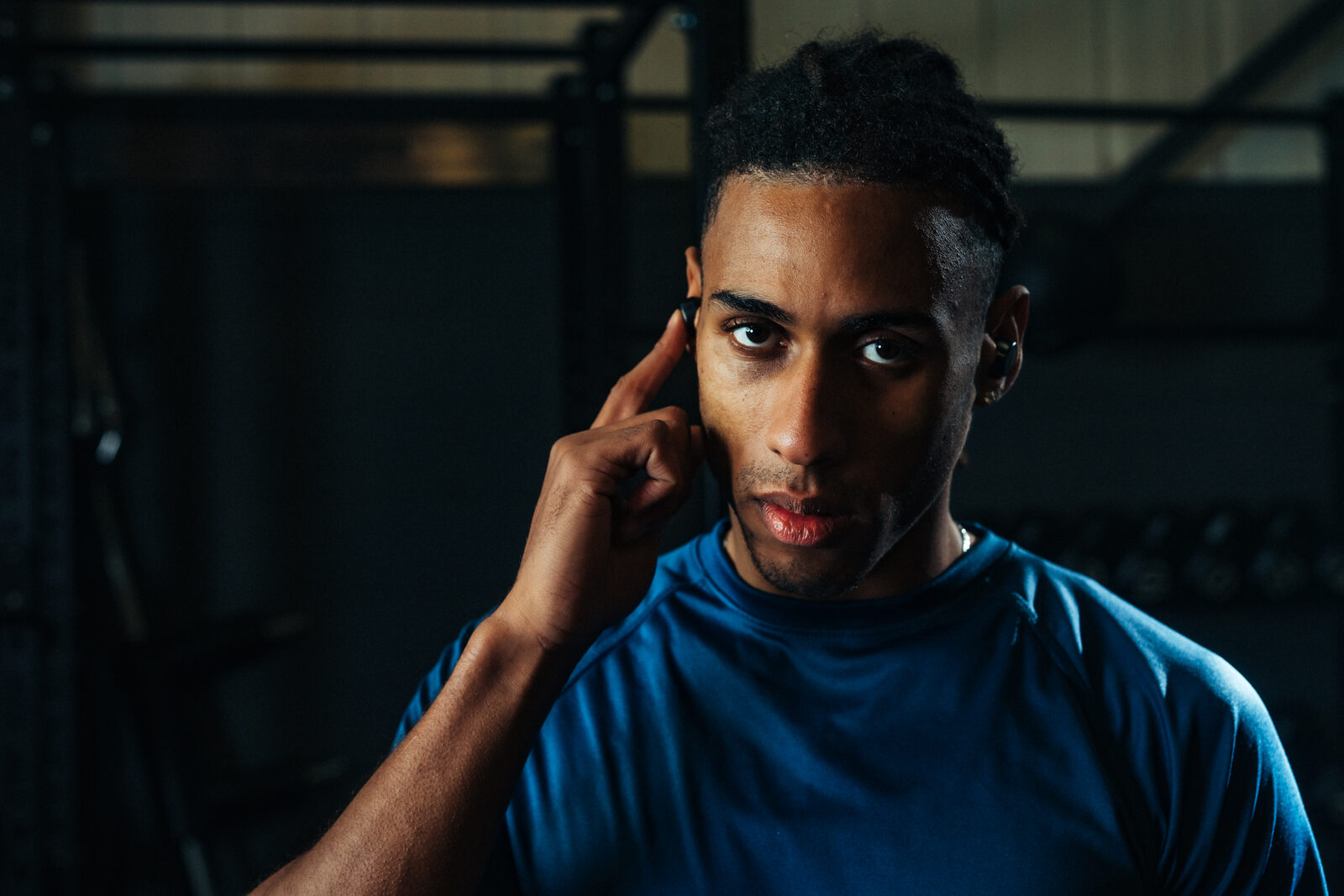
What distraction-free training actually looks like
The consistent themes from athletes who move to distraction-free training, from our own conversations and from wider anecdote rather than controlled trials:
- Sessions run 10 to 20 percent shorter for the same work, because rest periods hold
- Better technique on complex lifts
- More social interaction in the gym, which for many people is a large part of why they go
- Less mental fatigue afterwards
- More frequent flow states in longer sessions
The honest caveat: these are self-reports from people who chose to make a change, which is the weakest form of evidence. The rest period effect is the one you can verify yourself with a stopwatch in a single week.
The objection: I need it for music
This is a real problem, not an excuse, and for most people it is the entire reason the phone comes into the gym.
Standard true wireless earbuds are receivers. No phone means no audio. So the choice is presented as: keep the phone, or train in silence.
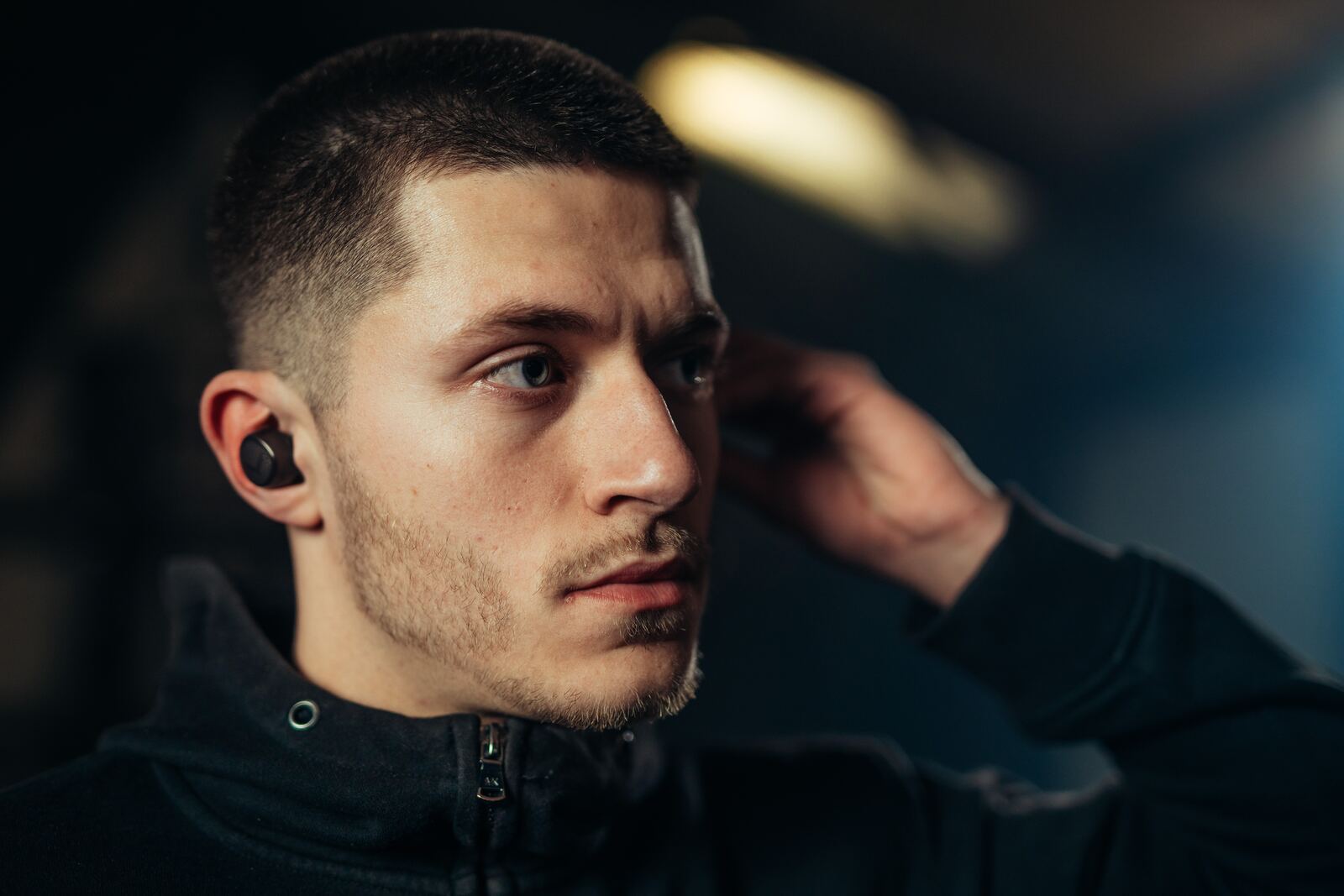
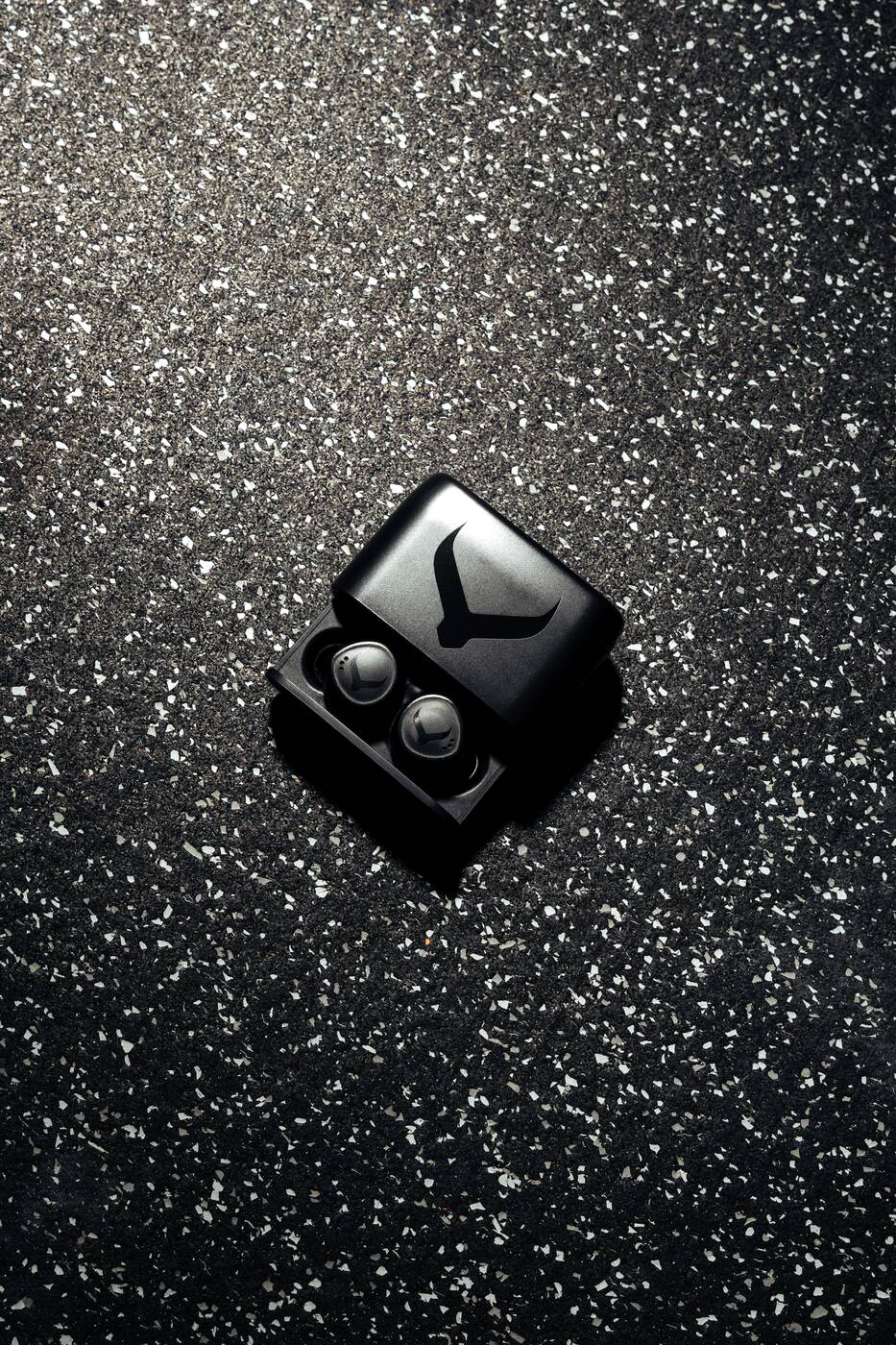
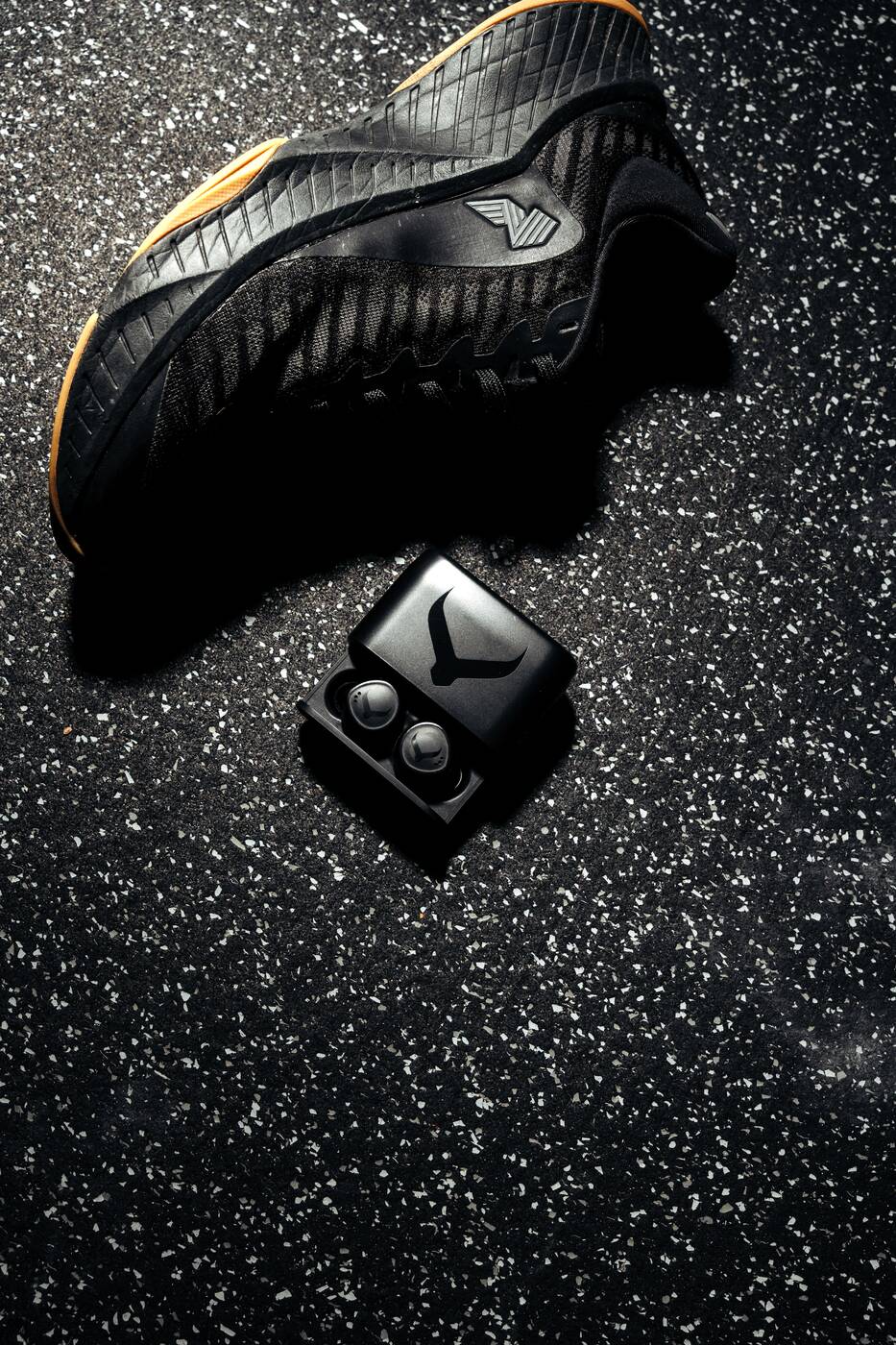
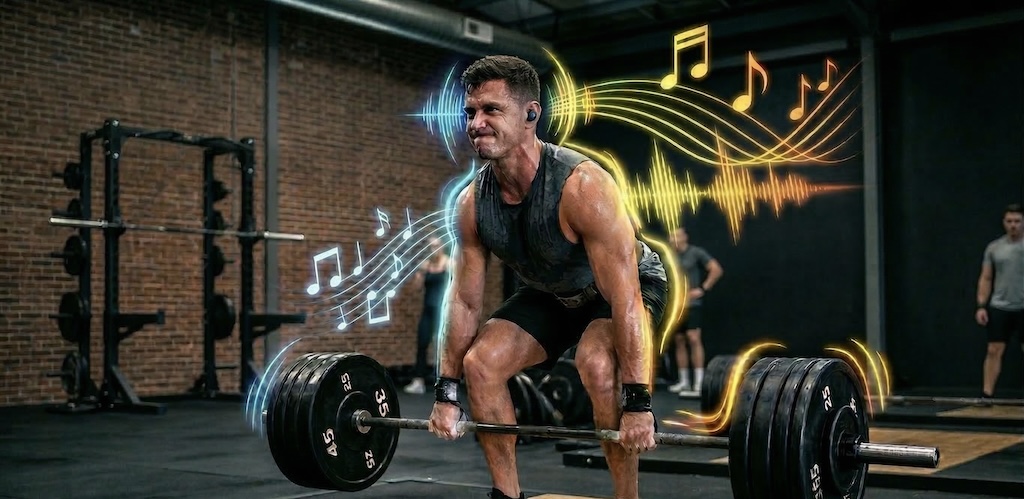
That is a false choice, and it is why Tzuka exists. The TZ7 Ultra is a pair of phone-free workout earbuds with 4GB of onboard storage holding around 1,000 songs. You load your music once, leave the phone in the locker and train with a full playlist. We call it FreedomMode, and because the TZ7 Ultra also has Bluetooth, it is the only true wireless earbud in the world offering both. On the days you want your phone, nothing changes.
The secondary benefit is technical rather than behavioural: no Bluetooth link means no dropouts when you walk away from your bag, and no interference in a room full of competing 2.4GHz devices.
The other objections, answered
"I need it for my training log." A notebook or a whiteboard works, and writing by hand is faster than app navigation. Transfer it afterwards if you want the data.
"I need it as a timer." A gym clock, a watch, or the timer on the earbuds. Almost no session genuinely requires a phone timer.
"What if there is an emergency?" A legitimate concern, and the answer is a watch or a locker with the phone in it and a trusted person knowing where you are. Most people who say this have not had a gym-hours emergency in years, but the anxiety is real and worth addressing rather than dismissing.
"I use it for form videos." Genuinely useful. Do it deliberately, for specific lifts, then put it away. Filming intent is different from having it in your pocket.
How to actually do it
Start narrow rather than all at once.
- Pick one session a week. The one where focus matters most, usually the heaviest.
- Load your music onto the earbuds beforehand. Removing the reason you need the phone is the whole trick.
- Put the phone in a locker, not a bag. Distance matters more than intention.
- Write your session on paper. Take a photo of it afterwards if you want it logged.
- Expect two uncomfortable weeks. The urge to check is a conditioned habit and it fades on roughly that timescale.
- Time one week of rest periods before and after. This is the number that will convince you.
Our guide to training without your phone covers the practical setup in more detail, and if you want the music side handled properly first, start with the BPM playlist guide.
FAQ
Does phone distraction during workouts really affect results?
The clearest mechanism is rest period inflation, which directly changes the training stimulus. That effect is easy to verify yourself and does not depend on any contested psychology.
Is distraction-free training just about willpower?
No, and framing it that way is why most attempts fail. The reliable approach is environmental: remove the phone from reach and remove the reason you needed it. Willpower is a poor substitute for distance.
Are there earbuds that work without phone connection at all?
Yes, but very few. You need onboard storage rather than a Bluetooth receiver. The TZ7 Ultra holds around 1,000 songs on 4GB, so it plays with no source device present, and still pairs over Bluetooth when you want it to.
What should I look for in earphones for phone free workouts?
Onboard storage first, since without it nothing else matters. Then battery life per earbud rather than total with the case, mechanical retention rather than friction fit, and an IP68 rating if you sweat heavily.
How much music fits on onboard storage?
The TZ7 Ultra holds 4GB, around 1,000 songs at typical compression. That is more than most people's active rotation.
What about tracking my run without a phone?
A GPS watch covers it. Combined with earbuds that hold their own music, the phone becomes genuinely optional outdoors as well as indoors.
Leave the phone in the locker without losing your music. The TZ7 Ultra holds 1,000 songs on board, IP68 rated and built to survive your training. Reserve yours.
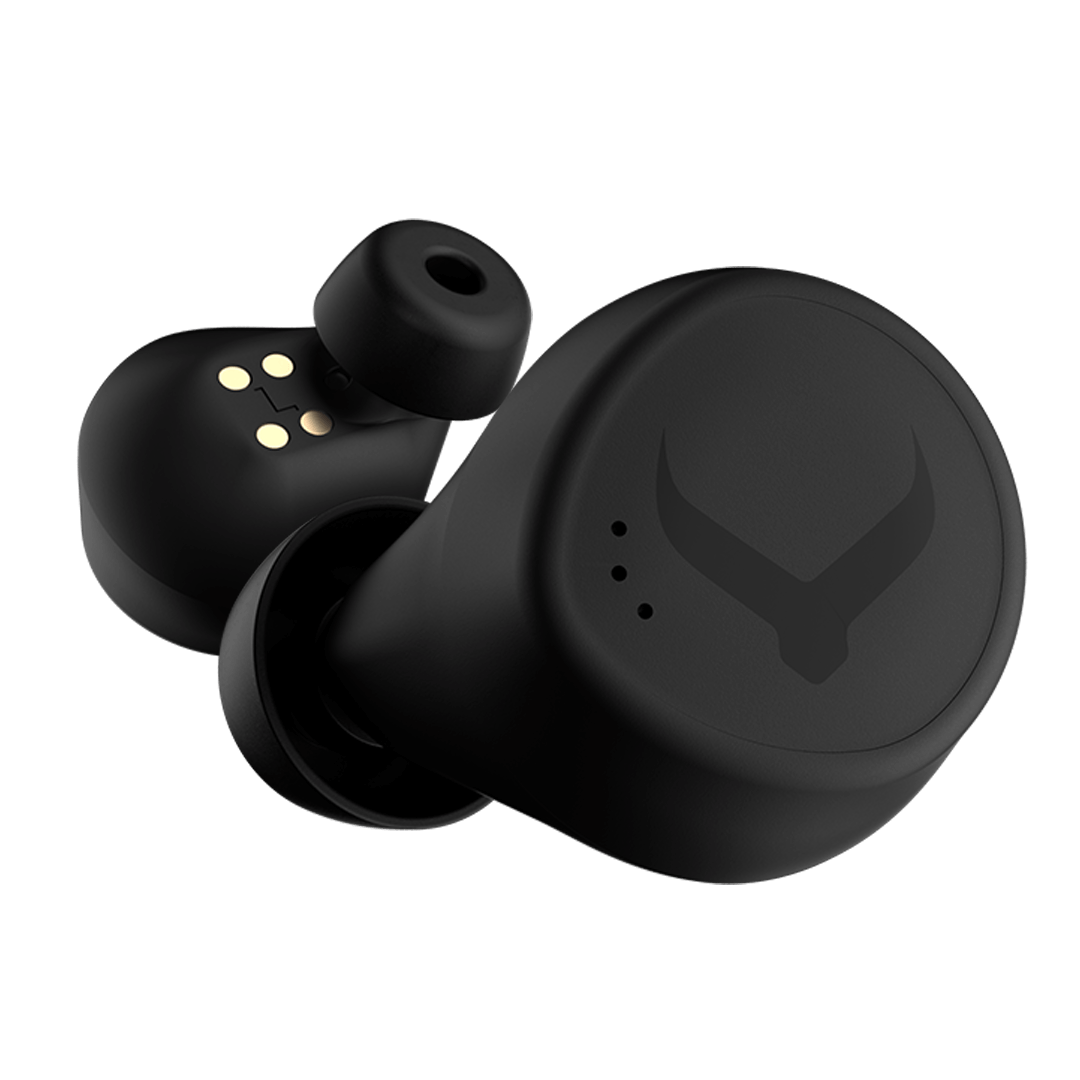
Introducing the ultimate workout earbuds.















.jpg)


.jpg)


.avif)
.avif)