Your First HYROX: What Actually Happens on the Day
You have entered, and somewhere between now and the start line there is a stretch of not really knowing what you have signed up for. There is no time limit and no qualification required. How to choose your division, what happens at check-in, bag drop and the start tunnel, the three mistakes first-timers consistently make, and the UK and Ireland 2026/27 race calendar.


You have entered. Somewhere between now and the start line there is a stretch of not really knowing what you have signed up for.
This is what actually happens, start to finish, drawn from the Season 26/27 rulebook and official HYROX sources rather than from other people's race reports.
First, the reassuring part
There is no time limit. HYROX states plainly that there is no cut-off to complete a race. Nobody is going to pull you off the course. A typical finish is around an hour and a half, and the range is enormous.
No qualification is required. The rulebook opens by saying HYROX is a race open to everyone and qualifications are not required. The minimum age is 16 on race day.
With more than 100 global events in 2026, the field around you will be overwhelmingly made up of people doing much the same thing you are.
Choosing your division
Four ways in, and first-timers routinely pick the wrong one for the wrong reason.
Open. The standard entry. Same runs, same reps, standard weights. This is the right answer for almost every first race.
Pro. Same distances and reps, heavier loads. For men that is roughly fifty kilos more on each sled, eight kilos more per kettlebell, ten more on the sandbag and three more on the wall ball. For women, Pro weights are identical to Men's Open. Choose it because you have trained at those loads, not because Open sounds soft.
Doubles. Two athletes. You run every kilometre together and split the station work however you like, except the sleds, where one athlete does the whole thing. The weights are identical to singles. Genuinely the friendliest entry point, and the most tactically interesting. Our doubles strategy guide covers how to split it.
Relay. Four athletes, each doing two kilometres and two stations. No Pro option. The gentlest introduction to the format.
One thing that catches mixed doubles teams out: Doubles Mixed uses the same weights as Doubles Men, not a blend.
Race morning, in order
Check-in
Bring government-issued photo ID and your registration confirmation. You collect a timing chip and ankle strap, your race number and a wristband. The wristband colour tells officials your wave and division and must be visible.
The chip goes on your ankle and stays there. Racing without it is recorded as Did Not Start.
Write your start time on your arm. The rulebook requires it, and by the time you are queuing you will be glad it is there.
Bag drop
Secure bag drop and changing rooms are available, though the organiser takes no responsibility for lost items. Regional guidance suggests dropping 45 to 60 minutes before your start, one cabin-sized bag.
Warm-up
A designated area with equipment, open to racers only. No spectators. This is the last point at which earbuds are legal, so if music is part of how you get your head right, this is where it happens. Then they go in the bag.
Do not wander into the roxzone. Entering before your start time can trigger your chip and corrupt your time.
The start tunnel
Assemble ten minutes before your start time. Waves go roughly every ten minutes and only ever contain athletes from your own division, so everyone around you is doing exactly what you are doing at exactly the same weights.
Starting in the wrong wave is a disqualification. Check your wristband.
The race itself
Eight kilometres of running, split into eight segments, each followed by a station. You always run first.
SkiErg, sled push, sled pull, burpee broad jump, row, farmers carry, sandbag lunge, wall balls. In that order, every time, at every event in the world.
The bit nobody warns you about: you count your own laps. The rulebook is explicit that this is solely your responsibility, that extra laps earn no time adjustment, and that any lap screen at the venue is a non-official aid. Run segments may be split into multiple laps of differing lengths, so pay attention on your walk-through.
The run course is divided. At 4:00 per kilometre or faster you use the Fast Lane inside. Everyone else runs outside.
Three things first-timers consistently get wrong
Going out too fast on run one. You are fresh, the crowd is loud, and twenty seconds a kilometre feels free. It is not. It is repaid with interest somewhere around run five. Our guide to why HYROX splits collapse covers the mechanism.
Attacking the sled. The sled push is where races die. Patience beats power. Short steps, low body position, keep it moving.
Not walking the course first. Athletes lose ten to twenty seconds per transition simply working out where to go, and there are sixteen transitions.
Wall balls
The last station, 100 reps, and the only one with no warnings. Every other station gives you one warning on movement standards before a rep is invalidated. Here it is either a rep or a no-rep, judged against the target: 2.70m for women, 3.00m for men.
You may take your shoes off here. They go under the rig and you must take them with you to the finish.

The rules that actually catch people
- Carry all your own nutrition from the start. Nothing may be handed to or received from anyone. Accepting a gel from a friend is outside assistance.
- Headphones and ear plugs are forbidden items, in every division including doubles. Warm-up area only.
- Aid station water is for drinking. Pouring it over your head is a two minute penalty.
- Chalk only at sled pull and farmers carry, and only the event's own.
- Use the arch you are meant to. Wrong direction is two minutes, detected automatically from your chip.
Finishing
Once your judge confirms 100 valid wall balls, you go to the finisher stage. Every finisher gets a patch.
Results are not final for 48 hours. They publish immediately at results.hyrox.com, but penalties can be added or amended for two days afterwards. Your Saturday evening placing is provisional.
If you fail to complete a station you can carry on and finish the course, you simply get no ranked time.
UK and Ireland races, 2026/27
- Birmingham: 27 October to 1 November 2026
- Dublin: 11 to 15 November 2026
- London ExCeL: 2 to 6 December 2026
- Manchester: 20 to 31 January 2027, across two race weeks
- Glasgow: 10 to 14 March 2027
- Cardiff: 20 to 29 May 2027
Dates are from the official HYROX race finder and are subject to change. Birmingham and London also host Youngstars events.
What to do between now and then
If you have twelve weeks, our 12-week training plan is built for exactly this. If you have less, prioritise compromised running over everything else: it is the quality the race actually tests and the one most first-timers have never trained.
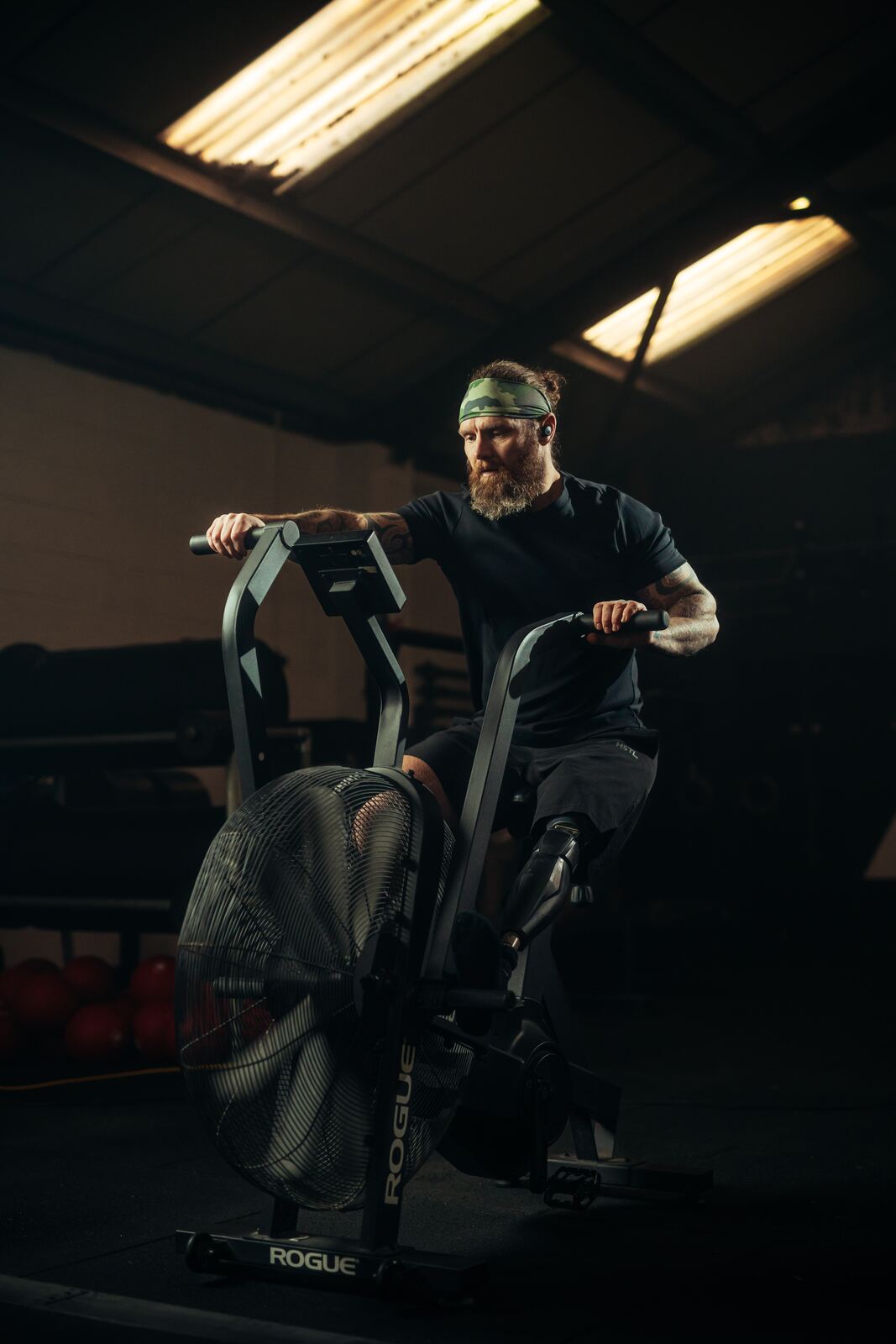
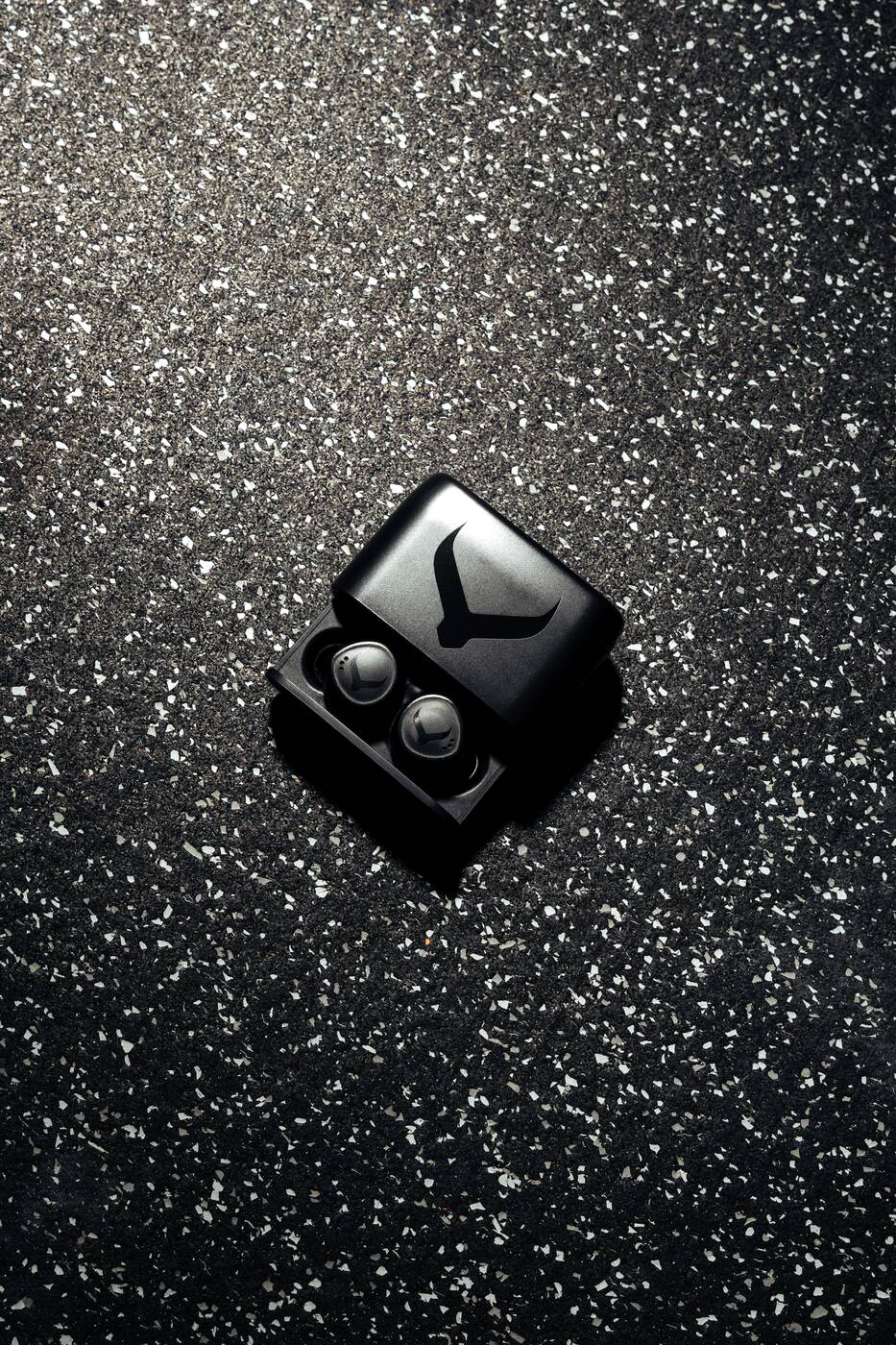
The training block is where music does its work. Rehearsing your run cadence and station rhythm to a fixed tempo for three months means the pacing is internalised by race day, and holds without a soundtrack when the earbuds come out. That is the whole argument for training phone-free: nothing to check, nothing to fiddle with, no notifications during rest. Our guide to earbuds for HYROX training covers what survives the block.
FAQ
Is there a cut-off time for HYROX?
No. HYROX confirms there is no time limit to complete a race.
Which division should I enter first?
Open for a solo first race, or Doubles if you have a partner. Pro only if you have trained at Pro weights.
Do I need to qualify?
No. Minimum age is 16 on race day.
What do I need at check-in?
Government-issued photo ID and your registration confirmation.
Can I wear headphones?
No, in any division. They are a forbidden item. The warm-up area is fine.
How long does a first HYROX take?
Around 90 minutes is typical, with a very wide spread either side. There is no cut-off, so finishing is the only target that matters.
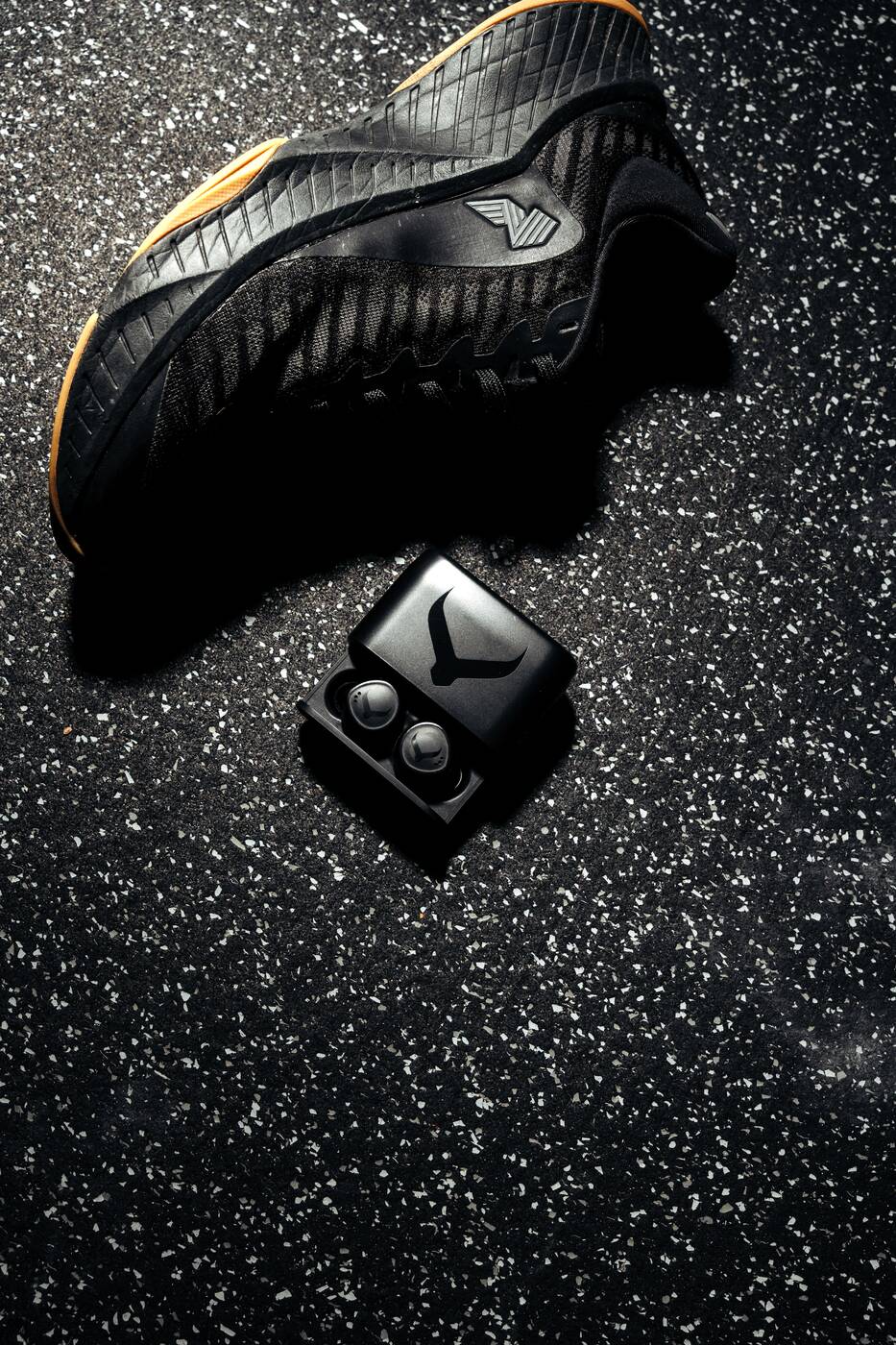
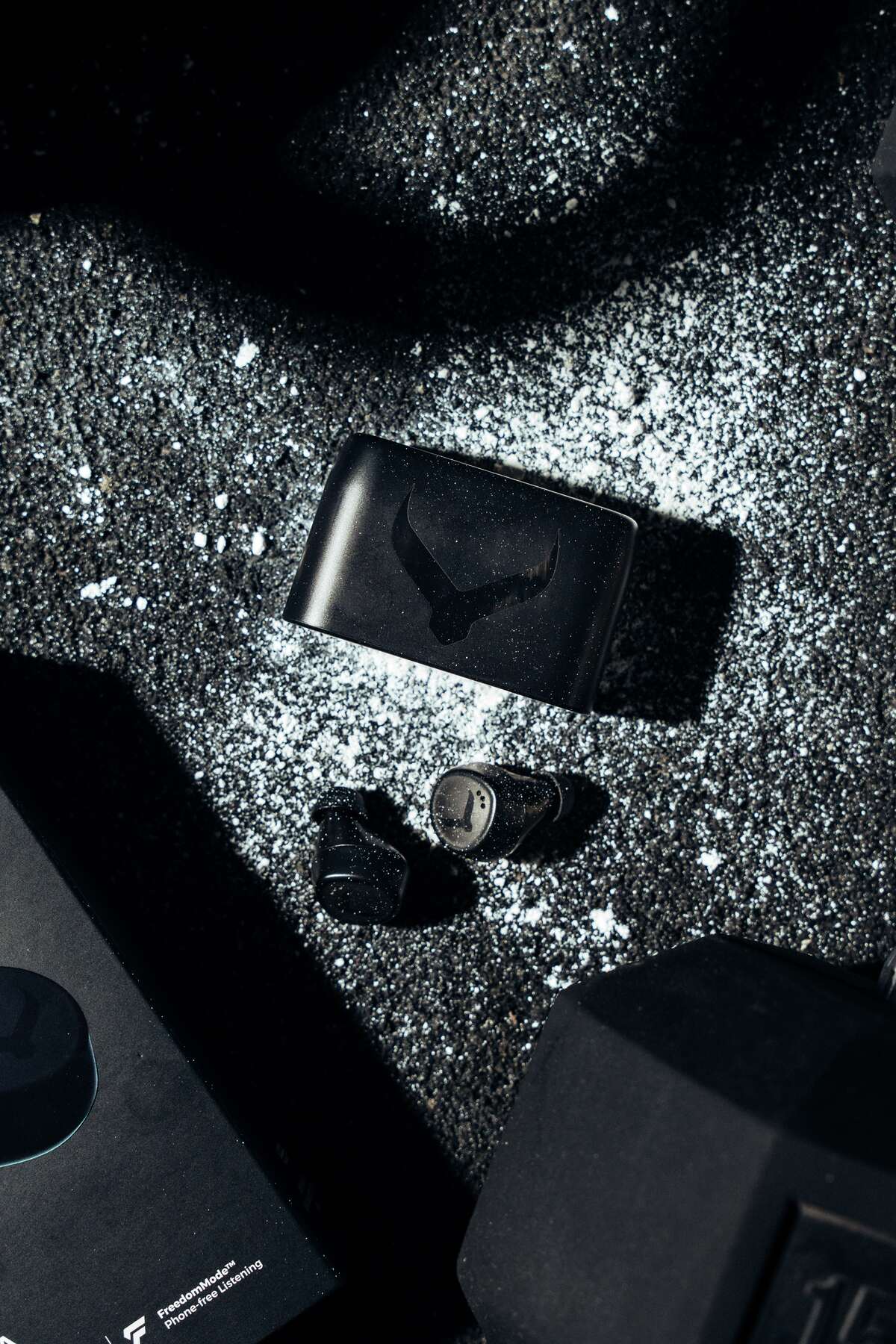
Train the cadence that carries you through race day. See the TZ7 Ultra.
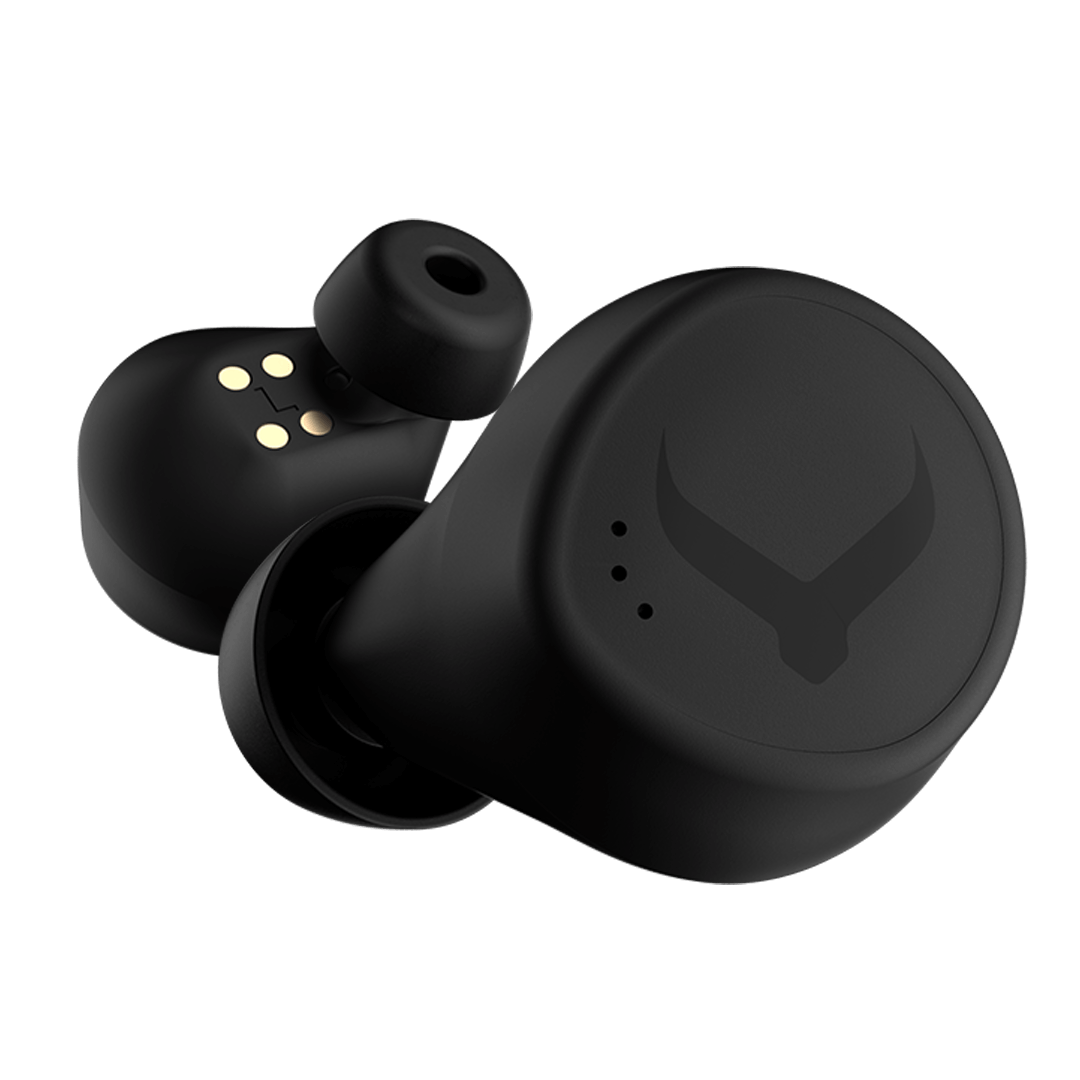
Introducing the ultimate workout earbuds.





















.jpg)


.jpg)





.avif)
.avif)