Best Earbuds for Long Workouts: Battery Life Compared
Battery specifications in sports audio are close to useless as published, because the number on the box is almost always the wrong number. Six current earbuds ranked on the figures that matter for genuinely long training: per-earbud runtime, total system endurance and how fast a quick charge recovers you, plus what drains a battery faster than the spec sheet admits.
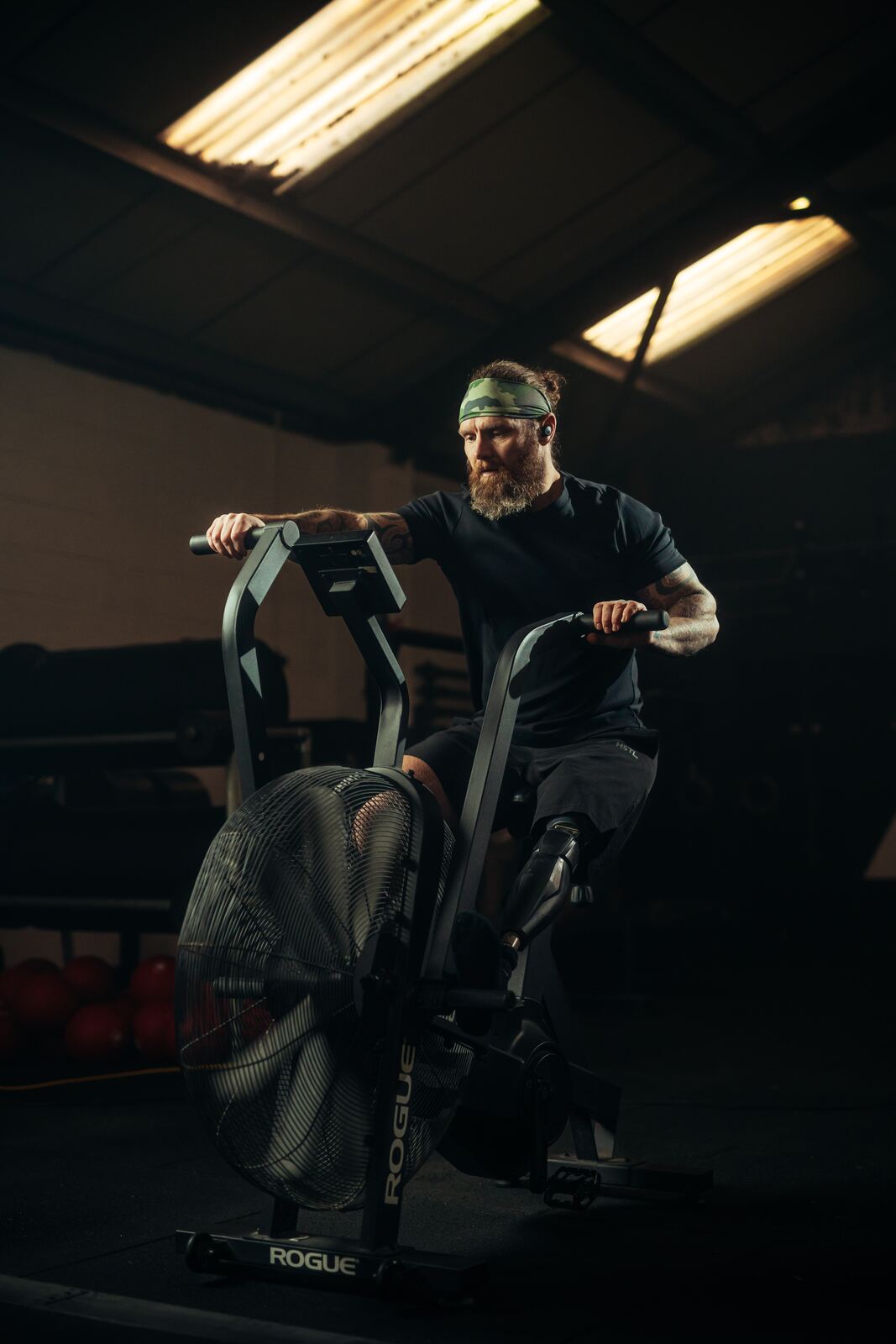

Battery specifications in sports audio are close to useless as published, because the number on the box is almost always the wrong number.
"Up to 48 hours" means twelve hours of listening and three recharges from the case. For a long session that figure tells you nothing. What you need is how long one earbud runs before it stops, and what happens when it does.
This guide ranks current earbuds on the figures that matter for genuinely long training: per-earbud runtime, total system endurance, and how fast a quick charge recovers you. Every number is the manufacturer's own published figure, checked in September 2026.
The three numbers, and which one you need
Per-earbud runtime is the hard limit on a single continuous session. If you are out for four hours and the earbud runs for three, nothing else on the spec sheet saves you.
Total with case is how long the whole system lasts between wall charges. This is the figure that matters across a training week, on a training camp, or anywhere you are away from a socket.
Quick charge rate is the one nobody reads and endurance athletes should. Five minutes in the case between a warm-up and a session is the difference between a working pair and a dead one.
Most guides rank on the first number alone. That is the right call for a single ultra-length effort and the wrong call for almost everything else.
Ranked on total system endurance
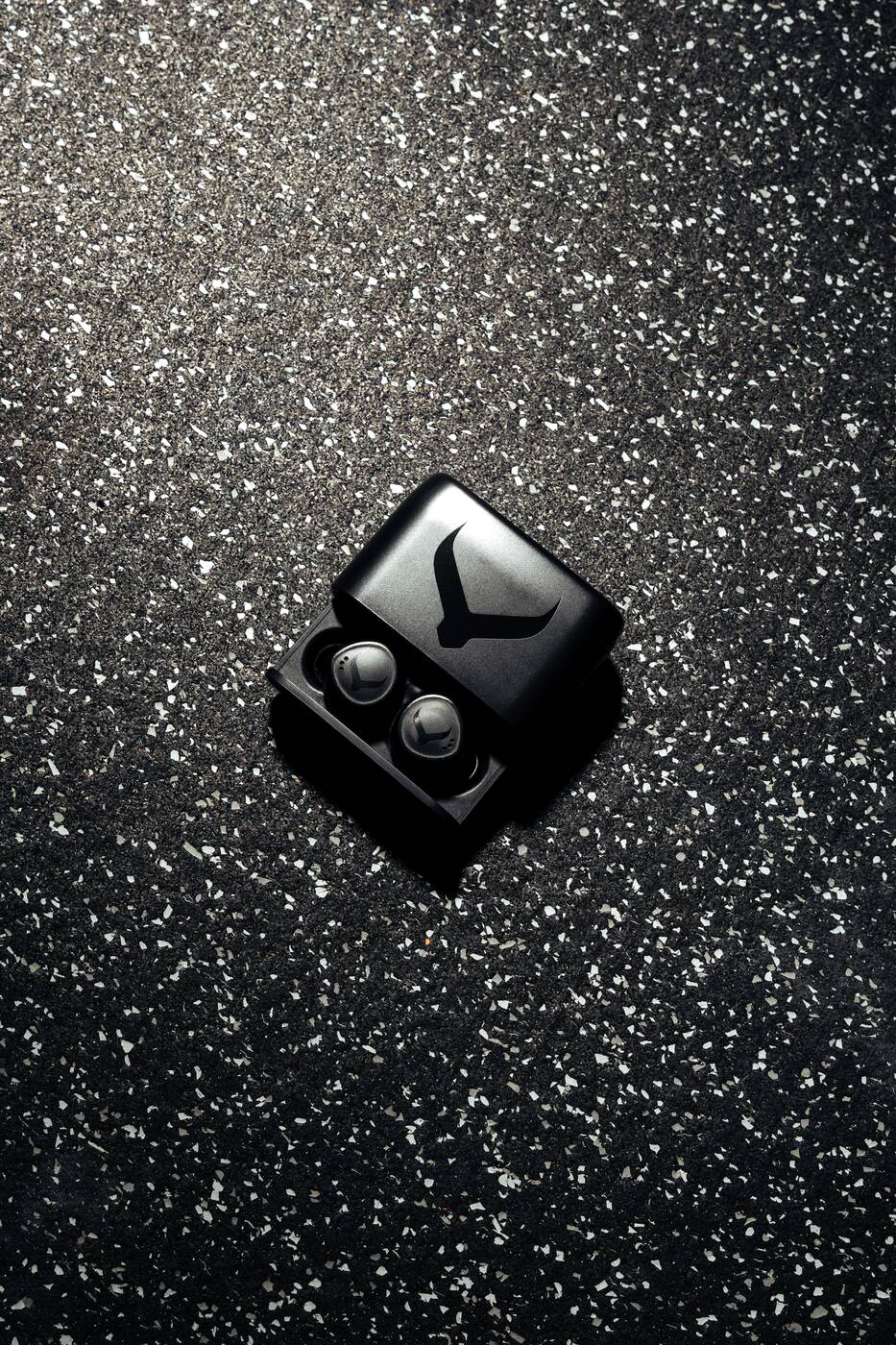
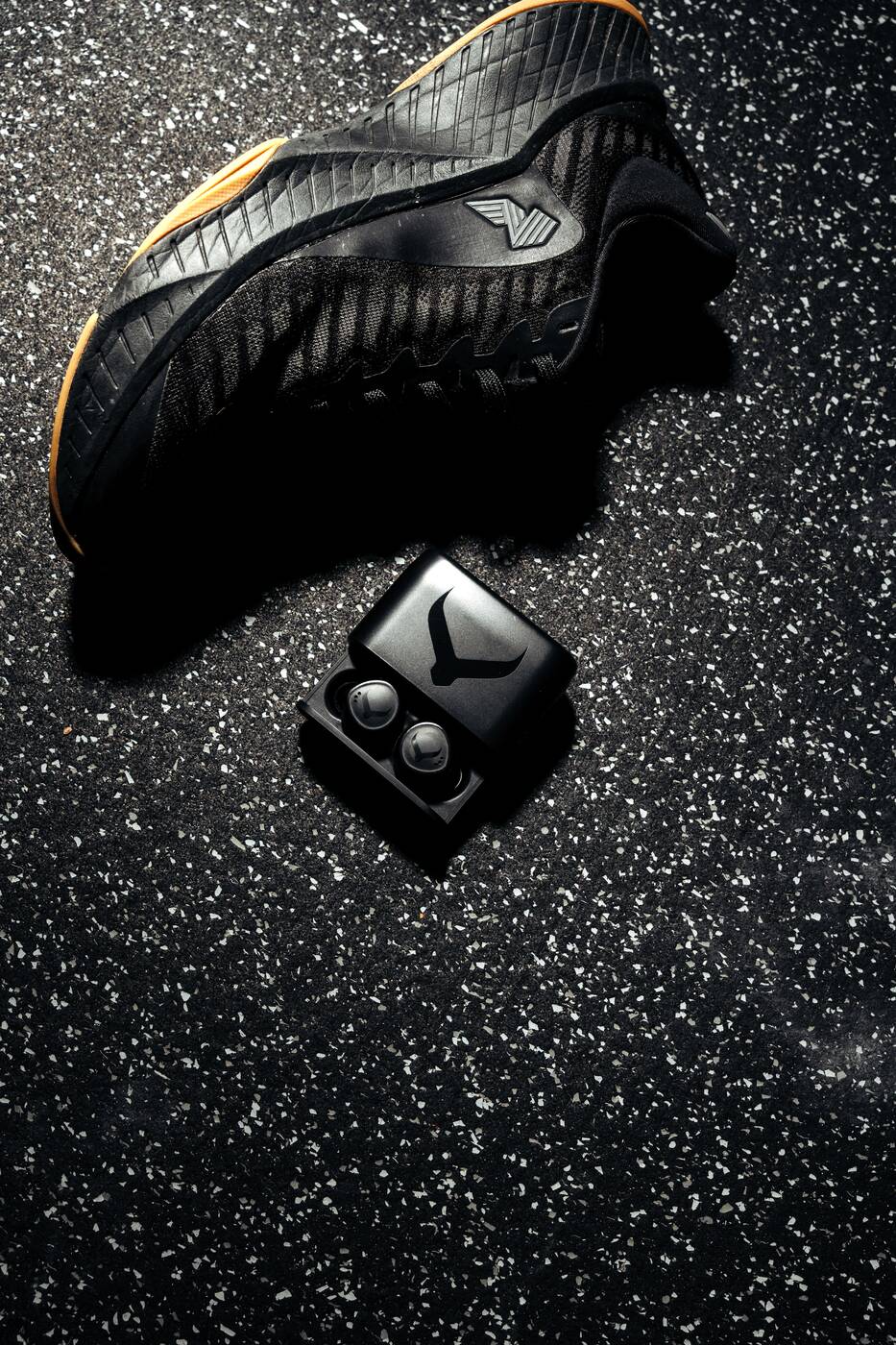
1. Tzuka TZ7 Ultra, 60 hours with the case
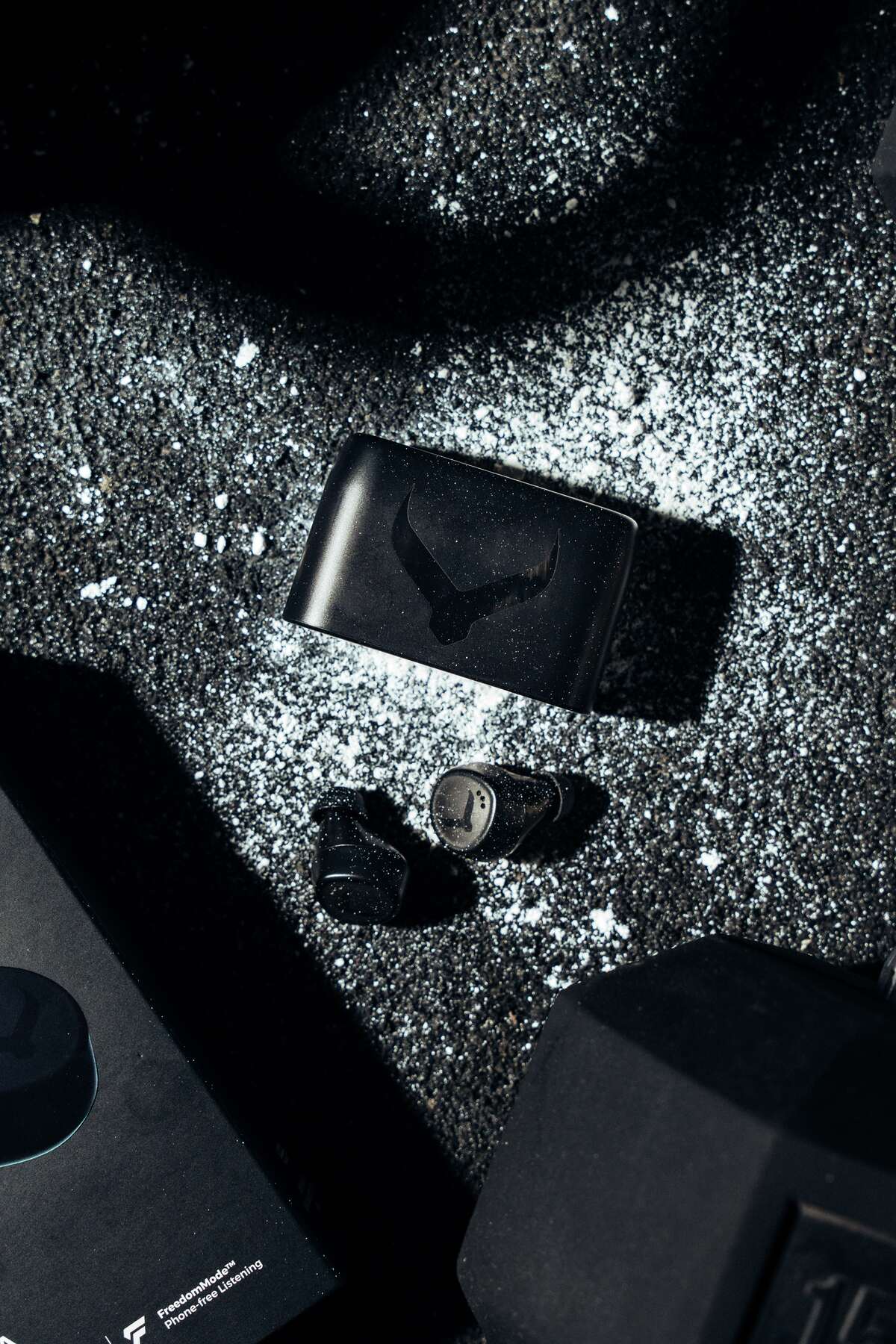
7 hours per earbud. 60 hours total. Quick charge 5 minutes for 45 minutes of playback. IP68 rated to 2m, 2m drop rating. 4GB onboard storage.
Sixty hours is the highest total figure of anything we verified, and the quick charge rate is the fastest here: five minutes in the case returns forty five minutes of playback.
For the athlete this guide is aimed at, that combination is the point. A training camp, a week away, or a Sunday of back-to-back sessions is a total-endurance problem rather than a single-session problem. Sixty hours covers a full week of double days without going near a charger.
The honest caveat: seven hours per earbud is mid-table, not leading. If your binding constraint is one continuous effort longer than seven hours, an ultra or a very long ride, look further down this list. For everything shorter, the total figure and the recharge rate matter more.
The onboard storage is the other half of the endurance argument, and it is the half people miss. Streaming drains your phone as well as your earbuds. A dead phone at hour five ends the music regardless of what the earbuds have left. Onboard playback removes that entirely.
2. Anker Soundcore Sport X20, 48 hours with the case
12 hours per earbud, 7 with noise cancelling. 48 hours total. IP68 earbuds and IP68 case. £89.99.
Twelve hours per earbud at under ninety pounds, with IP68 on the case as well as the earbud. On endurance per pound nothing else here is close.
3. JBL Endurance Race 2, 48 hours with the case
12 hours per earbud, 10 with noise cancelling. 48 hours total. IP68 earbuds, IPX2 case. £69.99.
The best noise-cancelling endurance in this guide: ten hours with ANC active, where most products roughly halve. The IPX2 case is the compromise.
4. Shokz OpenFit 2+, 48 hours with the case
11 hours per earbud. 48 hours total. IP55, case not waterproof.
Eleven hours per earbud is strong and the open-ear design is comfortable across very long sessions, which matters more than the raw number on a six-hour day.
5. Beats Powerbeats Pro 2, 45 hours with the case
10 hours per earbud. 45 hours total. IPX4, no published case rating.
Ten hours per earbud and the best fit retention here. Beats publishes no separate figure for noise cancelling on or off, and no case IP rating.
6. Bose Ultra Open, 29.5 hours with the case
7 hours per earbud. 29.5 hours total. IPX4.
The weakest endurance figures in this guide, at two hundred pounds.

The single-unit products
Bone conduction bands are not directly comparable, because there is no case and therefore no top-up. What you charge is what you get.
- Shokz OpenRun Pro 2: 12 hours per charge, no case, IP55
- Suunto Wing 2: 12 hours per charge, 36 hours with the included powerbank, IP66
- Shokz OpenSwim Pro: 9 hours Bluetooth or 6 hours in memory mode, IP68, 32GB storage
Twelve hours with no possibility of a mid-session top-up is a different proposition from twelve hours with a case in your pocket. For a single very long effort it is fine. For a training week it is a constraint.
What actually drains a battery faster than the spec sheet says
Published figures come from controlled tests. Real training is not controlled.
Volume. Manufacturers test at roughly half volume. A loud gym pushes you higher and the drain is not linear.
Noise cancelling. Roughly halves runtime on most products here. JBL is the exception at 12 hours down to 10.
Cold. Lithium cells lose usable capacity below about five degrees. Winter running is materially worse than the spec sheet.
Bluetooth reconnection. Every dropout and re-pair costs power. In a congested gym that is constant, and it is one more argument for offline playback.
Cell ageing. Expect meaningful degradation by year two. Buying with headroom is buying time.
How to choose
Single efforts over seven hours: per-earbud runtime is the only number that matters. The Soundcore Sport X20 and the JBL Endurance Race 2 lead the current market at 12 hours each.
Training weeks, camps and travel: total system endurance and quick charge. Tzuka leads at 60 hours and five minutes for forty five.
Budget constrained: Soundcore Sport X20 at £89.99, twelve hours per earbud with IP68 throughout.
Noise cancelling on constantly: JBL Endurance Race 2, which loses least.
FAQ
What battery life do I need for long workouts?
Your longest session plus a third. If your longest is three hours, look for at least four per earbud so you are not finishing on a warning tone in year two.
Does the charging case count toward battery life?
Only between sessions. Within one continuous effort the case is irrelevant unless you can pause and return a bud to it.
Why do earbuds die faster than the box says?
Higher volume than the test, noise cancelling on, cold weather, repeated Bluetooth reconnection, and cell ageing. Expect real-world runtime below published figures, increasingly so over time.
Does offline playback save battery?
It removes the maintained Bluetooth link and the reconnection cycles, and it takes your phone's battery out of the equation entirely, which is often the thing that actually fails first on a long day.
Is 7 hours per earbud enough?
For the overwhelming majority of training, comfortably. A HYROX simulation, a long gym session or a half marathon all sit well inside it. It becomes the binding constraint only for ultra-distance efforts.
60 hours total, five minutes for forty five, and 1,000 songs with no phone. See the TZ7 Ultra.
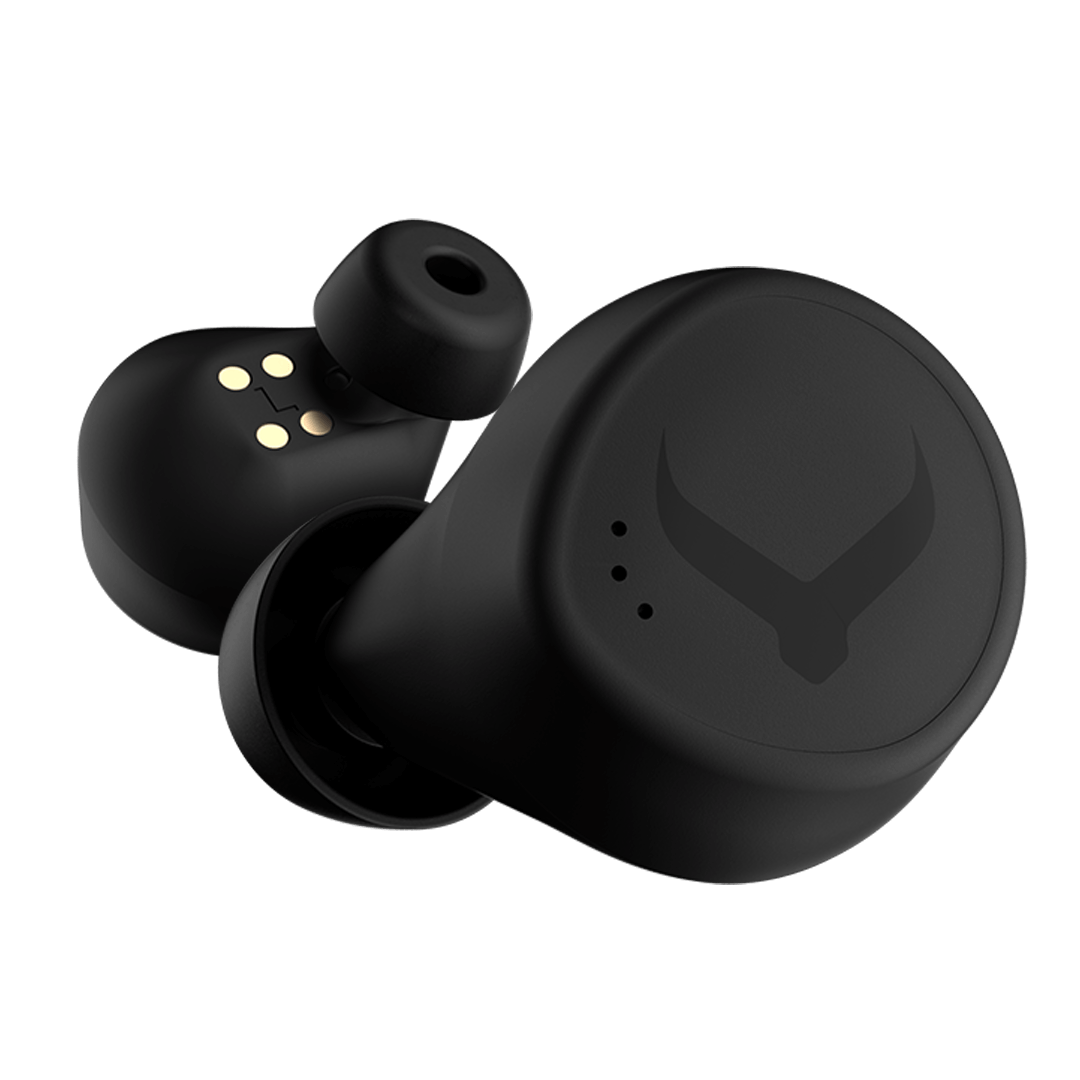
Introducing the ultimate workout earbuds.














.jpg)


.jpg)


.avif)
.avif)