Building a Training Playlist: BPM by Station
Most people build training playlists by feel, which works right up until the moment the wrong song lands in the middle of an interval. Building by tempo takes twenty minutes once and then works for a year. This guide covers the physiology in brief, a tempo map for every session type, a station-by-station BPM table for HYROX, how to find any song's BPM, and how to build the thing properly.

Most people build training playlists by feel, which works right up until the moment the wrong song lands in the middle of an interval. Building by tempo takes twenty minutes once and then works for a year.
Here is the practical version, with the physiology behind it kept short.
Why BPM matters more than genre
Two mechanisms are doing the work.
Entrainment. Humans spontaneously synchronise repetitive movement to an external beat. Given music at 170 BPM, your cadence drifts towards 170 steps per minute or a clean half at 85. This is involuntary and it is measurable. Used deliberately, it is a free metronome.
Dissociation and arousal. Music also shifts attention away from effort perception and raises physiological arousal. The effect on perceived exertion is largest at submaximal intensities and shrinks as you approach maximum, which is why music helps a tempo run more than it helps a one rep max. We cover the evidence in how music boosts performance.
The practical implication: tempo should match the movement you want, not the mood you are in.
The tempo map
Warm up: 100 to 130 BPM
You are raising heart rate gradually and doing mobility work. High tempo here encourages people to rush the part of the session that most needs patience.
Zone 2 and easy running: 140 to 155 BPM
The most commonly misjudged zone. Easy running should feel easy, and a 180 BPM playlist will drag you out of it. If your easy pace keeps creeping, your playlist is a likely culprit.
Steady running and tempo: 155 to 170 BPM
Matches a natural cadence of 155 to 170 steps per minute for most runners. If you are working on cadence specifically, pick tracks 5 BPM above your current average and let entrainment do the work.
Intervals and threshold: 170 to 185 BPM
Fast, driving, minimal vocal complexity. Half-time feel at 85 to 92 also works well and often feels more powerful.
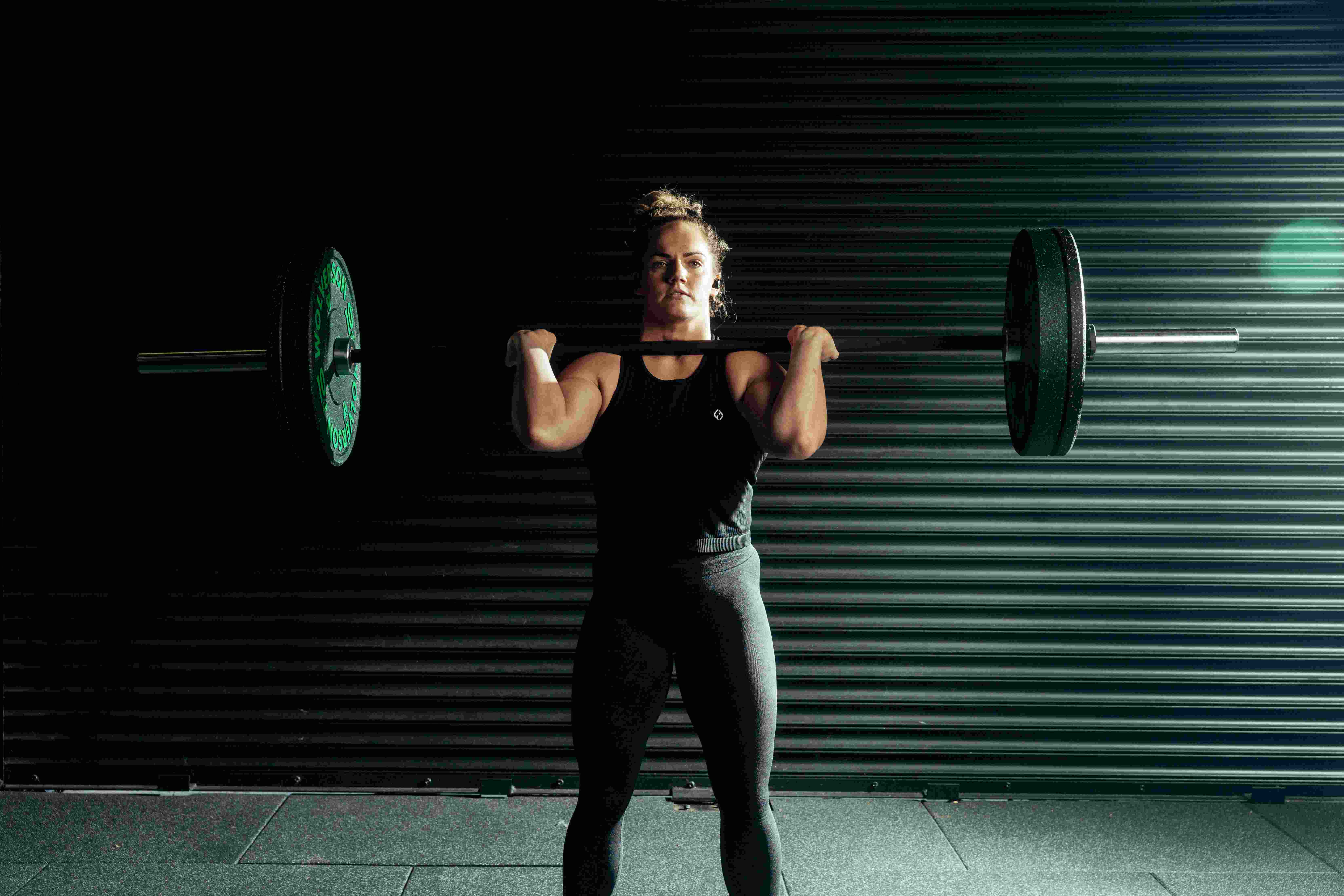
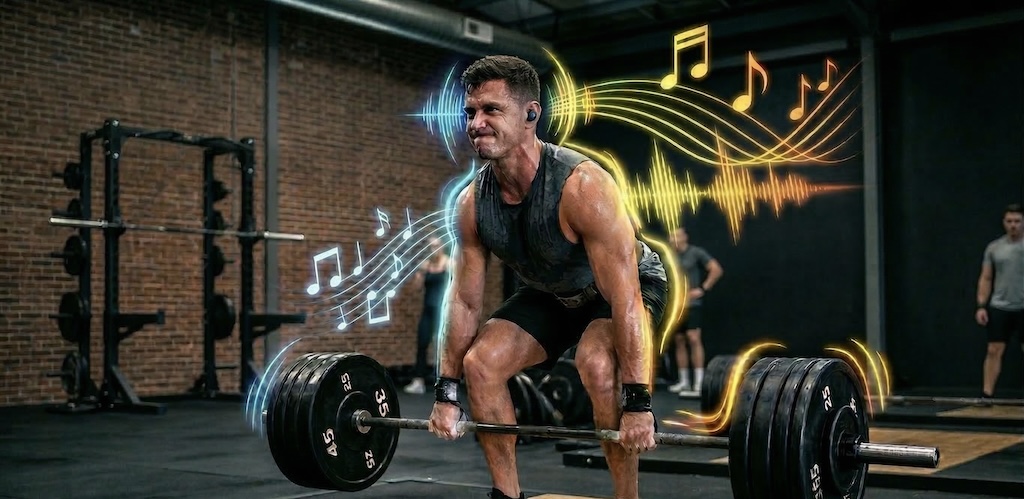
Heavy lifting: 130 to 150 BPM, but weight the low end
For a heavy single, tempo matters less than intensity and bass. What you want is arousal, not cadence. Loud, low, aggressive. This is also where bone conduction formats struggle, as covered in our bone conduction comparison.
Cool down: 90 to 115 BPM
Actively useful rather than an afterthought. Slower tempo supports the parasympathetic shift you are trying to trigger.
HYROX station by station
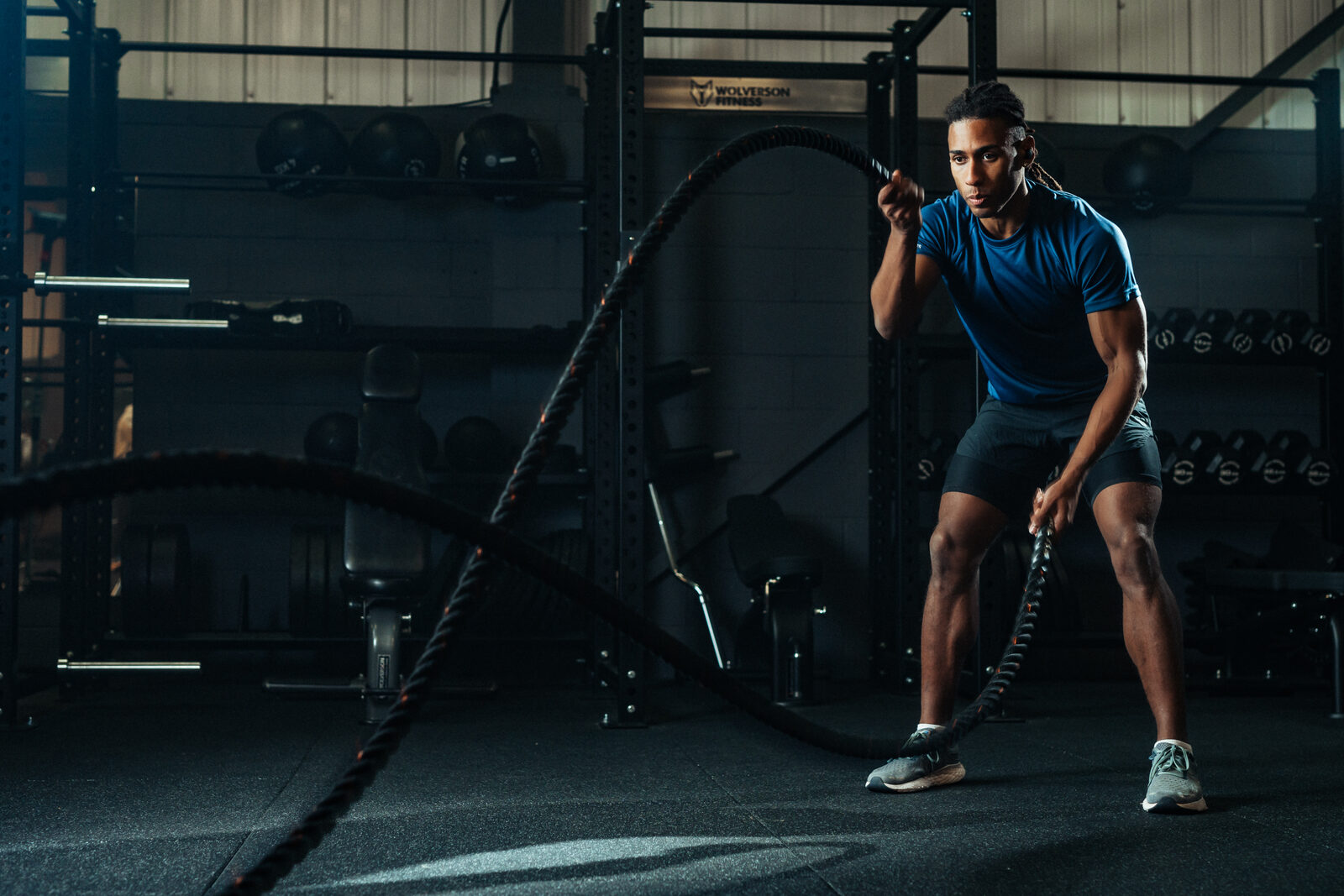
HYROX is eight kilometres of running interrupted by eight stations, which makes it unusually easy to programme by tempo. The run legs are consistent, and each station has a natural rhythm.
- Run legs (1km): Target BPM: 160 to 172. Note: Match your target cadence, hold it
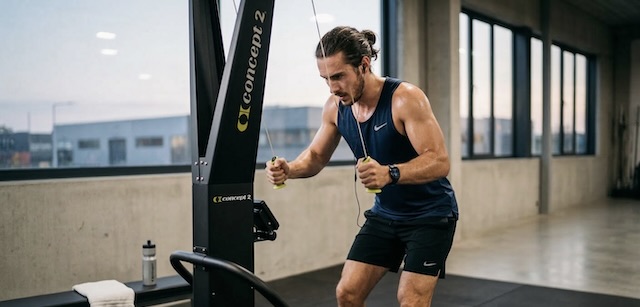
- 1000m SkiErg: Target BPM: 150 to 160. Note: Roughly 40 strokes per minute at a quarter-time feel
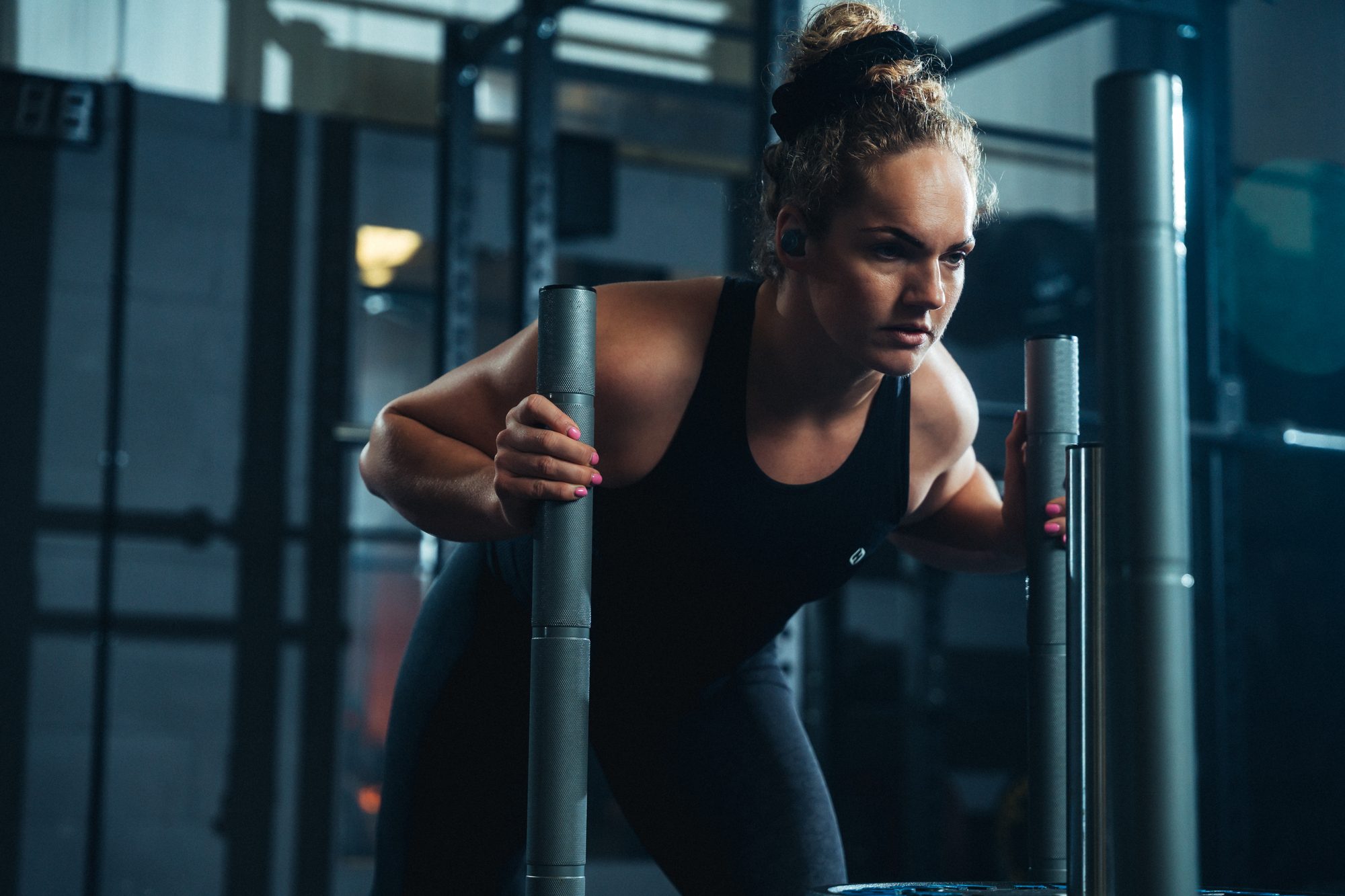
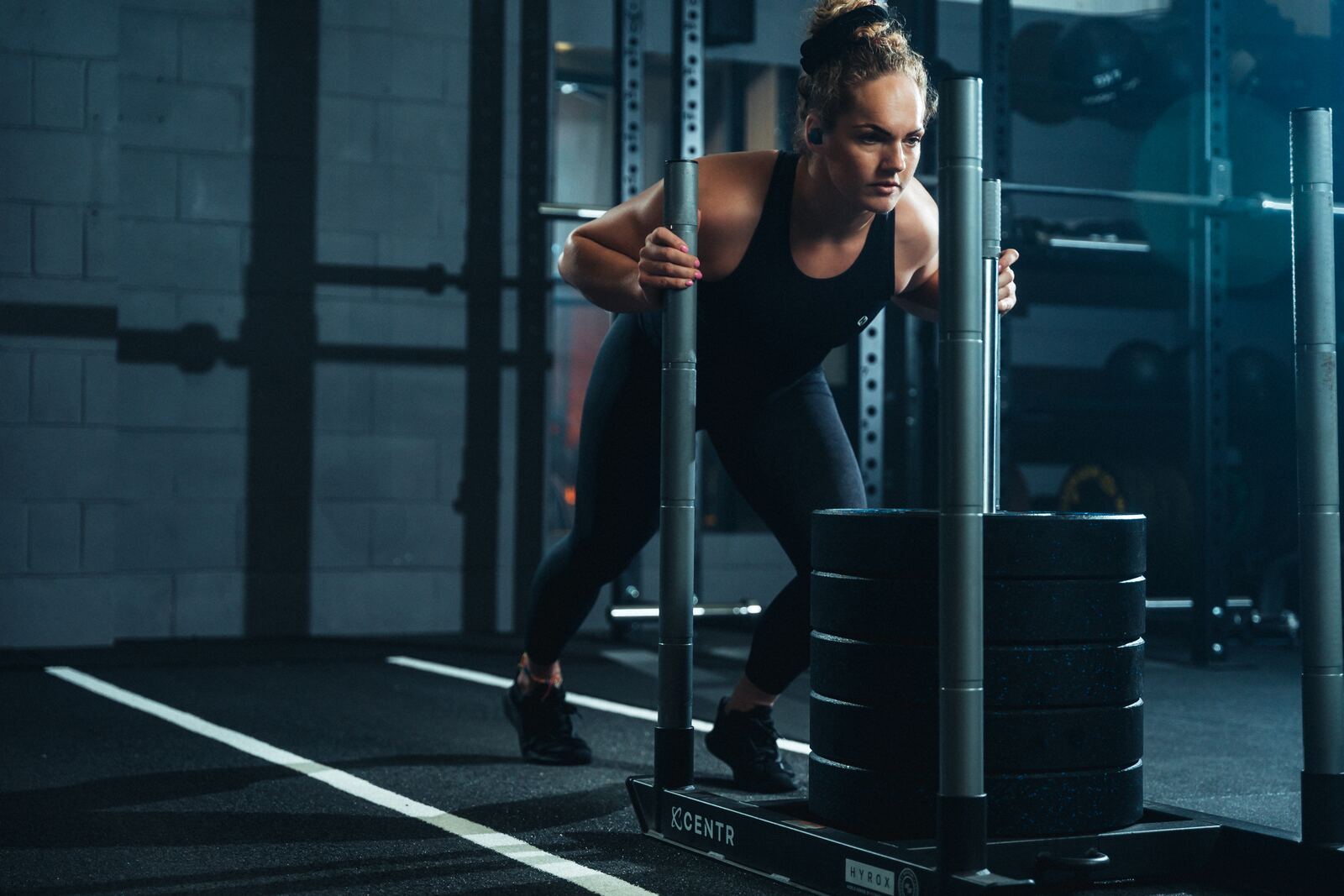
- 50m Sled Push: Target BPM: 120 to 135. Note: Grind, not cadence. Low and heavy
- 50m Sled Pull: Target BPM: 120 to 135. Note: Same
- 80m Burpee Broad Jump: Target BPM: 140 to 150. Note: High enough to keep moving, low enough not to blow up
- 1000m Row: Target BPM: 150 to 160. Note: Around 26 to 30 strokes per minute
- 200m Farmers Carry: Target BPM: 155 to 165. Note: Steady walking or jogging rhythm
- 100m Sandbag Lunges: Target BPM: 120 to 135. Note: Slow and deliberate. Rushing lunges is how races end
- 100 Wall Balls: Target BPM: 145 to 155. Note: Consistent rhythm matters more than speed
Our best music for HYROX training guide goes further into station-by-station playlist construction.
The mistake almost everyone makes is programming the sled push at interval tempo. You cannot move faster than the sled allows, so a 180 BPM track just makes you thrash. Match the movement.
How to find a song's BPM
- Spotify: not exposed in the app any more, but third party tools like SongBPM and Tunebat will look up any track
- Apple Music: same approach
- Tap it out: any online tap tempo tool, tap along for eight bars
- Feel it: count beats for fifteen seconds and multiply by four
Once you know your anchors, most of the work is done. Songs you love tend to cluster tightly in tempo.
Building the thing
- Pick your session template. Warm up, work, rest, cool down. Note the duration of each block.
- Sort candidate tracks by BPM. Build one playlist per tempo band rather than one enormous playlist.
- Match track length to interval length. A four minute track over a three minute interval means the last minute of every rep is the least energetic part of the song.
- Front-load the strongest tracks. Motivation is a resource. Spend it in the back half of the session where it matters.
- Cut anything with a long intro. Forty seconds of ambient build is fine on a run and useless on a two minute interval.
- Test it once, then leave it alone. The playlist you tinker with weekly never becomes familiar, and familiarity is part of the effect.
Taking your workout music offline
There is a practical problem with all of this. A carefully built playlist is useless if your phone is in a locker forty feet away, or in your pocket during floor work, or dropping connection every time you turn away from it.
Which is why the last step is to take your workout music offline. Most people reach for a separate offline music player for gym use, which is one more thing to carry, charge and protect. The alternative is to put the storage inside the earbuds themselves.
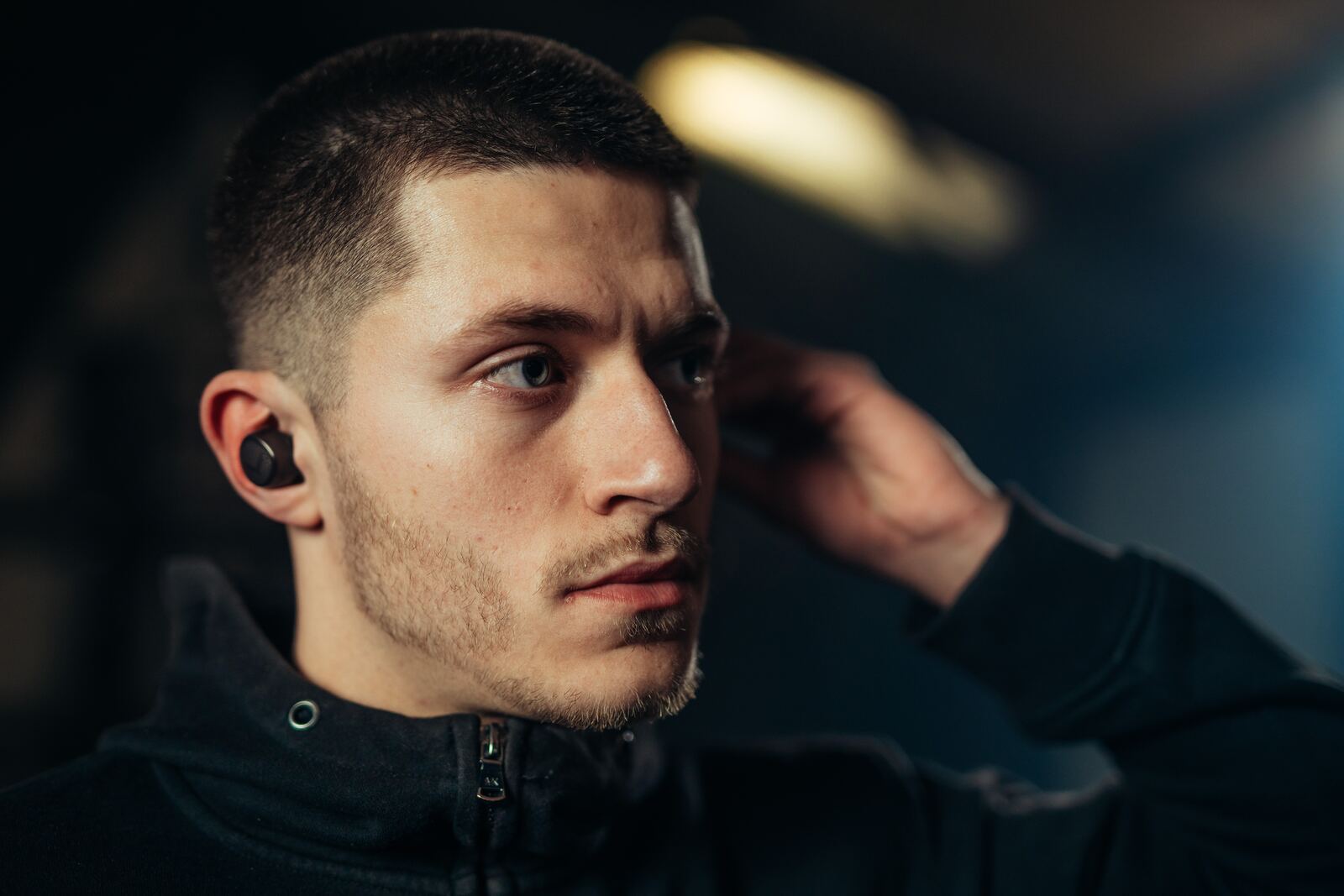
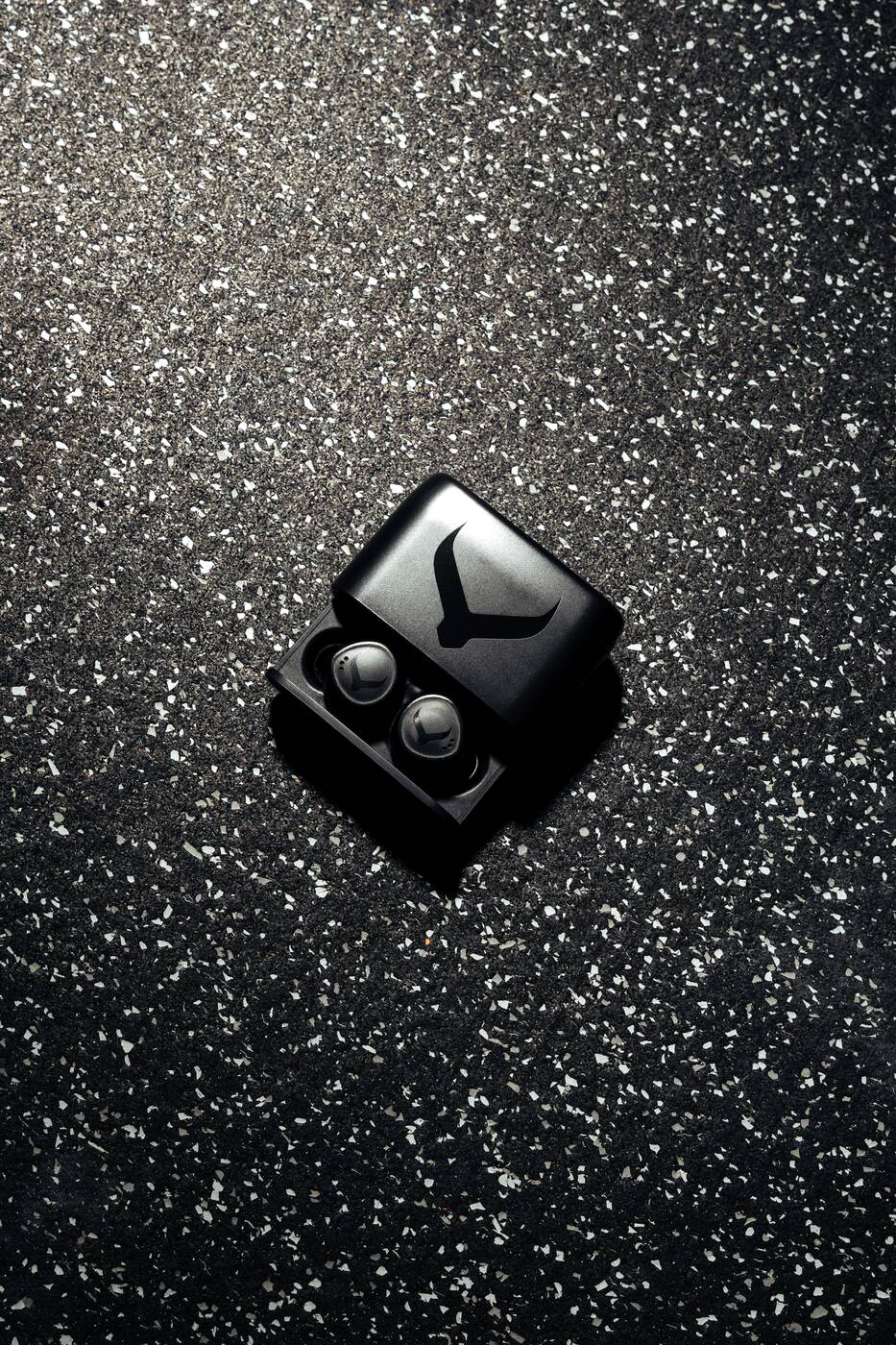
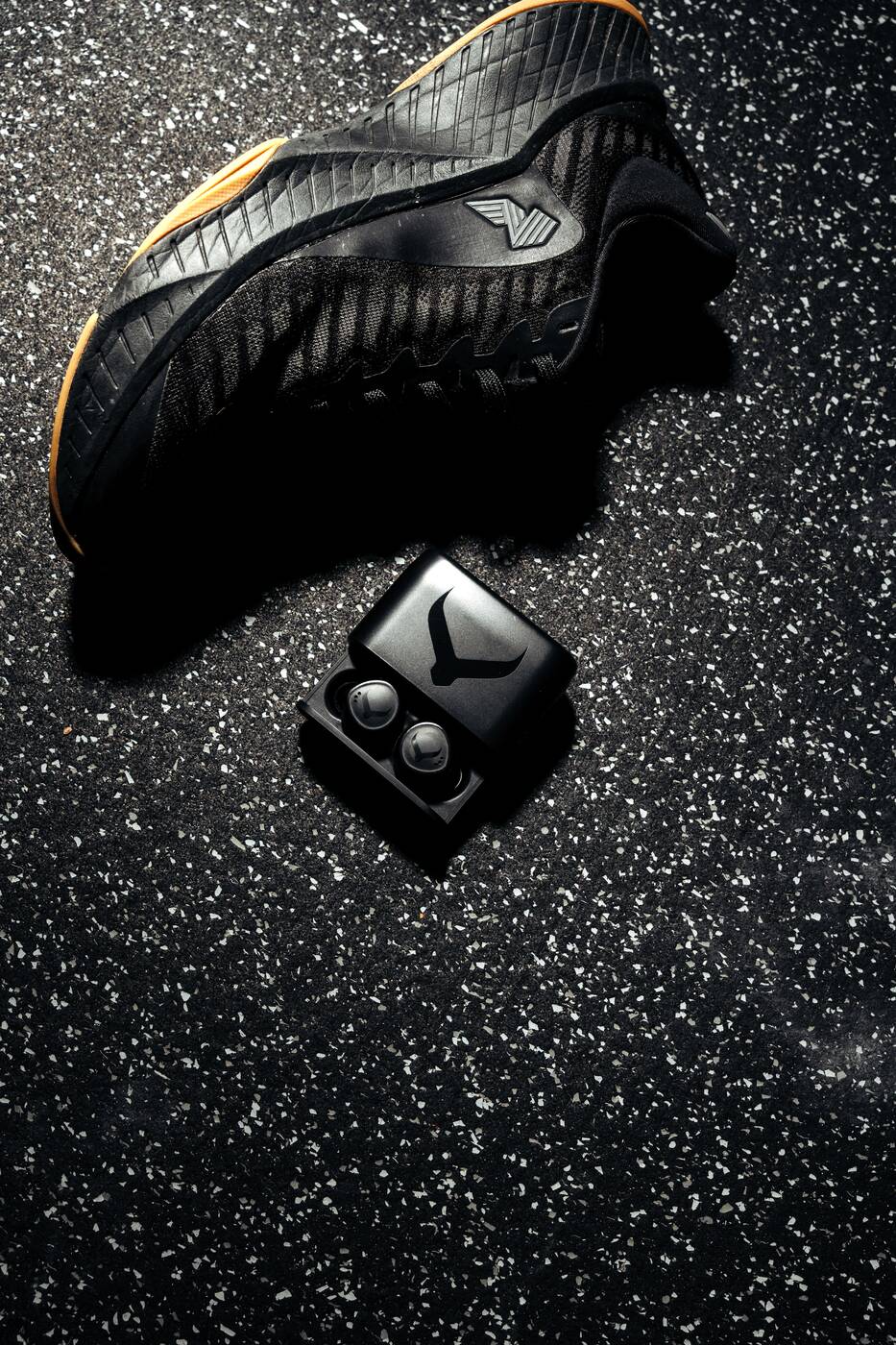
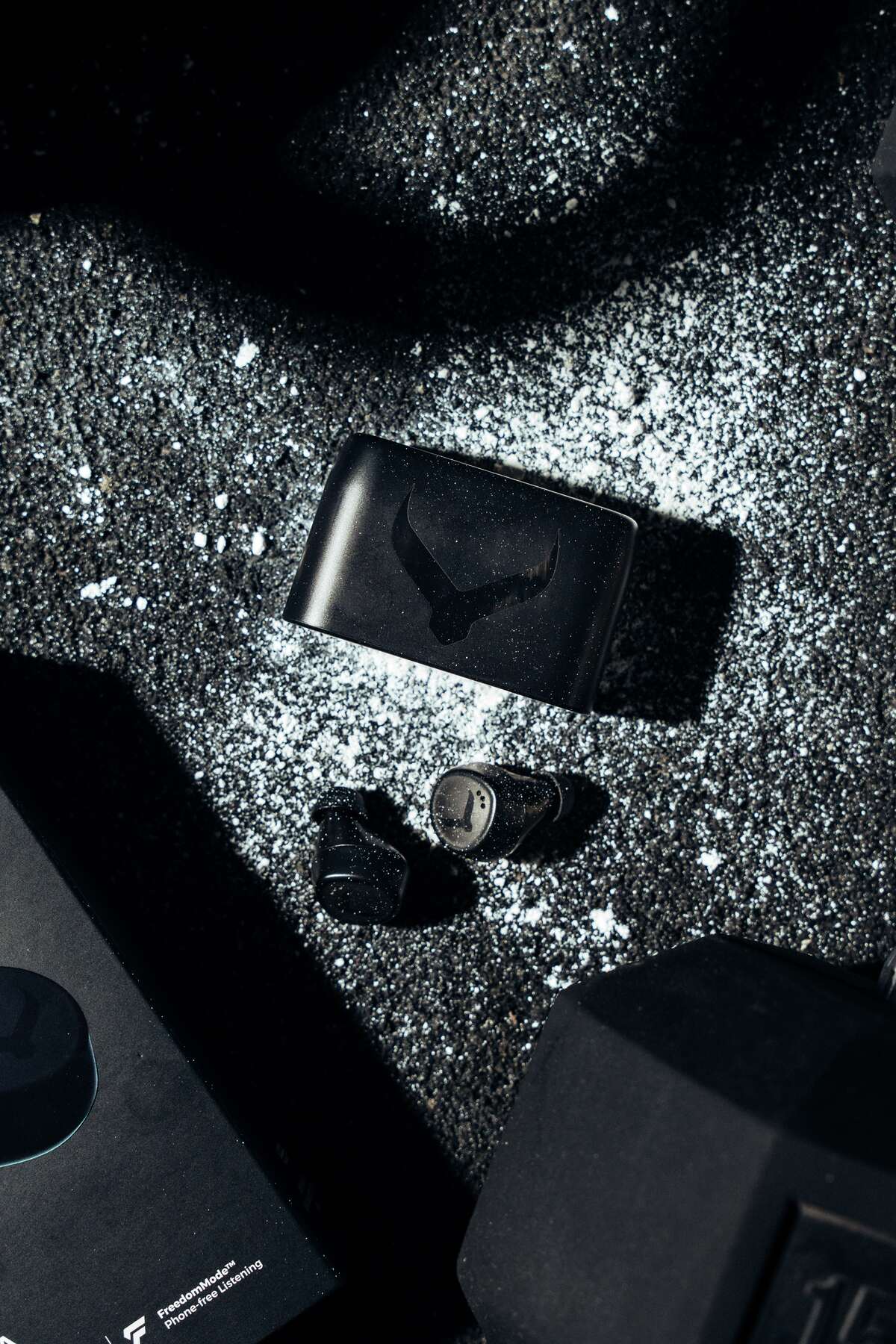
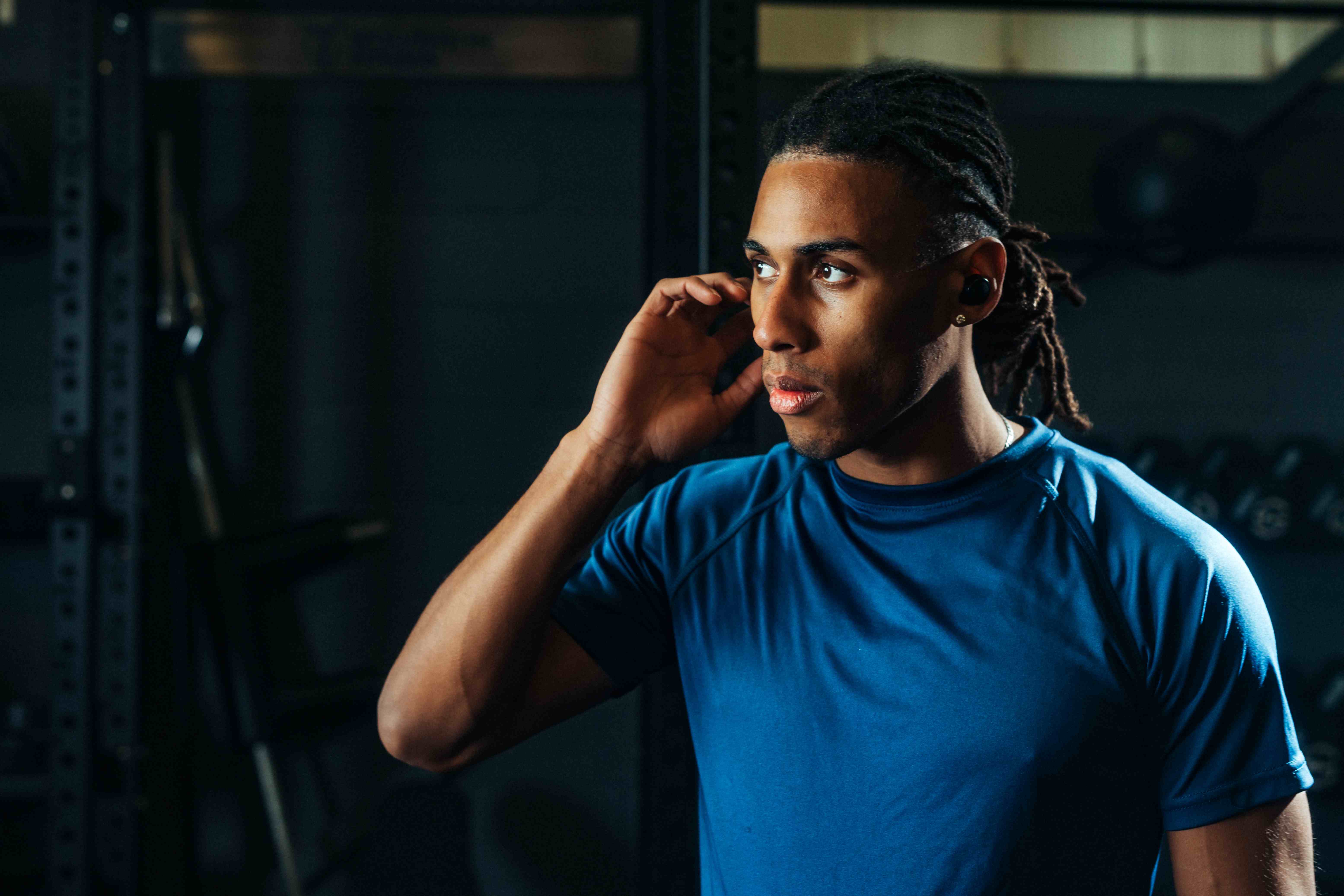
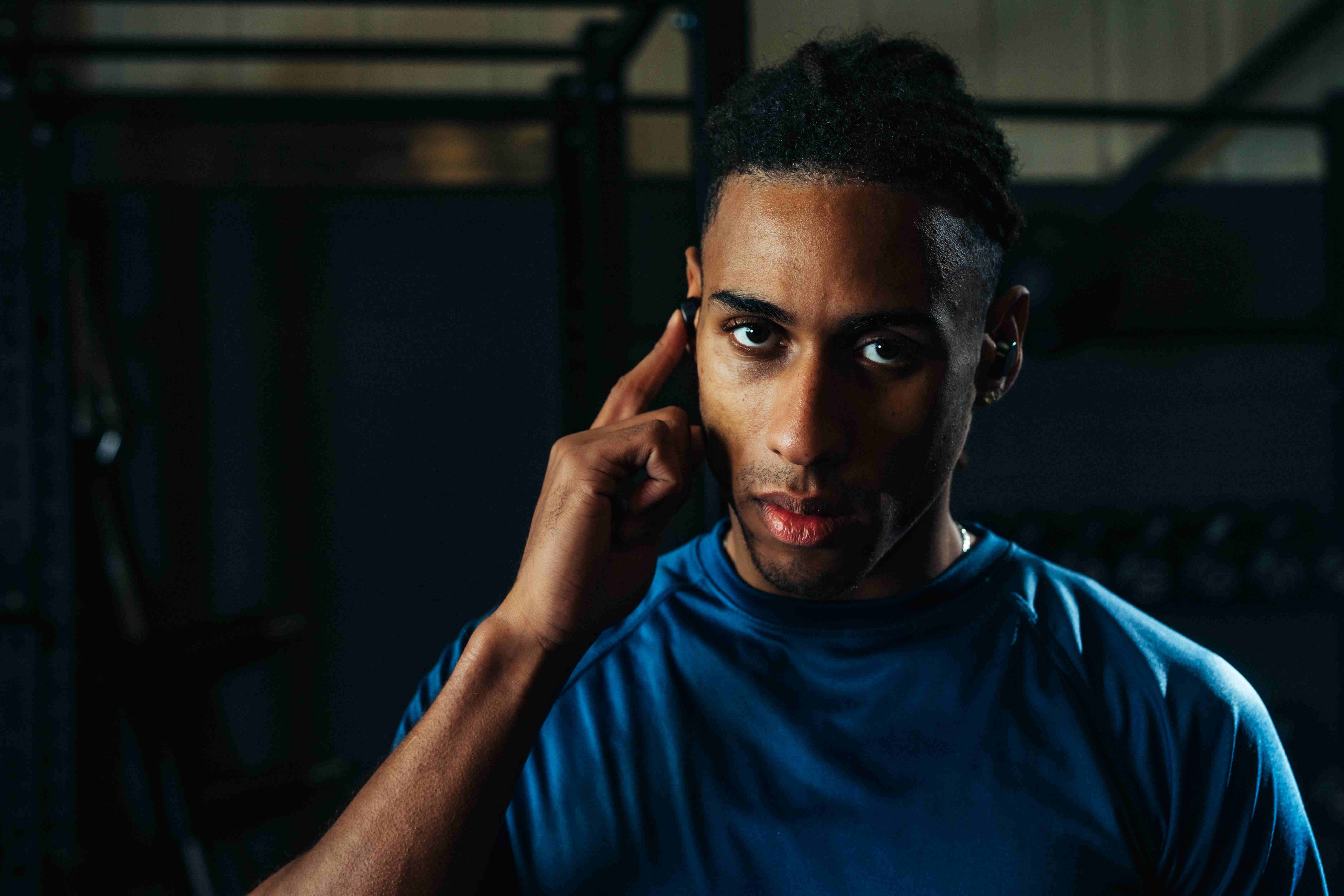
The TZ7 Ultra holds around 1,000 songs on 4GB of onboard storage. You load your tempo playlists once, leave the phone behind and train. Bluetooth is still there for the days you want it. That is what makes FreedomMode useful for this specifically: the tempo structure survives contact with a real training session.
FAQ
What BPM should I run to?
Match your cadence. Most runners sit between 160 and 175 steps per minute. Count your steps for thirty seconds, double it, and pick music at that tempo or at half of it.
Does higher BPM make you work harder?
Up to a point. Faster tempo raises arousal and cadence, but past roughly 145 BPM the additional motivational benefit flattens out. Beyond that you are choosing tempo for movement matching, not for extra drive.
What is the best way to play workout music offline?
Either a dedicated offline music player for gym sessions, a watch with storage, or earbuds that hold the music themselves. The last option is the only one that adds no extra device to carry, charge or drop.
Should I use the same playlist every session?
For key sessions, yes. Familiar music produces a stronger and more reliable response because the anticipation itself is part of the effect. Vary the easy sessions.
Does music help with heavy lifting?
The evidence is strongest for submaximal endurance work and weaker for maximal strength. Most lifters still report a clear subjective benefit, and there is no downside beyond needing earbuds that stay in.
Can I put Spotify playlists on earbuds with onboard storage?
Not directly, because streaming files are encrypted. You transfer your own audio files. In practice most people rebuild their top playlists once from their own library.
A tempo playlist only works if it is with you. The TZ7 Ultra holds 1,000 songs on board, so your phone stays in the locker. Reserve yours.
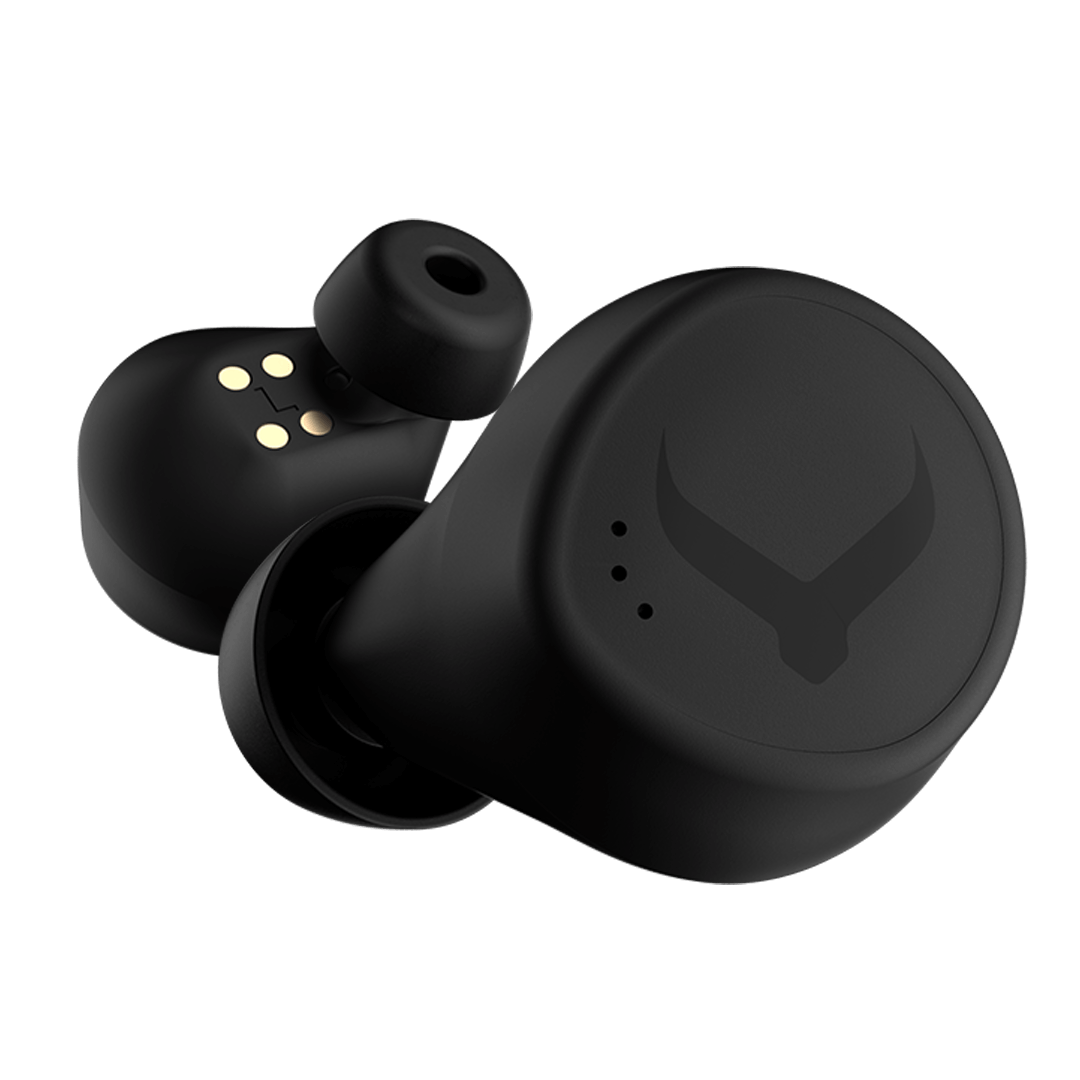
Introducing the ultimate workout earbuds.





.jpg)


.jpg)

.avif)
.avif)