Top 5 Earphones With Onboard Storage in 2026
Earphones with onboard storage are a small category with a strange shape: almost every product in it is a bone conduction band or a goggle clip built for swimmers, and the true wireless options that once existed have been discontinued. This comparison covers the five you can actually buy, ranked on storage capacity, waterproofing, battery in memory mode and whether they also do Bluetooth, with a plain explanation of why the category looks the way it does.
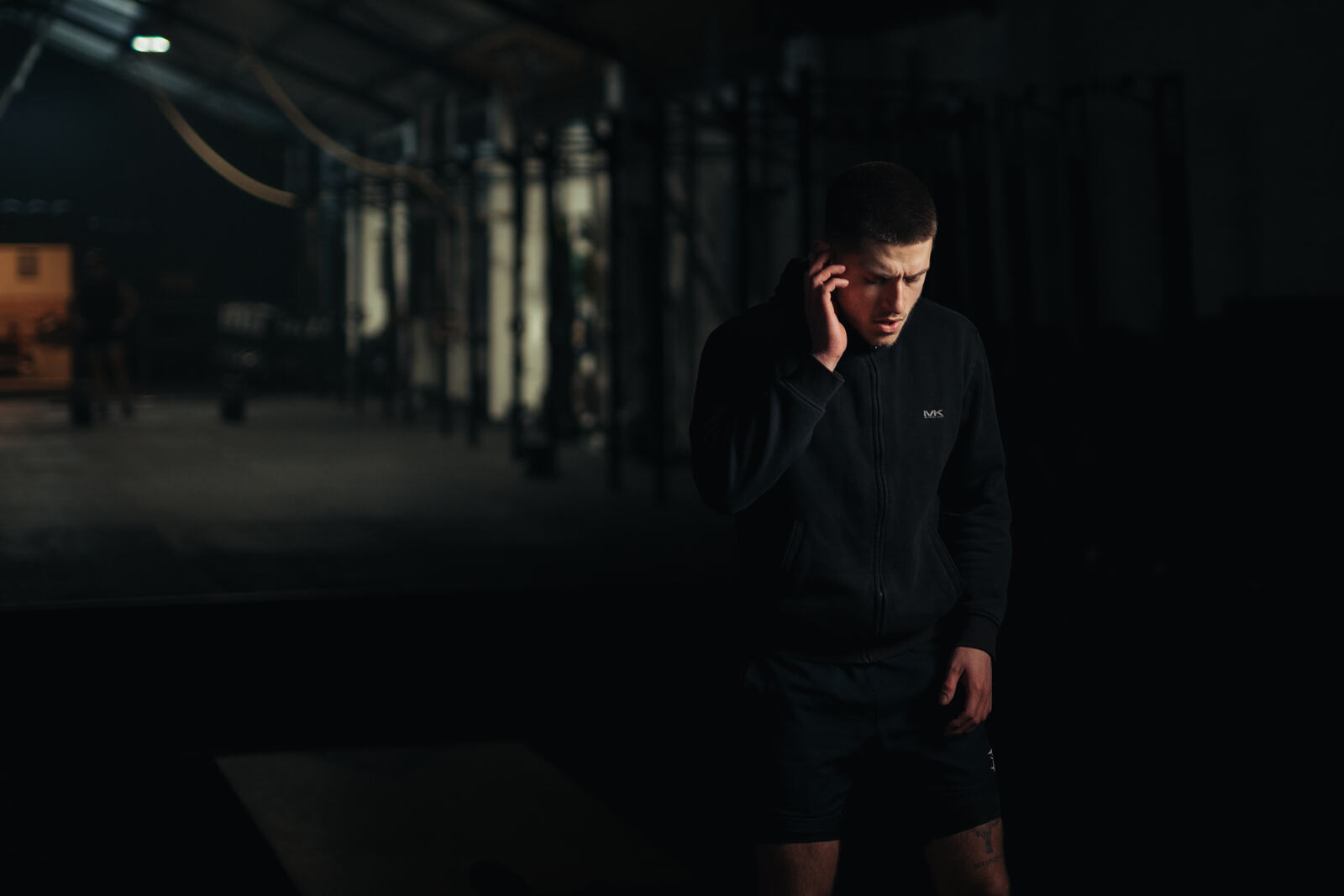

Earbuds that store their own music are a small category with a strange shape. Search for earbuds with local music storage and you will find plenty of guides, but look closely at what they actually list and a pattern appears: almost everything in the category is a bone conduction band or a clip designed for swimmers, and the true wireless options that once existed, such as the Sony WF-SP900 and the Samsung Gear IconX, have been discontinued.
That matters, because the athlete who wants to leave a phone in a locker is usually not a swimmer. This is the honest state of the category in 2026, covering only products you can currently buy.
Why this category looks the way it does
A standard true wireless earbud is a receiver. It has a Bluetooth radio, an amplifier, a driver and a battery, and it does nothing without a phone. Adding storage means adding flash memory, a file system, playback controls and enough processing to decode audio, all inside a shell small enough to sit in an ear and sealed well enough to survive sweat.
That is genuinely hard, so most manufacturers who wanted onboard storage solved it by making the product bigger: a band around the back of the head, or a clip on a pair of swimming goggles. The result is a category dominated by swim products, where the reason for storage is that Bluetooth does not travel through water.
1. Tzuka TZ7 Ultra
4GB, around 1,000 songs · true wireless · onboard storage and Bluetooth · IP68 · 7 hours per earbud
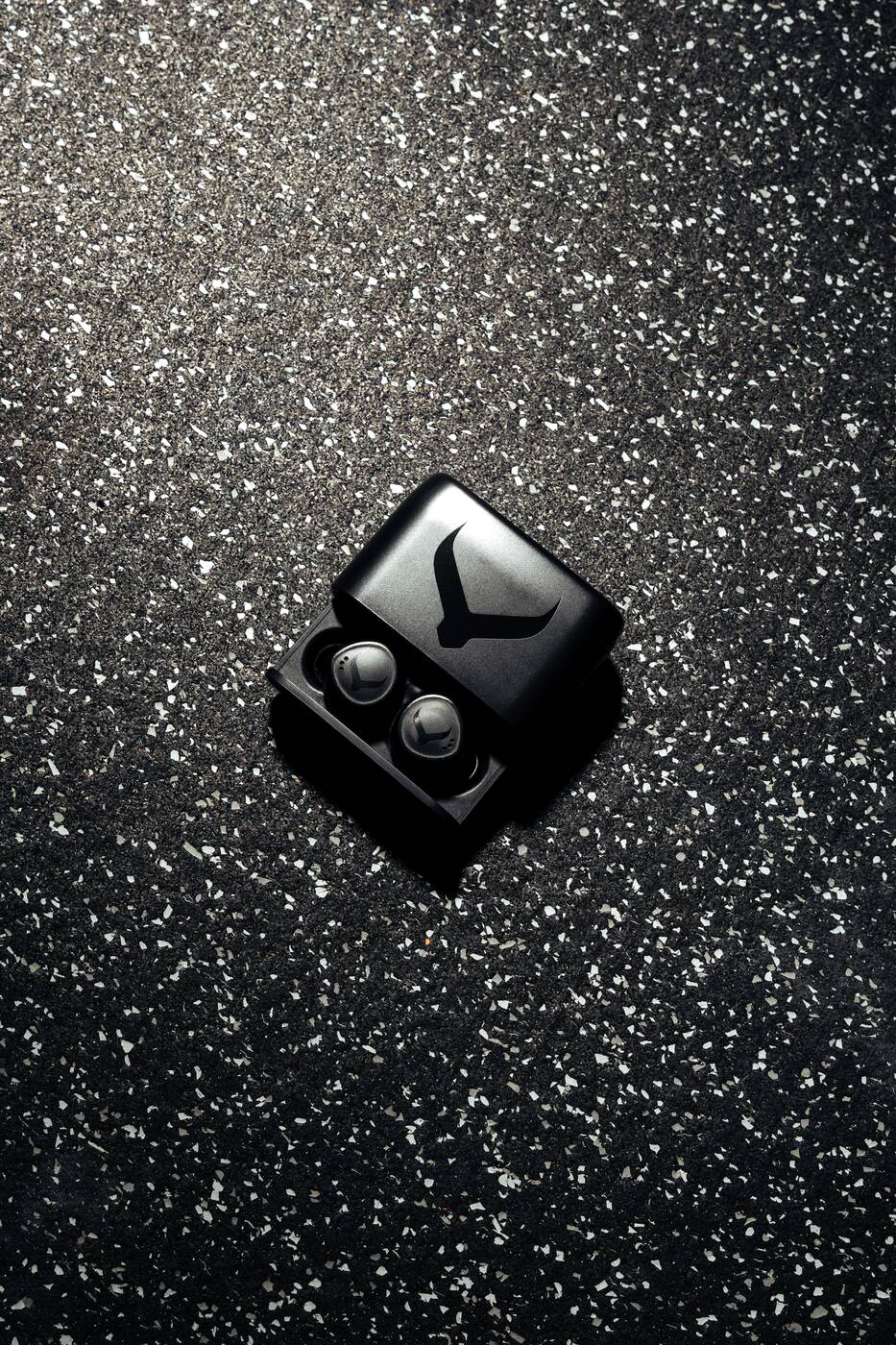
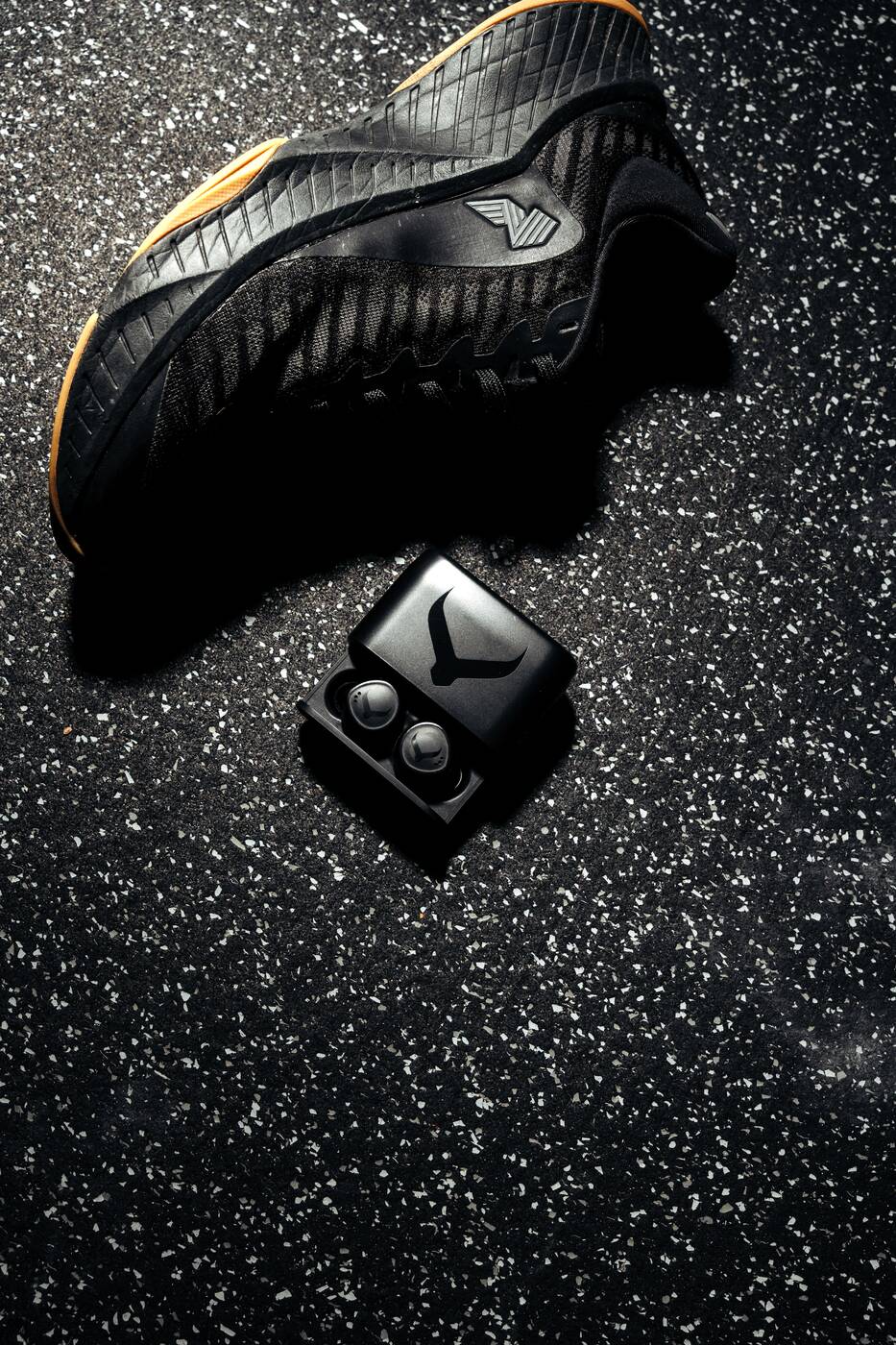
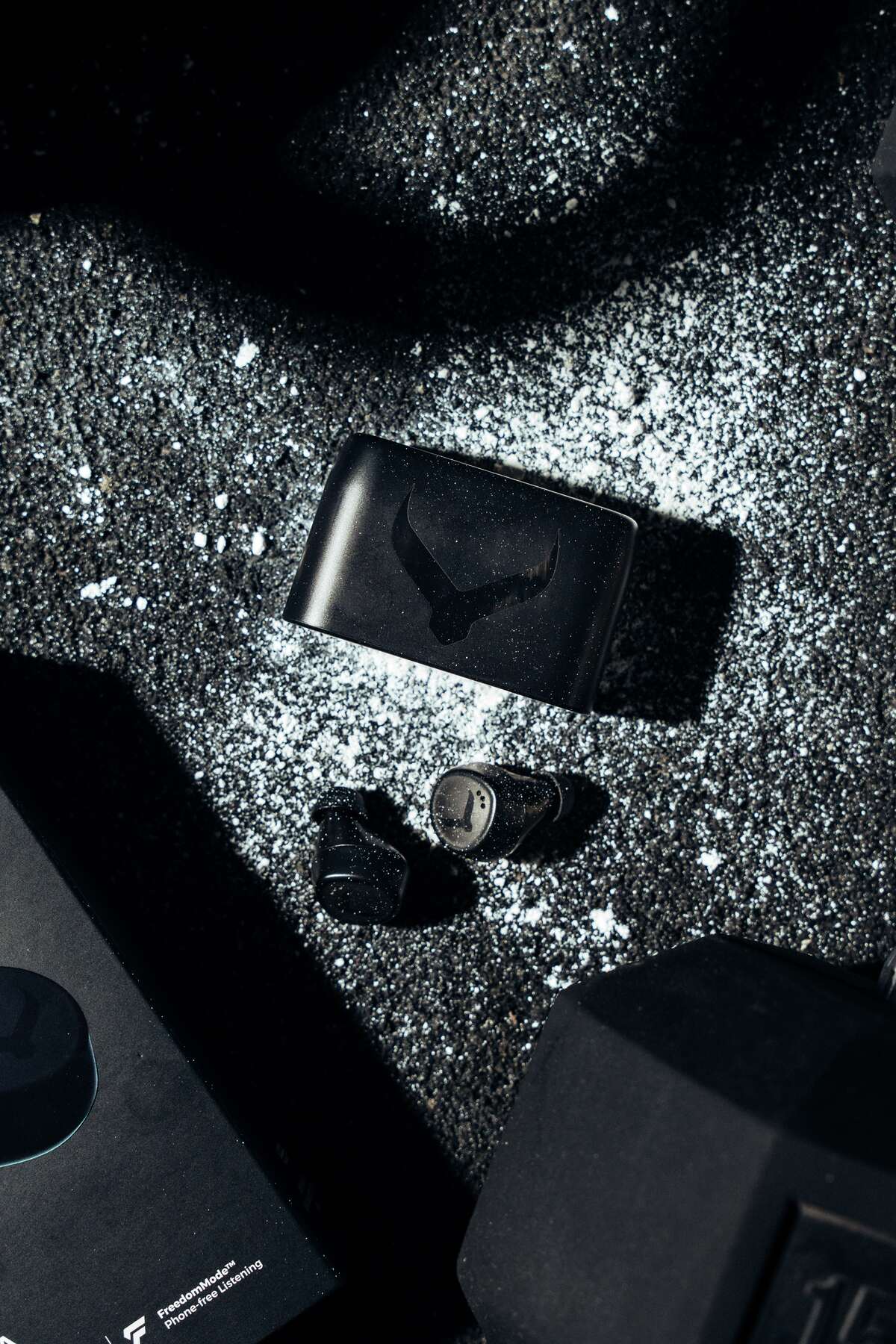
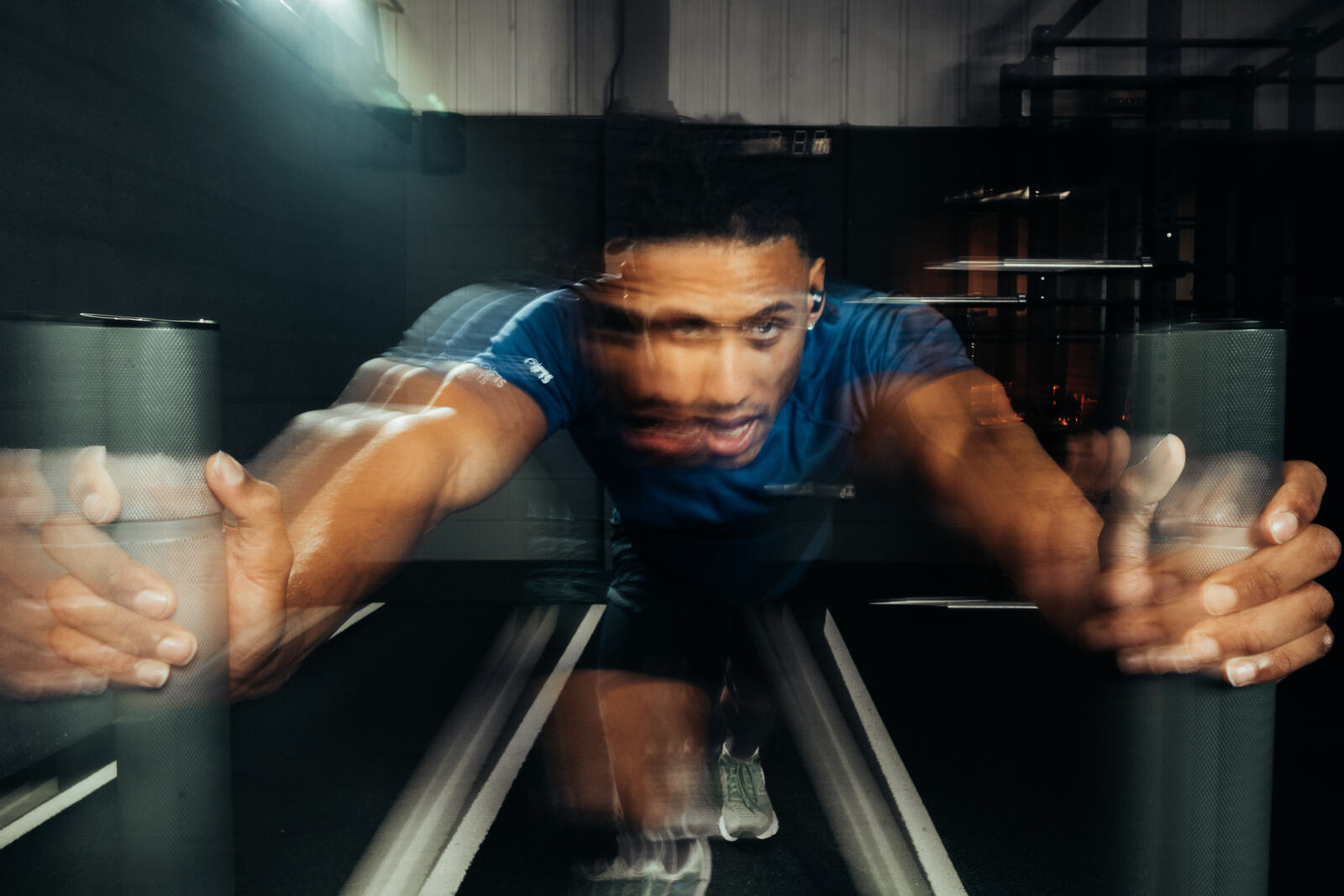
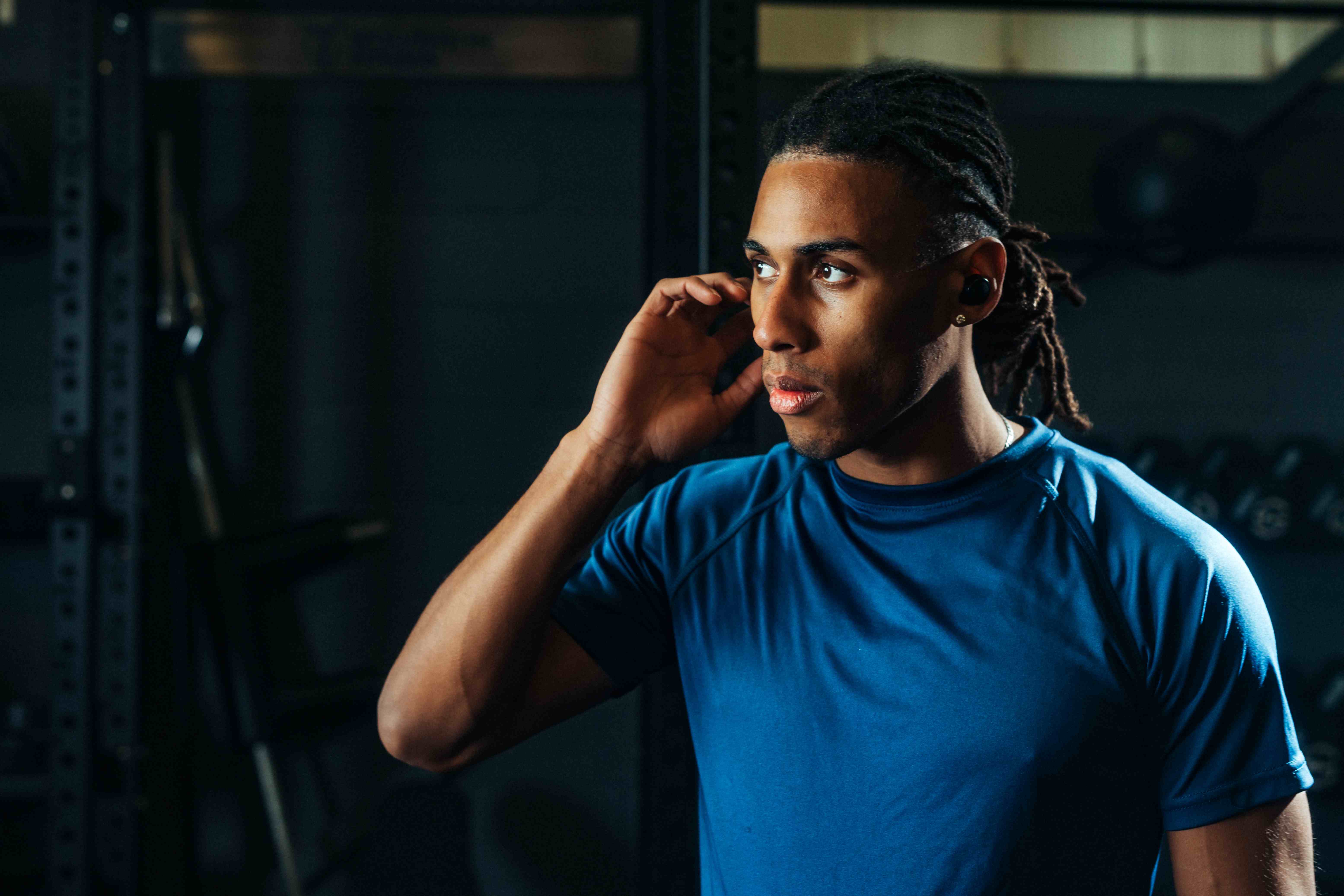
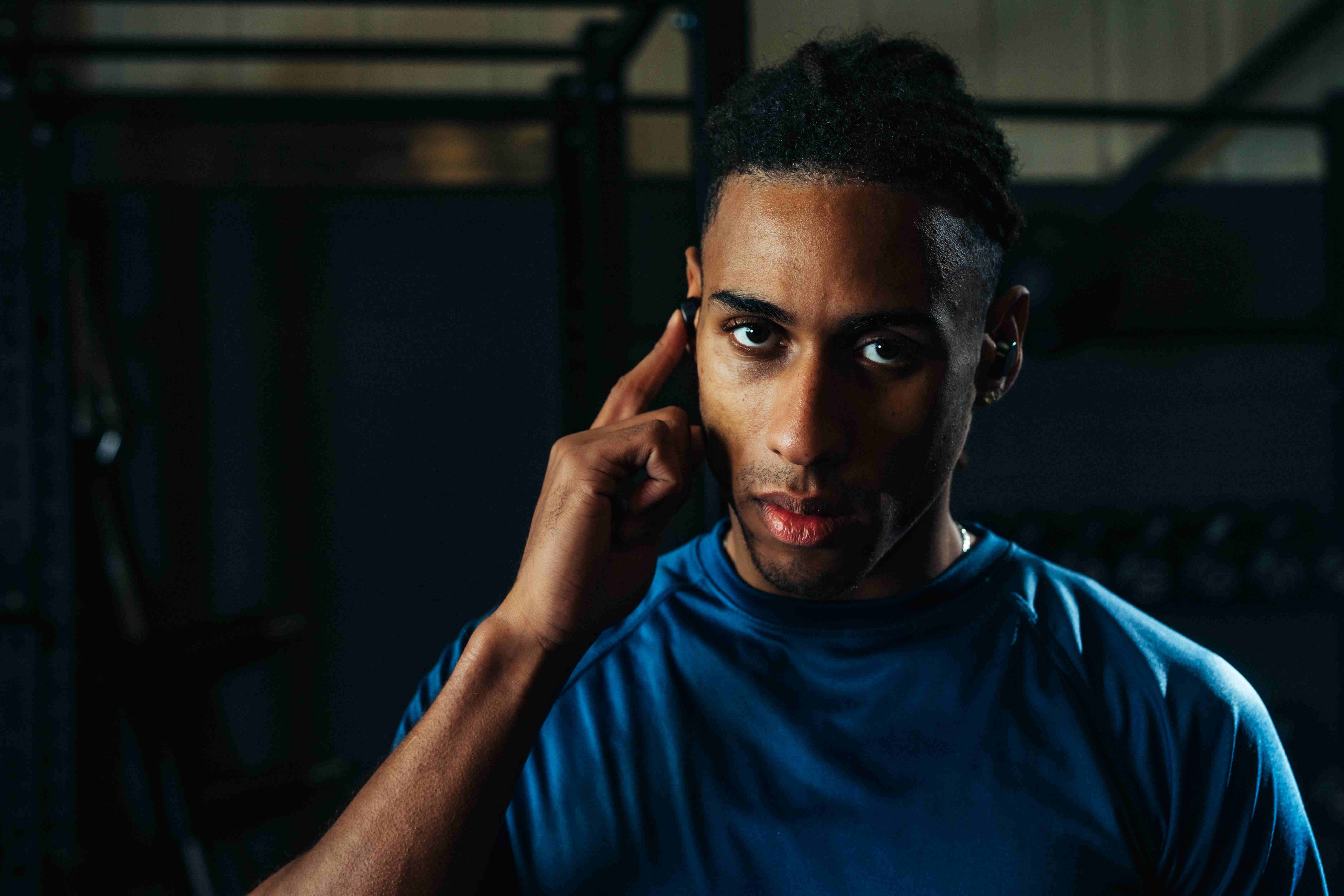
The only true wireless earbud in this comparison, meaning two separate buds with no band, no neckband and no goggle clip, that carries both onboard music storage and Bluetooth.
4GB holds roughly 1,000 songs. You load your library once, leave the phone in the locker and train, with skip, volume and play controls on the bud itself. We call that FreedomMode. Bluetooth is still there on the days you want your phone, which means it is not a compromise product you buy alongside a normal pair.
The durability specification is built for training rather than swimming: IP68, seven days survived fully submerged in fresh, salt and chlorinated water, and impact resistance protected by three patents. Seven hours per earbud covers a long session plus a class.
What it costs you: 4GB is the smallest capacity here. If you want your entire library rather than your training rotation, the Shokz below holds eight times as much. It is also on its first production run and available to reserve rather than in stock.
2. Shokz OpenSwim Pro
32GB, around 8,000 songs · bone conduction band · MP3 mode and Bluetooth 5.4 · IP68 to 2 metres · 9 hours Bluetooth, 6 hours MP3 · 27.3g · US list price $229.95
The most capable storage product on the market and the benchmark the category is measured against. 32GB is an enormous amount of music, the IP68 rating is genuinely designed for swimming, and it supports MP3, FLAC, WAV, AAC, M4A, APE and WMA. Dual mode means Bluetooth on land and stored playback in the water.
What it costs you: it is a bone conduction band, so you lose bass. Low frequencies transmit poorly through skull tissue and output falls away sharply below roughly 100Hz, which is exactly the content that carries tempo in training music. In a loud gym, open ears also mean you hear the room. Battery drops to 6 hours in memory mode, the mode you would actually use for phone-free training.
3. Naenka Runner Diver
16GB, MP3 and FLAC · bone conduction with ear hooks · MP3 mode and Bluetooth 5.2 · IPX8 to 5 metres · 10 hours · 33g
The value pick, and a serious one. 16GB is four times the Tzuka's capacity, the IPX8 rating to five metres is the deepest here, and 10 hours of battery is the longest. It supports FLAC as well as MP3, which matters if you care about file quality, and it does both Bluetooth and standalone playback.
It has also fallen a long way in price since launch, which makes it the cheapest route into the category by some margin.
What it costs you: bone conduction again, with the same bass limitation. At 33g it is the heaviest product here, and the ear-hook band is a bulkier thing to wear than an in-ear bud. Check current pricing and stock, because it moves.
4. H2O Audio Sonar 2 Pro
8GB, around 2,000 songs · bone conduction on a goggle clip · MP3 mode and Bluetooth 5.3 · IPX8 to 3.6 metres · 9 hours Bluetooth, 6 hours memory mode · US list price $149.99
The specialist. It clips to a pair of swimming goggles rather than wrapping the head, which makes it the most comfortable option in this list for pool work and the least relevant outside it. A companion app handles playlist management, and it is roughly 40 percent smaller than the previous generation.
What it costs you: it needs goggles. As a gym or running product it makes very little sense, and it shares bone conduction's bass limitation.
5. Shokz OpenSwim
4GB · bone conduction band · MP3 only, no Bluetooth · IP68 to 2 metres for 30 minutes · 8 hours · 30g · US list price $149.95
The original, still sold and still the simplest product in the category. No pairing, no app, no modes: load files over USB and press play. For swimmers who want one job done reliably, that simplicity is the feature.
What it costs you: there is no Bluetooth at all, so it is a second device you own alongside a normal pair rather than a replacement for one. 4GB is the joint-smallest capacity here. Stock has been intermittent, so check availability before setting your heart on it.
What to check before you buy
- Capacity in songs, not gigabytes. 4GB is roughly 1,000 tracks at normal compression, which is more than most people's active training rotation. Bigger is only better if you genuinely want your whole library on your head.
- Battery in memory mode specifically. Several products quote a Bluetooth figure and a lower one for stored playback. The stored figure is the one that matters for phone-free training.
- Whether it also does Bluetooth. A product that only plays stored files is a second device you have to own alongside a normal pair.
- Form factor against your actual sport. Bands and goggle clips are excellent in water and compromised in a gym. In-ear is the reverse.
- How music gets on. USB transfer, or a companion app. Streaming files from Spotify or Apple Music are encrypted and cannot be transferred, so in practice you rebuild your key playlists once from files you own.
If you want the underlying explanation rather than a shortlist, our guides to earbuds with an MP3 player built in and offline music earbuds cover how the technology works and who benefits most.
Which one, by use case
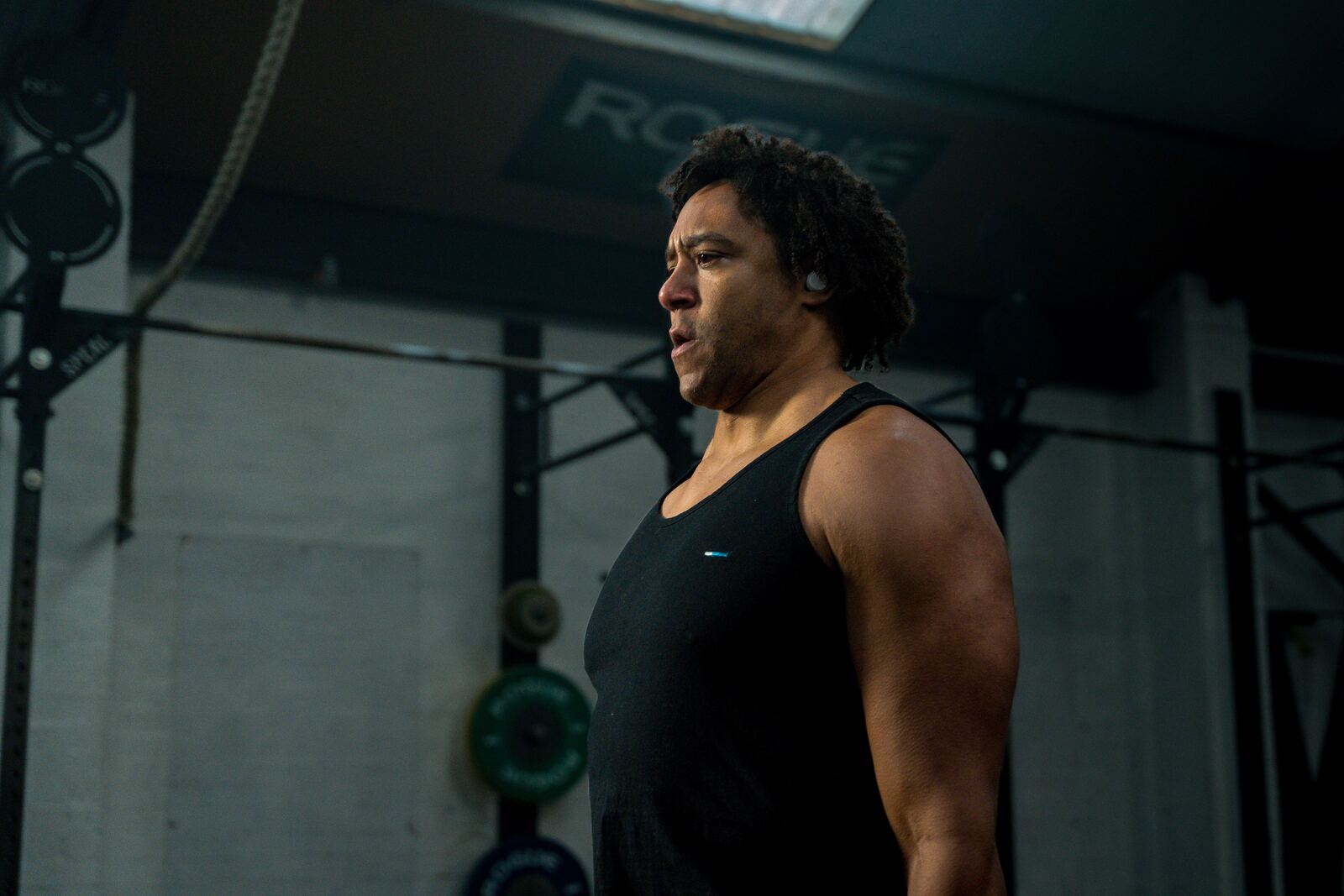
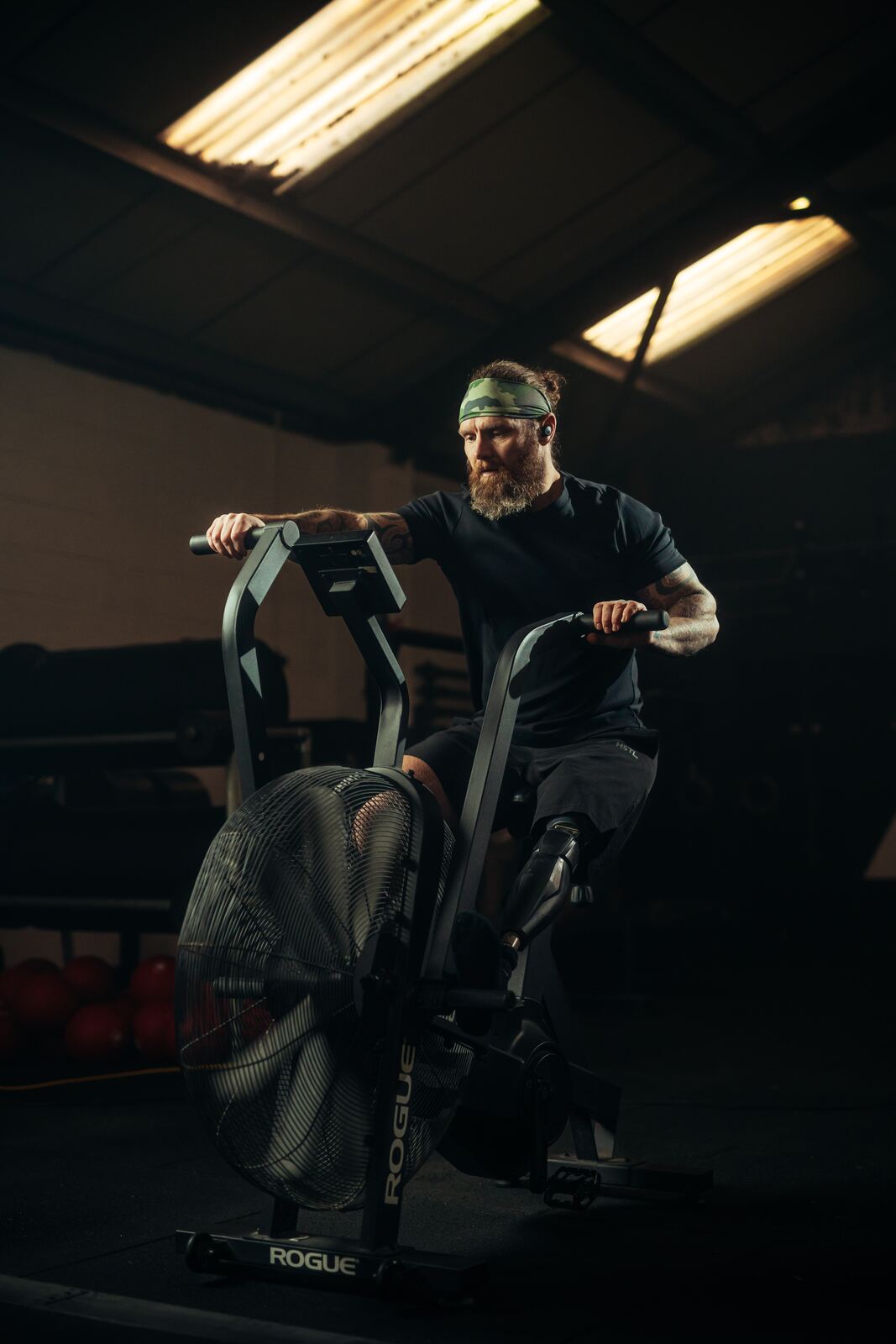
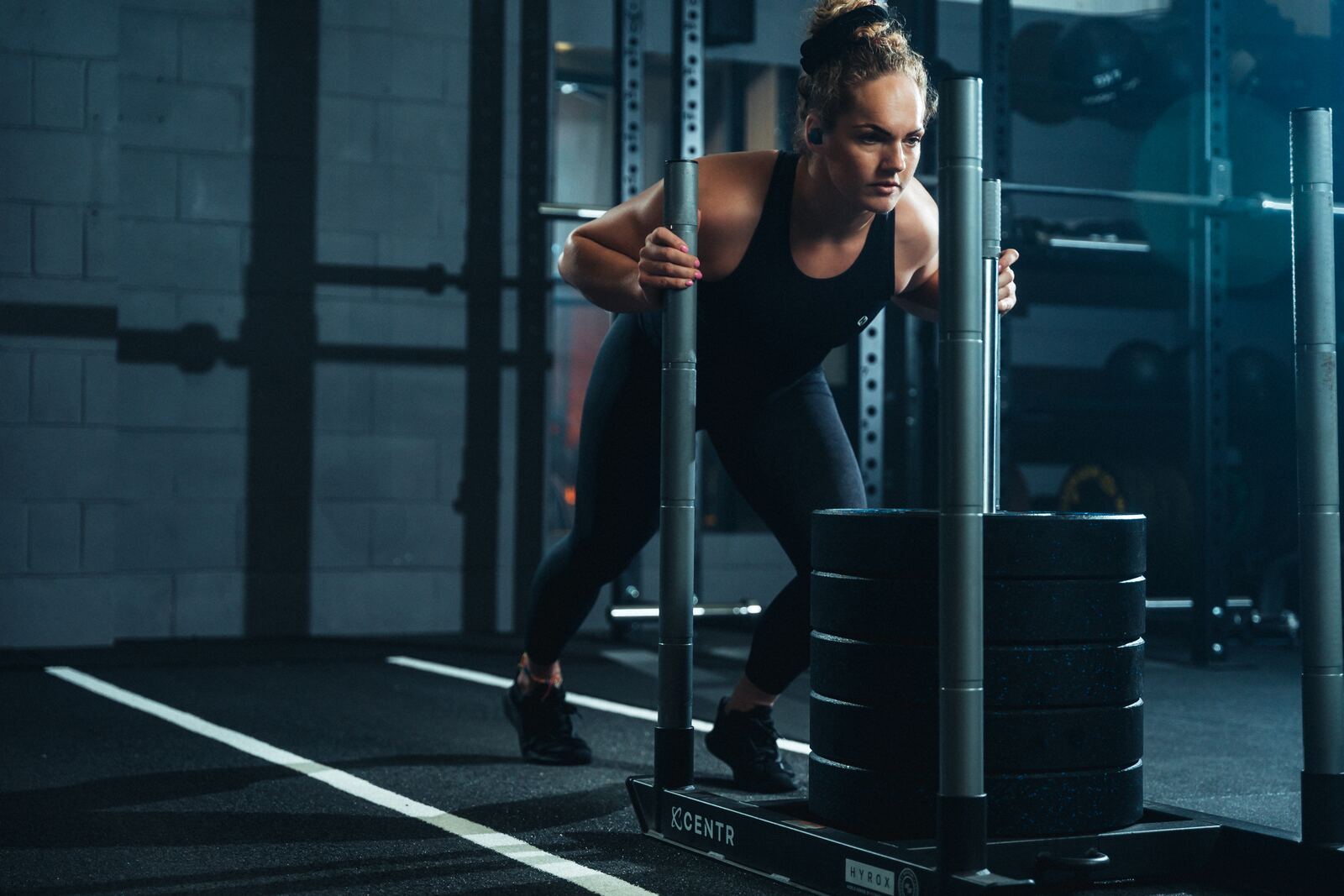
- Gym, CrossFit, HYROX, running: Tzuka TZ7 Ultra. The only true wireless option, and the only one with impact engineering.
- Swimming, and you want your whole library: Shokz OpenSwim Pro
- Best capacity and battery for the money: Naenka Runner Diver
- Swimming, and you wear goggles anyway: H2O Audio Sonar 2 Pro
- You want the simplest possible swim player: Shokz OpenSwim
FAQ
Are there earbuds that store music without a phone?
Yes, but fewer than the search results suggest. Most products described as earbuds with built-in storage in 2026 are bone conduction bands or goggle clips. True wireless earbuds that store their own music and also support Bluetooth are rare, which is the gap the TZ7 Ultra was designed to fill.
How many songs fit on 4GB?
Around 1,000 tracks at normal compression, or fewer in a lossless format. For context, that is more than most athletes' entire training rotation across several months of sessions.
Can I put Spotify or Apple Music on earbuds with local storage?
Not directly. Streaming files are encrypted and licensed to the app, so they cannot be transferred to a device. You load audio files you own. In practice most people rebuild two or three key playlists once and leave them alone.
Do earbuds that work without phone connection still pair with one?
The good ones do. Dual-mode products play stored files with no source device and connect over Bluetooth when you want them to. A storage-only product means owning two pairs.
Whatever happened to true wireless earbuds with storage?
They existed and then largely disappeared. The Sony WF-SP900 and Samsung Gear IconX both put memory into a two-piece earbud and both were discontinued, which is why almost every current product in this category is a band or a clip instead.
Is onboard storage worth it if I train in a gym with good signal?
Signal is not the main benefit indoors. The benefits are that the phone can stay in a locker rather than being carried or crushed during floor work, and that there is no wireless link to drop when you walk away from your bag in a room full of competing devices.
The only true wireless earbuds with 1,000 songs on board and Bluetooth: IP68, impact resistance protected by three patents, seven hours per earbud. Reserve your TZ7 Ultra.
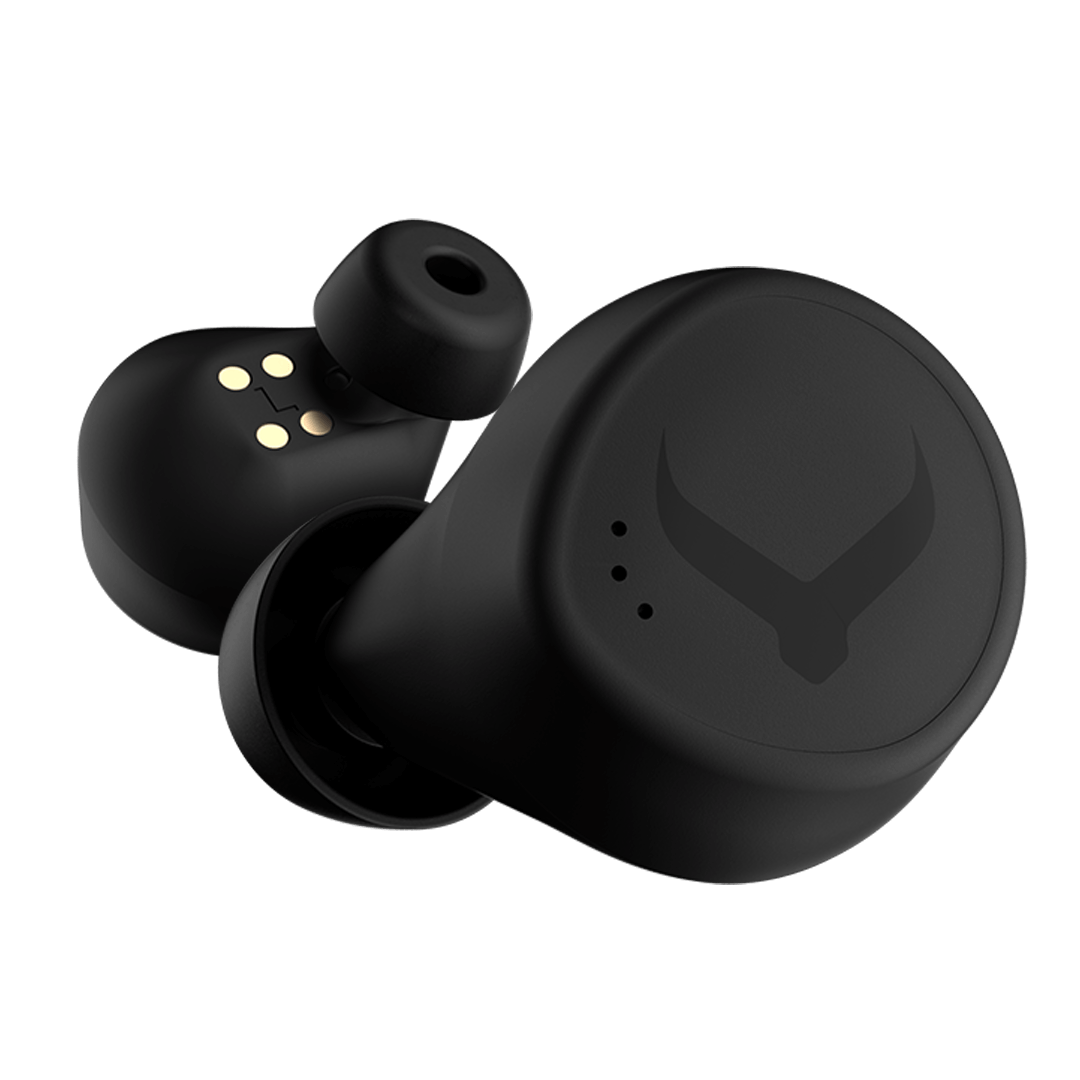
Introducing the ultimate workout earbuds.














.jpg)


.jpg)


.avif)
.avif)