Black Friday is a few weeks away, and the cheapest wireless earbuds will be cheaper than ever. For a lot of people that is the right buy. For people who train hard several times a week, it is worth stopping to do some simple maths first, because the price on the box is not the same thing as what a pair of earbuds costs you over a year of training.
This article works through that maths in general terms. It is not a case against cheap earbuds. It is a way of deciding whether cheap is actually cheap for the way you use them.
Price is not cost
The useful number is not the price. It is the cost per month of use, which is simply what you paid divided by how many months the pair actually lasts you.
A pair that costs very little but fails quickly can end up costing more per month than a pair that costs several times as much but lasts. The only way to know which side of that line you are on is to be honest about how long your earbuds usually survive.
Here is an illustrative example. The numbers are made up to show the method, not measurements of any product.
- Pair A: £30, lasts four months of regular gym use. Three pairs a year. Annual cost: £90.
- Pair B: £60, lasts eight months. One and a half pairs a year. Annual cost: £90.
- Pair C: £150, lasts two years. Half a pair a year. Annual cost: £75.
Change the lifespans and the answer changes. If Pair A lasts two years in your hands, it wins easily. If Pair C only lasts a year, it loses. The point is that lifespan matters at least as much as price, and for people who train hard, lifespan is the number that varies most.
What actually ends an earbud's life in the gym
Earbuds rarely wear out gently. In training, they tend to fail for a handful of specific reasons. Knowing which ones apply to you tells you what to look for.
- Sweat and moisture. Sweat is water with salt in it. Over time, moisture and salt residue can work into charging contacts, speaker mesh and seams. This is one of the most common reasons earbuds stop charging or one side goes quiet.
- Drops and knocks. Buds fall out during burpees and box jumps, get kicked across rubber flooring, or get stood on. Cases get dropped onto concrete.
- Loss. One bud goes missing under a rower or in a changing room. Replacing a single bud can cost a large share of the original price, if it is possible at all.
- Battery ageing. All rechargeable batteries lose capacity over time. A pair that lasted a full week of sessions when new may need charging every couple of days after a year or two.
- The gym bag. A damp towel, a leaking shaker and a case left in a hot car all take their toll.
We go into the first of these in more detail in why your earbuds keep breaking.
The costs that do not show up on the receipt
Replacement cost is the obvious one. There are others.
Your time. Every replacement means researching, ordering, pairing and getting used to a new fit. If that happens three times a year, it adds up.
Missed sessions. A pair that dies on the morning of a long session is a nuisance. Some people end up training with whatever spare pair is in the drawer, or using their phone speaker, or just not training with music at all that day.
Warranty gaps. Standard warranties generally cover manufacturing faults rather than accidental damage, and some exclude water damage depending on the product's rating. Read the terms before you buy, not after something breaks. Keep receipts.
Waste. Small electronics are difficult to recycle well. Buying fewer pairs that last longer is better for the bin as well as the bank balance.
When cheap earbuds are the right call
To be fair to budget earbuds, there are plenty of situations where they make complete sense:
- You train two or three times a week at a steady pace and rarely drop them.
- You mainly use them for walking, commuting or easy cardio.
- You lose things often and would rather not risk an expensive pair.
- You want a spare pair in the car or the gym bag.
If your current cheap pair has lasted you well, there is no reason to change. The maths only tips the other way when you are replacing pairs regularly.
When paying more makes sense
Spending more is easier to justify when the things that kill earbuds are part of your normal training week. That usually means some combination of:
- High-impact sessions with jumping, burpees, rope work or barbell cycling.
- Heavy sweat, long sessions or training outdoors in the rain.
- A history of replacing pairs more than once a year.
- Training five or more days a week, so every week of use counts.
In these cases, check the things that affect lifespan rather than the headline features. A clear water rating, such as IP68, tells you far more than "sweat resistant". A secure fit reduces drops. A case that closes firmly survives the bag better. Replaceable ear tips let you refresh the fit without replacing the buds.
How to work out your own number
Try this before you buy anything this month:
- Write down the last three pairs of earbuds you owned, roughly what you paid, and how long each lasted.
- Divide the price of each by the months it lasted. That is your cost per month.
- Write down how each one failed: water, a drop, loss, battery or something else.
- Look at the pair you are considering. Does its spec address the way your last pairs died?
- Estimate realistically how long it would need to last to beat your current cost per month.
If the honest answer is that cheap pairs last you a year or more, buy the deal and enjoy it. If they last a few months, the bargain is probably not a bargain.
Buying in the sales without regret
Discount season is a good time to buy kit, as long as the discount is not doing the deciding. A few checks help:
- Compare the sale price with the price over the previous few months, not just the crossed-out number.
- Check the water rating and the warranty terms on the manufacturer's own site.
- Read reviews from people who train the way you do, rather than general reviews.
- Check how the retailer handles returns and faults after the usual return window.
Our guide to the best durable earbuds for sport covers what to look for if durability is the main thing you are paying for.
The short version
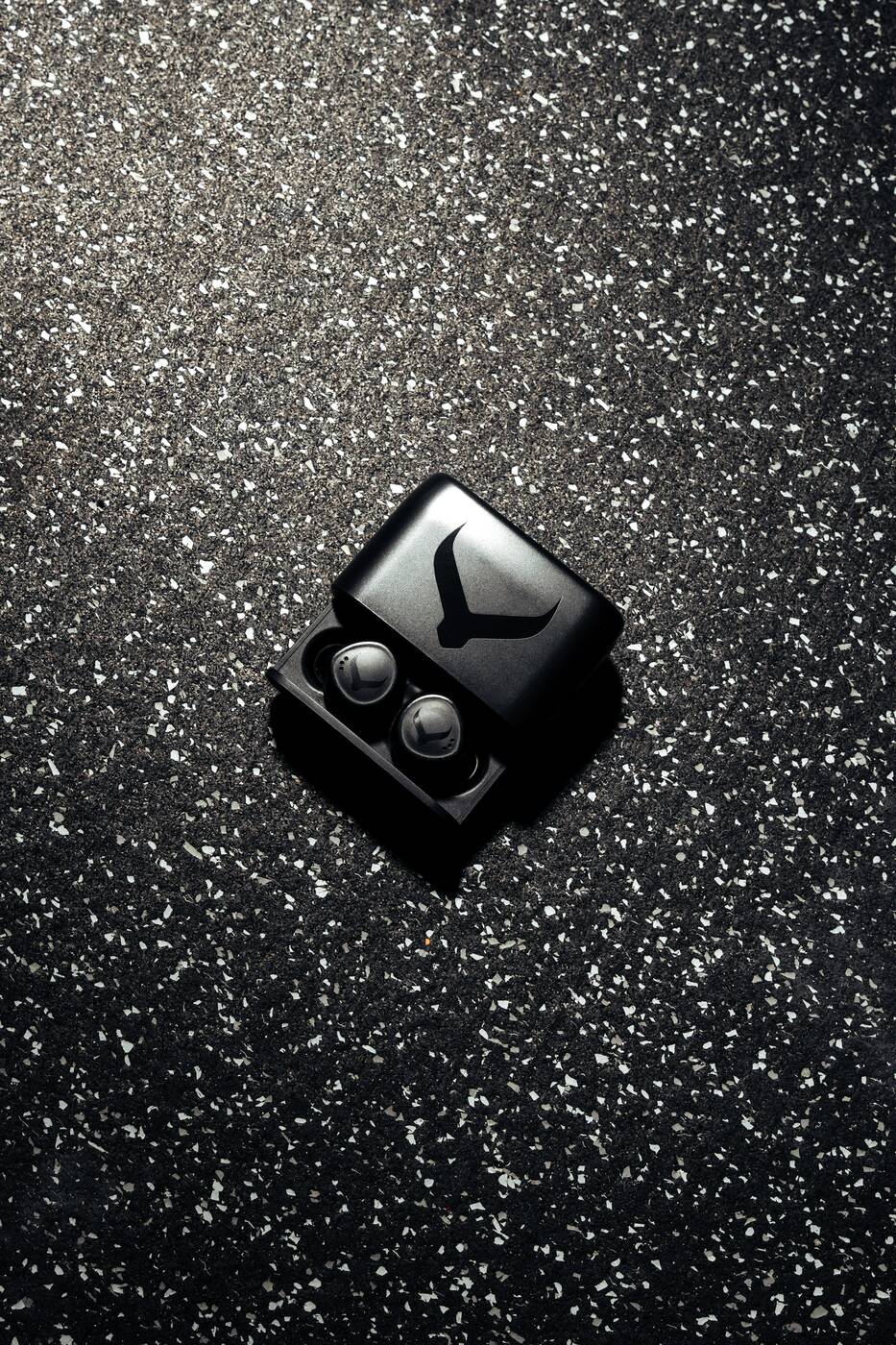
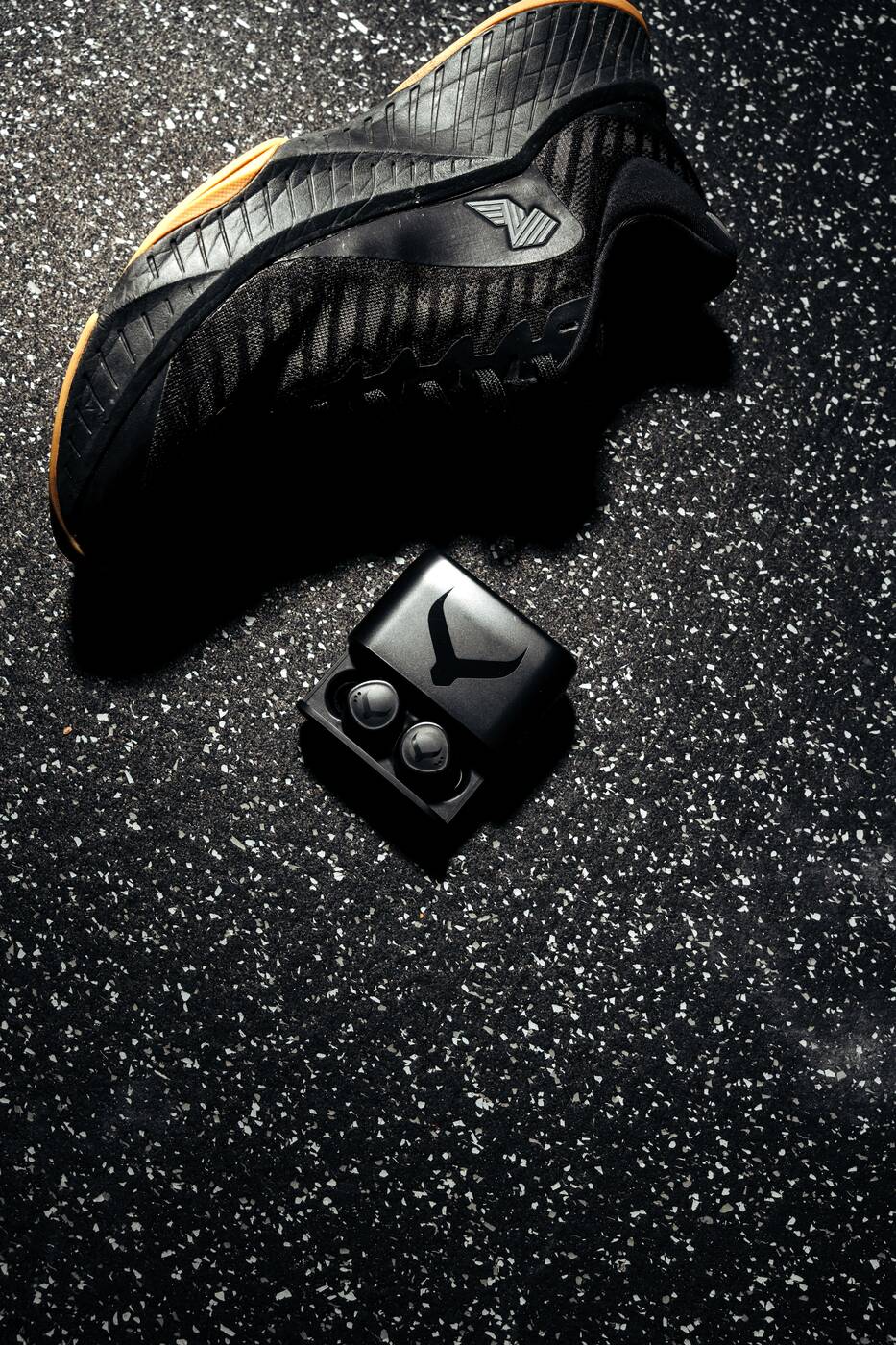
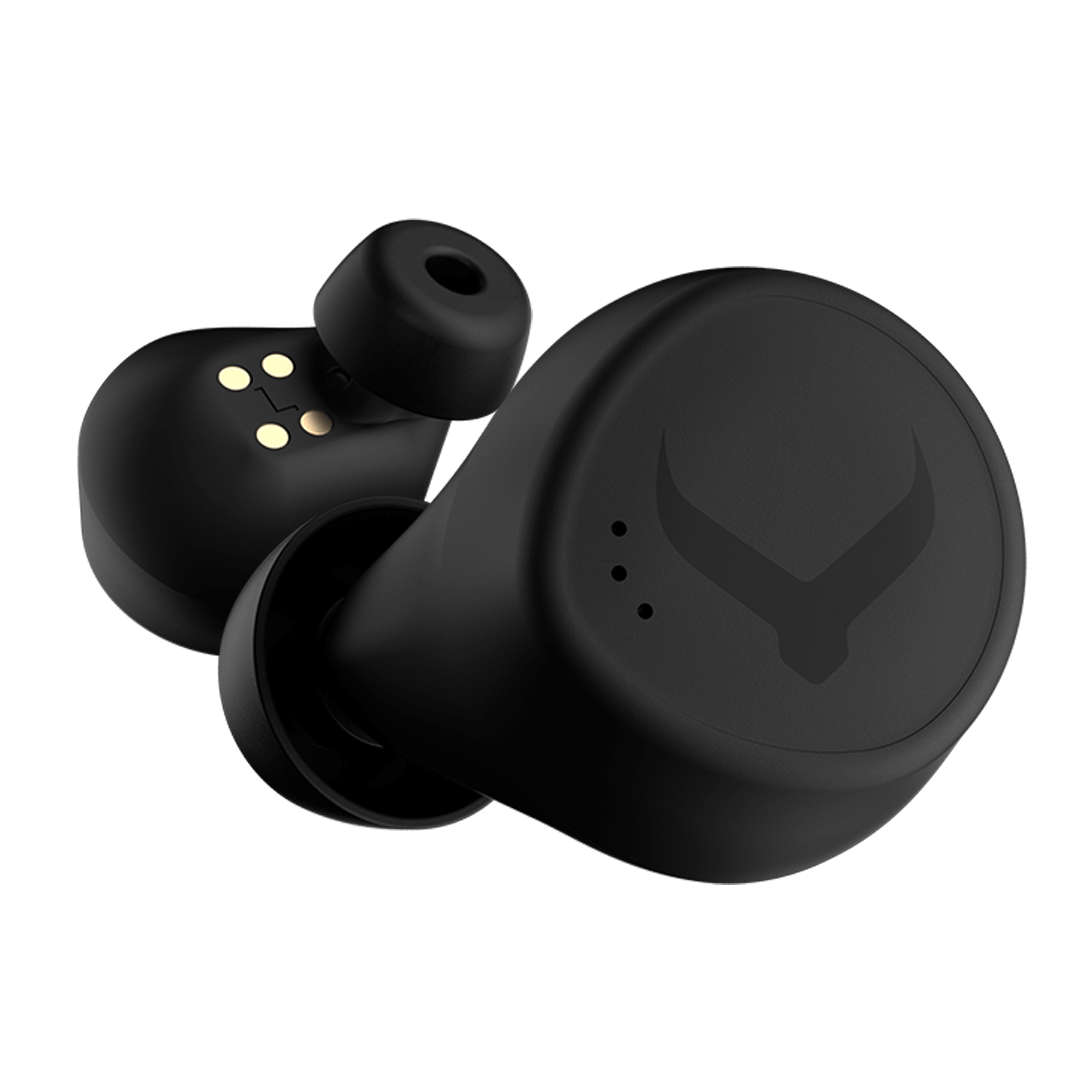
Cheap earbuds are not a false economy for everyone. They become one when you are replacing them every few months because of the way you train. Work out your own cost per month, look at how your last pairs failed, and buy for the training you actually do. If you want earbuds designed for sweat, rain and hard sessions, rated IP68 and waterproof to 2m, take a look at the Tzuka TZ7 Ultra.
Introducing the ultimate workout earbuds.