HYROX Pacing Without a Soundtrack: Training With Breath and Cadence
Headphones are banned in HYROX races, so pacing that depends on a beat breaks down when it matters. This guide shows how to build internal pacing cues from breathing rhythm, cadence and perceived effort, with four sessions and a plan for phasing music out across a training block.


If you train for HYROX with music, there is one fact to plan around early: you will not have it in the race. The HYROX 2026/27 Singles rulebook lists headphones among the items that are "strictly forbidden at all times" (section 10.2, HYROX rulebook). Always check the current rulebook for your season and event, but expect to race without earbuds.
That matters more than it sounds. Plenty of athletes use music to set their running rhythm. Take that away and pacing goes with it. This guide covers how to build pacing cues that come from inside you, using breath and cadence, so they still work when the music stops. Music stays a training tool. In the race itself you rely on what you have practised.
Why music-led pacing breaks down in a race
Music works in training partly because it gives you an external rhythm. Your stride falls into the beat, your effort matches the energy of the track, and you stop thinking about pace. Our guide to the best music for HYROX training covers how to use that well.
The problem is dependence. If the beat has been setting your pace for months, the first run of a race with no music feels oddly unanchored. Most people respond by running too fast: adrenaline, the crowd and fresh legs all push pace up, and there is no familiar rhythm to hold it back. That early overspend is a big part of why splits fall apart later, which we covered in running under fatigue.
The answer is not to stop training with music. It is to build a second, internal pacing system alongside it, and practise using it.
Cue one: breathing rhythm
Breathing is the pacing signal you always carry with you. Many runners use a rhythmic breathing pattern, counting footsteps per breath in and per breath out, to give themselves a steady, repeatable marker of effort.
A simple way to start:
- Easy effort: breathe in for three steps and out for three steps. If you can hold this comfortably and could still talk, you are running easy.
- Steady race effort: breathe in for two steps and out for two steps. Controlled, purposeful, sustainable for the run legs.
- Hard effort: anything faster than two and two. Useful for the final kilometre, but if you are there on run two you have gone out too fast.
The numbers matter less than the habit. The aim is to learn what your sustainable race rhythm feels like, so that in a race you can check in after the first 200 metres of each run and know whether you are on plan.
Cue two: cadence
Cadence is your step rate, usually measured in steps per minute. It is useful for HYROX for two reasons. It is easy to check without a device, and it tends to collapse under fatigue, so holding it is a practical way to protect your pace in the later runs.
To find your own number, run at your intended race effort on a fresh day, count your steps for 30 seconds and double it. Do the same at the end of a hard session. The gap between the two numbers tells you how much your stride falls apart when tired. The training goal is to make that gap smaller.
Do not chase a number you read online. A comfortable cadence varies with height, leg length and running style. What you want is your own race cadence, held from run one to run eight.
Cue three: perceived effort
The third cue is the simplest: how hard does this feel on a scale of one to ten? It is imprecise, but it is the only measure that automatically adjusts for fatigue, heat and nerves.
Pair it with the other two. Breathing tells you rhythm, cadence tells you mechanics, effort tells you cost. If all three agree, you are on pace. If your breathing has crept to two and two on an easy run, or your effort is at eight on run three, something needs to change.
Sessions to build internal pacing
These fit into most HYROX programmes without replacing the core work. If you are following a structured block, such as our 12-week HYROX training plan, swap them in for a similar session rather than adding them on top.
1. The silent run
Once a week, do one of your steady runs with no music. Run at race effort for 20 to 30 minutes, checking breathing and cadence every five minutes. It feels strange at first. That is the point.
2. Music on, music off intervals
Run 6 to 8 rounds of 1km at race effort with 90 seconds rest. Alternate: odd rounds with music, even rounds without. Compare your splits at the end. If the silent rounds are much slower or much faster, you have found your dependence, and that gap is what to close.
3. The cadence ladder
On a treadmill or track, run 4 rounds of 3 minutes at race effort with 1 minute easy between. In each round, count your cadence once at the start and once at the end. Focus on keeping the two numbers the same as fatigue builds.
4. Compromised running, no soundtrack
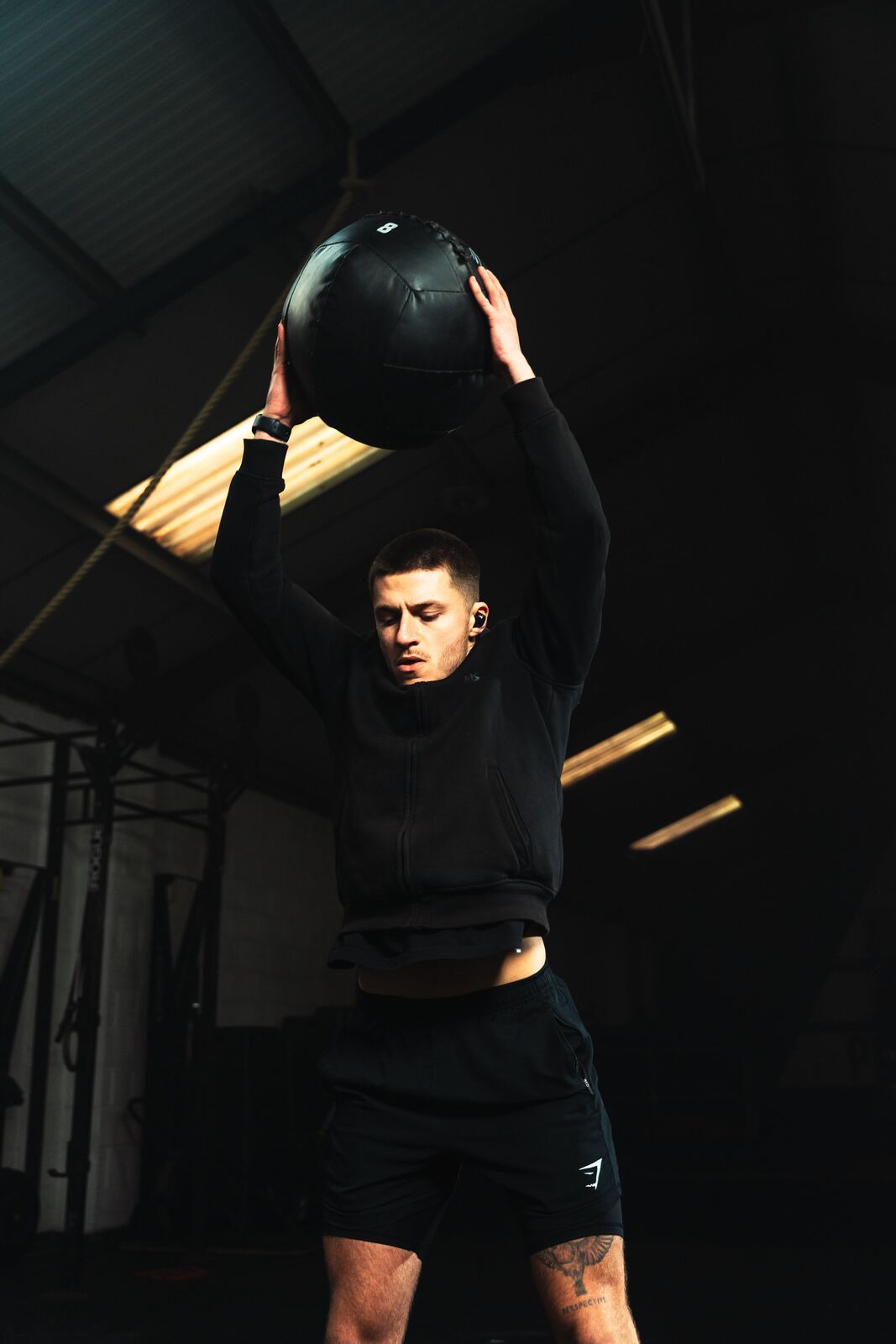
Once a week, run 1km at race effort, complete one station at race weight, and run 1km again. Repeat 3 to 4 times. Do this session without music. Practise finding your breathing rhythm within the first 100 metres after each station. This is the skill that matters most in the race.
How to phase music out across a training block
You do not need to abandon music. A gradual approach works well for most athletes.
- Early in the block: train with music as normal, and add one silent run a week.
- Middle of the block: keep music for strength and easy sessions. Make race-pace and compromised running sessions silent.
- Final two to three weeks: all race-specific sessions without music, including your simulation. Keep music for warm-ups, accessories and recovery work if you enjoy it.
By race week the absence of music should feel normal rather than a shock.
Using your cues in the race
Keep it simple when the pressure is on.
- First 200 metres of every run: settle your breathing into your race rhythm before you think about anything else.
- Halfway through each run: quick cadence check. If it has dropped, shorten your stride slightly and quicken your feet.
- Out of every station: expect your breathing to be ragged. Give yourself 100 metres to bring it back to rhythm rather than sprinting to make up time.
Venues are loud, with crowds, commentary and whatever is playing in the hall. Your internal cues mean you are not relying on any of it.
Music still has a place in training
None of this is an argument against training with music. It makes long sessions more enjoyable and can lift effort on hard days. The goal is choice: music when it helps, silence when you need to practise for race conditions.
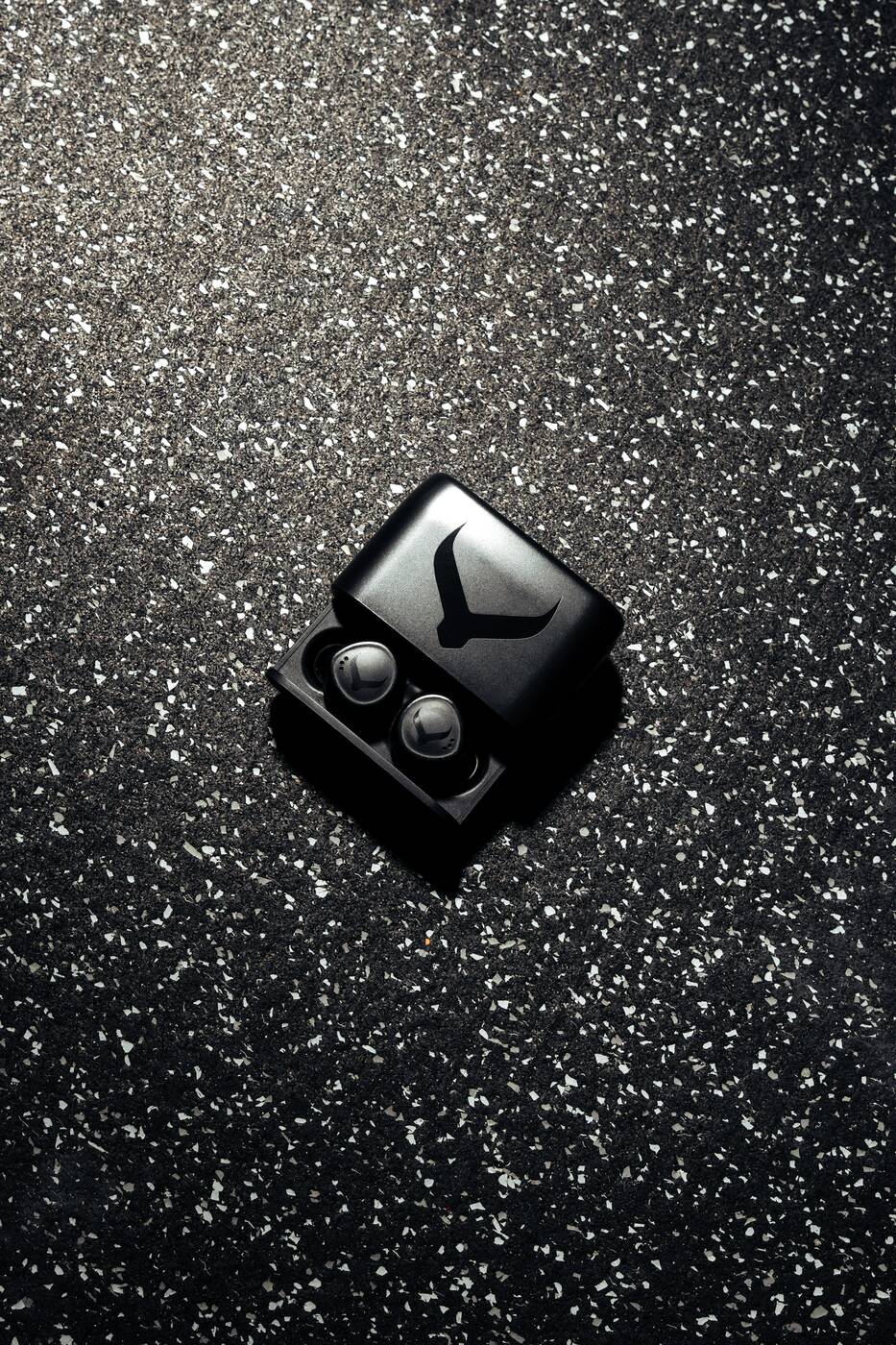
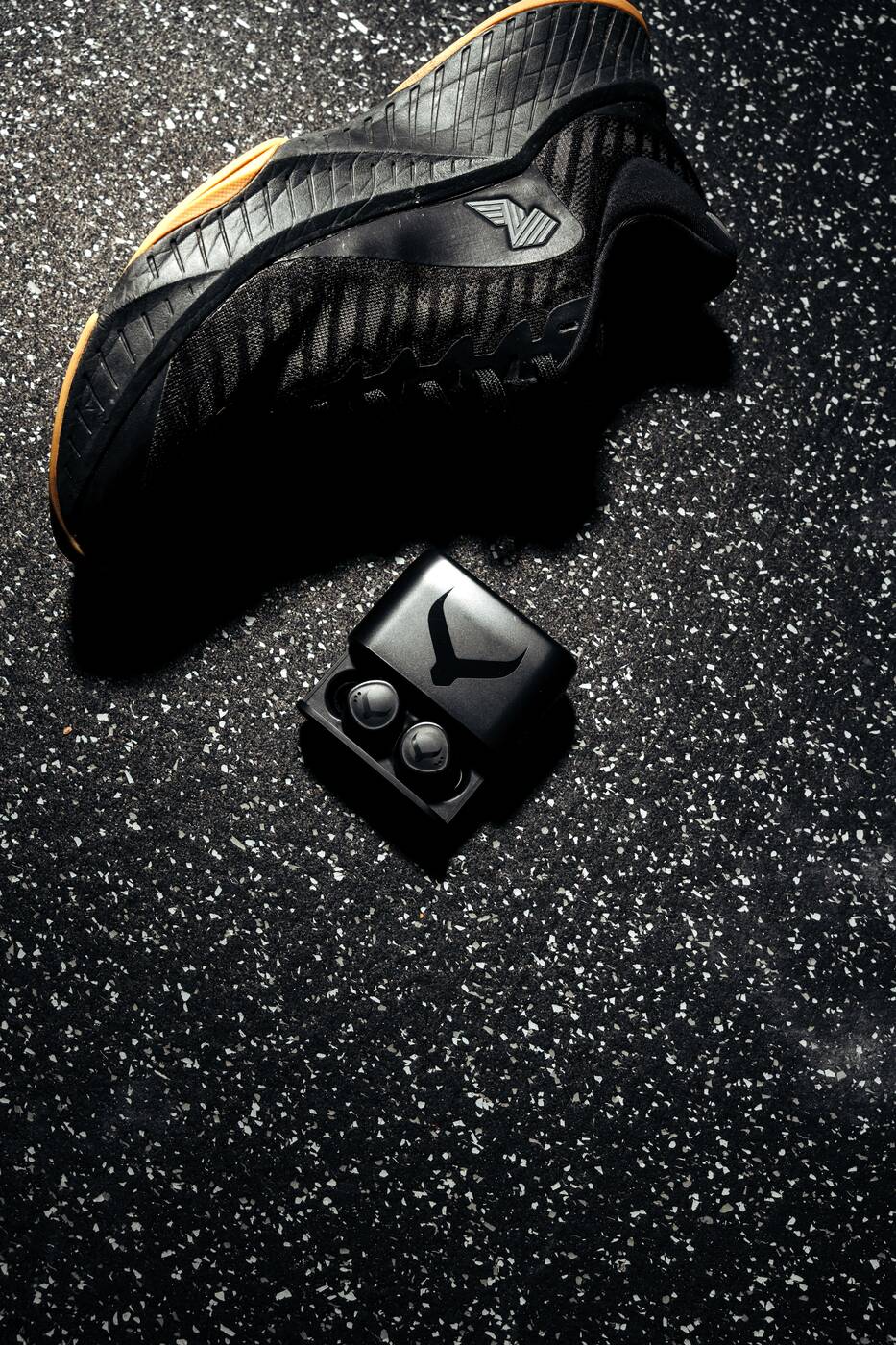
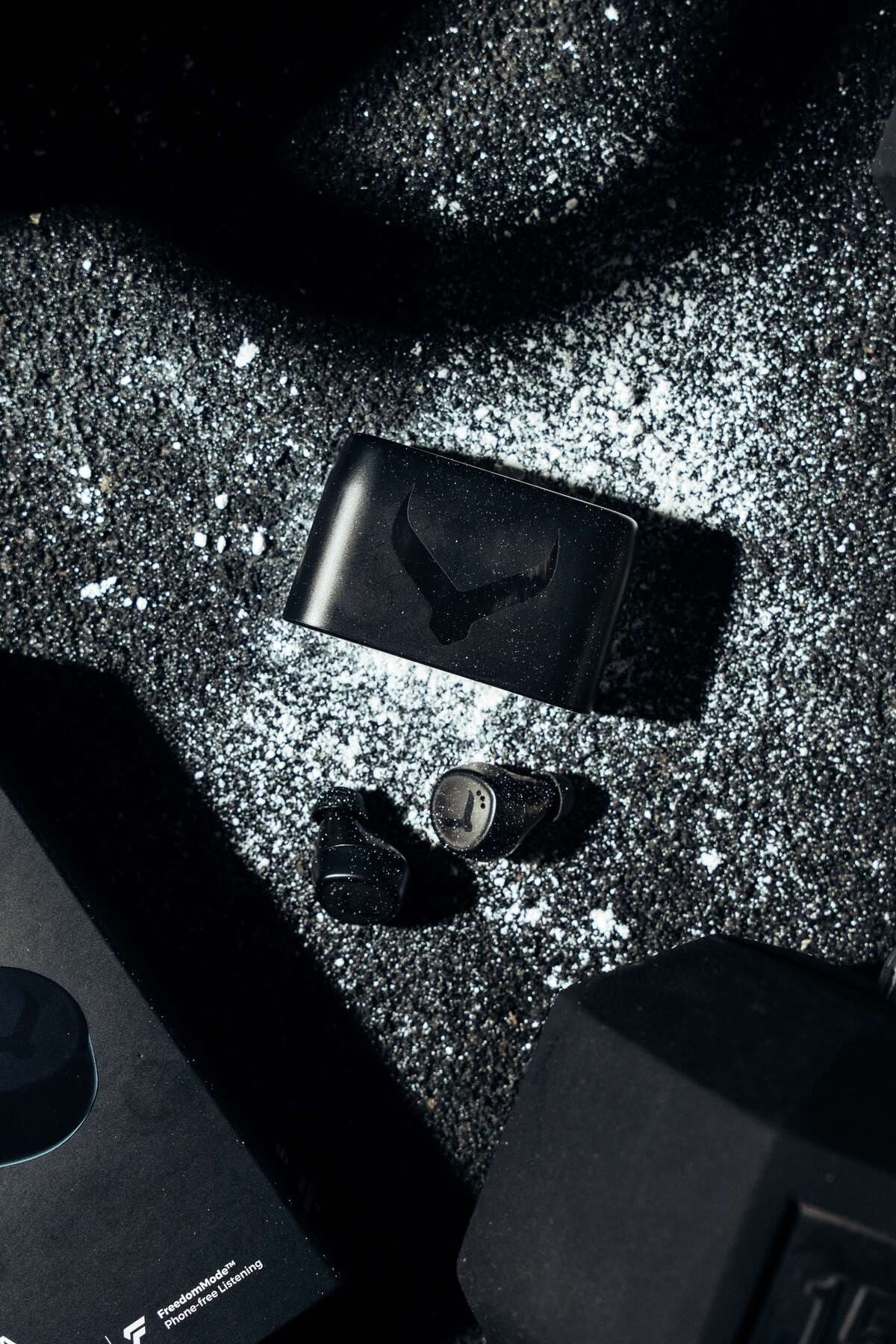
If you train with earbuds, they need to cope with sweat, sleds, wall balls and the odd drop on a rubber floor. We built the TZ7 Ultra for training sessions like these, with an IP68 rating, waterproof to 2m. When you race, leave them in your bag and trust the rhythm you have built.
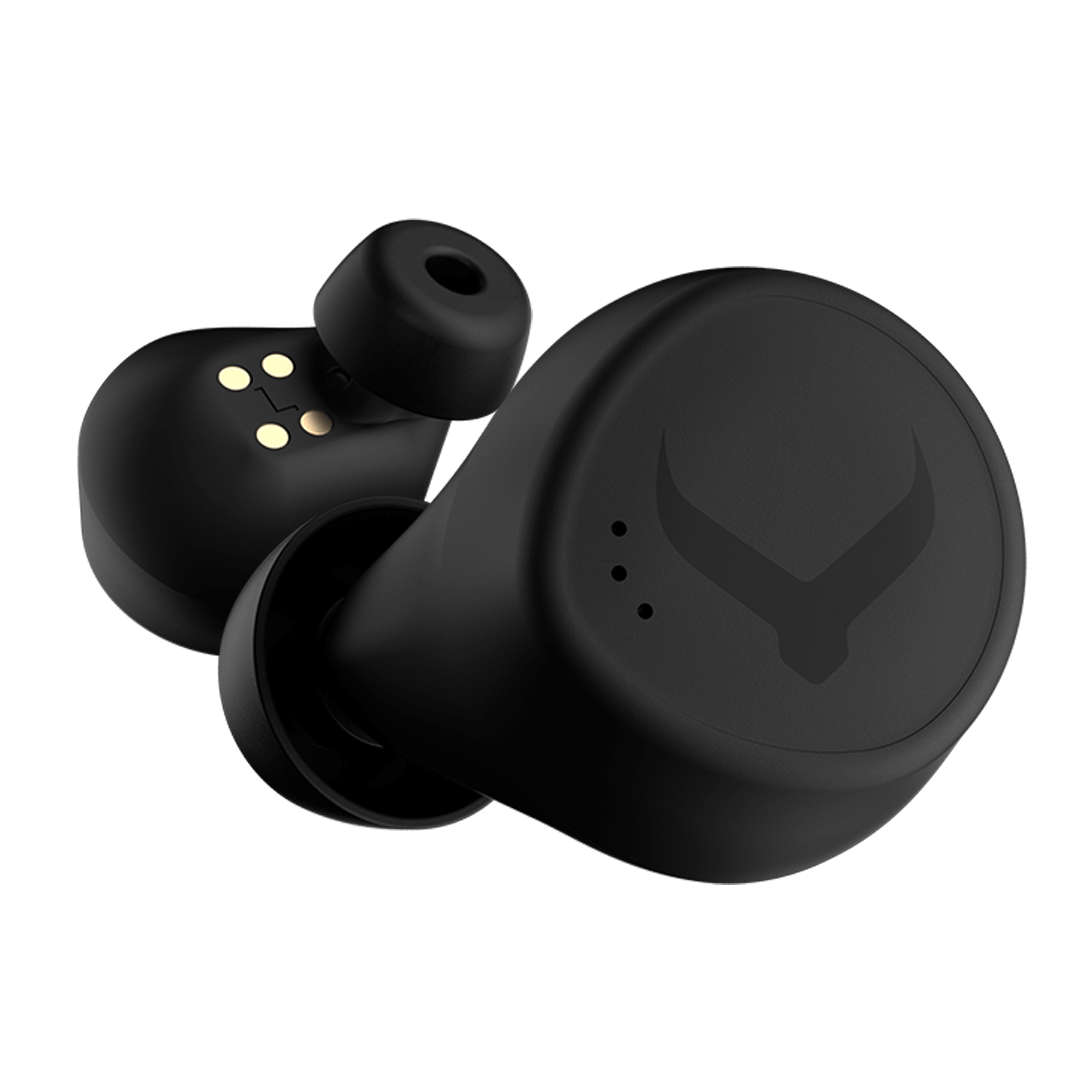
Introducing the ultimate workout earbuds.