Open Gym Sessions: How to Train Alone in the Box With Your Own Music
Open gym is where training time quietly disappears. This guide covers how to plan the hour before you arrive, set up your space, choose music for each block of the session and keep your phone off the floor, with a sample open gym hour.


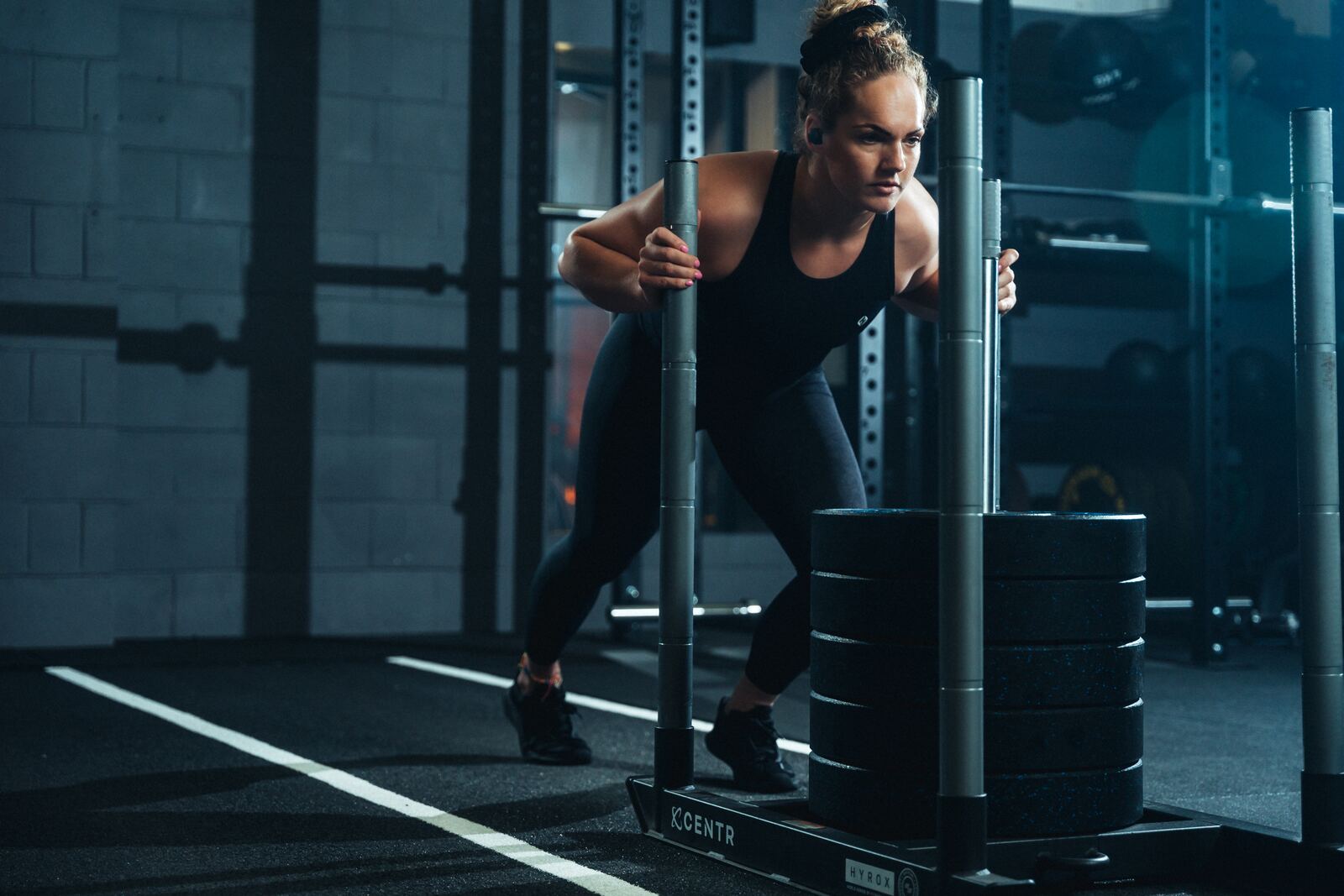
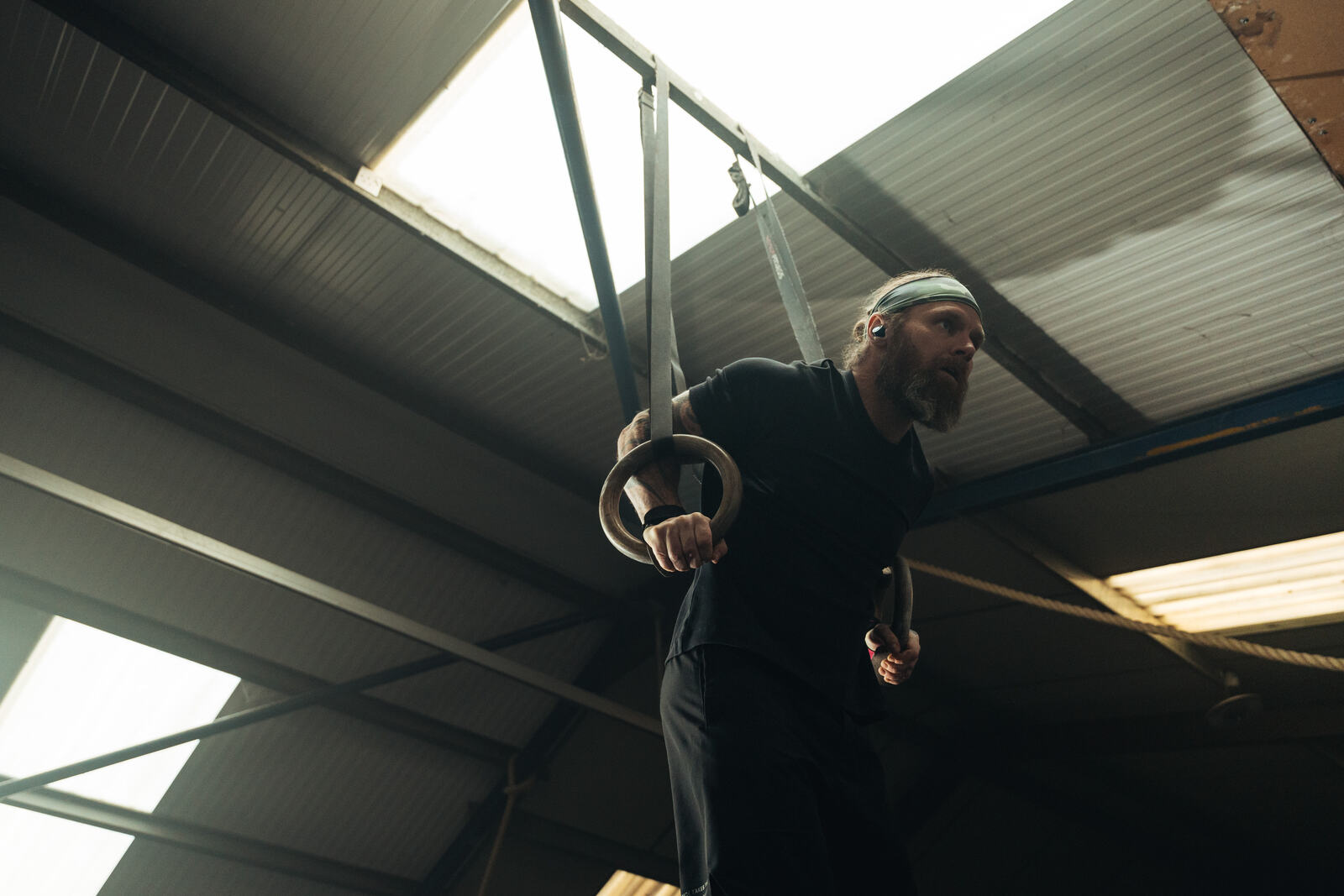
Open gym is the hour most boxes keep aside for members to train on their own: no coach running a clock, no whiteboard telling you what to do, the equipment mostly yours. It is where people work on the skills class never leaves time for, catch up on missed sessions, or follow their own programme.
It is also where a lot of training time quietly disappears. Without a coach and a class timer, the hour drifts. A set, a scroll, a chat, another scroll. This guide is about getting a full session out of open gym: how to structure the hour, how to use your own music well, and why the phone is better left in the locker.
Why open gym sessions drift
Class works because the structure is imposed. There is a warm-up, a strength piece, a workout and a cool-down, and the coach moves everyone on. Open gym removes all of that. What fills the gap is usually the phone: checking the programme, choosing the next song, answering a message, filming a set, watching the replay.
Each of those feels like a few seconds. Added together across an hour they are often the difference between a productive session and a vague one. We looked at what that costs in more detail in phone distraction during workouts. The short version: the problem is less the minutes lost and more the focus lost between sets.
Plan the session before you arrive
The most useful open gym habit takes five minutes and happens at home. Write the session down before you leave, on paper or on the box whiteboard when you arrive, so you never need to look it up mid-session.
A simple template that works for most people:
- Warm-up, 10 minutes. General movement to raise your temperature, then specific preparation for what follows.
- Skill or strength block, 20 to 25 minutes. One main lift or one gymnastics skill. Sets, reps and rest written down.
- Conditioning, 10 to 20 minutes. One piece with a clear format: an EMOM, an AMRAP, or intervals with fixed work and rest.
- Accessory and mobility, 10 minutes. The work you usually skip.
Writing it down does two things. It stops you deciding what to do while tired, which is when people choose the easy option. And it makes the session finishable: when the list is done, you are done.
Claim your space and set it up once
Open gym is shared. Being considerate and being efficient turn out to be the same thing.
- Build your station before the warm-up ends. Bar, plates, collars, box, ball, rower: get it all in one place so you are not walking the floor between sets.
- Ask before you take over a rig or a rower. A ten second conversation avoids a 20 minute standoff.
- Use a visible timer. Most boxes have a wall clock. Set it for your work and rest rather than checking a phone.
- Put things back as you finish each block. It keeps your space clear and keeps you in the box's good books.
Choose your music on purpose
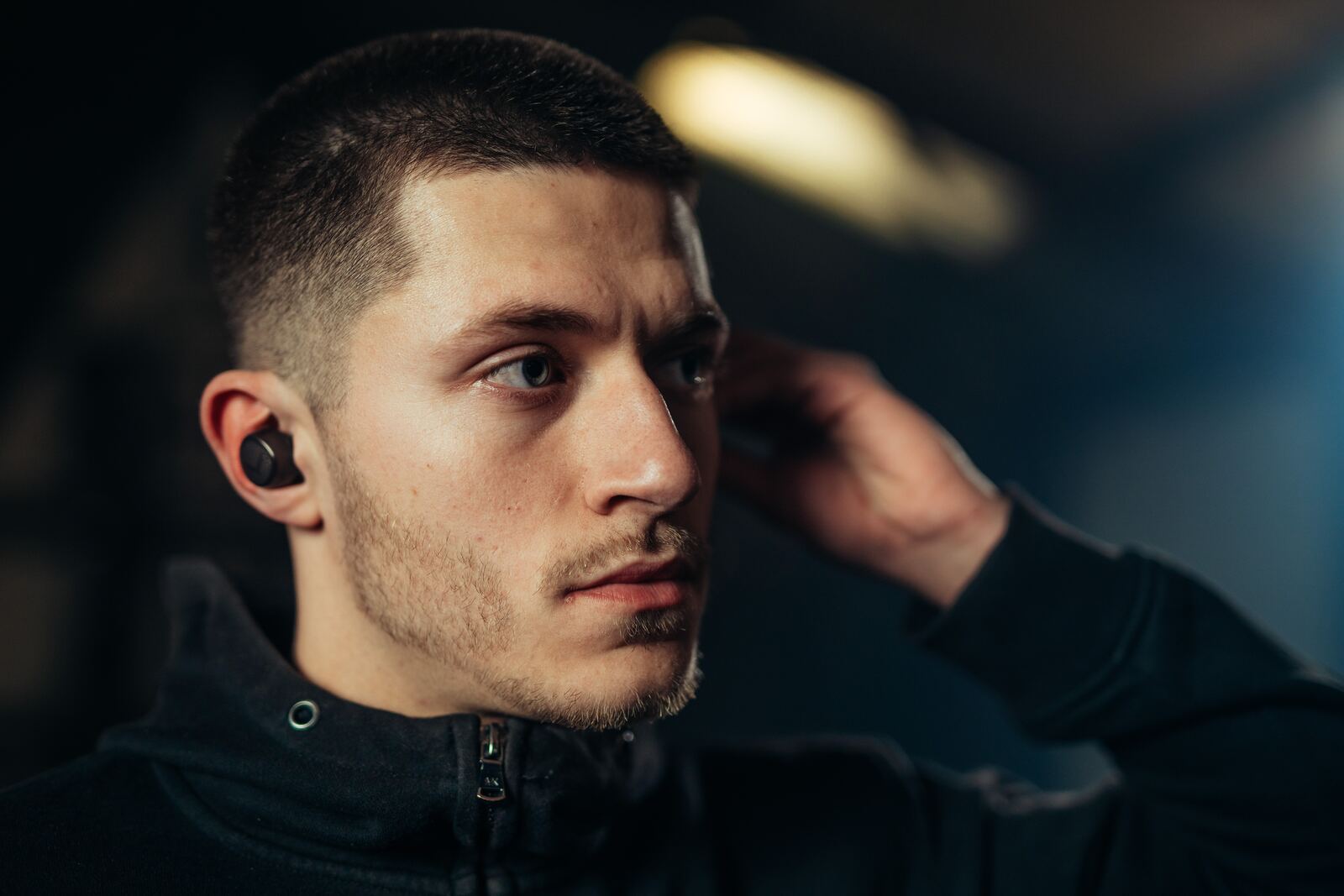
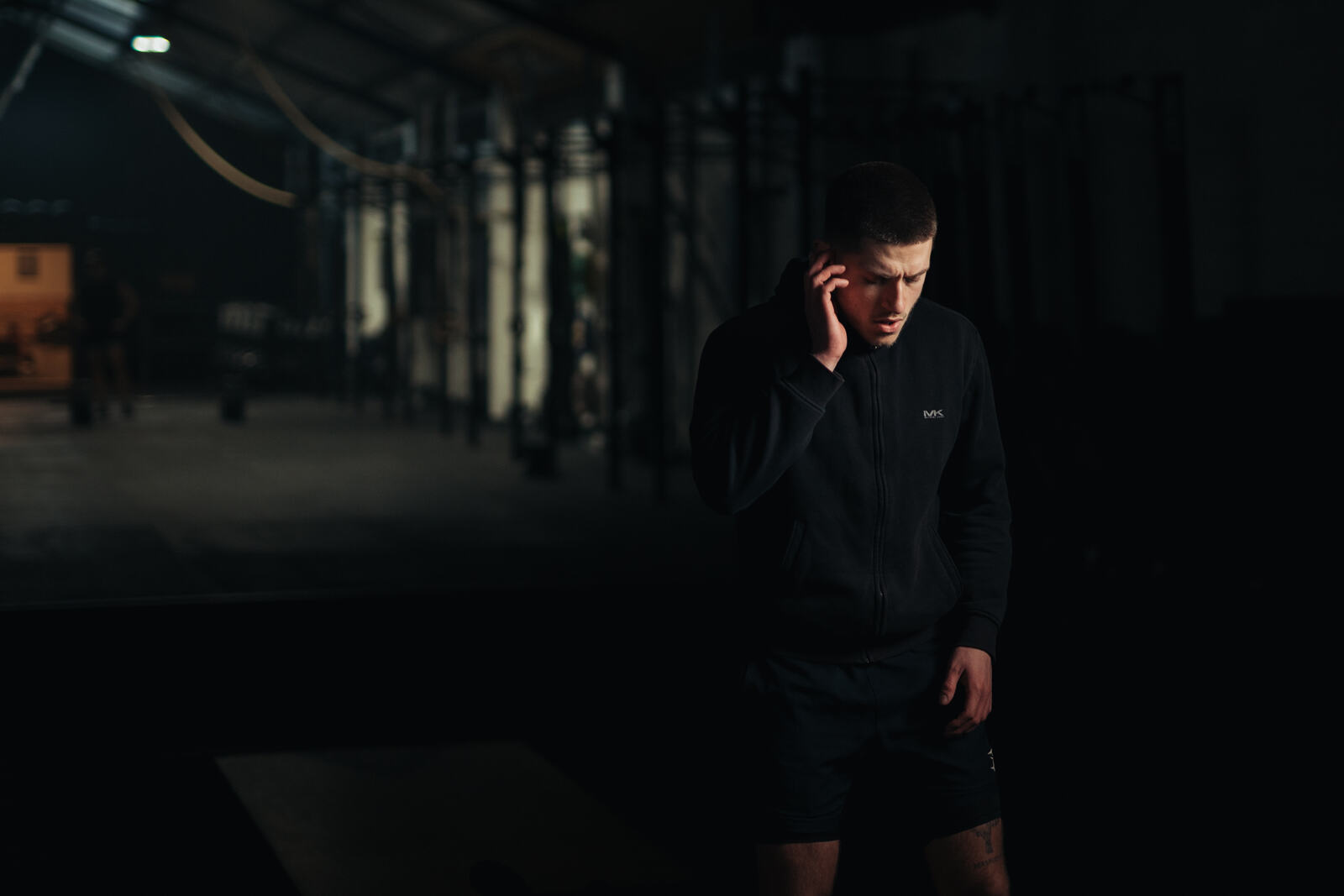
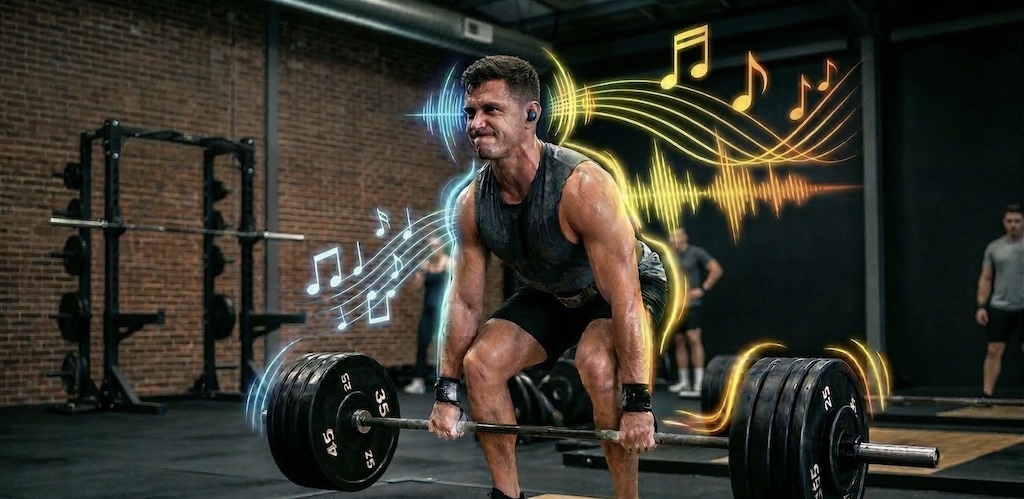
Open gym is usually the one session where you control the soundtrack. Many boxes play their own music over speakers during class, and in open gym it may be quiet or a mix nobody chose. Your own music, chosen in advance, gives you something class cannot: a soundtrack that matches the work.
Think of the session in blocks and choose music to match each one.
- Warm-up: something steady and familiar. You want to settle in, not peak early.
- Strength and skill: fewer tracks, longer rests. Many lifters prefer music that does not demand attention, so they can focus on positions between sets. Some prefer silence for heavy singles and technical skill work.
- Conditioning: this is where tempo earns its place. Faster, driving tracks for short efforts; steadier rhythms for longer pieces where pacing matters. Our playlist BPM guide breaks this down by type of work.
- Cool-down: something slower that tells your body the session is over.
The key is building the playlist beforehand. If you are choosing songs between sets, the music has become another reason to pick up the phone.
Train with the phone in the locker
The simplest way to stop the phone breaking up a session is to not have it on the floor. That needs three things to be sorted in advance.
- The plan. Written down, as above.
- The timer. The wall clock, a watch, or a simple interval timer.
- The music. On something that plays without the phone nearby, loaded before you leave home.
If you film lifts for technique, there is a middle ground: put the phone on a tripod or on a box in flight mode, record the set, and look at the footage at the end of the block rather than after every rep. For more on making the switch, see how to train without your phone.
None of this is about rules. If you need your phone in the gym for work or family, keep it. The point is choosing when to look at it, rather than letting it choose for you.
Stay aware of the room
Training alone does not mean training in a bubble. Open gym floors are often busier and less organised than class, with people doing different things at different speeds.
- Keep the volume sensible. You should be able to hear someone shout a warning or a bar being dropped nearby.
- Take one earbud out when moving around the floor or when someone is setting up next to you.
- Watch the drop zones. Know where others are lifting overhead and keep clear of their bail space.
- Follow your box's rules. Some boxes ask members not to wear earbuds for certain lifts or when coaching is happening nearby. Their floor, their call.
A sample open gym hour
Here is one way an hour could look for an intermediate athlete working on their engine and their clean.
- 0 to 10 minutes: 3 rounds of 250m row, 10 air squats, 10 PVC pass-throughs, 5 inchworms. Then empty-bar clean drills.
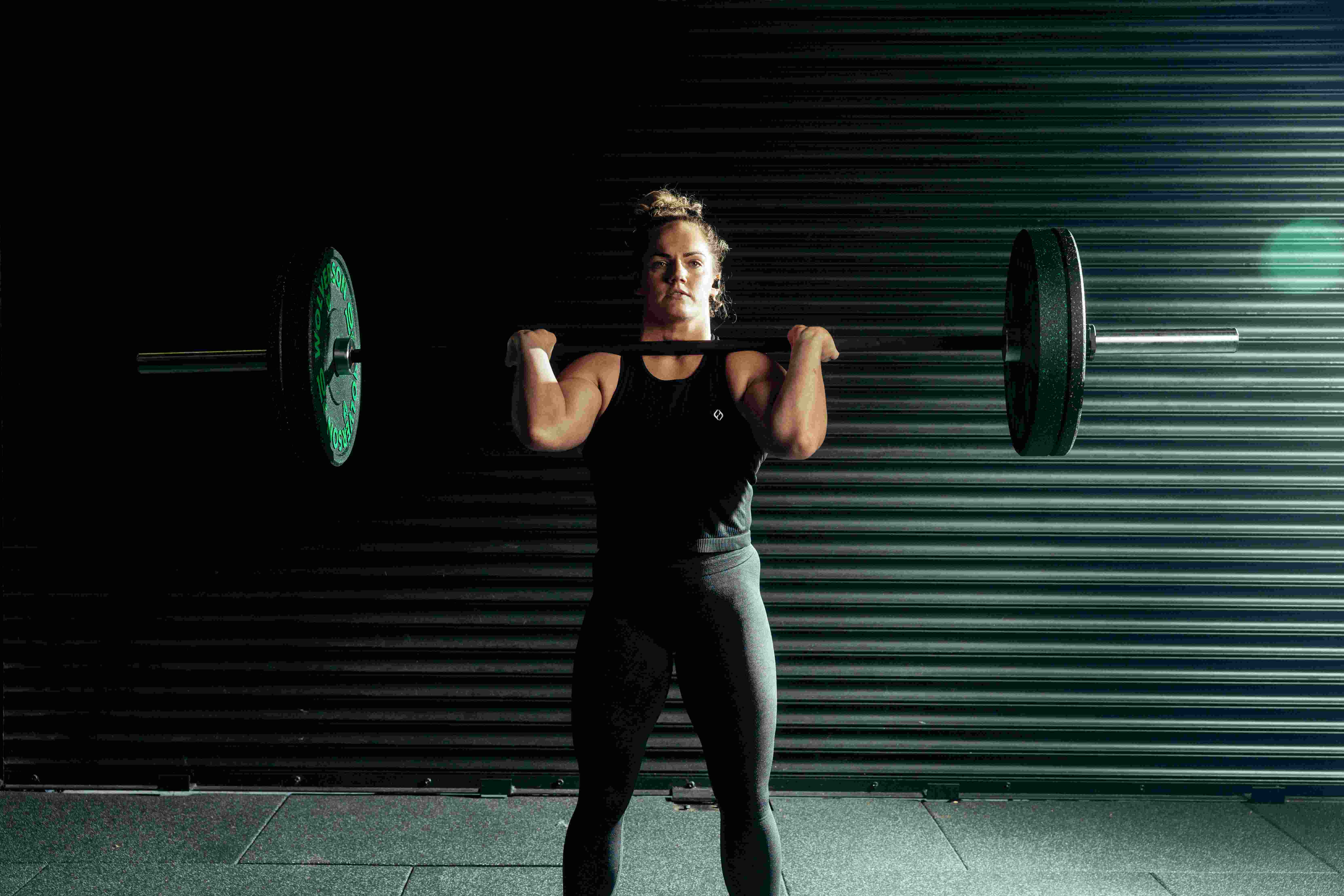
- 10 to 32 minutes: power clean, building to a moderately heavy double over 6 sets, 2 minutes rest between sets.
- 32 to 50 minutes: 6 rounds of 90 seconds on, 90 seconds off: 12 cal row then max burpees over the rower in the time left.
- 50 to 60 minutes: 3 rounds of 10 single-arm dumbbell rows per side and a 30 second side plank per side, then hips and thoracic mobility.
Written on the board, timed on the wall clock, with one playlist built for the hour. No decisions needed once you start.
Kit that suits open gym
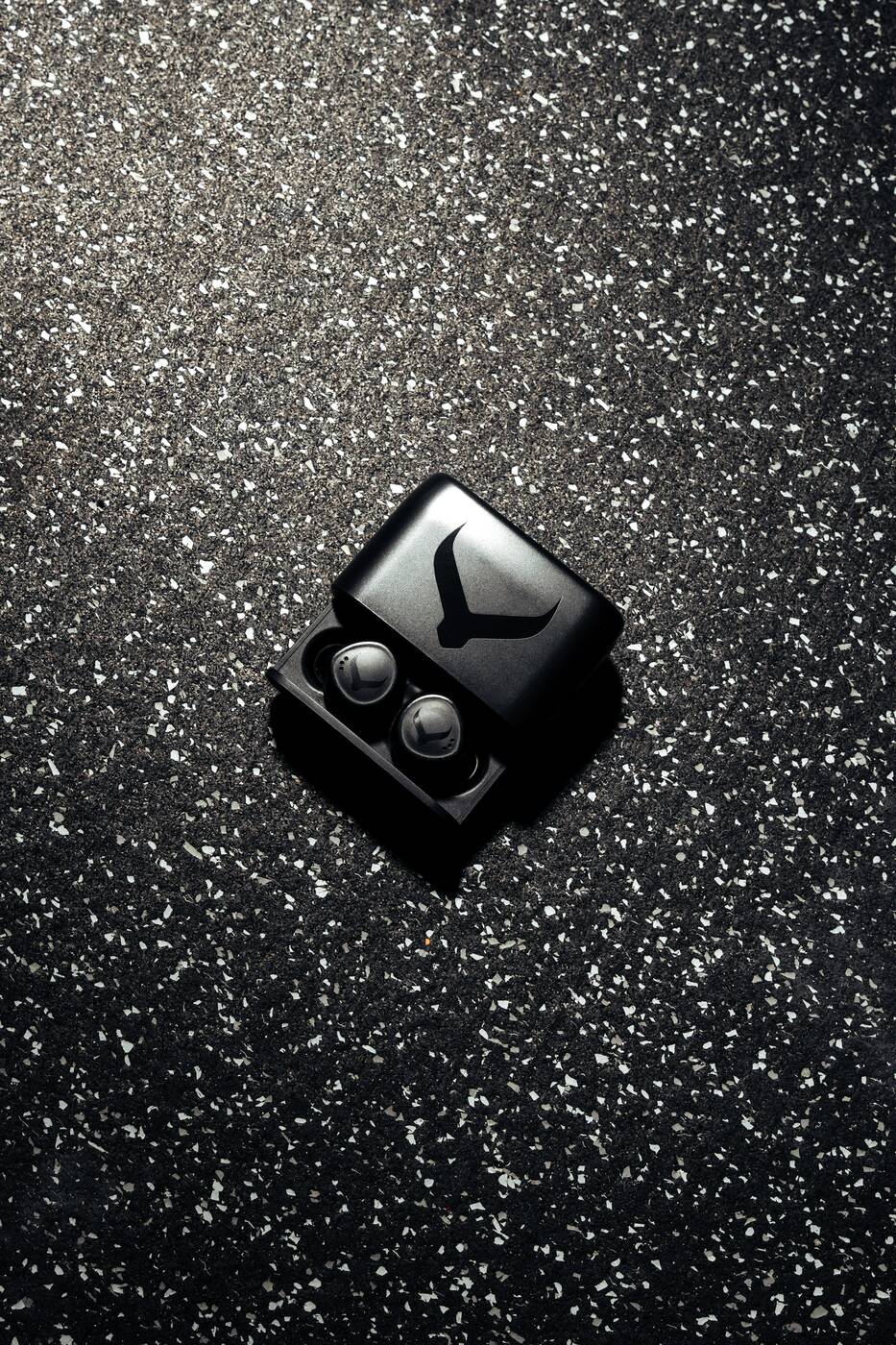
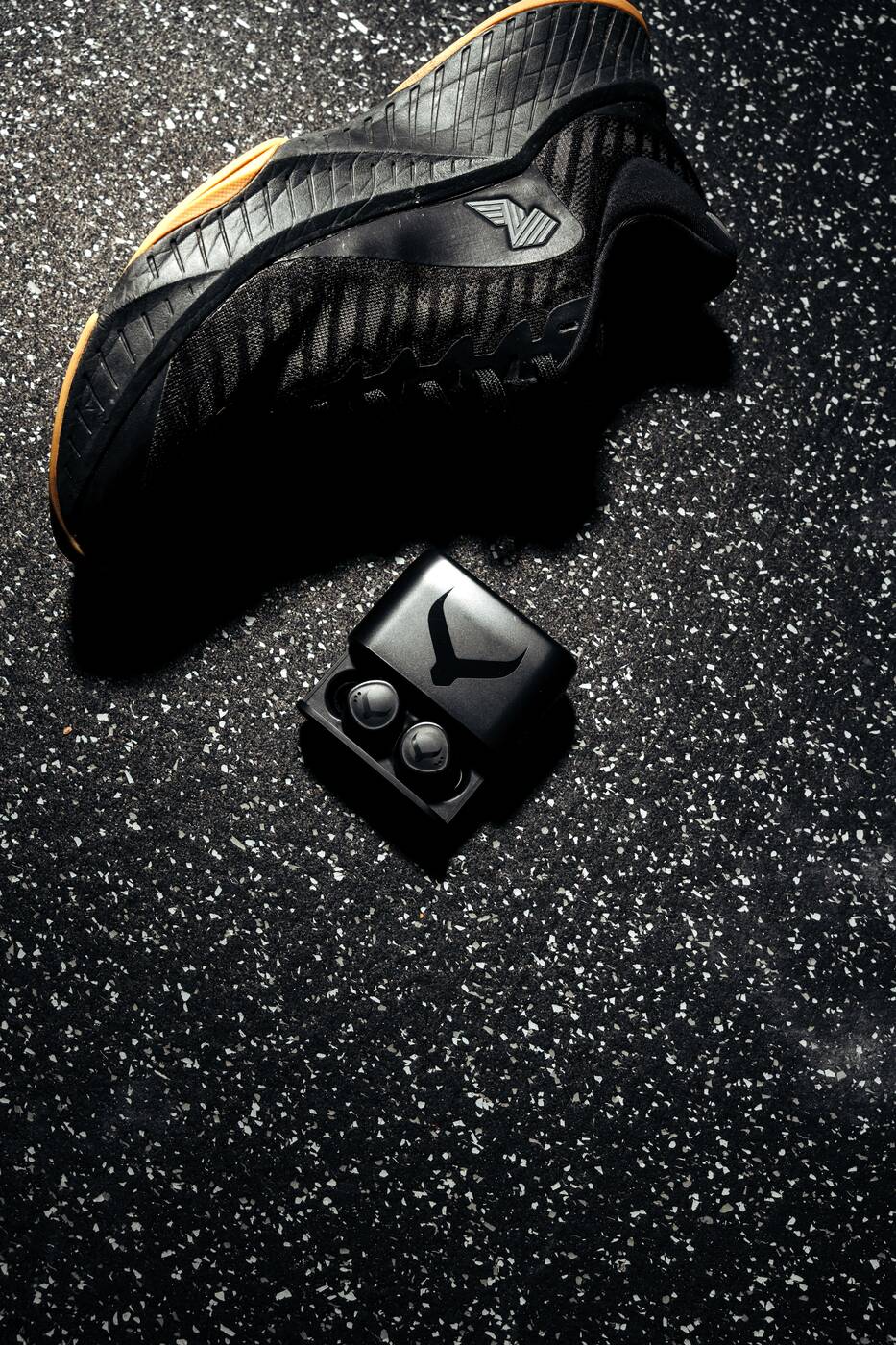
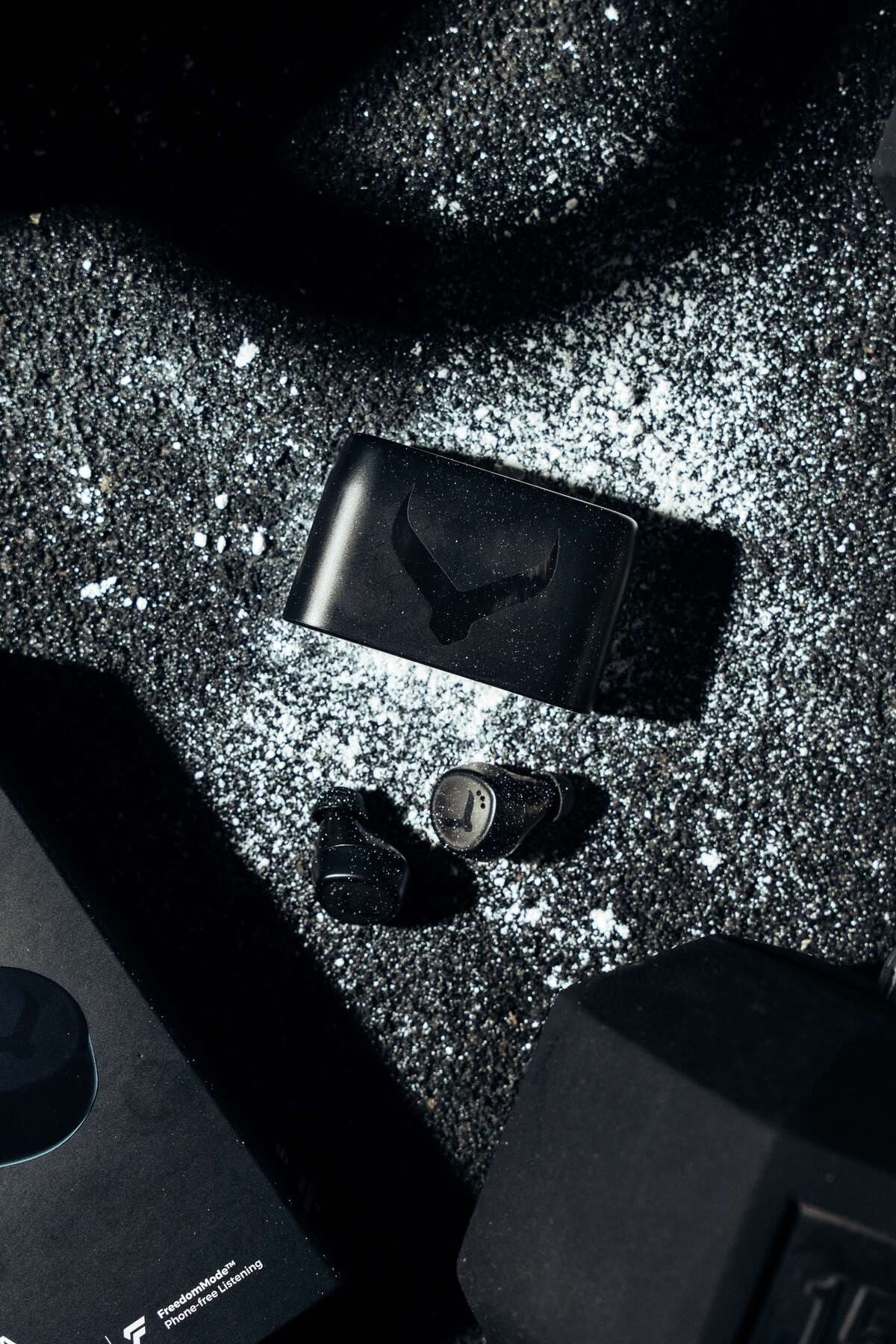
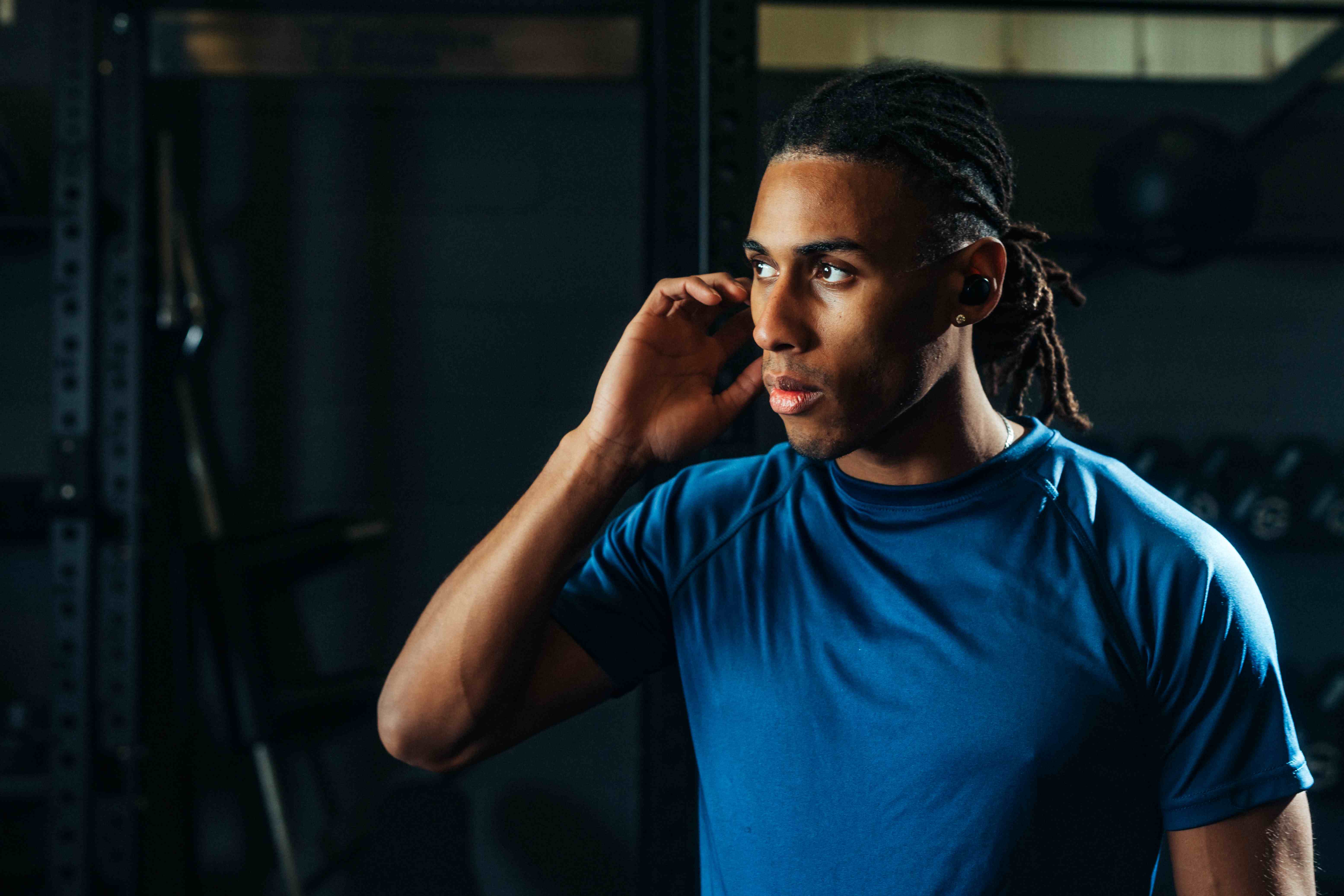
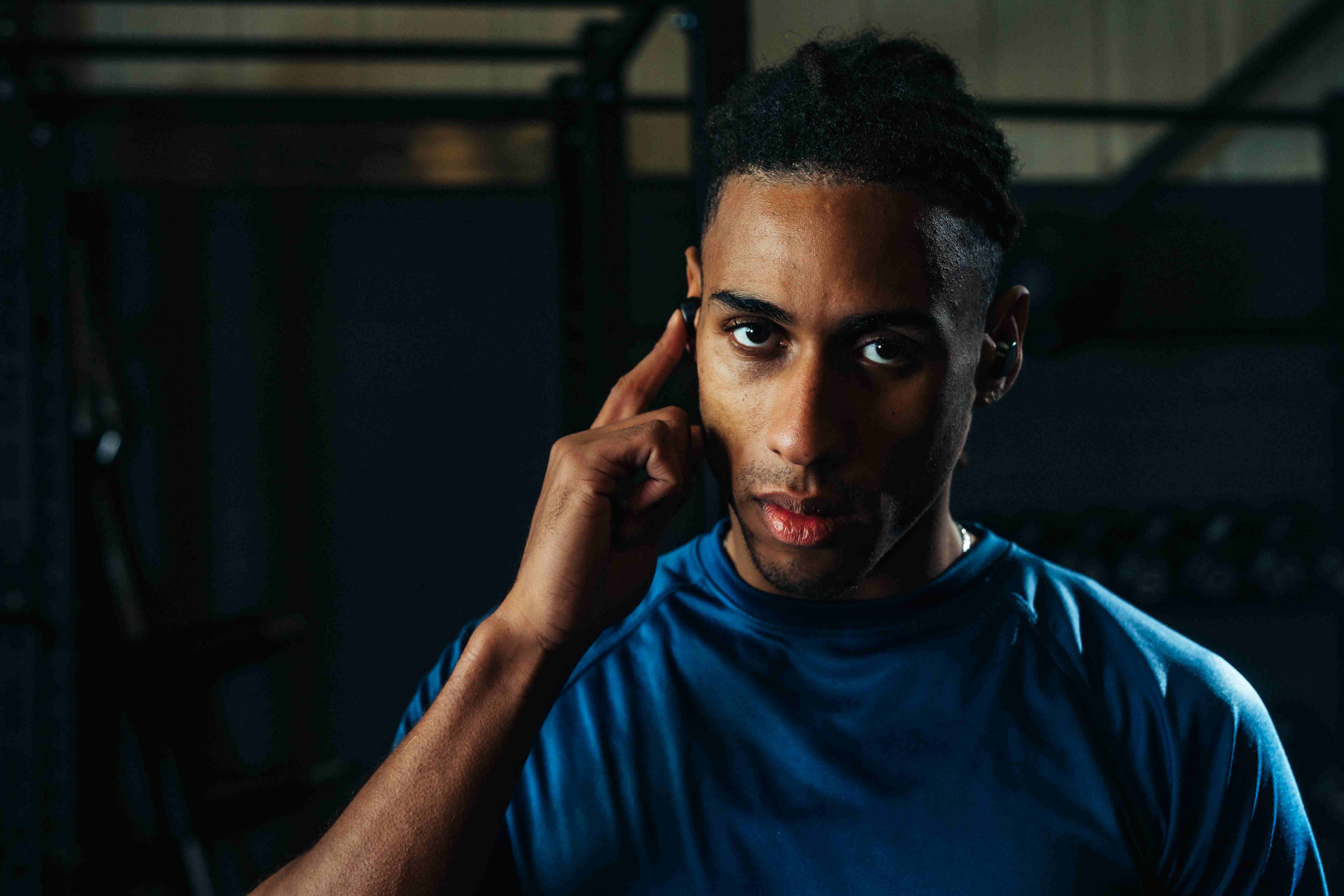
Solo sessions are often longer and less predictable than class, so it is worth thinking about kit that copes. Earbuds get sweated on, dropped on rubber floors and occasionally stood on, which is why so many athletes burn through them; our guide to CrossFit earbuds covers what to look for. We built the TZ7 Ultra for exactly this kind of training, with an IP68 rating, waterproof to 2m.
Open gym rewards preparation. Turn up with a plan, a playlist and the phone put away, and an hour on your own can be the best session of your week.
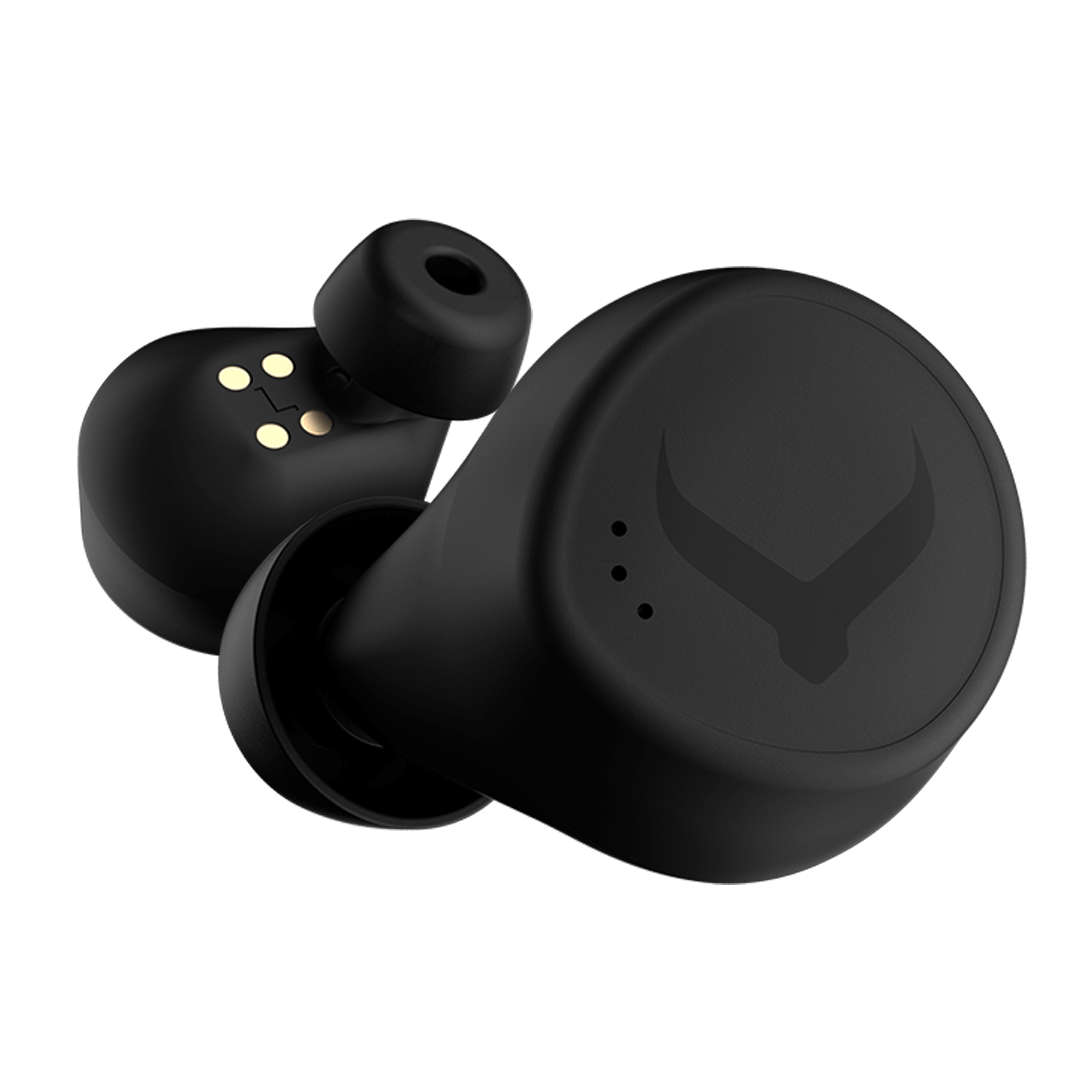
Introducing the ultimate workout earbuds.