The 2027 CrossFit Open starts on Thursday 18 February 2027. That is roughly fourteen weeks from now, and a week or so earlier than the last two Opens, which began in the last week of February. Three workouts follow on consecutive Thursdays: 27.1 on 18 February, 27.2 on 25 February and 27.3 on 4 March, as reported by The Barbell Spin when the dates were announced in July. Check the official CrossFit Games site for registration and the rulebook when they open.
Fourteen weeks is enough time to make a real difference, if you use it in the right order. This is a simple winter plan in four blocks, built around the kind of workouts the Open tends to throw at people: short to medium time domains, a mix of gymnastics, barbell and monostructural work, and movement standards that punish sloppy reps. It is written for athletes who train at an affiliate four or five days a week and want to turn up in February fitter and better prepared, not just tired.
Why a plan beats more classes
Most athletes prepare for the Open by doing more of what they already do. The problem is that a normal class programme is designed to keep a mixed group fit and healthy all year. It rarely gives you enough repeated exposure to fix a specific weakness, and it rarely tapers you for three specific weeks.
A plan does three jobs a class timetable cannot. It puts your weakest areas at the start, when you have time to fix them. It builds the capacity to repeat hard efforts week after week. And it lets you arrive in February fresh rather than buried.
The plan below sits alongside your classes. Two or three extra focused sessions a week, plus smarter choices inside the classes you already attend, is enough for most people.
Before you start: test, do not guess
Spend the first week of the plan finding out where you stand. Pick two or three past Open workouts that you can repeat safely in your gym, ideally covering different time domains, and record your scores. Then test a few simple benchmarks:
- A 2,000m row or a 1 mile run for engine.
- Max unbroken reps of your hardest gymnastics skill, such as pull-ups, toes-to-bar or double-unders.
- A heavy single or triple in a clean or snatch, and how many touch-and-go reps you can do at a moderate load.
Write the results down. You will retest the same things in January, and the comparison tells you whether the plan worked better than any feeling can.
Block one: mid November to mid December, fix the weak link
Four weeks. The goal is skill and positions, not exhaustion. Choose the one area that cost you the most in your test week and give it three short, focused exposures a week.
- Gymnastics gaps: 10 to 15 minutes of practice at the start of a session, while you are fresh. Quality sets, stopping well before failure.
- Barbell gaps: technique work at moderate loads, building touch-and-go sets of three to five reps with good positions.
- Engine gaps: two longer, easier sessions a week on the rower, bike or run, at a pace where you could still talk in short sentences.
Keep one or two class workouts a week genuinely hard, and treat the rest as practice. Mobility matters here too: if your overhead or squat position limits a movement, our CrossFit mobility guide is a good place to start.
Block two: mid December to mid January, build capacity
Four weeks, and they include Christmas. Plan for a lighter week rather than pretending you will train through the holidays and then feeling behind.
Now the skill work turns into repeatable output. Practise your weak movement under mild fatigue, for example a short row before a set of toes-to-bar, and build intervals that resemble the middle of an Open workout:
- Five to eight rounds of two to three minutes of mixed work, with equal rest.
- Longer pieces of 12 to 15 minutes at a steady, controlled pace you could hold if the workout were five minutes longer.
- One heavier barbell session a week to hold on to strength.
If you train alone over the holidays, set up your session in advance so you are not stood in an empty box deciding what to do. Write it on a card, warm-up included, and you will get far more from an hour on your own.
Block three: mid January to early February, sharpen
Four weeks of Open-style intensity. This is where you practise the event itself.
- Once a week, do a past Open workout as if it counts. Warm up properly, have someone judge your reps, and record your score.
- Practise pacing. Decide your split before you start, write it on a whiteboard and stick to it. Most people go out too fast and spend the back half paying for it.
- Practise transitions. Many Open workouts are decided by how quickly you pick the bar back up, not how fast you move.
- Retest. In the last week of this block, repeat your November benchmarks and Open workouts. Compare the numbers honestly.
Keep one session a week easy. The temptation in January is to turn every session into a test. Resist it.
The final ten days: arrive fresh
From about 8 February, reduce your total volume by a third to a half and keep a little intensity. Two short, sharp sessions, some skill practice and plenty of sleep will do more for 27.1 than one more brutal workout. Eat normally, keep your routine, and stop testing yourself.
During the Open: a weekly rhythm
With three weeks and one workout a week, the rhythm matters. A simple approach:
- Thursday: the workout is released. Read the standards carefully, watch the movement demos and make a plan.
- Friday to Sunday: do the workout once, with a judge, at the time of day you usually train. Decide in advance whether you will repeat it.
- If you repeat: leave at least a day, and only repeat if you have a clear reason, such as a pacing error or a no-rep issue you can fix.
- The rest of the week: easy aerobic work, mobility and light skill practice. Arrive at the next Thursday recovered.
Check the official rulebook for score submission deadlines each week, and do not leave it to the last minute.
Kit that helps the plan
None of this needs specialist kit, but a few things make long winter blocks easier. A notebook or whiteboard for scores. A skipping rope you trust. Grips you have actually trained in. And music that matches the work: steadier tempos for long aerobic sessions, harder tracks for short intervals. Our guide to building a training playlist by BPM covers the detail.
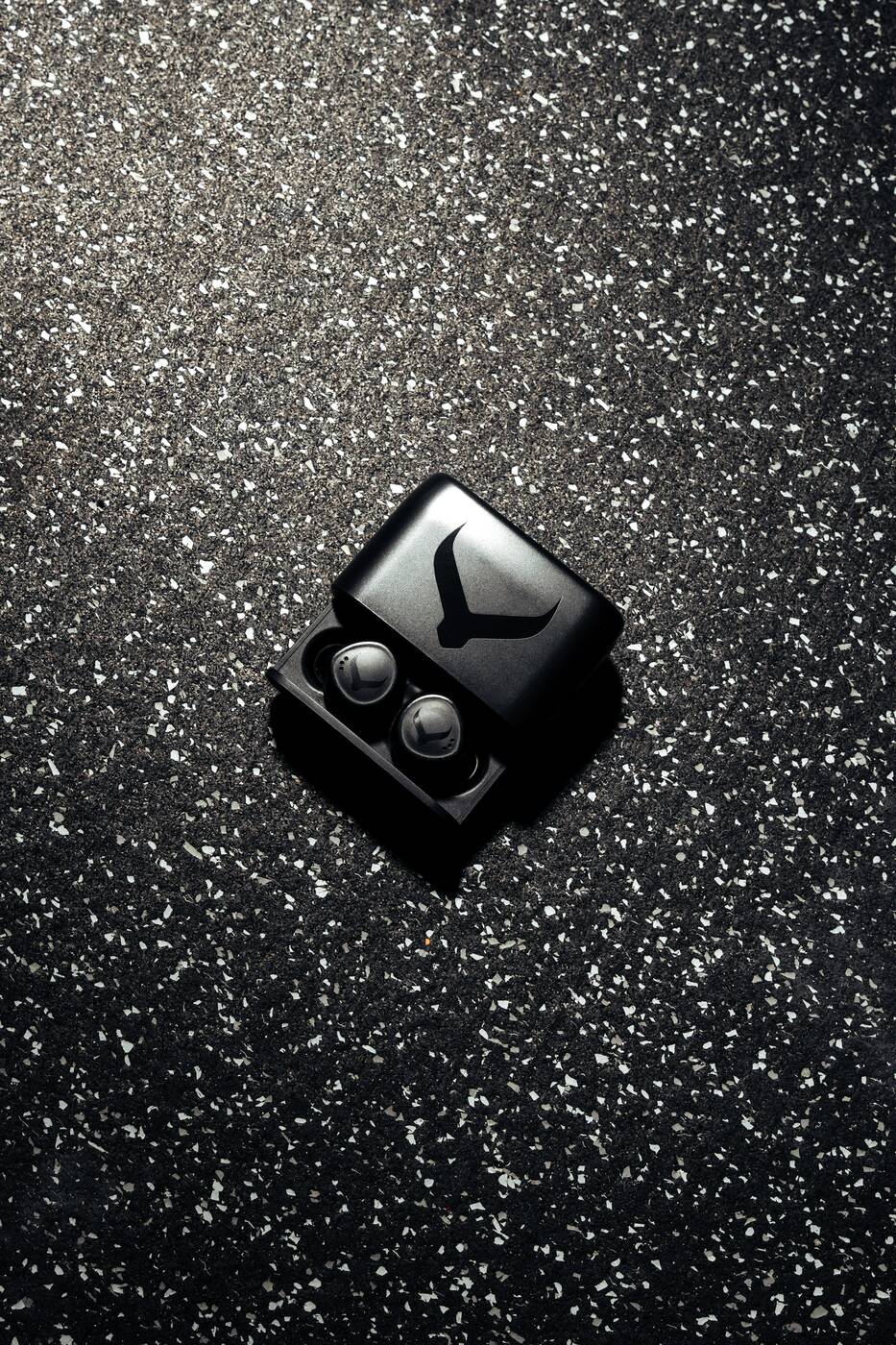
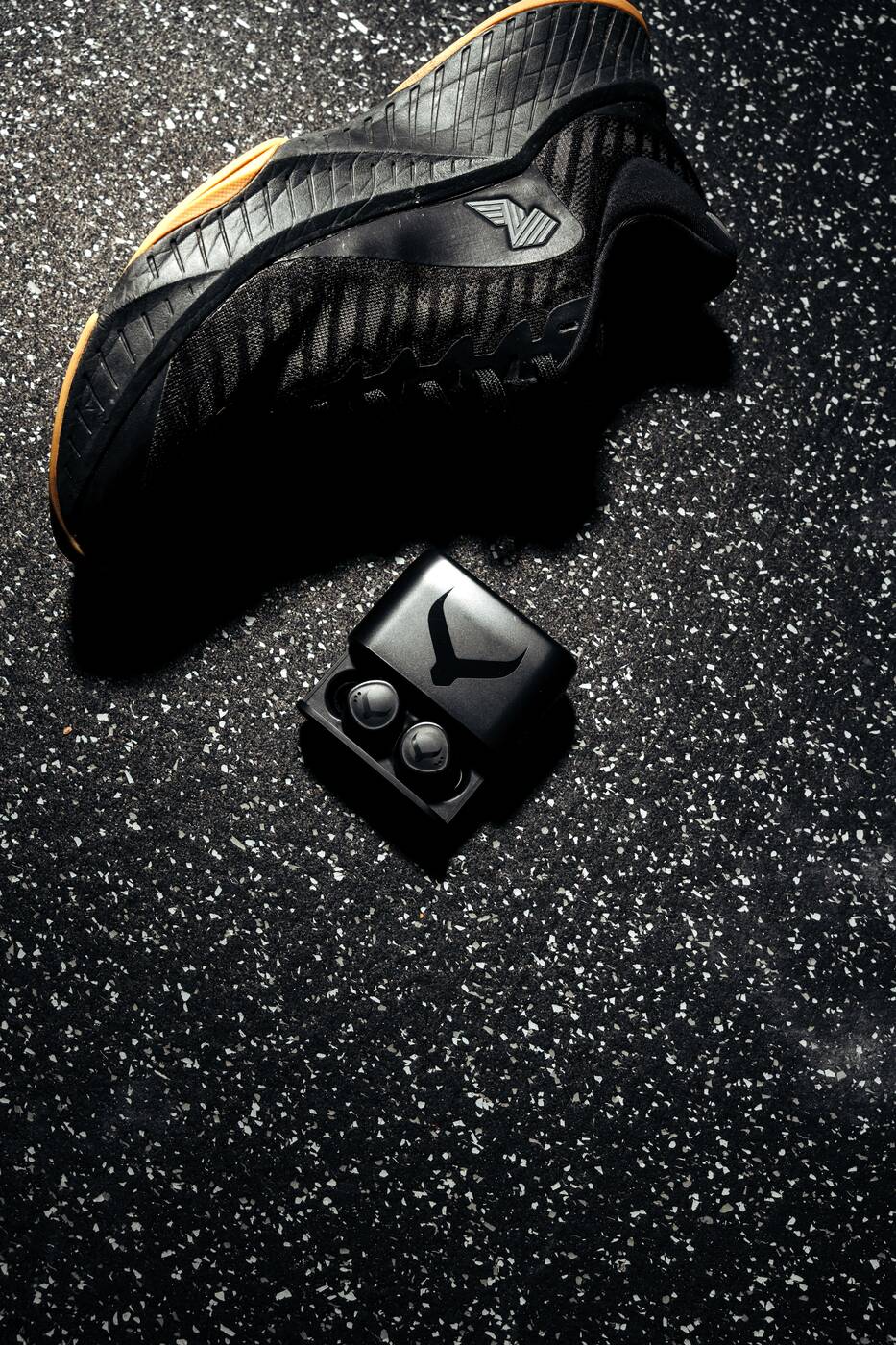
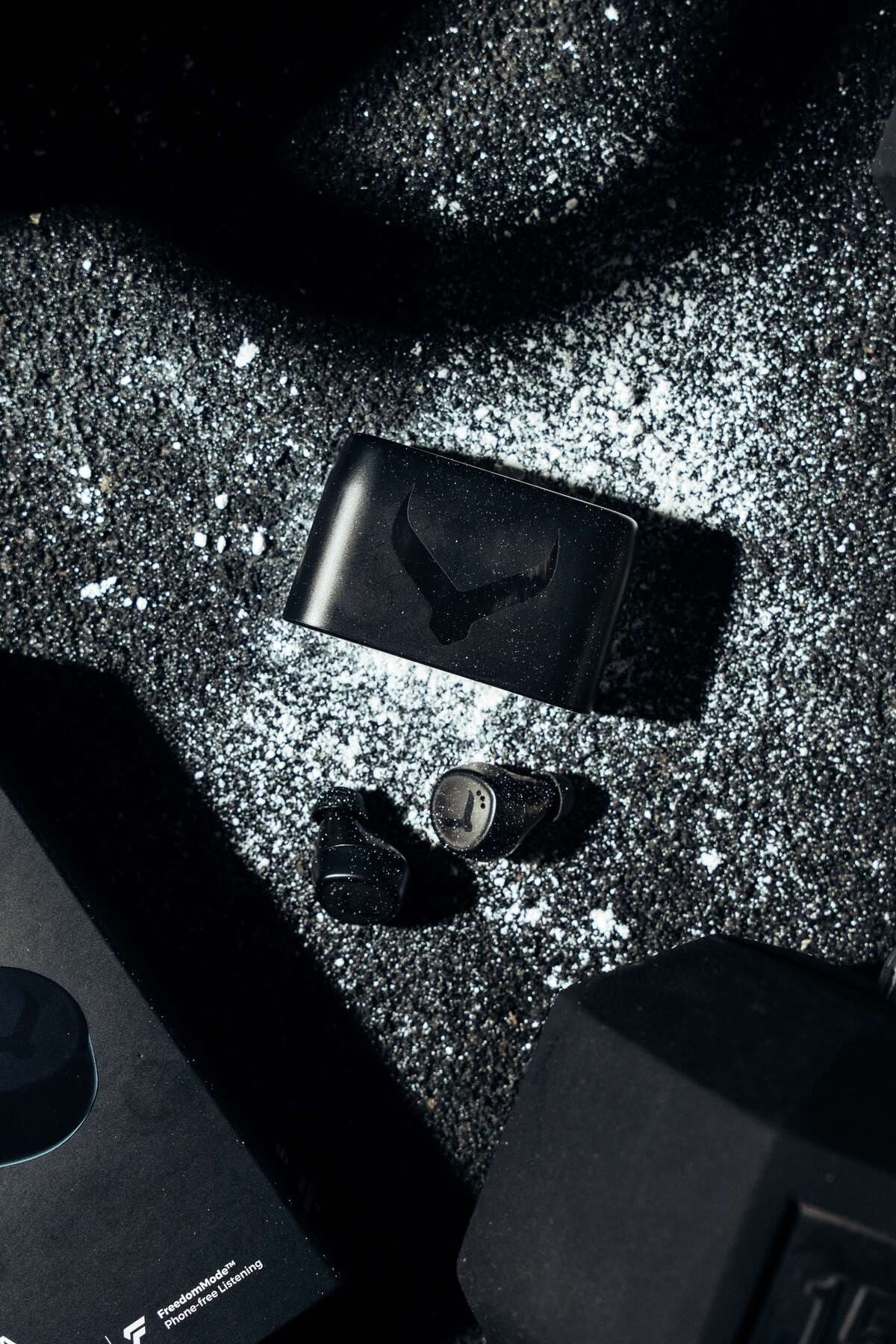
If you wear earbuds through a sweaty winter of training, choose a pair that will survive it. The TZ7 Ultra is IP68 rated and waterproof to 2m. For what to look for in a pair that suits a box, read CrossFit Earbuds: What Actually Survives a Box.
The short version
Test now. Fix your weakest area first. Build capacity through the winter, sharpen with past Open workouts in January, and taper for the last ten days. Then enjoy three Thursdays in February and March that you have properly prepared for.
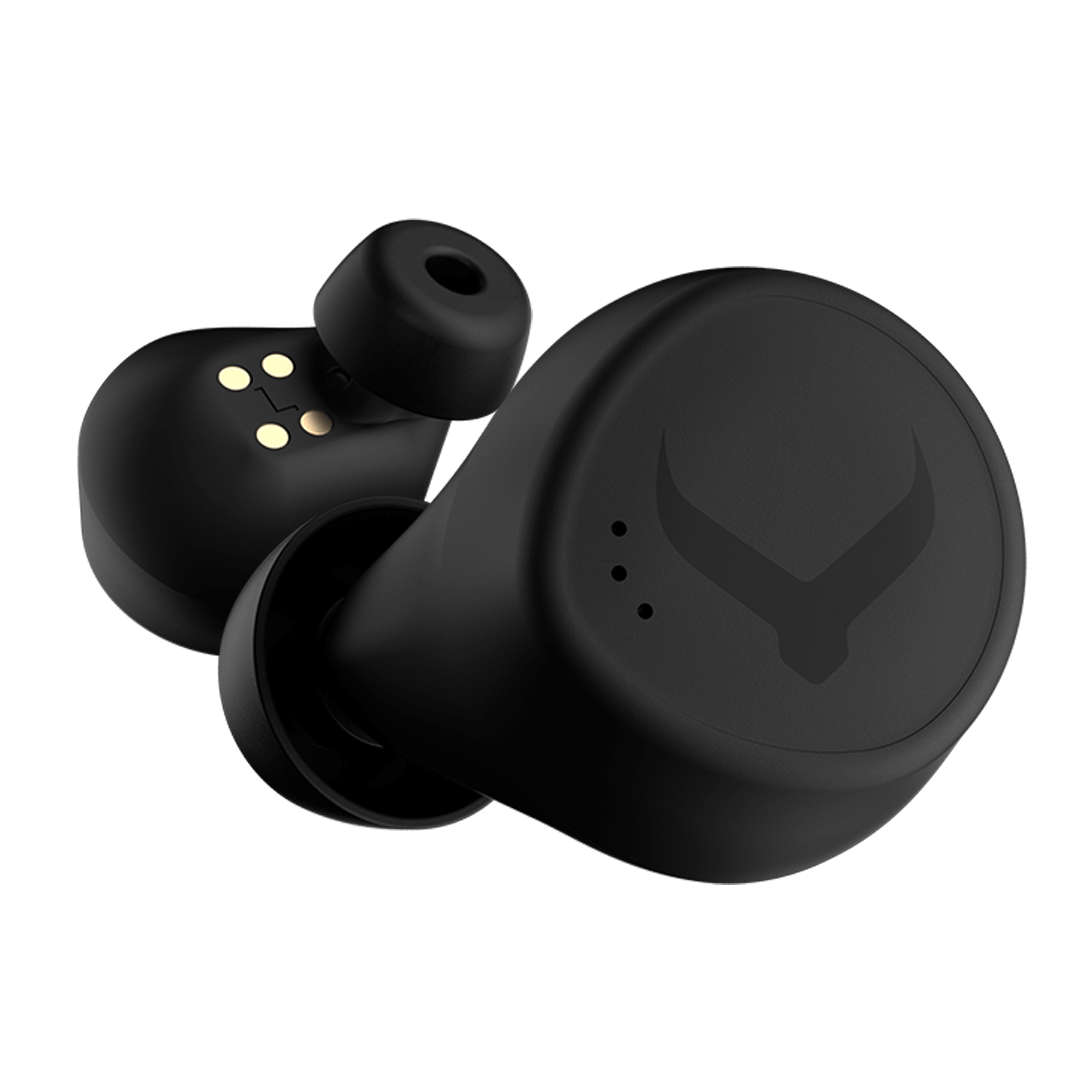
Introducing the ultimate workout earbuds.