
The clocks went back on Sunday. For most people who train before or after work, that means at least one end of the day is now dark, and the weather has turned from occasional showers to proper British drizzle that lasts all afternoon. You can move everything indoors until March, or you can sort your kit once and keep training outside.
This guide covers what actually matters when you run, ruck or train outdoors through a UK winter: layers, hands and head, feet, visibility, and the electronics you carry. None of it is complicated. Most of it is about getting a few small decisions right before you are standing in the rain wishing you had.
Why winter kit is a different problem
Summer training is about getting rid of heat. Winter training is about managing two things at once: staying warm enough at the start, and not overheating and soaking yourself in sweat ten minutes in. Add rain and wind and the margin gets thin. A wet base layer in a cold wind will chill you far faster than the air temperature suggests, which is why the most common winter mistake is dressing for the first five minutes rather than the whole session.
A common rule of thumb is to start slightly cold. If you feel comfortable standing still at the door, you are probably wearing one layer too many.
Layering: the three jobs
Think of layers by job rather than by garment.
- Base layer: move sweat. A close-fitting synthetic or merino top that pulls moisture away from your skin. Avoid cotton. It holds water and stays cold once it is wet.
- Mid layer: hold warmth. On most UK winter days, a light long-sleeve or thin fleece is plenty. Only add it for very cold mornings or slower sessions where you are not generating much heat.
- Outer layer: block wind and rain. A light running jacket that cuts the wind does more for warmth than an extra thick layer underneath. For steady rain, a jacket with taped seams and a hood or peaked cap keeps water off your face.
For legs, full-length tights or training trousers are enough for nearly all UK conditions. Shorts over tights are fine if you want pockets.
Hands, head and neck
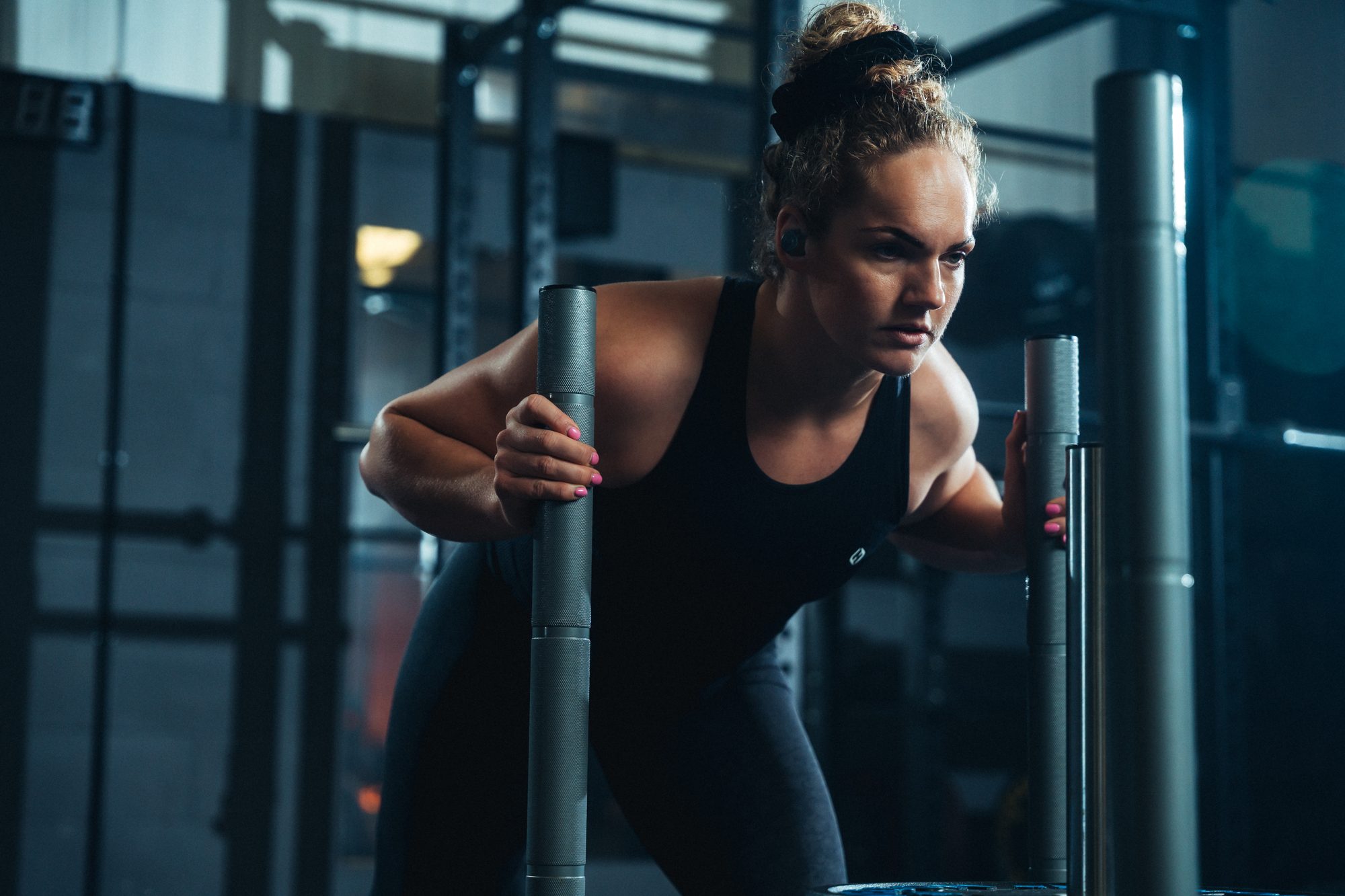
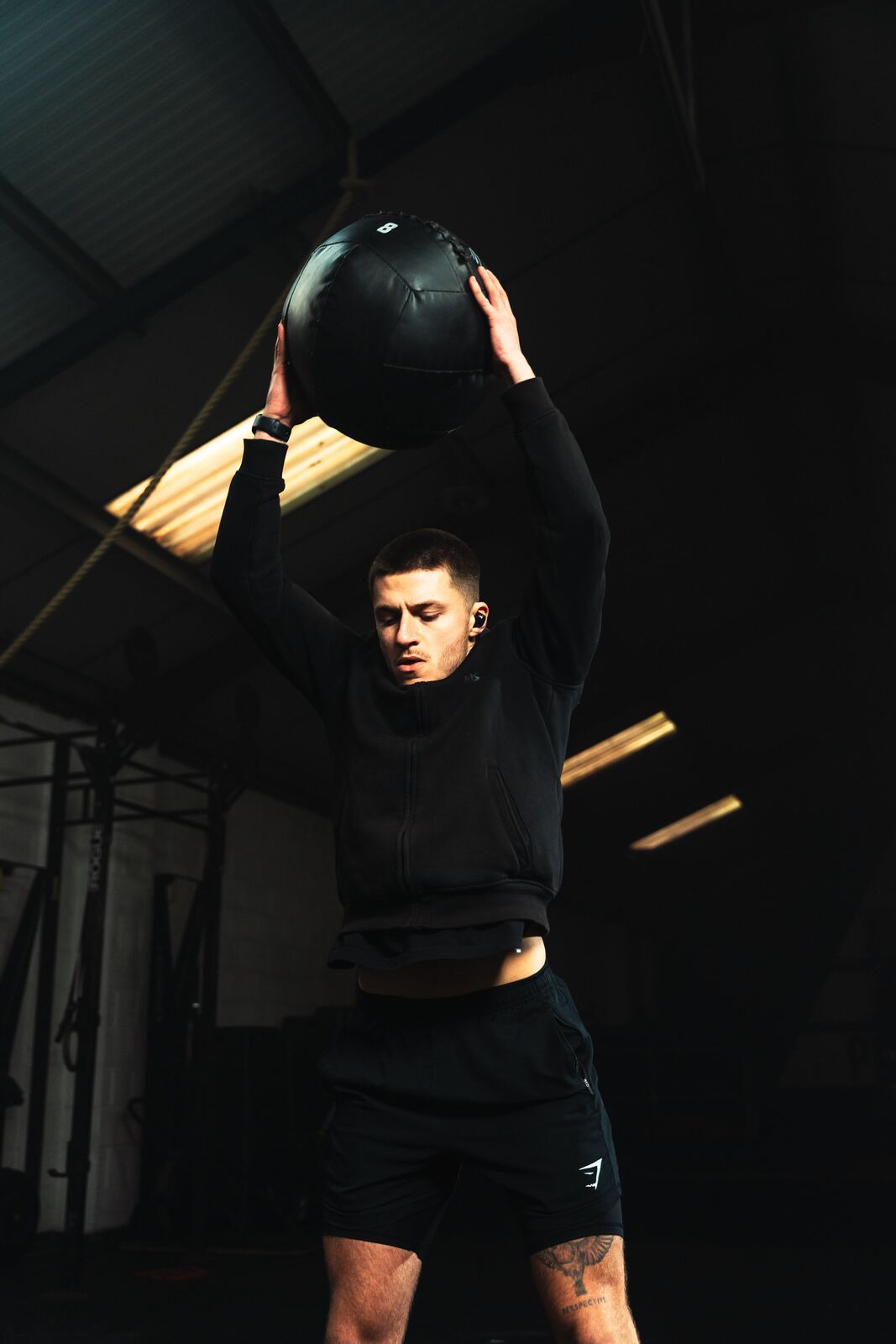
Your extremities get cold first and they decide whether you want to carry on. Thin gloves make a bigger difference than almost any other single item, and they are cheap. If you train with kettlebells or a sandbag outdoors, a pair with grip on the palm stops the handle sliding when it is wet.
A light hat or headband keeps your ears warm. A neck tube is the most versatile piece of winter kit you can own: pull it up over your mouth in the first cold minutes, push it down once you warm up, and use it as a headband if the hat gets too hot.
Feet and grip
Wet leaves on pavements, painted road markings and drain covers are all slippery in the rain. Shoes with a grippy outsole matter more in winter than cushioning does. If you run on towpaths, park paths or fields, a trail shoe with deeper lugs is worth having.
Wet feet are normal and usually fine while you are moving. The problem is afterwards. Have dry socks and shoes ready for the drive or walk home, and stuff your wet shoes with newspaper rather than putting them on a radiator, which can damage the glue and foam.
Visibility after the clocks change
Once the evenings are dark, being seen is a kit decision, not an afterthought. Light colours help in dusk and poor daylight, but in the dark it is reflective material that does the work, ideally on parts of you that move, such as ankles and wrists, because drivers pick up movement. A small clip-on light, front and back, costs very little and makes a big difference on unlit roads.
The Highway Code rules for pedestrians recommend bright or fluorescent clothing in poor daylight and reflective materials in the dark. We cover route choice and awareness in more detail in our winter safety guide.
Electronics in cold and rain
Most of us take at least one device out: a phone, a watch, a pair of earbuds or all three. Winter is hard on all of them for two reasons.
Water. Rain on its own is one thing. Rain combined with sweat, then a cold wind, then a warm car, is a cycle of moisture and condensation that finds its way into anything that is not properly sealed. If you train outdoors in winter, check the ingress protection (IP) rating of what you carry before you rely on it.
An IP rating has two digits. The first is protection against solids such as dust, from 0 to 6. The second is protection against water, from 0 to 9. A rating such as IPX4 means splash resistant, with the X meaning no dust rating was given. IP68 means dust tight and rated for continuous immersion under conditions set by the manufacturer. For training in sustained rain, a higher water rating gives you a much bigger margin. We explain the differences in full in IP68 vs IPX7 explained.
Cold. Lithium-ion batteries deliver less of their capacity when they are cold, so a device that lasts comfortably in summer can run down sooner on a freezing morning. Keep devices close to your body where you can, start sessions fully charged, and let a cold device warm up to room temperature before charging it.
Earbuds for outdoor winter training
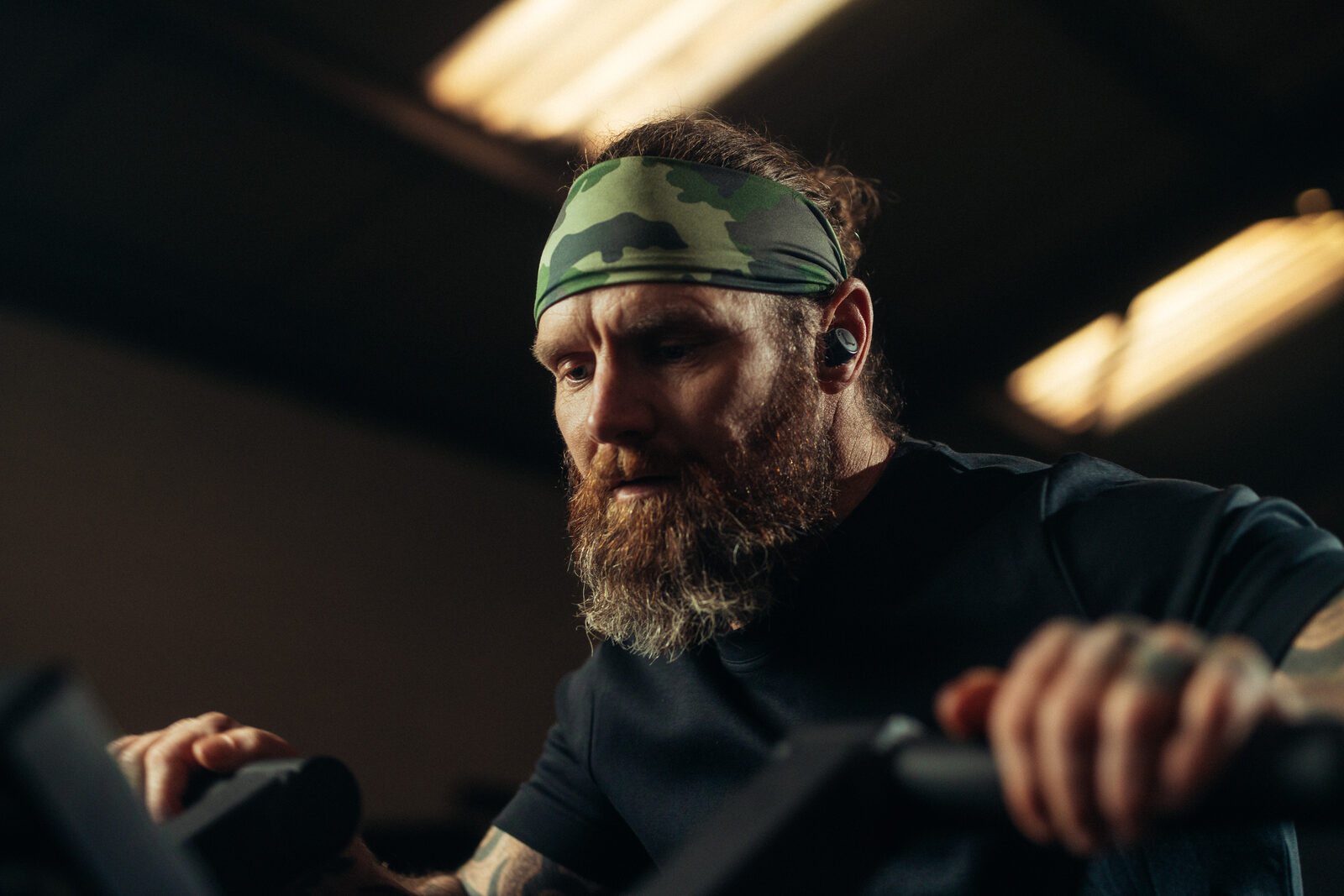
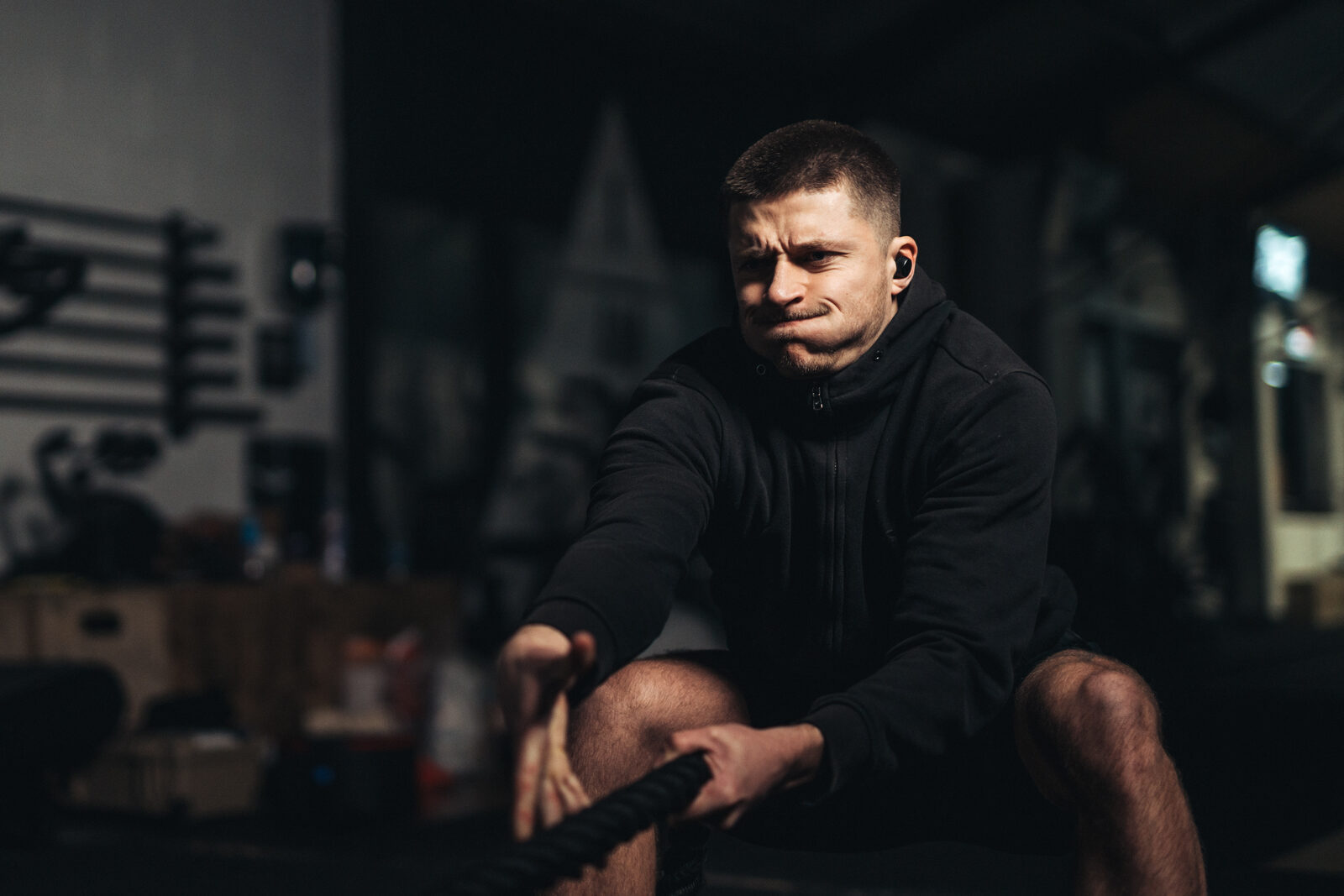
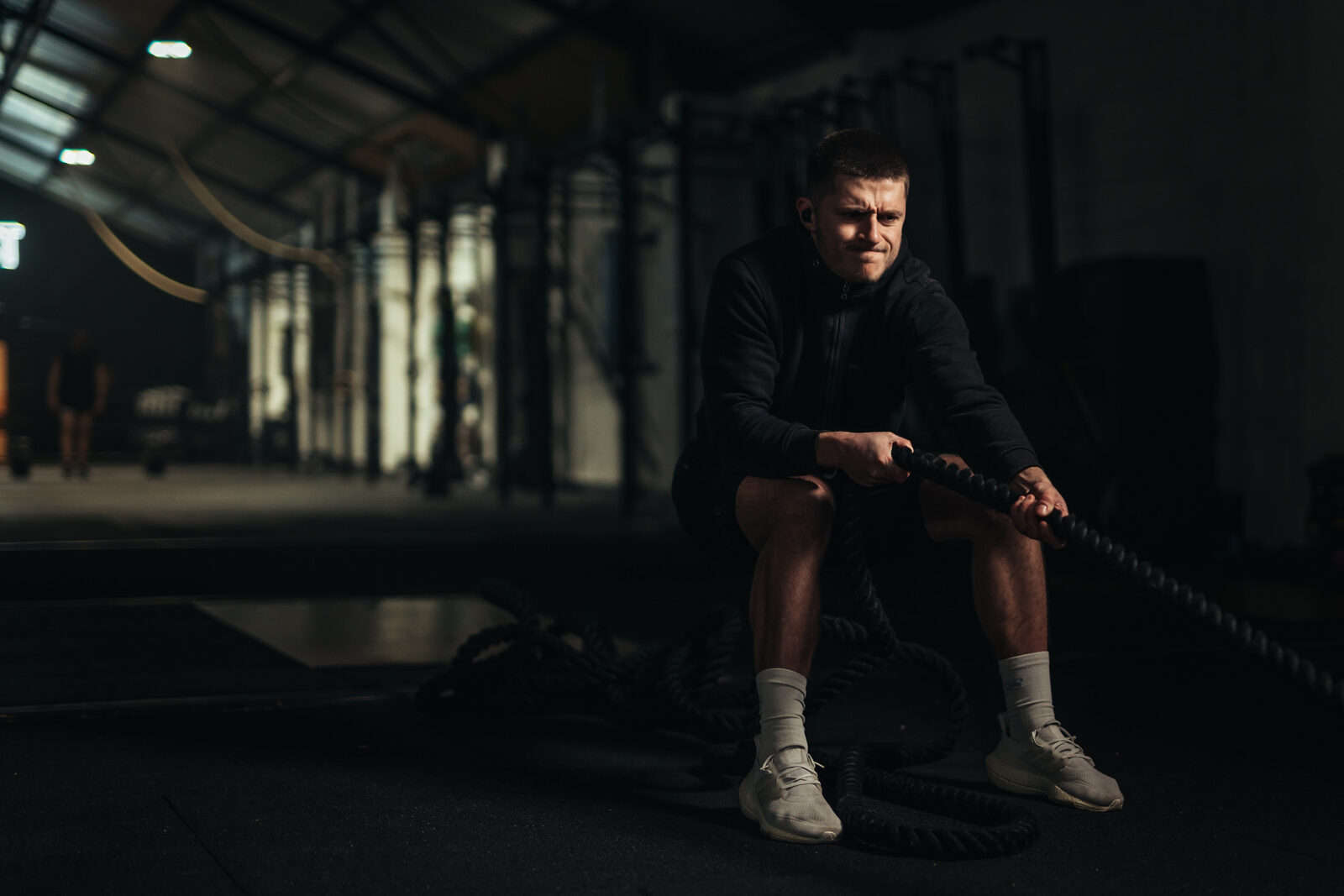
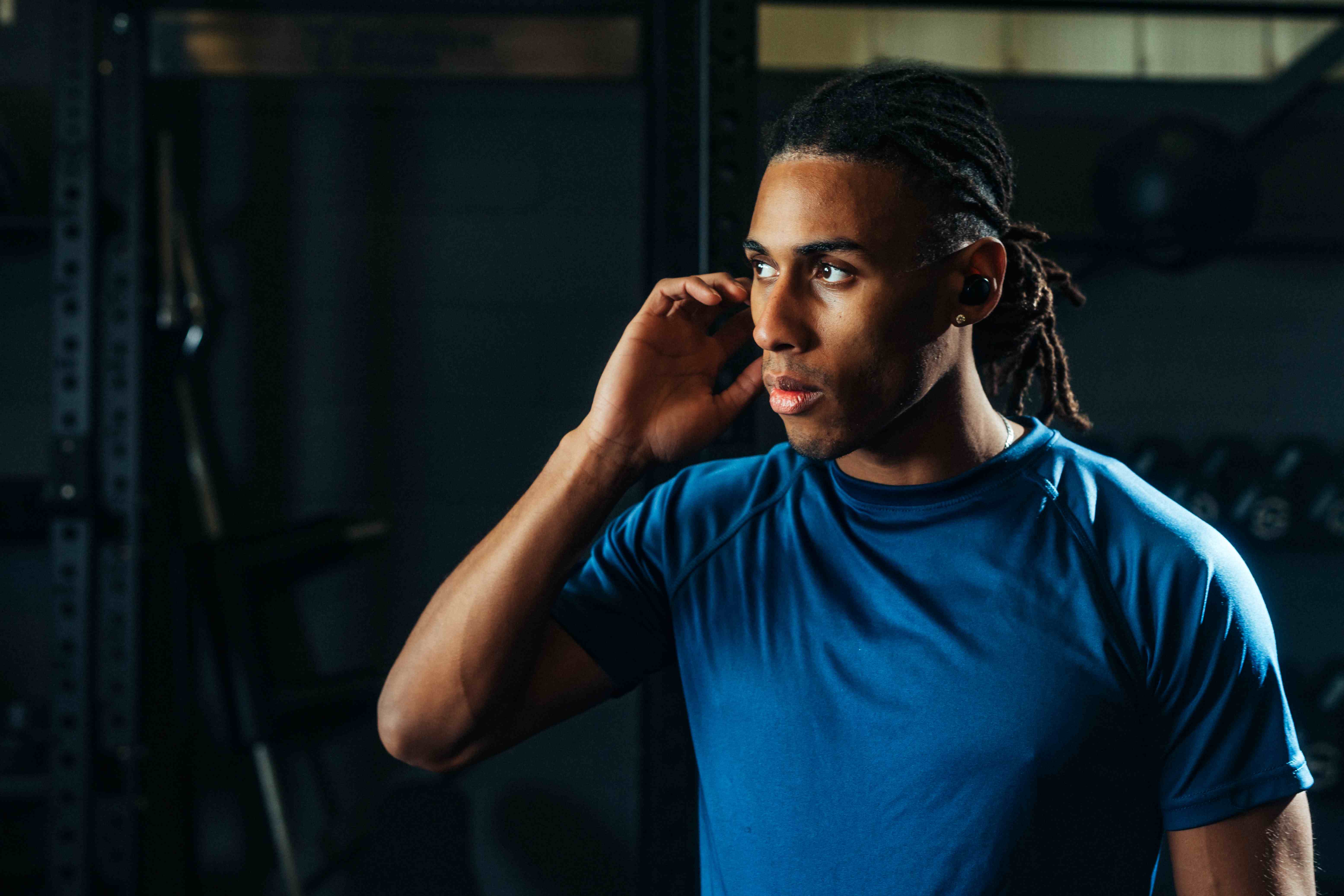
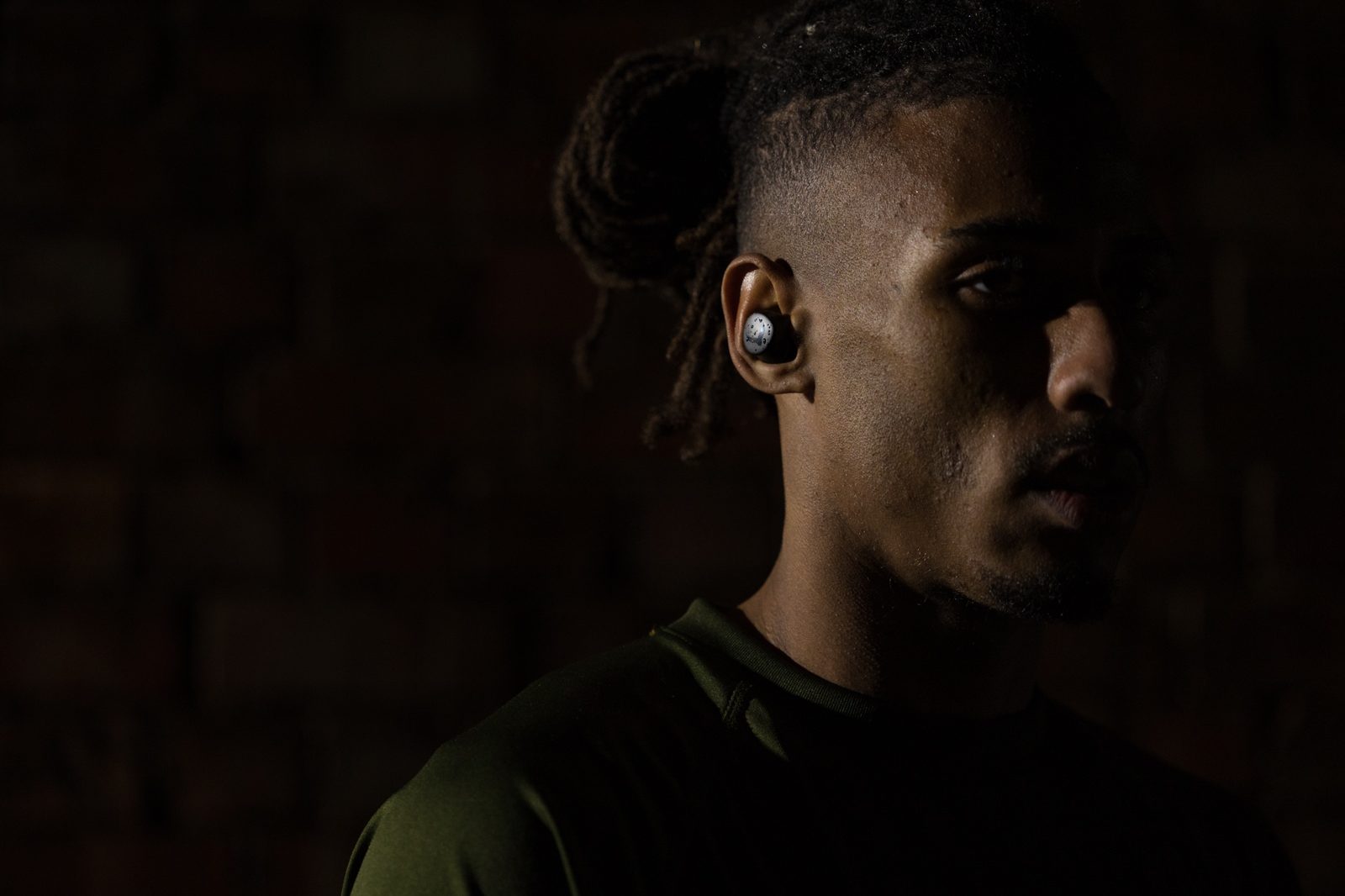
If you train with music outdoors, your earbuds have the hardest job of any kit you carry. They sit in a wet ear, collect sweat and rain at the same time, and get pulled out with cold fingers. Three things to check:
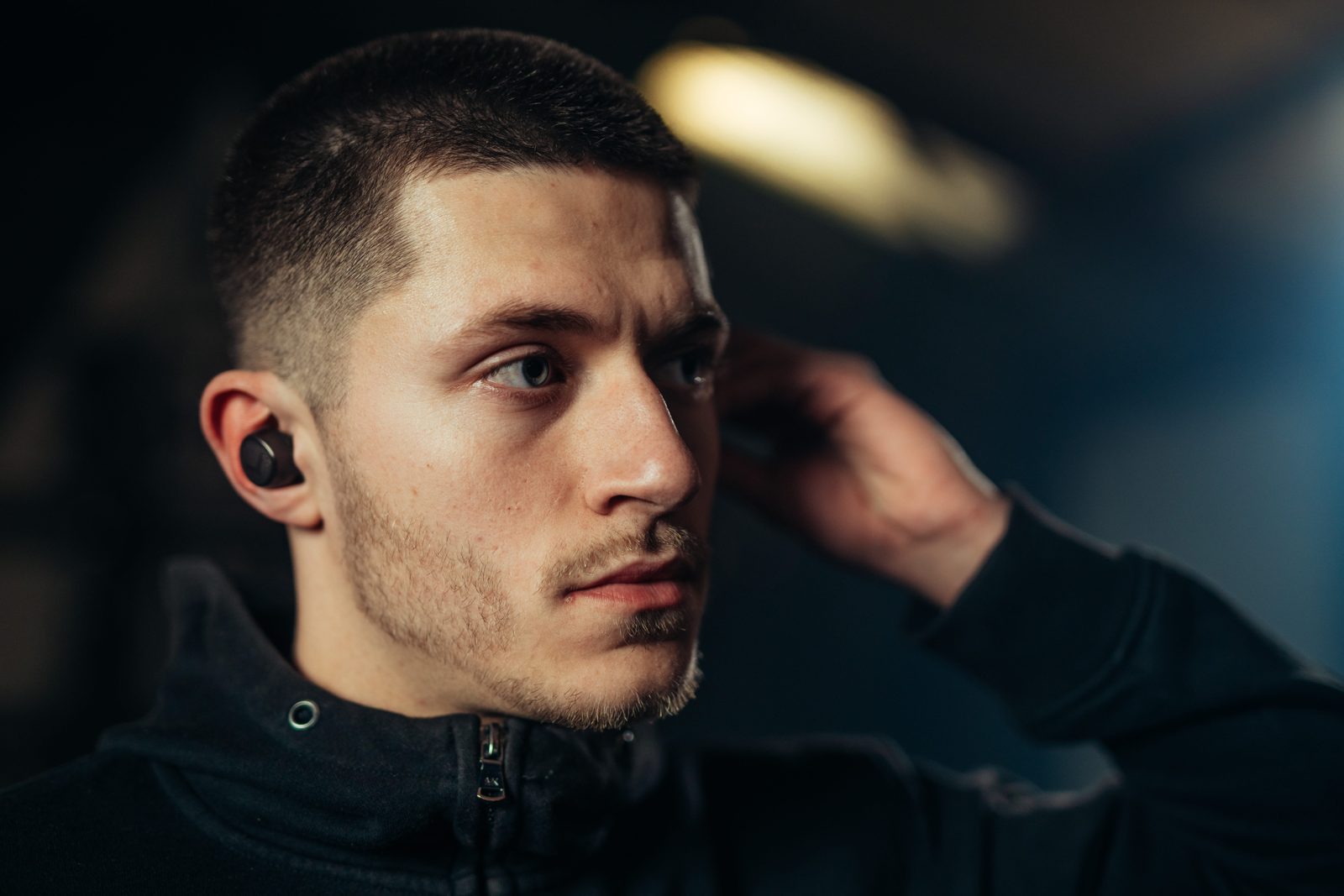
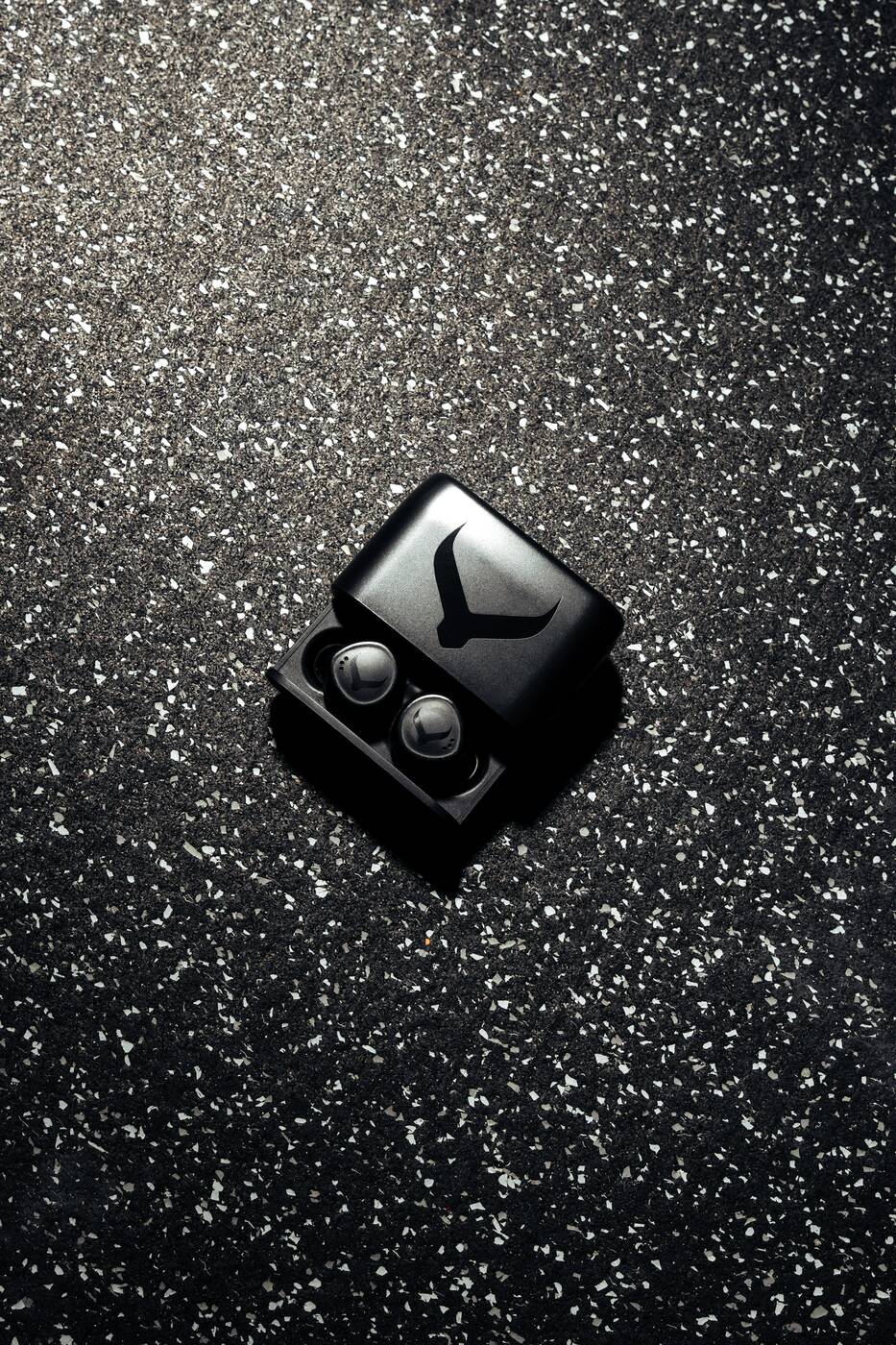
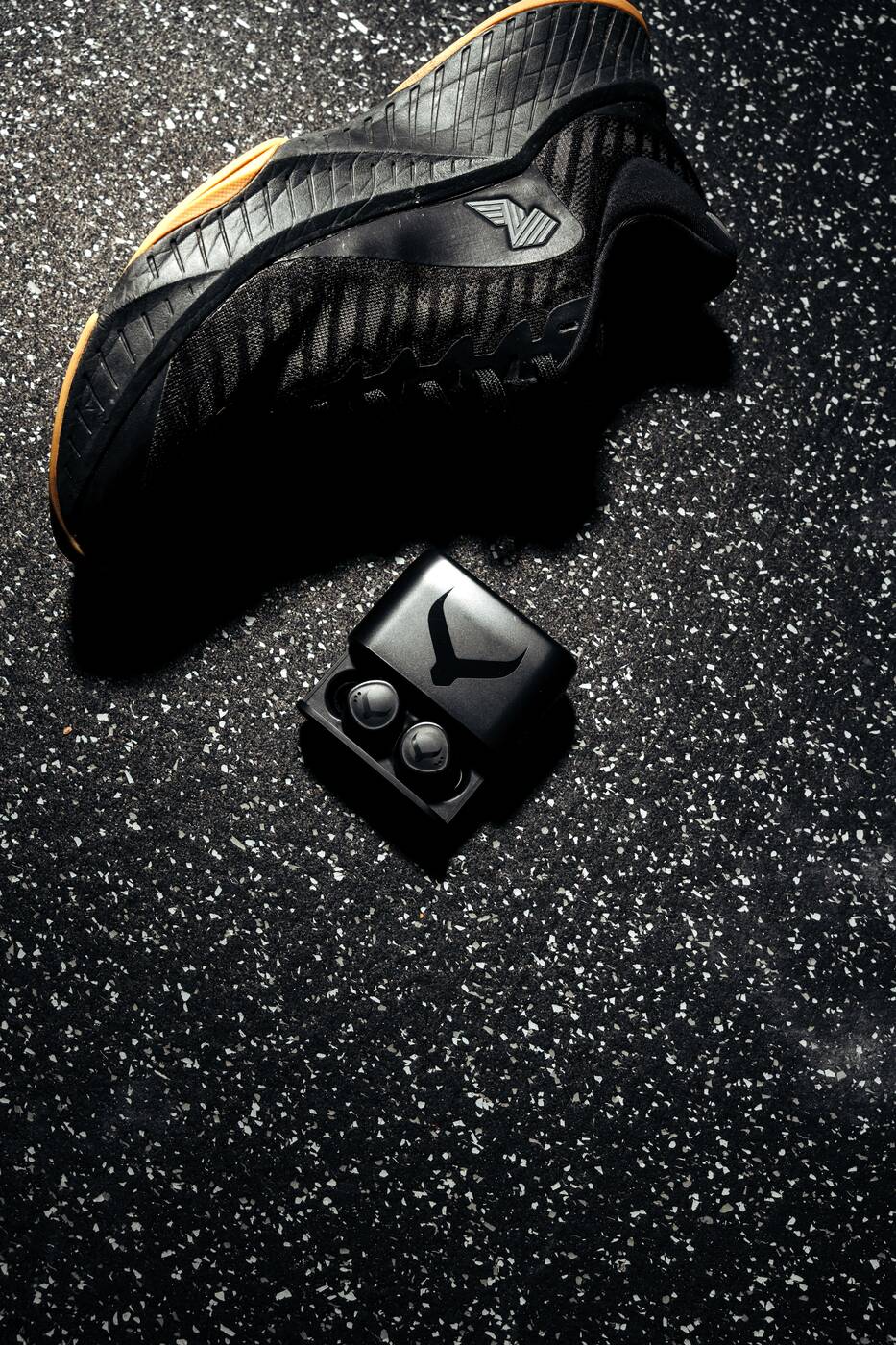
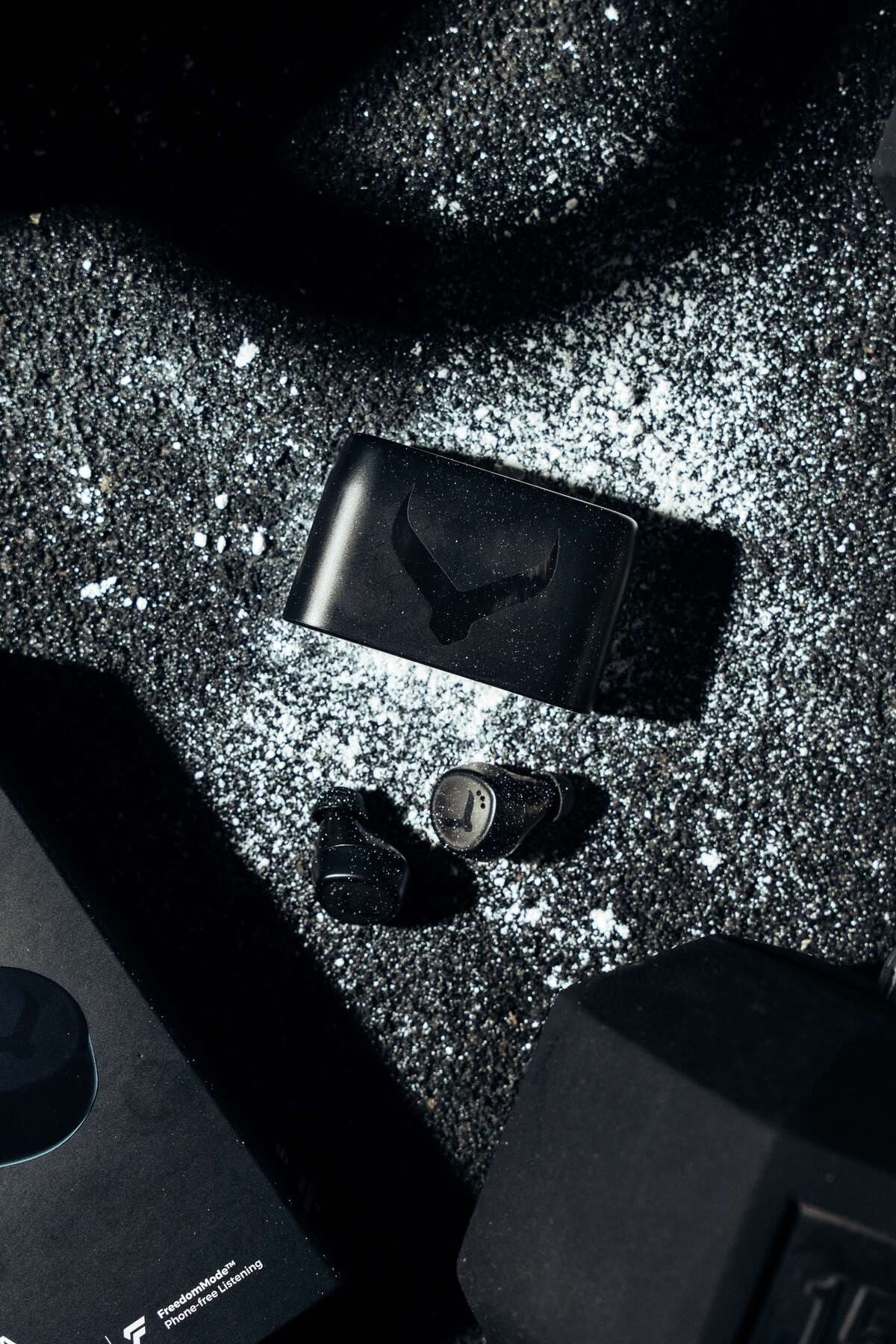
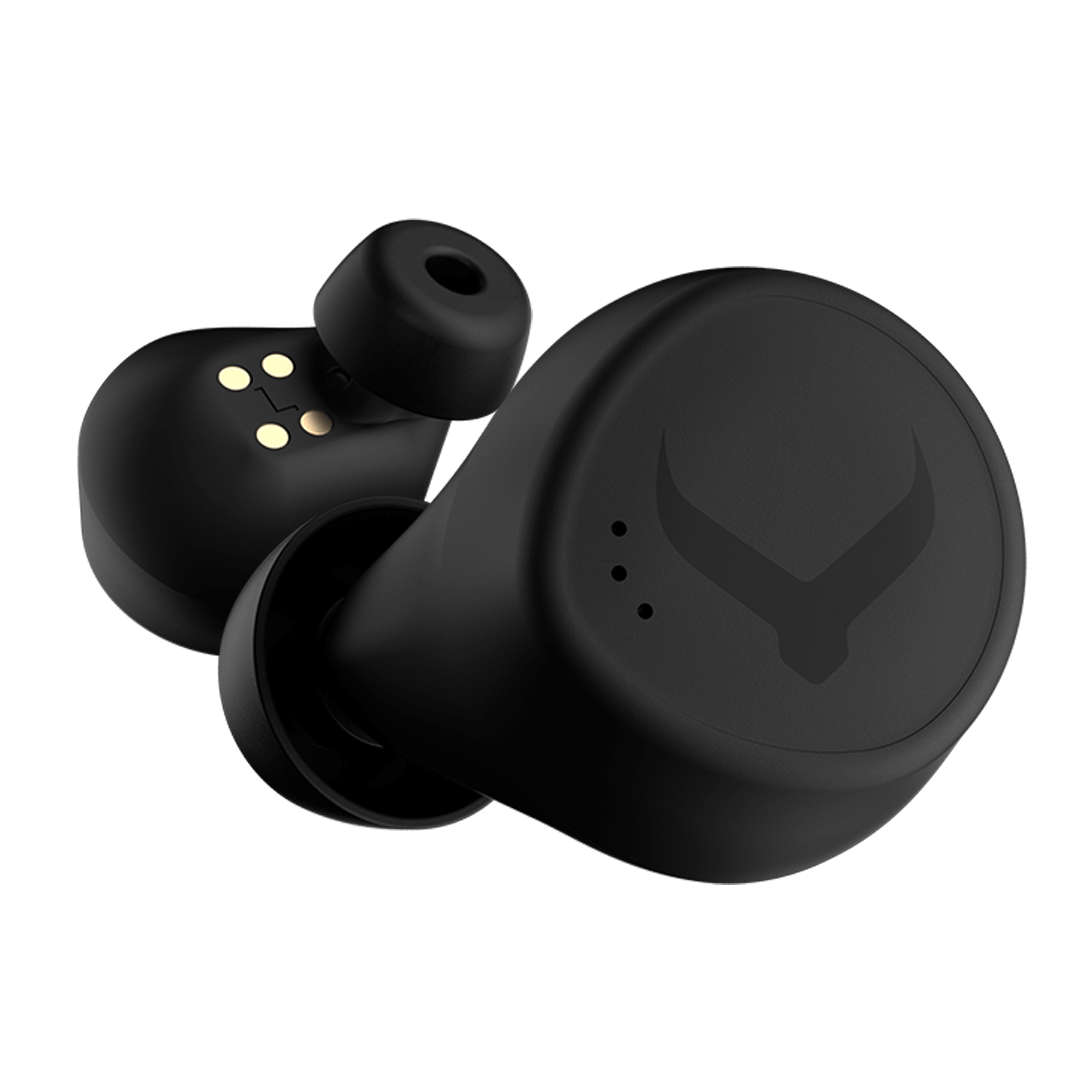
- Water rating. Look for a stated IP rating rather than words like "sweat resistant" on their own. Tzuka TZ7 Ultra earbuds are rated IP68 and waterproof to 2m.
- Fit with a hat or headband. Ear hooks and bulky stems can clash with a hat. A compact bud that sits inside the ear tends to work better under winter headwear.
- Awareness. On roads and shared paths you need to hear what is around you. Keep the volume low, or train with one bud in, on any route with traffic.
If you are comparing options for running specifically, our guide to the best earbuds for running goes through fit, battery and water resistance in more depth.
After the session
Winter sessions do not end when you stop moving. Get out of wet layers quickly, because your body temperature drops fast once you stop generating heat. A warm top and a hot drink in the car or by the door make it much easier to go out again tomorrow.
Look after your kit too. Hang jackets to dry rather than leaving them balled up in a bag. Wipe down electronics with a dry cloth and let them dry at room temperature before you put them back in a case or on charge. Rinse off mud and grit from shoes and let them dry slowly.
A simple winter kit checklist
- Synthetic or merino base layer
- Light windproof or waterproof jacket
- Thin gloves and a hat or headband
- Neck tube
- Shoes with grip for wet surfaces
- Reflective details and a small clip-on light
- Devices fully charged, with a water rating you trust
- Dry clothes and socks for afterwards
Sort this once, keep it in one place by the door, and the dark mornings stop being a reason to skip. If you want earbuds that are built for rain, sweat and serious training, take a look at the Tzuka TZ7 Ultra.
Introducing the ultimate workout earbuds.