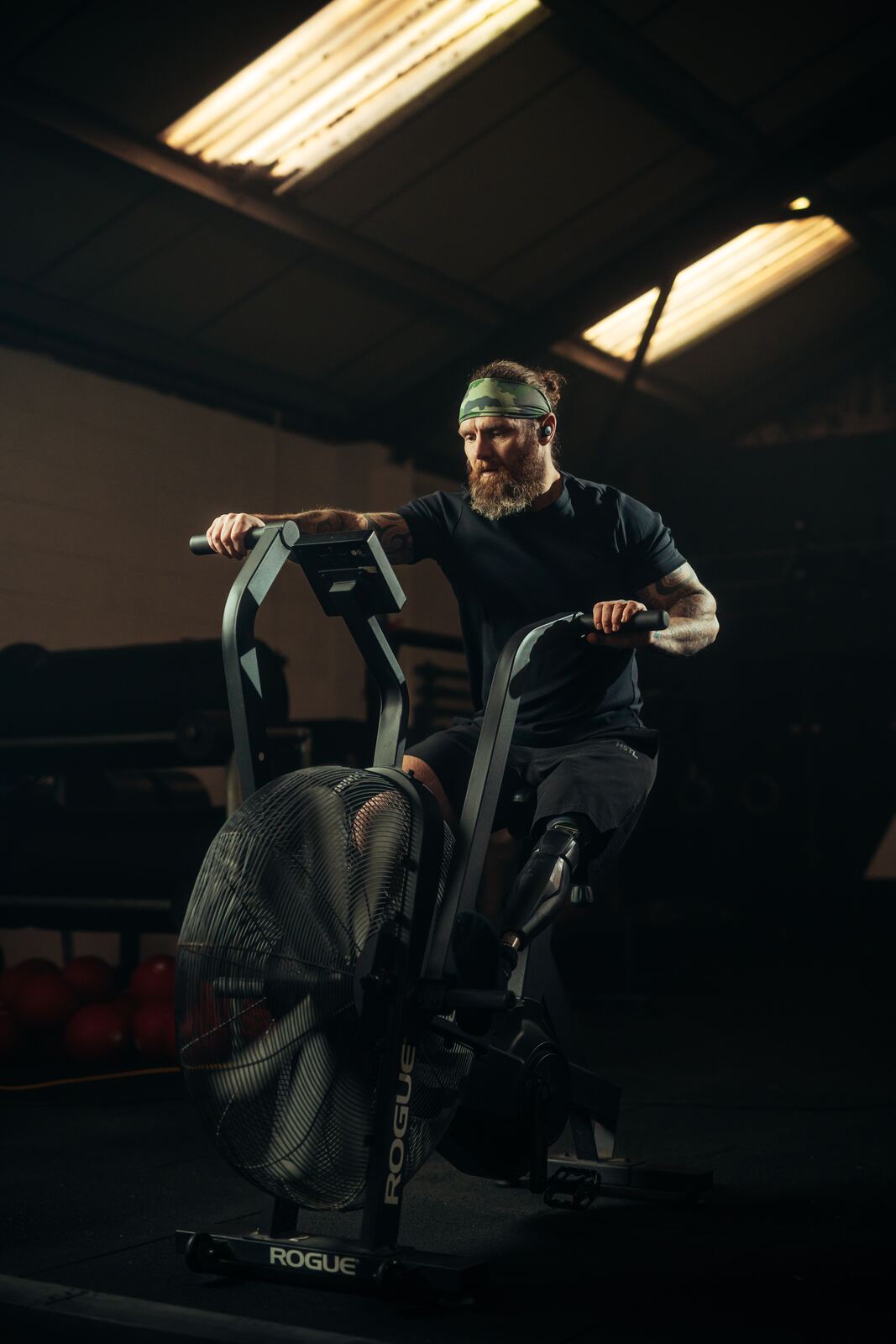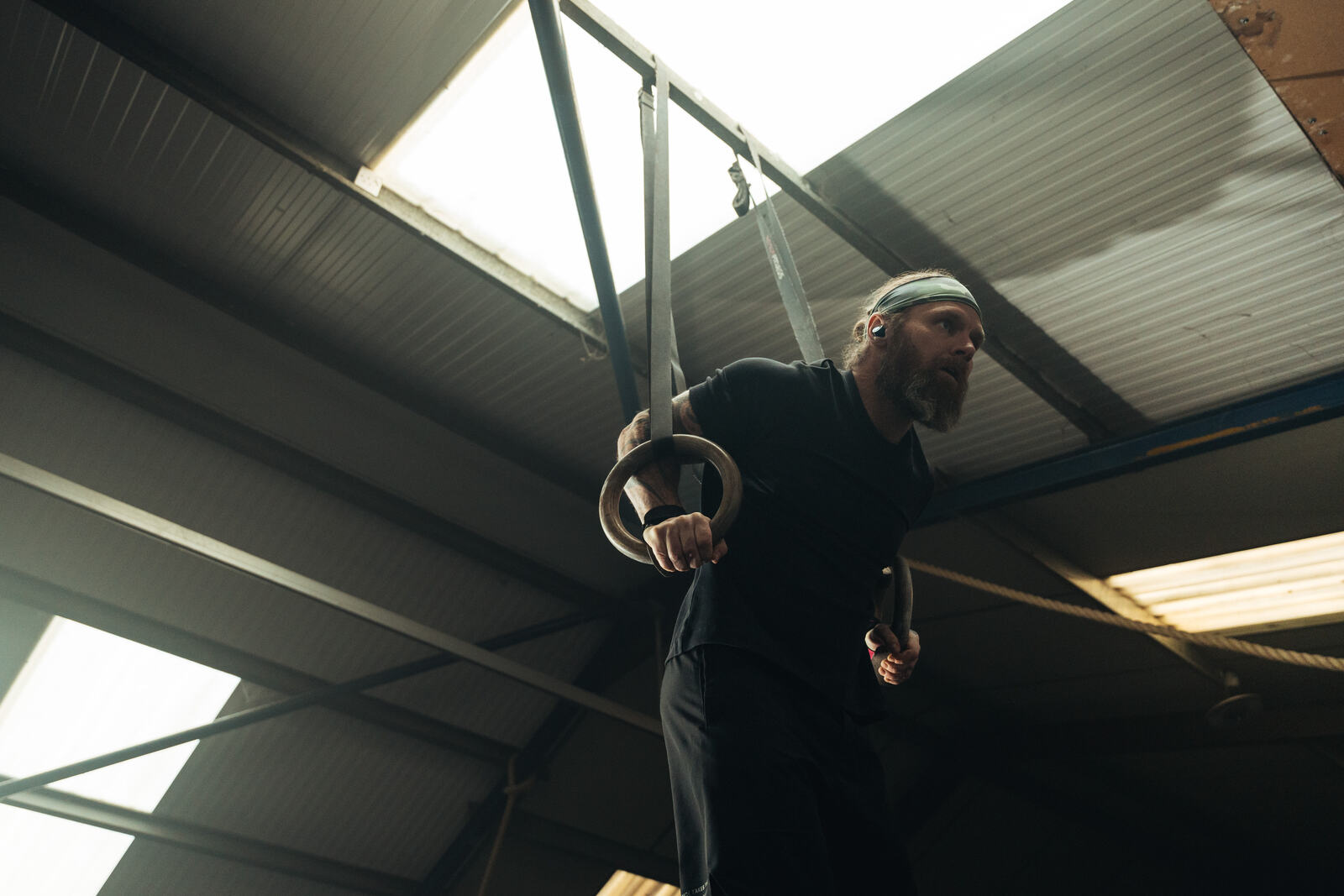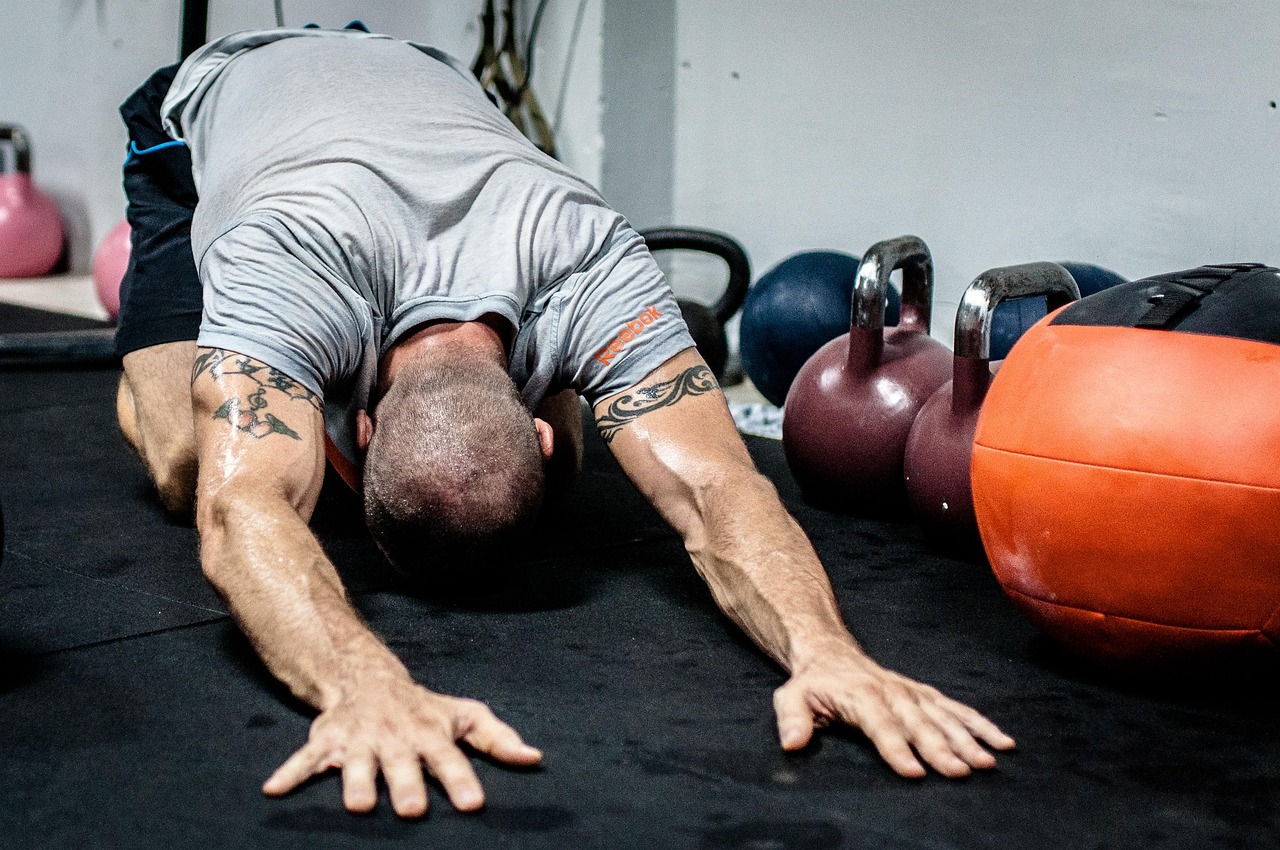

For the next few months, a lot of training happens in the dark. If you run before work, walk to the box at 6am or fit a session in after the school run, you are now sharing wet roads and unlit paths with traffic, cyclists and other people who also cannot see very well. Most winter training is perfectly safe. The bit that is not is usually about being seen, being aware and choosing the route.
This guide is about the safety side of outdoor winter training: how to be visible, how to stay aware of what is around you, and how to use music sensibly when you are outside. If you want the kit side, such as layering, gloves and shoes, our winter training kit guide covers that.
Be seen, not just bright
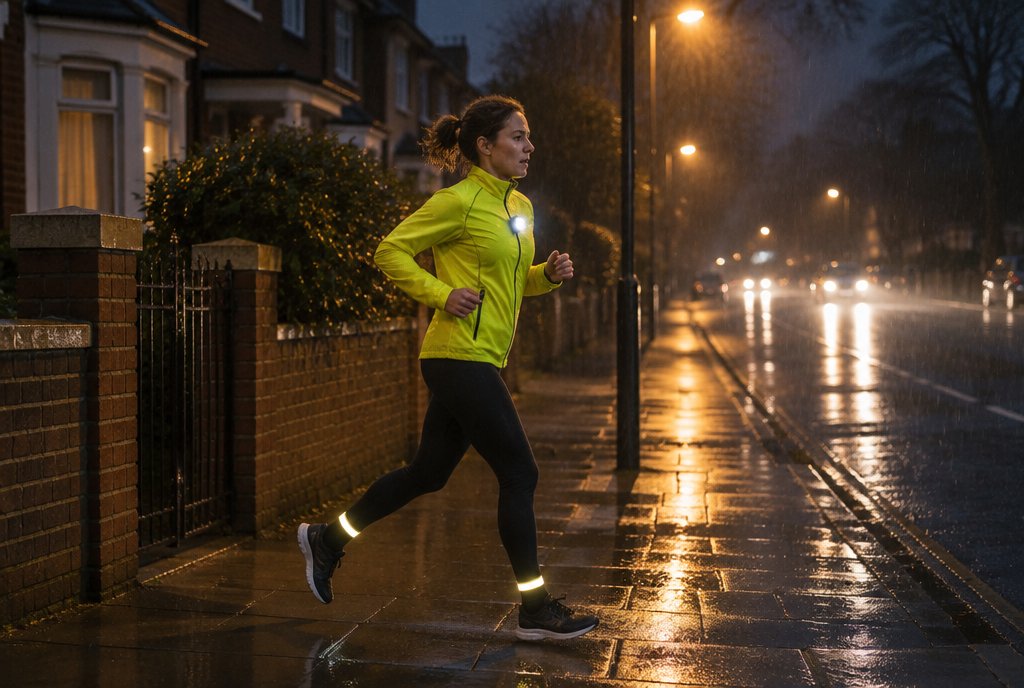
There is a difference between being bright and being visible. A neon top is very effective at dusk and in poor daylight, but in proper darkness, under headlights, it is reflective material that shows up. The two do different jobs and you want both.
The Highway Code rules for pedestrians say the same thing: wear or carry something light coloured, bright or fluorescent in poor daylight, and use reflective materials, such as armbands, sashes, waistcoats, jackets or footwear, when it is dark. A few practical points:
- Put reflectives on moving parts. Ankles and wrists move as you run, and drivers pick up that movement quickly. A reflective band on each ankle often does more than a reflective logo on your chest.
- Add a light. A small clip-on light at the front and a red one at the back costs very little. On unlit lanes, a head torch also helps you see the surface in front of you.
- Check your kit in a car's headlights. Ask someone to stand by a parked car with its lights on and look at you from twenty metres away. It is the quickest way to find out what actually shows up.
Choose the route for the season
The route that is perfect in July may not be the right choice in November. In winter, favour roads and paths with street lighting and pavements, and save the unlit country lanes for weekend daylight.
If there is no pavement, the Highway Code advises walking on the right-hand side of the road so you face oncoming traffic, and crossing to the other side before a sharp right-hand bend so traffic can see you. That applies to runners too.
Watch out for surfaces. Wet leaves, painted road markings, metal drain covers and smooth paving slabs are all slippery when wet. Slow down on corners and on downhill sections, and pick a shoe with good grip rather than maximum cushioning.
Shared paths need a little extra thought in the dark. Cyclists on canal towpaths and park paths may not have strong lights, and you will often hear a bike before you see it. Keep to one side, and avoid sudden changes of direction without a quick look over your shoulder.
Shorter loops are also useful in winter. Running two or three laps of a lit 2km route close to home means you are never far from shelter if the weather turns, and someone at home knows roughly where you are.
Tell someone and carry the basics
Training alone in the dark is common and usually fine, but a few habits make it safer:
- Tell someone your route and roughly when you expect to be back.
- Carry a way to contact someone and some form of identification.
- Vary your route and timing if you regularly train alone.
- Trust your instincts. If a stretch of path feels wrong, take a different way.
Some people like to train without a phone, so they can focus on the session rather than notifications. If you do, make sure someone knows your route, and consider training on a familiar lit loop close to home. We wrote about the benefits of putting the phone away in how to train without your phone.
Music and awareness outdoors
Music makes dark, wet sessions easier to start and easier to finish. It can also make it harder to hear a car pulling out of a drive or a cyclist coming up behind you on a shared path. The answer is not necessarily to ditch the music, but to use it in a way that leaves room for the world around you.
- Keep the volume low. If you cannot hear your own footsteps, it is too loud for the road.
- Use one earbud on busy routes. Leave the ear nearest the traffic free.
- Use any awareness setting your earbuds have. Many earbuds have a mode that lets outside sound in. If yours do, use it on the road and save full isolation for the gym or the track.
- Pause at junctions. Take the music down or pause it when you cross roads. It takes a second.
- Skip the playlist on the worst routes. On a narrow unlit lane with no pavement, your ears are part of your safety kit.
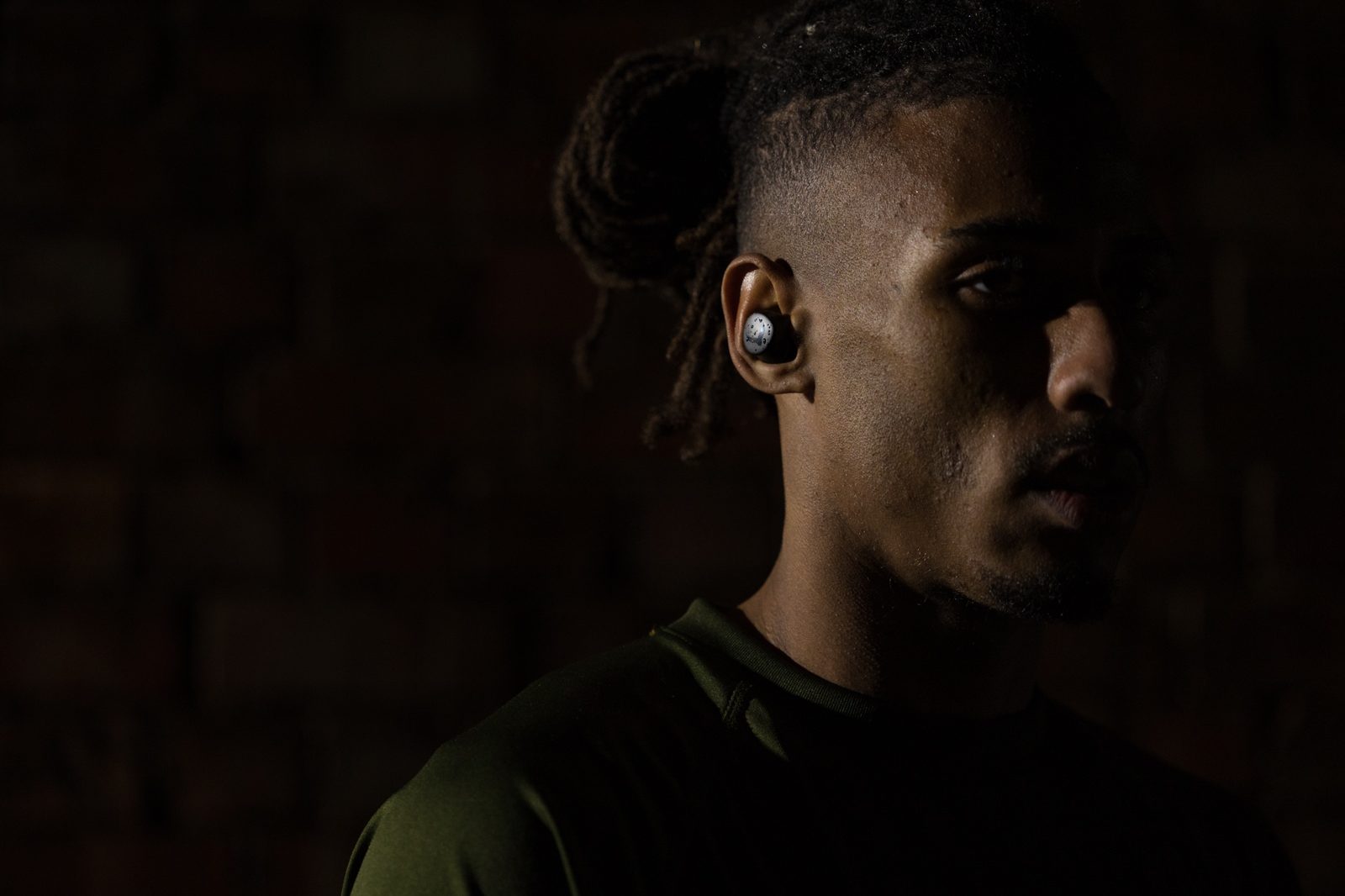
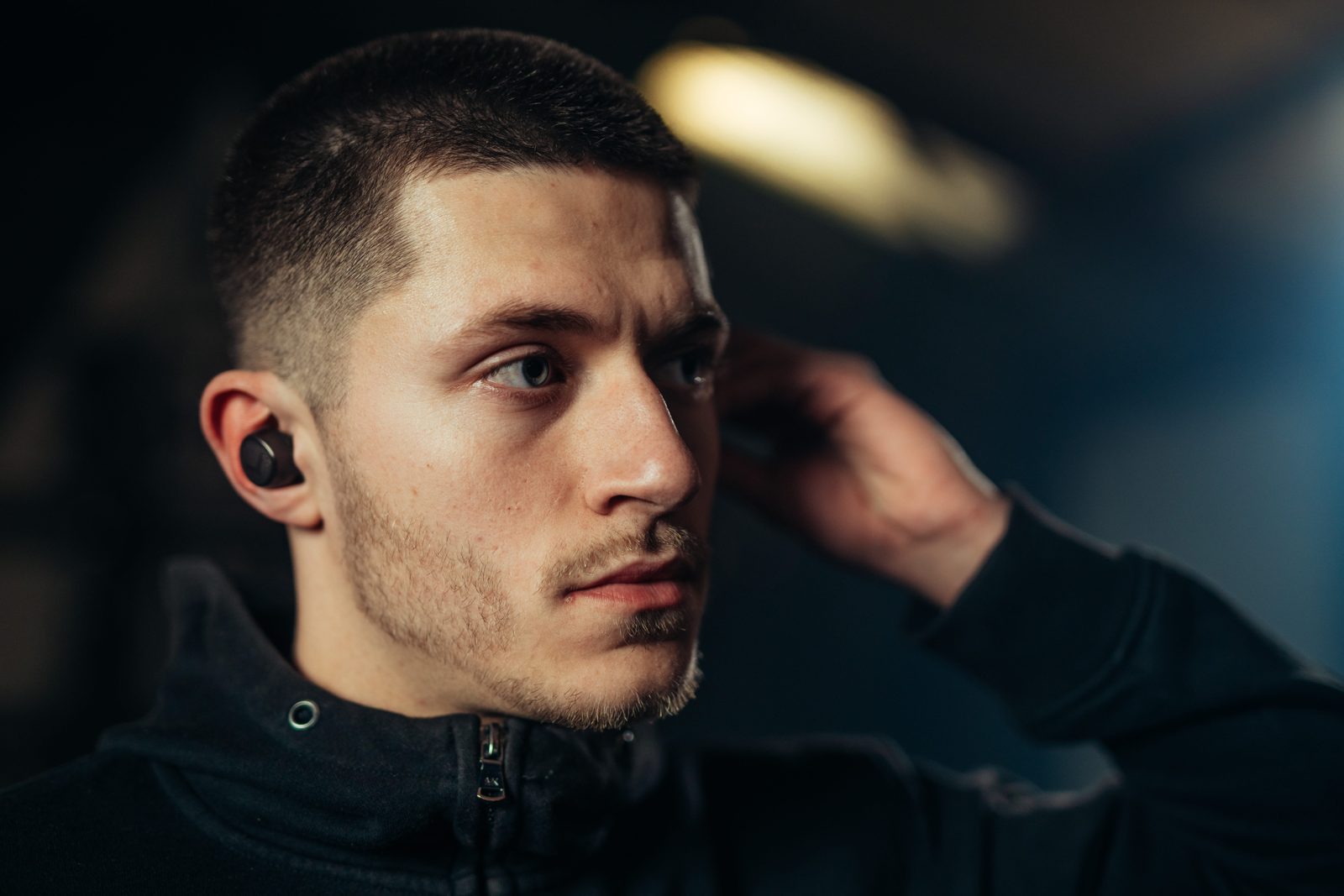
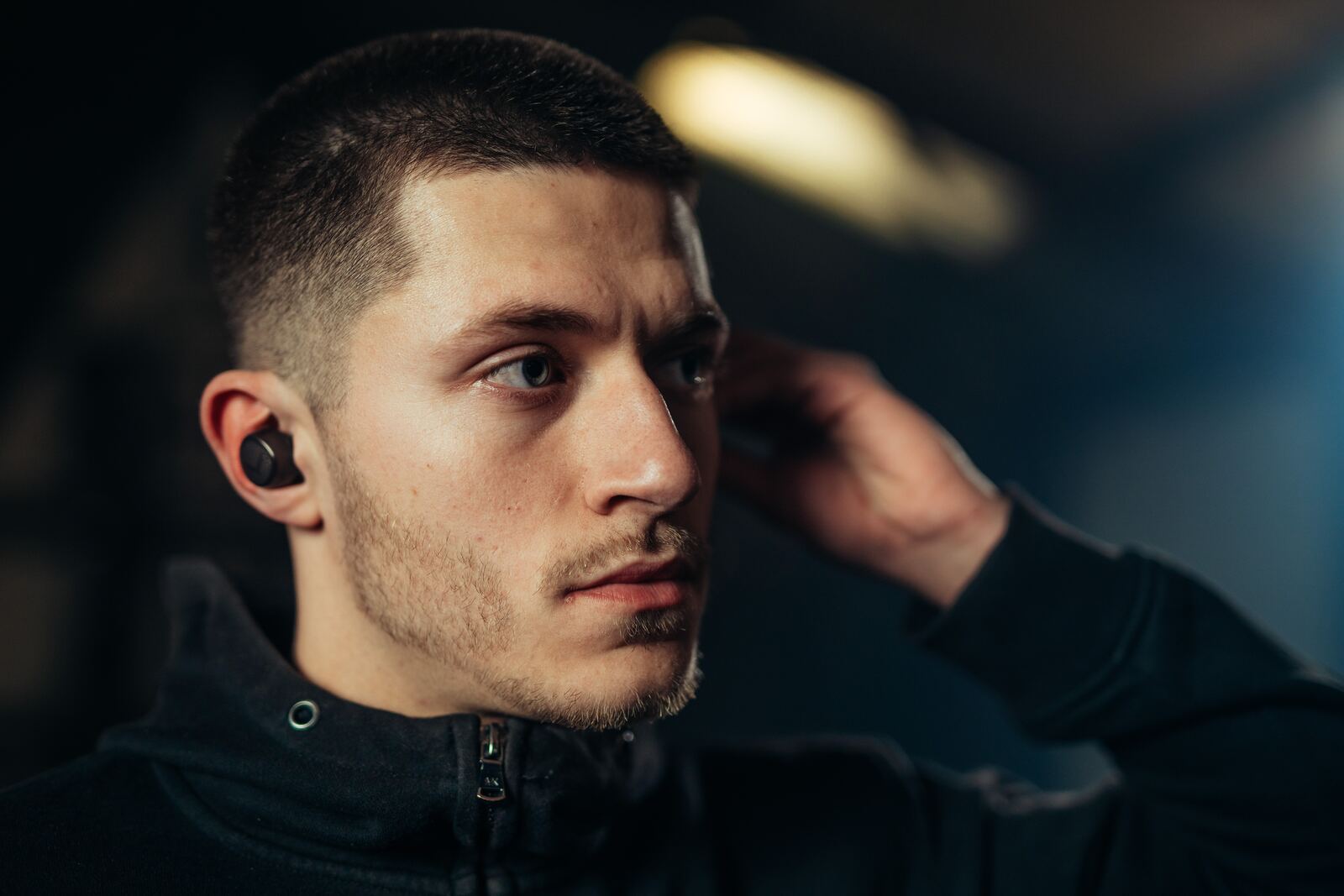
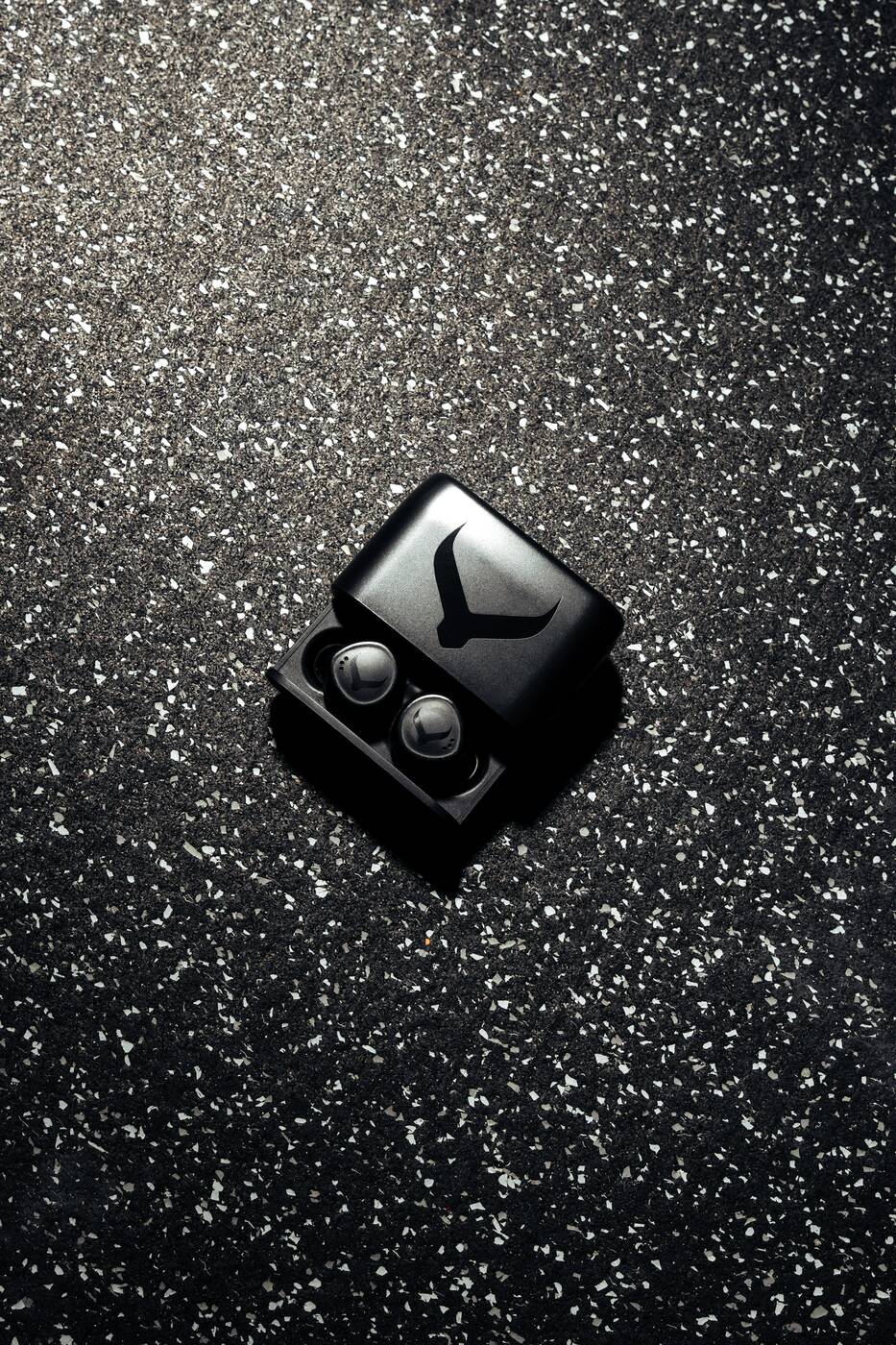
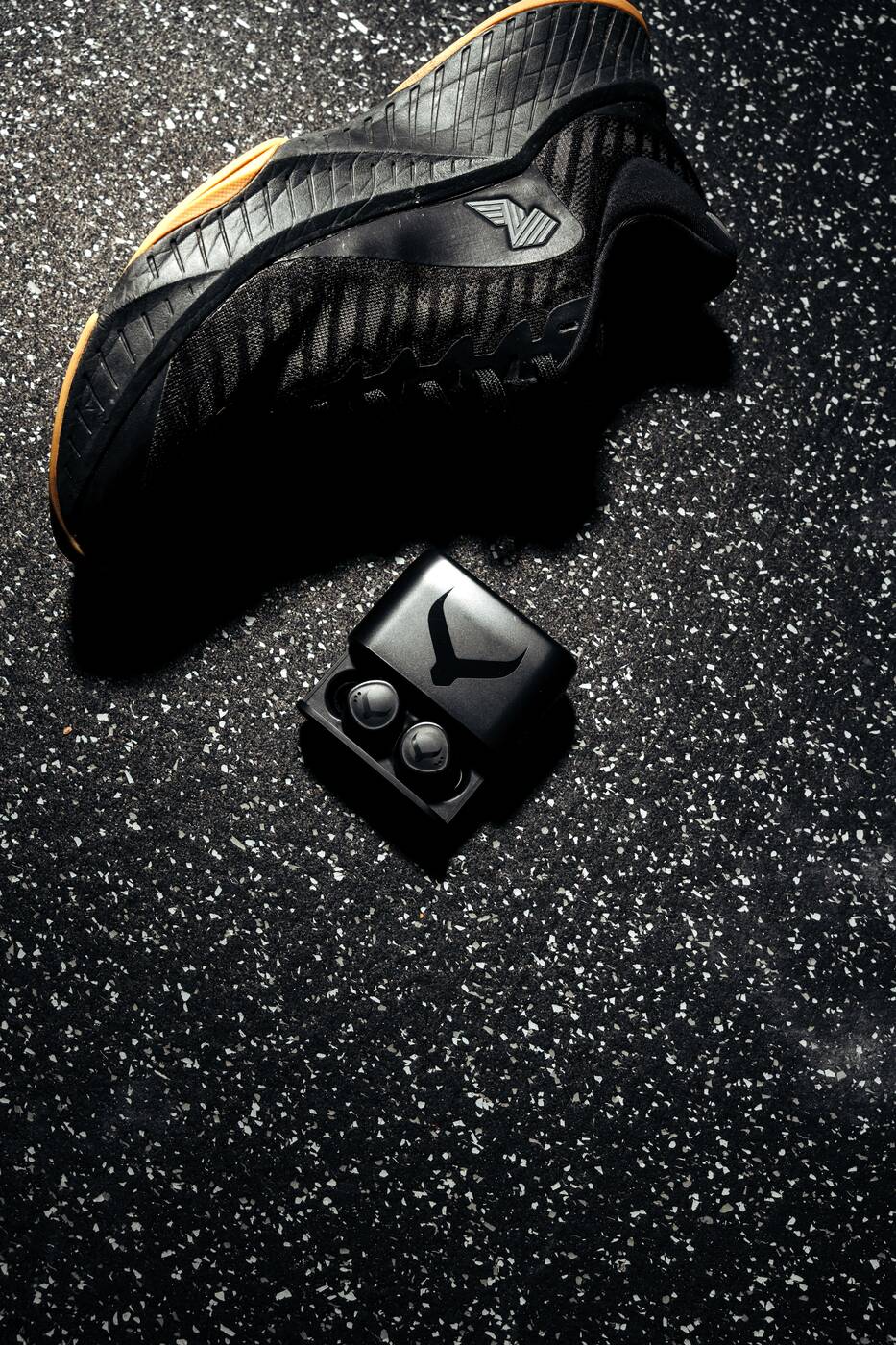
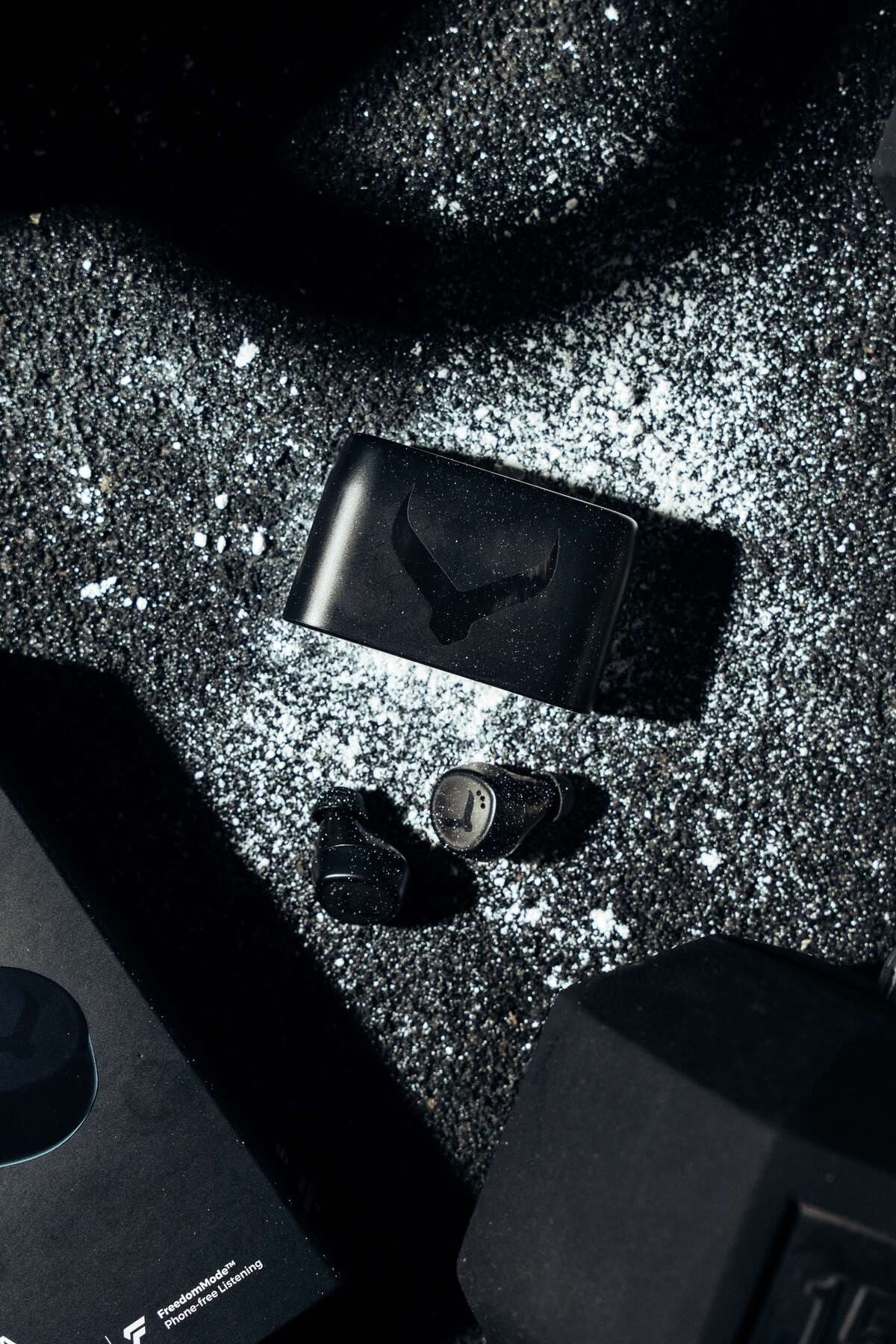
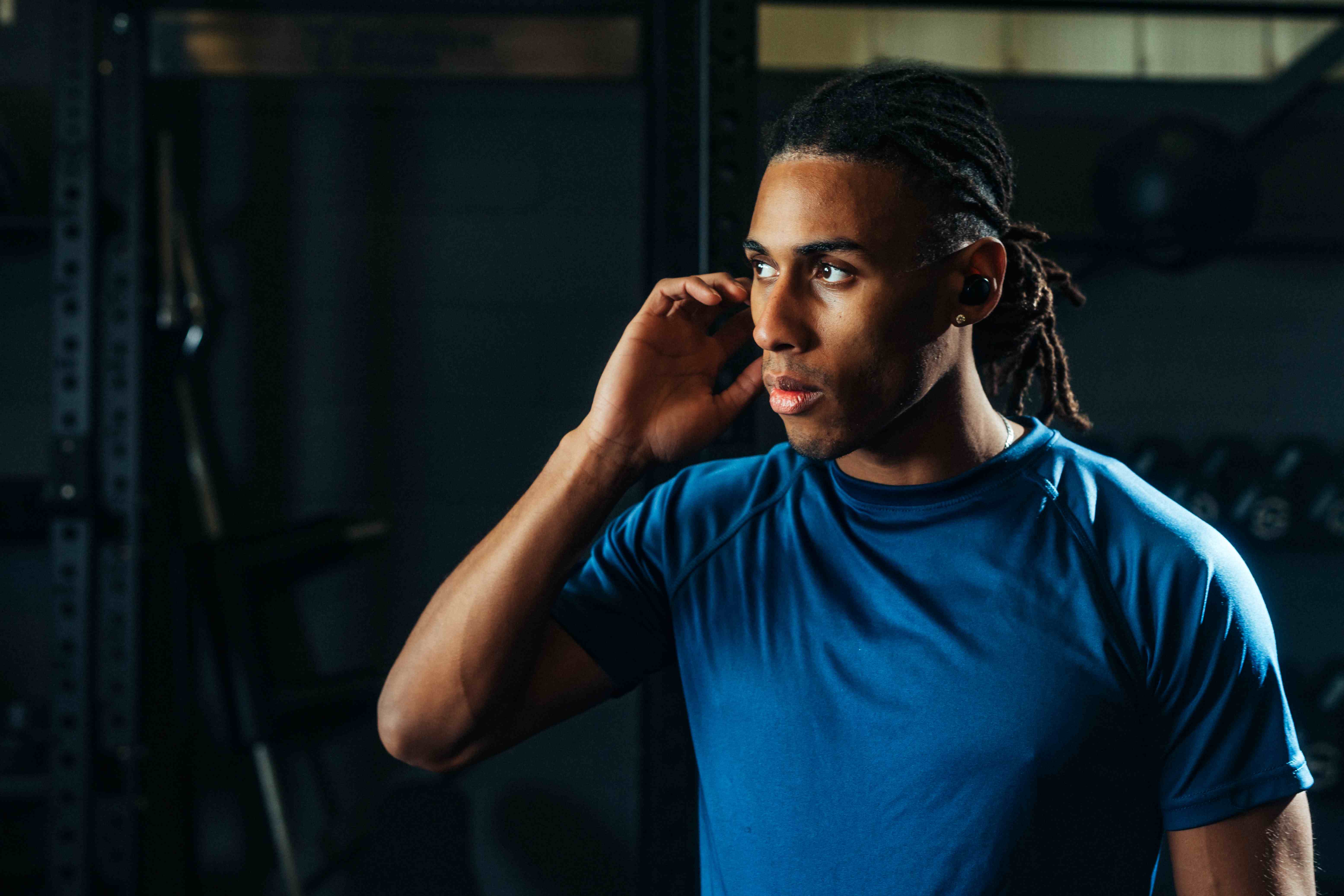
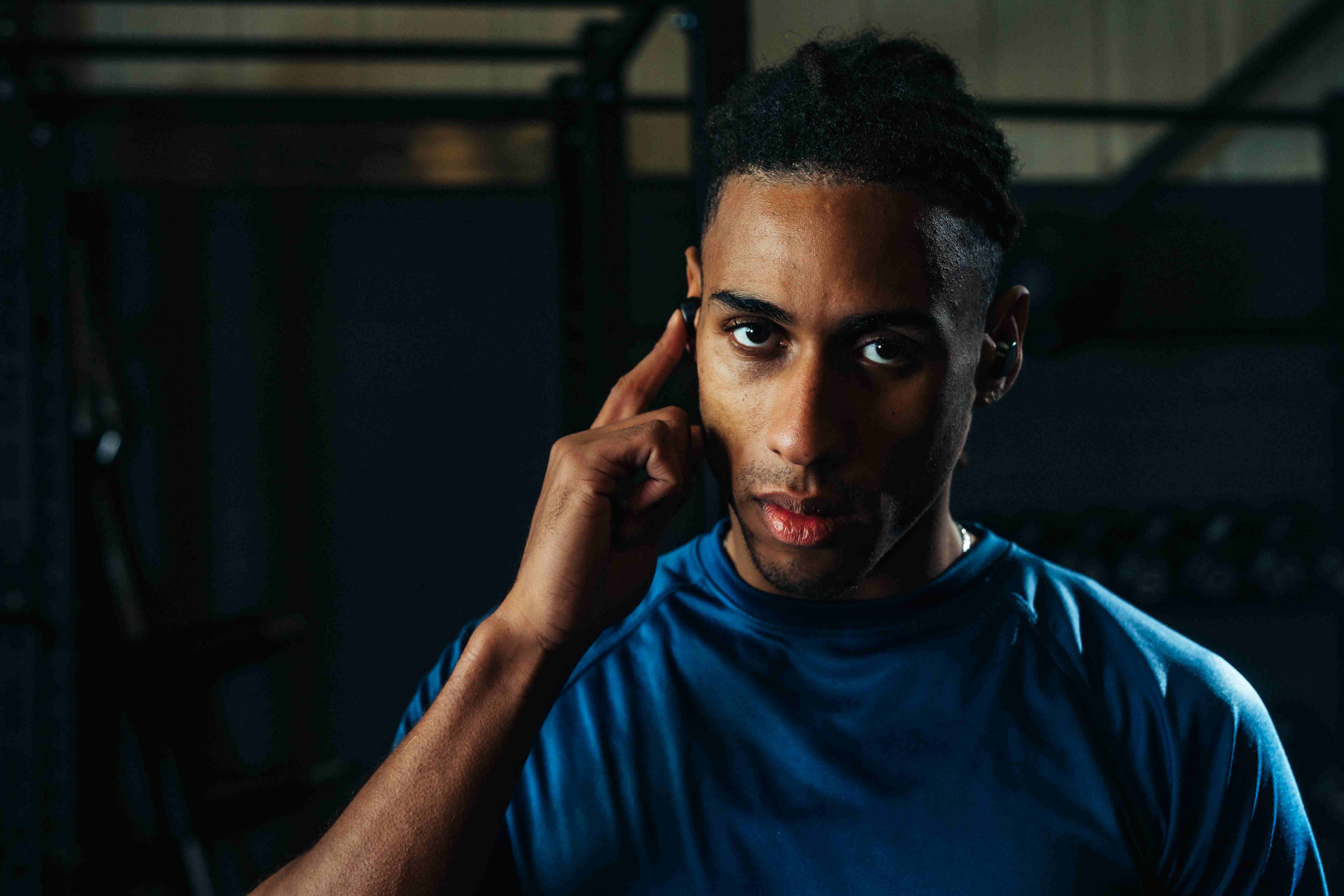
Rain adds one more thing to think about. Wet earbuds and cold fingers are a poor mix, so it helps to set your playlist and volume before you leave rather than fiddling with them mid-run. If you train outdoors through the winter, it is also worth knowing how well your earbuds handle water. Tzuka TZ7 Ultra earbuds are rated IP68 and waterproof to 2m, which means rain and sweat are not a reason to leave them at home.

Cold, wet and how your body responds
Cold muscles take longer to get going. A thorough warm-up indoors, such as five minutes of mobility, skips and some build-up strides on the spot, means you start the outdoor part already warm and less likely to pull something on the first hill.
Wet and windy conditions also change how hard a session feels. Running into a headwind in the rain costs more effort for the same pace, so judge winter sessions by effort or heart rate rather than splits. Easy runs should still feel easy, even if they look slower on paper.
Once you stop, you cool down quickly. Have dry clothes ready and get changed as soon as you can. If you drive to a session, keep a warm top and a dry pair of socks in the car.
Know when to move indoors
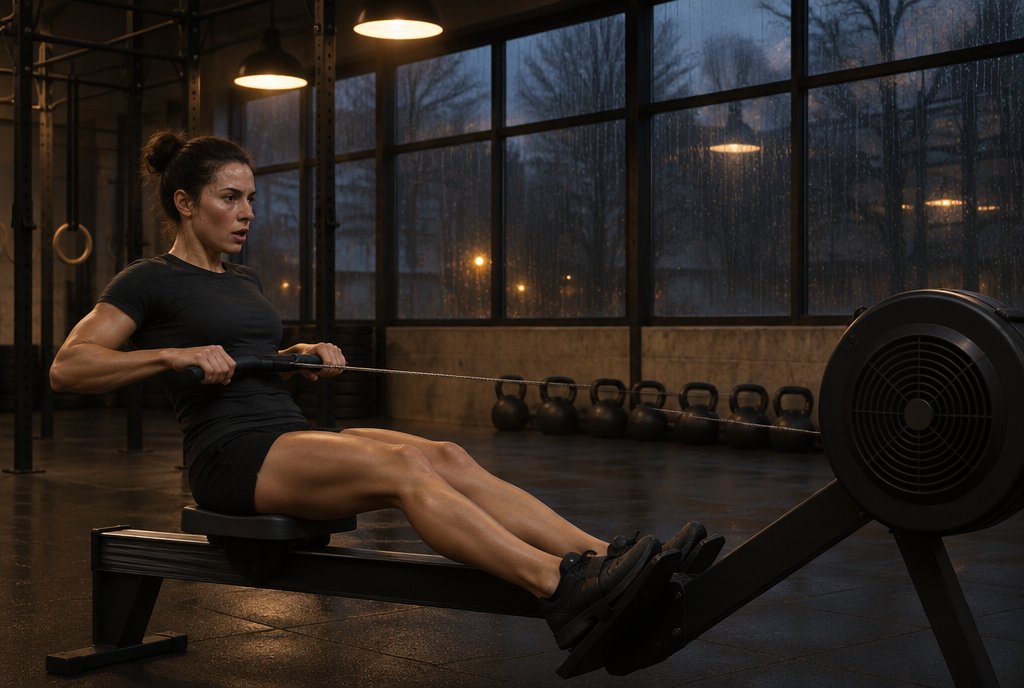
Some days are not worth it. Ice on pavements, high winds, heavy fog on unlit roads or a storm warning are all good reasons to swap the outdoor session for the treadmill, the rower or the box. Missing one run is a much smaller setback than a fall.
If you train for hybrid events, winter is also a good time to move some running volume indoors and focus on the stations. Our hybrid athlete training guide covers how to balance running and strength work across a training block.
A quick pre-session safety check
- Reflective details on ankles or wrists, plus a light
- Lit route with pavements, or a short familiar loop
- Someone knows where you are going
- Shoes with grip for wet surfaces
- Volume low, or one earbud in near traffic
- Warm-up done indoors
- Dry kit ready for afterwards
Get these right and the dark months become some of the most consistent training of the year. If you want earbuds built for wet, sweaty, high-effort sessions, have a look at the Tzuka TZ7 Ultra.

Introducing the ultimate workout earbuds.