Gym earbuds live a harder life than almost anything else you own. They are soaked in sweat several times a week, dropped on rubber floors, knocked out by barbells and skipping ropes, and stuffed into bags next to wet towels. So when a pair stops working, the warranty matters more than it would for a pair you only wear on the train.
The problem is that most warranties are written for the train. This guide explains what UK law already gives you, what the main brands' own warranties say about the kinds of damage a gym causes, and how to make a claim that has a fair chance of succeeding. Brand terms were checked on each company's own website in November 2026. Terms change, so always read the current version before you buy.
Start with your legal rights, not the warranty
In the UK, a manufacturer's warranty sits on top of your statutory rights. It does not replace them. Under the Consumer Rights Act 2015, goods must be of satisfactory quality, fit for purpose and as described, and your claim for faulty goods is against the retailer that sold them to you, not the brand.
The key time limits are worth knowing:
- The first 30 days. If a product is faulty, you can reject it and ask for a full refund.
- Up to six months. If a fault appears, it is assumed to have been there when you bought it unless the retailer can show otherwise. You are entitled to a repair or replacement first, and a refund or price reduction if that fails.
- After six months. You can still claim, but you may need to show the fault was there from the start, or that the product did not last as long as it reasonably should.
- Up to six years in England and Wales (five in Scotland) is the outer limit for bringing a claim.
Citizens Advice has a clear guide to returning faulty goods, and the full text of the Consumer Rights Act 2015 is on legislation.gov.uk. Apple's own UK AppleCare page also reminds buyers that under English law consumers have up to six years from delivery to exercise their rights.
The catch for athletes is the word "fault". Statutory rights cover goods that were not up to standard. They do not cover damage you caused, and a dropped earbud that cracks on a concrete floor is usually treated as damage, not a fault.
Defect or damage: the line every claim turns on
Almost every earbud warranty draws the same line. A defect, such as a bud that stops charging, a battery that fails early or a connection that drops for no reason, is covered. Accidental damage, such as a crushed case, a cracked shell or a bud that went through the washing machine, is not.
That line matters more in the gym than anywhere else, because so much of what kills gym earbuds sits on the damage side of it. Impacts are the obvious one. Sweat is the grey area: it is not an accident in any normal sense, but it can still be argued to be outside the conditions a product was designed for, particularly if the product carries a modest water rating or none at all.
So before comparing warranty lengths, ask a simpler question: will the most likely way this pair fails for me be treated as a defect or as damage?

What the main brands say
Here is what each brand's own pages said when we checked in November 2026. We quote the wording where we could find it, and say clearly where we could not.
Apple AirPods and Beats
Apple's standard warranty for AirPods and Beats lasts one year from purchase. Apple's Beats service page states plainly that its warranty "doesn't cover accidental damage or batteries that wear down from normal use."
For accidental damage Apple sells AppleCare+. On the Apple UK store, AppleCare+ for Headphones (AirPods) was listed at £29, offering "unlimited incidents of accidental damage protection, each subject to a fee." Coverage begins on the date you buy AppleCare+. If you train hard in AirPods or Powerbeats, that add-on is the part that actually protects you against the gym, so budget for it and for the per-incident fee.
Shokz
Shokz's UK warranty policy says the standard period is two years for new products in most countries and regions, in addition to your statutory rights. It excludes damage from "improper use or maintenance, normal wear and tear, commercial use, accident, loss, theft, or any other external causes". The same page notes that Shokz is currently unable to offer repairs, so a successful claim means a replacement rather than a fix.
JLab
JLab's warranty page gives Bluetooth products a two year limited warranty from delivery, even if the box says one year. Its terms list exposure to extreme heat, liquids, sand or other contaminants among the grounds on which JLab can deny a claim, and they also exclude neglect, misuse or abuse.
Other brands
We could not confirm current warranty wording for every brand from its own pages, so we have left those out rather than guess. If a brand is on your shortlist, find its warranty page and search it for three words: "accident", "liquid" and "battery".
Sweat, water and the IP rating
An IP rating tells you what a product was tested to withstand. The second digit covers water: 4 means splashes from any direction, 7 means temporary immersion, and 8 means continuous immersion beyond 1m under conditions the manufacturer specifies. The first digit covers dust, with 6 meaning dust tight. We explain the scale in more detail in Waterproof Earbuds for Training: IP68 vs IPX7 Explained.
Two things follow for warranty claims. First, a higher rating makes it easier to argue that a pair which failed after normal sweaty training had a defect, because it was built and tested for far worse. Second, a rating describes a new product in test conditions. Seals can age, and many brands are careful to say liquid damage is not automatically covered. Read the rating and the warranty together, not separately.
Sweat is also chemically harsher than tap water. Salt residue dries into grilles and charging contacts, which is why cleaning matters as much as the rating. For a wider look at which pairs hold up to that kind of use, read our guide to the best durable earbuds for sport.
Impact damage is almost never covered
If your earbuds tend to die by being dropped, kicked or knocked off a bench, assume the standard warranty will not help. Impact is the textbook example of accidental damage. Your options are an accidental damage plan from the brand, if one exists, insurance that names your earbuds, or simply choosing a pair whose design gives it a better chance of surviving the knock in the first place.
That last point is the one most buyers skip. A long warranty on a fragile product only helps with the failures it was never going to have. For a full look at why pairs break and what reduces the risk, read Why Your Earbuds Keep Breaking (And What to Do About It).
How to make a claim that succeeds
- Keep proof of purchase. Save the email receipt in a folder you can find. Note the retailer, because your statutory claim is with them.
- Register the product if the brand offers registration. Some brands use it to confirm the start date.
- Describe the fault, not the story. "The left bud no longer charges in the case" is a fault. "It stopped working after I dropped it at the box" is damage, and will usually be treated that way.
- Photograph everything before you send it: both buds, the case, the contacts and any marks.
- Do not open or repair it yourself. Opening a sealed product almost always voids the warranty.
- Use the right route. In the first six months, go to the retailer under the Consumer Rights Act. After that, use whichever route is stronger: the retailer under your statutory rights, or the brand under its warranty.
- Escalate politely. If a retailer refuses a clear fault, quote the Act and the six month rule in writing.

Questions to ask before you buy
- How long is the warranty, and does it start from purchase or delivery?
- Is liquid or sweat damage mentioned, and on which side of the line?
- Is the battery covered, and to what level of capacity?
- Does the brand offer an accidental damage plan, what does it cost, and what is the fee per claim?
- Will a successful claim be a repair, a replacement or a refund?
- What is the product's IP rating, and does the design suit the way you actually train?
Where Tzuka fits
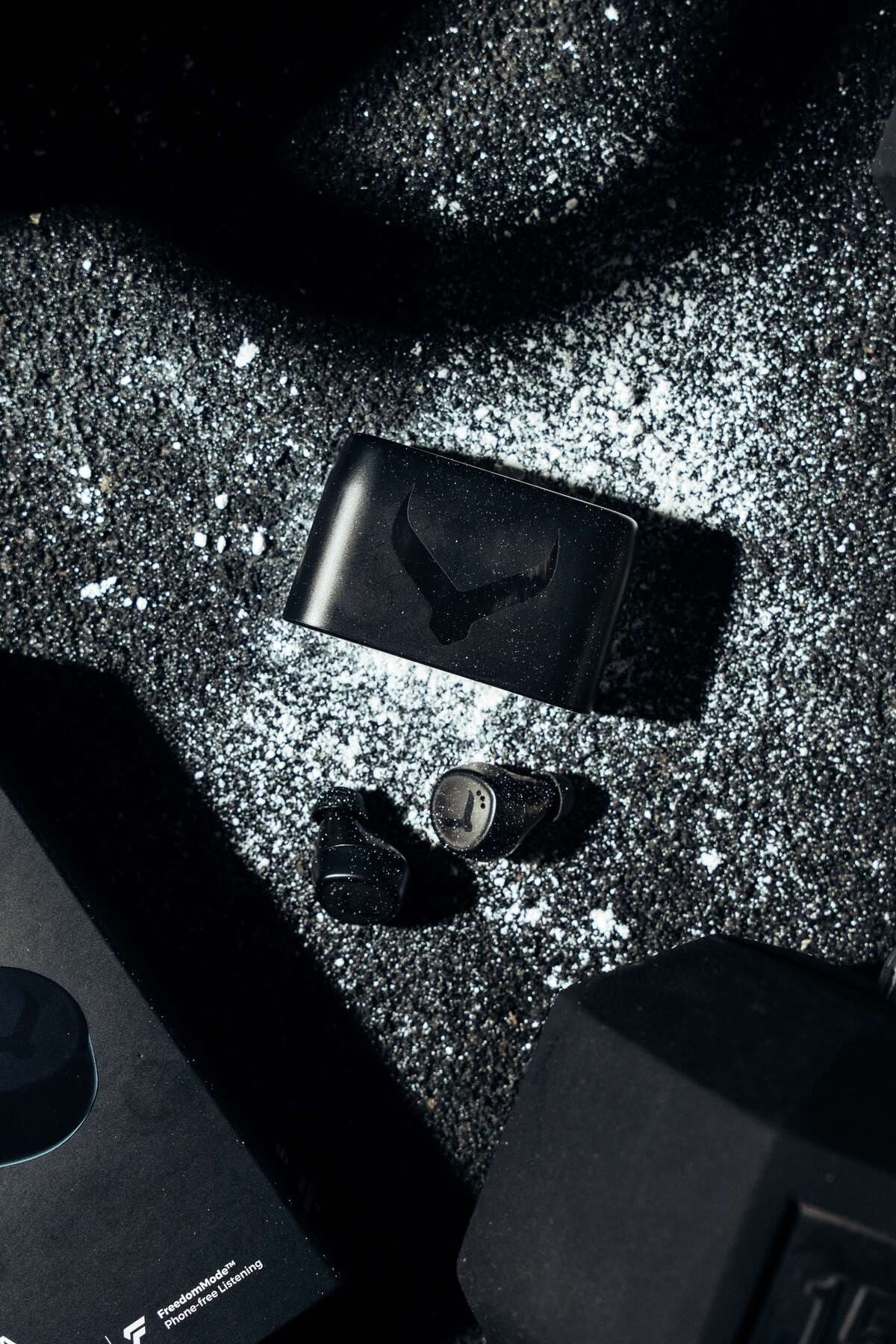
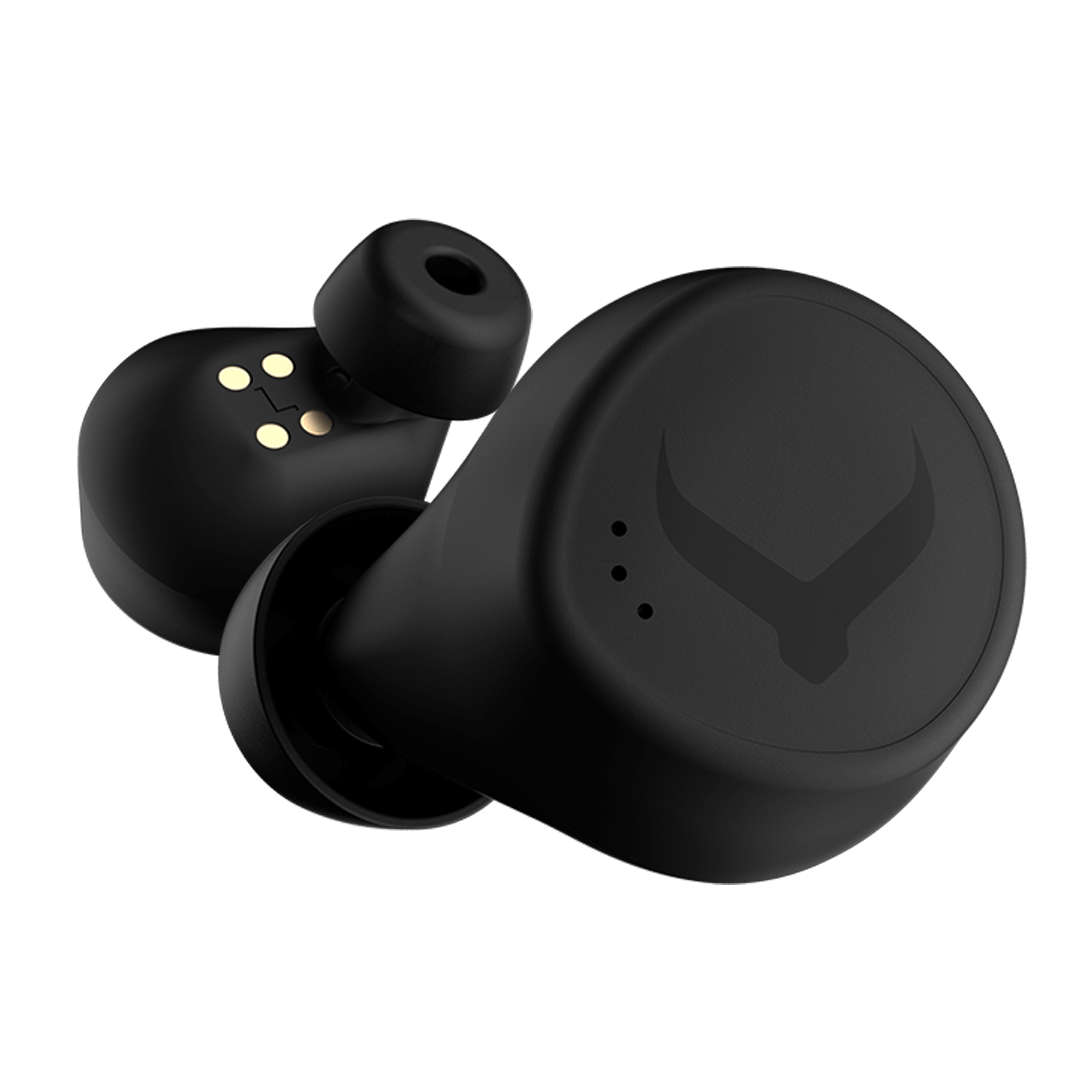
We built the TZ7 Ultra for training, not commuting. It is IP68 rated, waterproof to 2m and chlorine proof, so sweat and rain are well inside what it was designed for. As with any brand, read the warranty and terms linked from our product page before you buy, and hold us to them.
The short version
Your statutory rights come first and last up to six years. Manufacturer warranties cover defects, rarely accidents. For gym use, the most useful questions are whether sweat damage is excluded and whether there is a reasonable accidental damage option. Then choose a pair that is less likely to need either.
Introducing the ultimate workout earbuds.